Getting the temperature and humidity right for your crested gecko isn't just a suggestion—it's the foundation of their health, activity, and even their willingness to breed. Mess this up, and you'll see a sluggish, stressed pet that might stop eating or have trouble shedding. Get it right, and you'll have a vibrant, curious reptile thriving in a slice of its native New Caledonia. The core numbers are straightforward: aim for 72-78°F (22-25.5°C) during the day with a slight drop at night, and maintain an ambient humidity between 50-70%, spiking to 80% or more during misting sessions. But the devil, as they say, is in the details. Let's break down exactly how to hit those targets consistently.
What's Inside This Guide
Why Temperature and Humidity Are So Critical
Think of your crested gecko's enclosure as a climate-controlled bubble. In the wild, they live in the cool, humid forests of New Caledonia. Their bodies are fine-tuned to that specific environment. When we put them in a glass box, we take on full responsibility for replicating those conditions.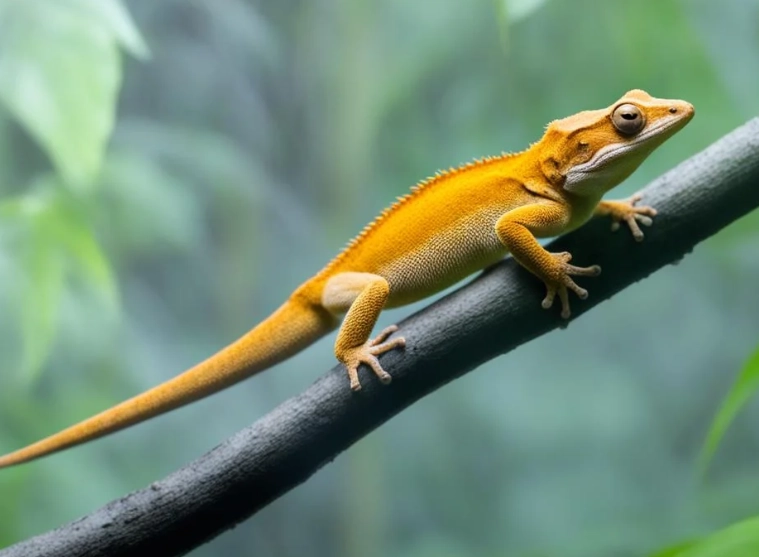
Temperature directly controls their metabolism. Too cold (consistently below 70°F/21°C), and their digestive system slows to a crawl. They become lethargic, refuse food, and are at high risk for impaction. Too warm (consistently above 82°F/28°C), and they go into heat stress. This isn't just them feeling uncomfortable—it can lead to fatal neurological damage. I've seen cases where a malfunctioning heater pushed temps into the mid-80s, and the gecko became disoriented and uncoordinated within hours.
Humidity is all about respiration and shedding. Crested geckos don't drink from a water bowl like a dog. They lick droplets from leaves and glass, which is why misting is non-negotiable. More subtly, proper humidity keeps their delicate skin supple. Low humidity is the number one cause of bad sheds (dysecdysis), where skin gets stuck, particularly on their toes. Left untreated, this can constrict blood flow and lead to toe loss. A study published in the Journal of Herpetological Medicine and Surgery frequently cites improper humidity as a primary factor in reptile dermatological issues presented to vets.
The Perfect Temperature Parameters
Forget the idea of a basking spot. Crested geckos are cryptic and do not bask under direct heat like a bearded dragon. Their temperature needs are about a gentle, gradient-free ambient range. This is a common misconception that leads people to install overly powerful heat lamps.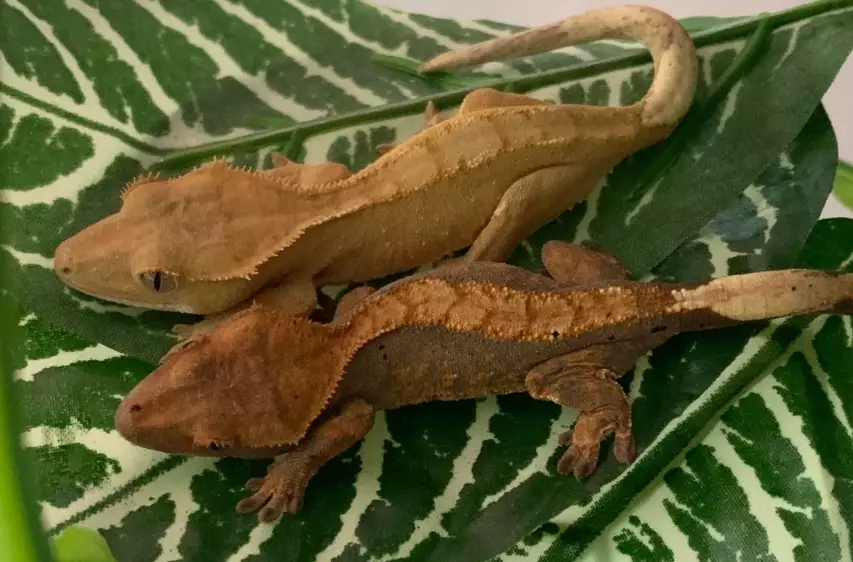
Daytime vs. Nighttime: Embracing the Drop
Crested geckos are crepuscular, most active at dawn and dusk. Their natural environment cools down at night, and replicating this slight drop is beneficial and mimics their natural rhythm.
| Period | Ideal Temperature Range | Notes & What Happens Outside the Range |
|---|---|---|
| Daytime | 72-78°F (22-25.5°C) | The sweet spot for activity, digestion, and overall health. This is the temp you should see on your gauge in the middle of the tank during the day. |
| Nighttime | 65-72°F (18-22°C) | A natural drop is perfect. It's okay to hit 65°F (18°C). Temperatures dipping into the low 60s (16-17°C) for short periods are usually tolerated but not ideal long-term. |
| Danger Zone (High) | Above 82°F (28°C) | Risk of heat stress, dehydration, and neurological issues. Immediate action required. |
| Danger Zone (Low) | Below 65°F (18°C) long-term | Digestion halts, appetite vanishes, immune system weakens. |
The biggest mistake I made early on was overheating the tank because my house was "only" 70°F. I used a small heat mat on the side, but without a thermostat, it created a tiny, intense hotspot. The gecko avoided that entire side of the tank. The ambient temp was fine, but I'd created a stressful microclimate. Lesson learned: always measure the temperature where your gecko actually spends time, not just on the glass.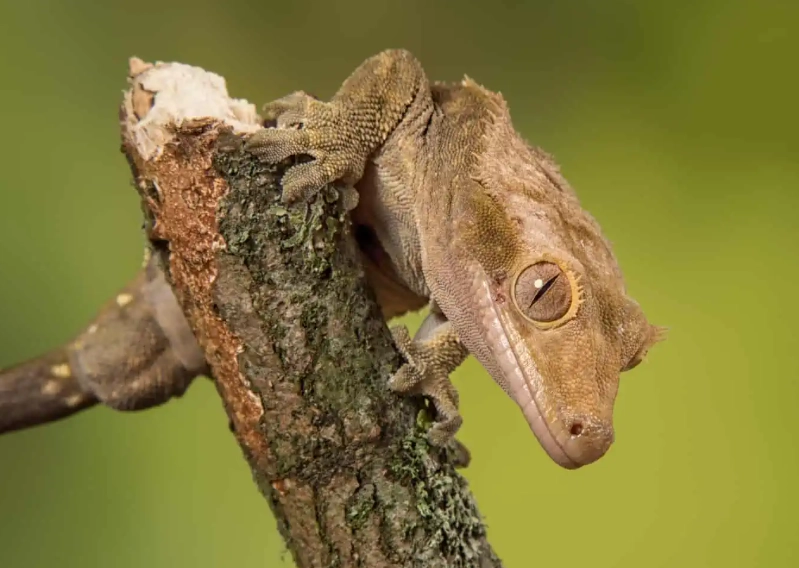
Place a digital thermometer probe in the warmest area (near any heat source) and another in the farthest corner. Both should read within the safe daytime range. If the "cool" corner is above 78°F (25.5°C), your overall tank is too warm.
Mastering Crested Gecko Humidity
Humidity is where most keepers struggle. It's not about keeping the tank wet all the time. It's about a cycle—a rhythm of drying and spiking that mimics fog rolling into the forest and then burning off.
The Humidity Cycle: Spike, then Dry
Your goal is to create a daily humidity spike, followed by a period where the enclosure dries out to the ambient range. Stagnant, constant high humidity leads to mold, bacterial growth, and respiratory infections in your gecko.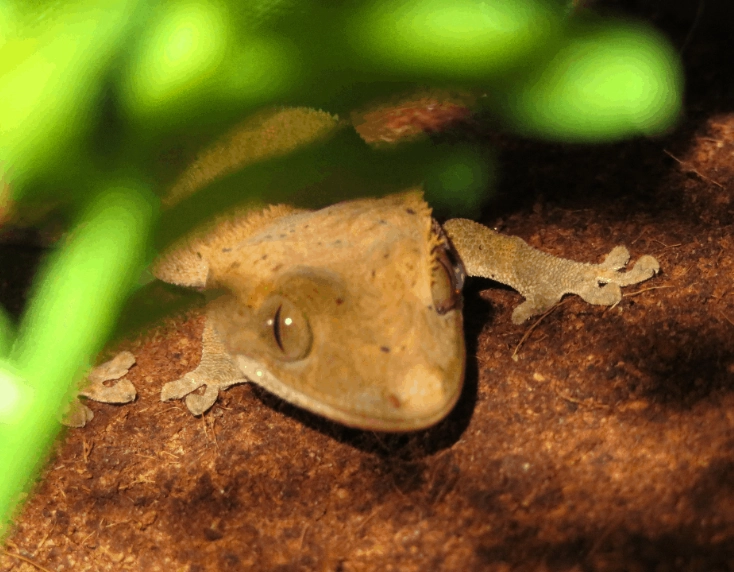
- Spike (Misting Time): When you mist in the evening (and optionally in the morning), humidity should shoot up to 80-100%. You should see fog on the glass and droplets on leaves. This is when your gecko will be active, drinking, and exploring.
- Drying Phase: Over the next few hours, humidity should gradually fall back down to that 50-70% baseline. It should not stay above 70% for more than a few hours at a time. By the next misting session, the substrate surface and decor should feel mostly dry to the touch.
How do you achieve this? Ventilation is key. A mesh top is essential. If you're using a glass terrarium with a solid top, you're fighting a losing battle—stagnant air equals mold city. I prefer front-opening terrariums with a mesh top (like those from Exo Terra or Zoo Med) because they allow for perfect cross-ventilation.
Essential Gear You Actually Need
You don't need a lab, but you do need reliable tools. Guessing is not an option.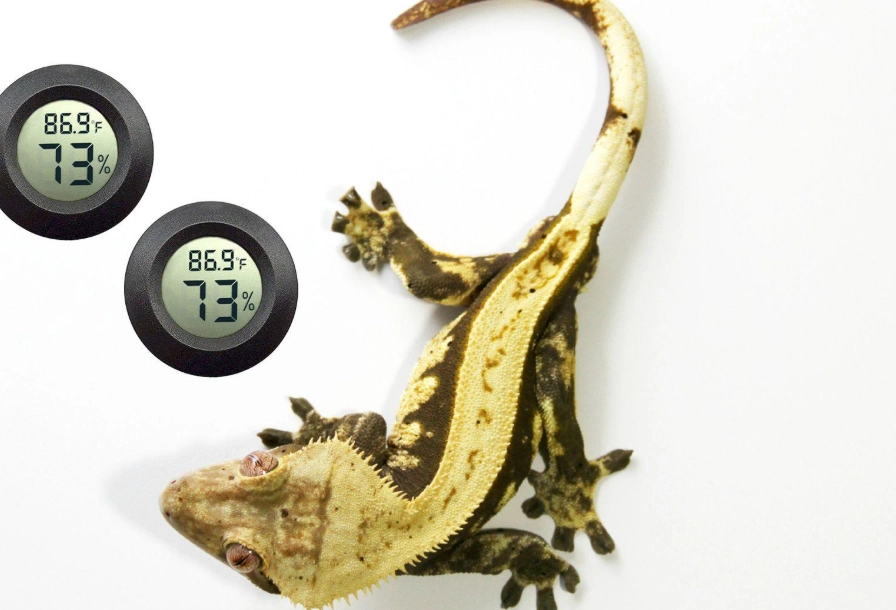
1. Digital Thermometer/Hygrometer Combo
Throw away those analog dials with the sticky backs. They are notoriously inaccurate. Invest in a simple digital combo unit with a probe. The probe lets you place the sensor exactly where you need it (mid-level, behind some foliage), while the display sits outside the tank. Brands like Zoo Med and Exo Terra make reliable ones. Get two if your tank is large to monitor both ends.
2. Heating (Only If Needed)
If your room stays between 72-78°F during the day, you might not need any heater. Always check first. If you need heat:
- Best Option: Low-Wattage Ceramic Heat Emitter (CHE) or a Deep Heat Projector (DHP). These produce heat without light, perfect for a crepuscular animal. Place it on a mesh top outside the tank, above one end.
- Mandatory Accessory: A Thermostat. This is non-negotiable. Plug your heater into a thermostat and place the probe inside the tank. Set it to 75°F (24°C). It will turn the heater on/off to prevent overheating. An on/off thermostat is fine for CHEs and DHPs. Inkbird and Herpstat are trusted brands.
- What I Avoid: Under-tank heat mats as a primary heat source. They don't effectively warm the air, can create dangerous hot spots on the glass, and don't mimic natural overhead heat.
3. Misting System
You can use a hand spray bottle, but for consistency (and if you travel), an automatic mister is a game-changer. The MistKing Starter System is the gold standard—it's reliable, adjustable, and creates a fine fog. A more budget-friendly option is the Exo Terra Monsoon. Set it to mist for 30-45 seconds right before lights go out in the evening. If your humidity drops too fast, add a short morning mist.
Reader Comments