Let's cut to the chase. If you're searching for the most aggressive gecko on the planet, the answer, almost unanimously among herpetologists and seasoned keepers, is the Tokay Gecko (Gekko gecko). This isn't a slight against them—it's a testament to their raw, untamed spirit. They are stunning, powerful reptiles that have earned a legendary reputation for their fierce temperament and formidable bite. But "aggression" in reptiles is a nuanced topic. It's not about malice; it's about survival strategy, territorial instinct, and sheer defensive panic.
What You'll Find Inside
What Does "Aggressive" Really Mean for a Gecko?
We throw the word "aggressive" around, but for a small lizard, it's almost always defensive behavior. An "aggressive" gecko is one that actively and readily employs threat displays or physical attacks (biting) as a first line of defense, rather than flight or freezing. Key behaviors include: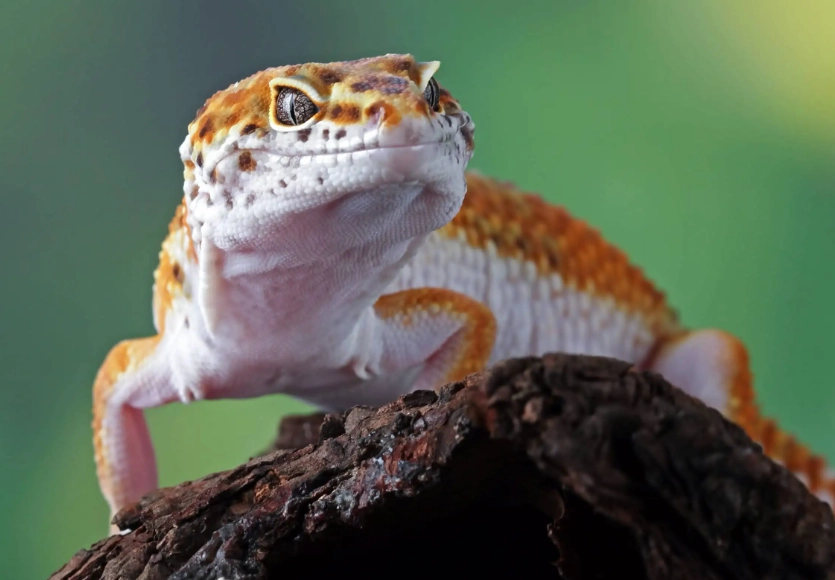
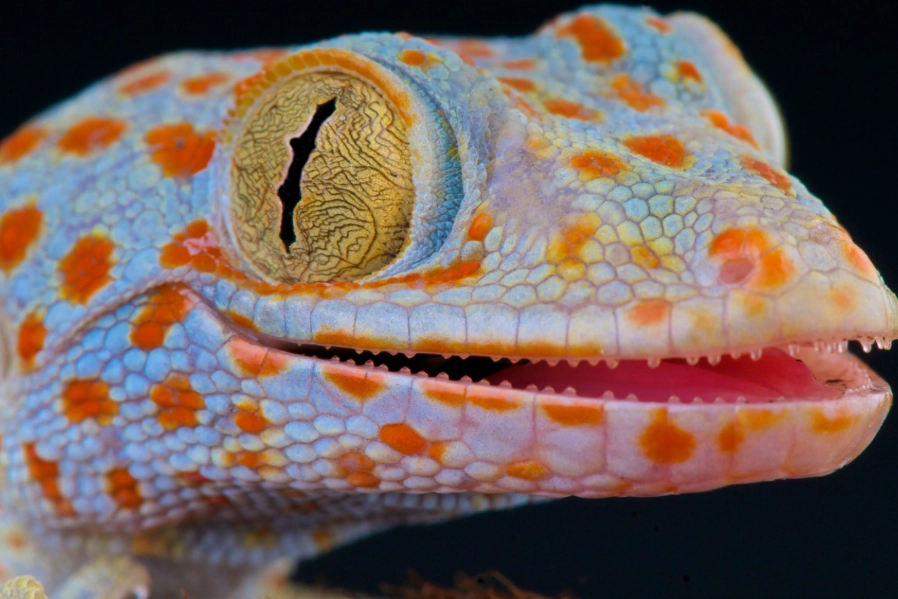
- Gaping: Opening the mouth wide to show off its teeth.
- Vocalizing: Hissing, barking, or screaming. The Tokay's loud "TOH-kay!" call is a warning.
- Lunging/Biting: A quick, deliberate strike. This isn't a mistaken feeding response; it's a "get back" message.
- Refusing to Release: Some, like the Tokay, are famous for latching on and not letting go.
It's crucial to distinguish this from a skittish or nervous gecko that primarily tries to run and hide. True reptile aggression is a bold stand-your-ground attitude.
The Undisputed Champion: The Tokay Gecko
Native to Southeast Asia, the Tokay is a marvel of evolution. With its brilliant blue-gray body dotted with vibrant orange spots, it's breathtaking. It's also the pit bull of the gecko world—incredibly strong, tenacious, and not for the faint of heart.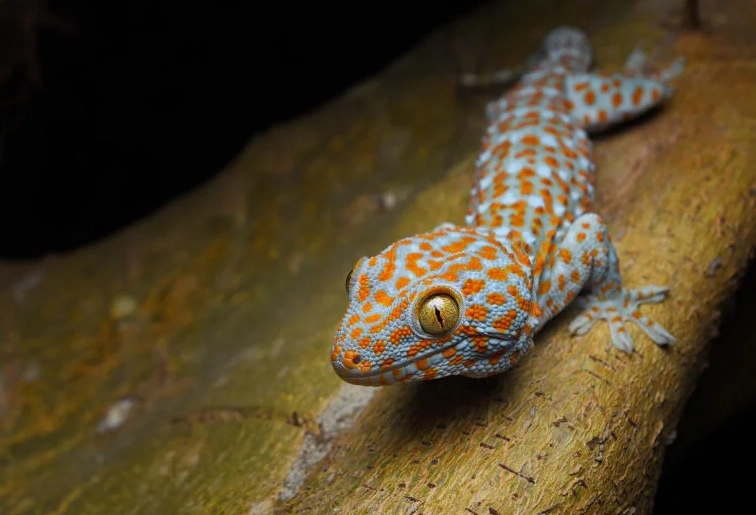
I remember the first time I had to assist with an adult Tokay that had escaped its enclosure. The owner warned me, but hearing the low, guttural growl it emitted when approached was something else. It wasn't fear; it was a clear, audible threat. We used thick gloves and a soft towel, and it still managed a lightning-fast strike. The power in its jaw was astonishing.
What sets the Tokay apart?
- Incredible Bite Force: Relative to its size, one of the strongest bites among lizards. Their jaws are designed to crush insect exoskeletons and, unfortunately, can break human skin with ease.
- The "Lock-On": They don't just bite and release. They bite, clamp down, and often need persuasion to let go. This tenacity is legendary.
- Minimal Domestication: Many Tokays in the pet trade are wild-caught or only a few generations removed. Their wild instincts are fully intact.
- Zero Hesitation: Most won't give multiple warnings. A perceived threat often results in an immediate, defensive lunge.
According to resources like the Animal Diversity Web, Tokays are highly territorial, using their calls and aggression to defend their space—a trait that translates poorly to life in a cage that gets cleaned by a giant primate.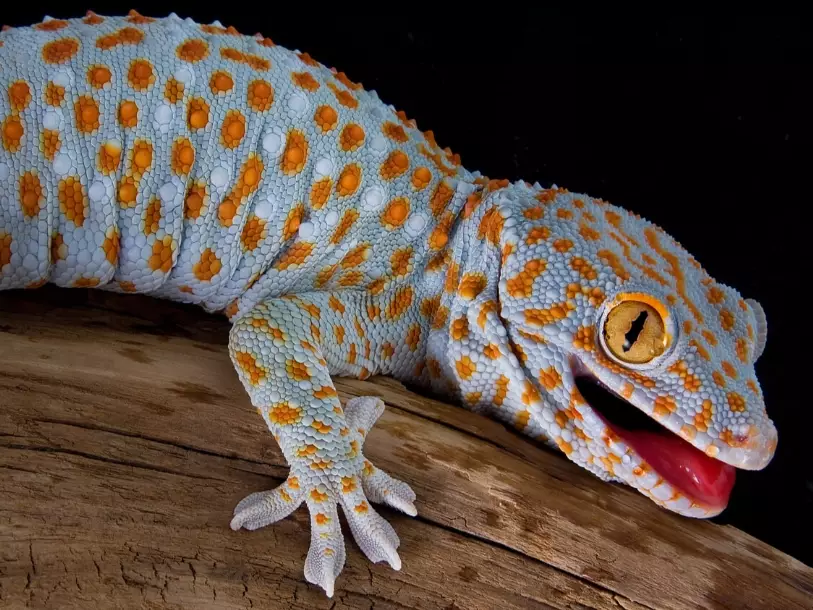
Other Contenders in the Feisty Gecko Arena
While the Tokay sits alone at the top, other geckos can display significant defensive aggression, especially when stressed or cornered. Here’s a quick comparison.
| Gecko Species | Aggression Level | Primary Manifestation | Suitability for Handling |
|---|---|---|---|
| Tokay Gecko | Very High | Active lunging, painful biting, loud vocalizations, lock-on bite. | Very Poor. Display animal only for experienced keepers. |
| Giant Day Gecko (Phelsuma grandis) | Moderate-High | Extreme skittishness, fast flight, may bite if trapped. More fragile and prone to stress-drop tails. | Poor. Their speed and fragility make handling risky for the gecko. |
| Some New Caledonian Giant Geckos (e.g., Rhacodactylus spp.) | Variable (Low-Moderate) | Some individuals, especially wild-caught, can be snappy and hiss. Bites can be pinchy. | Variable. Captive-bred are often docile, but always assess the individual. |
| Mediterranean House Gecko (Wild) | Low-Moderate (in defense) | Will bite if caught and unable to flee. A last-resort defense. | Not typically kept as pets; wild animals should not be handled. |
| Leopard Gecko / Crested Gecko | Very Low | Rarely bite. May vocalize (crested) or tail-rattle (leopard) if very stressed. | Excellent. The standard for docile, handleable pet geckos. |
Notice a pattern? Often, larger, wilder, or more primitive gecko species retain stronger defensive instincts. The popular pet trade species (Leopard, Crested) have been selectively bred for docility over many generations.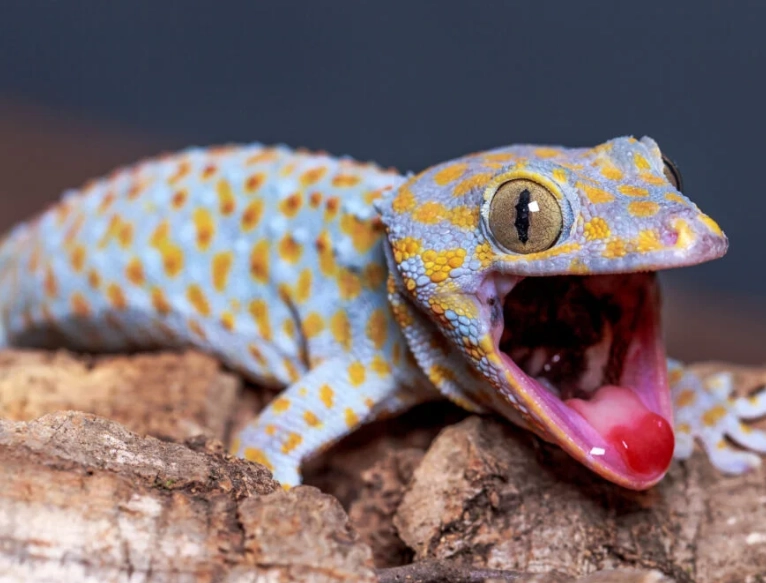
Why Are Some Geckos So Feisty?
It boils down to evolutionary pressure.
Tokays are apex insectivores in their niche. They compete for prime hunting territories in the wild. Losing a territory can mean starvation. So, they evolved to be brutally effective at defending their space from everything, including other Tokays and much larger animals. A study in the Journal of Herpetology on lizard aggression often cites territoriality as a key driver, and Tokays are a textbook case.
Giant Day Geckos are a different story. Their "aggression" is mostly panic. They are prey animals in the wild (birds, snakes). Their strategy is: see threat, run like hell. In an enclosure, with nowhere to run, that panic can turn into a frantic bite. It's not calculated aggression; it's pure terror.
The human factor: We often create aggression through poor husbandry. A gecko that's constantly hungry, has nowhere to hide, or is housed with a competitor will be chronically stressed. A stressed animal is much more likely to act defensively. That "aggressive" gecko might just be a terrified one living in a subpar setup.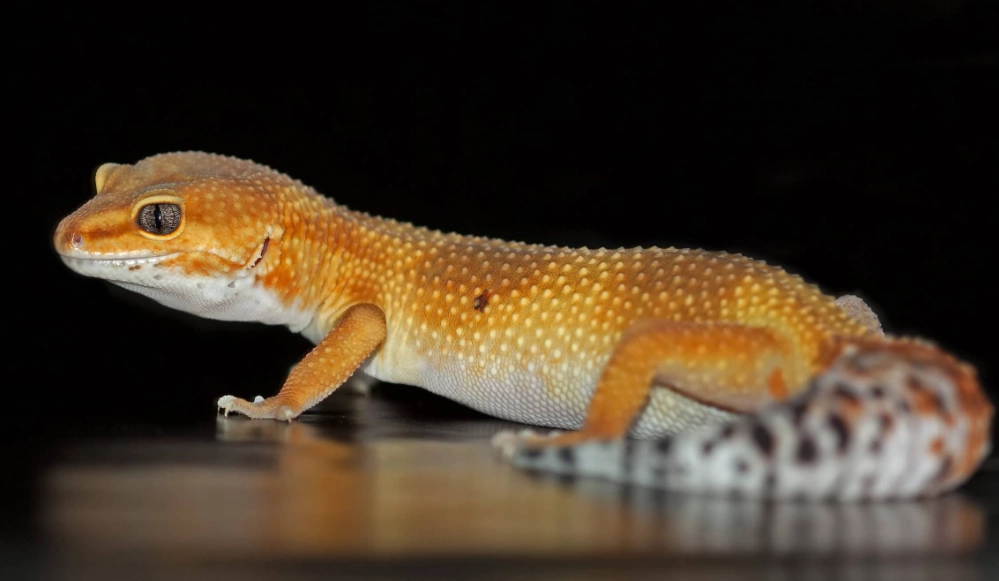
A Realistic Guide to Keeping an Aggressive Gecko Safely
So you're an experienced keeper and you want a Tokay, knowing full well what you're getting into. Here’s the non-negotiable protocol.
1. The Mindset Shift
This is not a pet you cuddle. It's a living piece of natural art you observe. Your goal is not to tame it, but to provide such excellent care that it thrives without needing to interact with you. Appreciate its beauty and behaviors from outside the glass.
2. Enclosure as a Fortress
- Front-Opening Only: Never use a top-opening tank. Reaching down from above is a predator's move and will trigger an attack.
- Secure Locks: They are strong and clever. Childproof locks or similar are mandatory.
- Ample Hides & Visual Barriers: Give it multiple places to feel completely hidden. This reduces baseline stress.
3. The No-Hands Policy
All maintenance should be done with tools and planning.
- Feeding: Use long feeding tongs.
- Water/Spot Cleaning: Use a long-handled bottle and tools. Do this when the gecko is in its hide.
- Full Cleaning: This is the risky part. Have a temporary, secure holding tub ready. Gently herd the gecko into the tub using a flat piece of plastic or cardboard—never your hands. Close the tub securely before you reach into the main enclosure.
4. Reading the Room (Or the Tank)
Learn its body language. Is it out in the open, relaxed? Or is it flattened, staring, mouth slightly open? If it's in "alert mode," abort any non-essential activity. Come back later.
The biggest mistake I see? People trying to "prove" they can tame a Tokay. It usually ends with a bitten finger, a stressed gecko, and a lesson learned the hard way. Respect the animal's nature.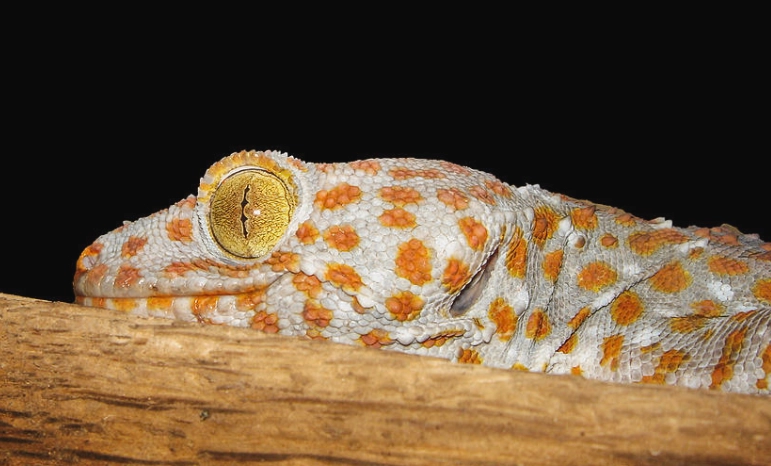
Your Top Gecko Aggression Questions Answered
Choosing to keep an aggressive gecko species is a major commitment. It's about respecting their wild nature, not trying to change it. The Tokay gecko stands as the ultimate example of this—a breathtakingly beautiful animal that reminds us that not all creatures are meant to be hands-on pets. For the right person, one who values observation over interaction, providing a home for such a fierce and fascinating reptile can be incredibly rewarding. Just keep your fingers outside the tank.
Reader Comments