You're standing in front of two reptile enclosures, or maybe scrolling through two different breeder pages. On one side, a beautiful, classic yellow leopard gecko with black spots—the "normal." On the other, a stunning creature with no spots, vibrant orange stripes, and dark eyes—a "Fancy" morph called a "Tangerine." The price tag difference makes you pause. $40 vs. $200. What are you actually paying for? Is the Fancy one a better pet? The choice between a Fancy leopard gecko and a normal one isn't just about budget; it's about understanding genetics, care nuances, and what you really want from a scaly companion. Let's cut through the confusion.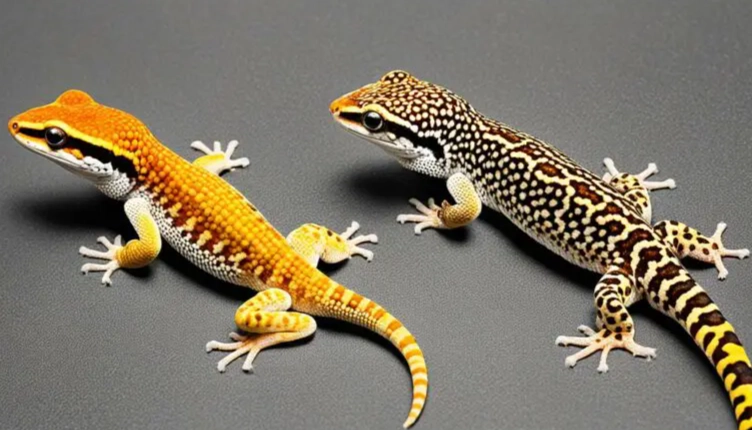
What's Inside This Guide?
What Does "Fancy" vs. "Normal" Actually Mean?
First, let's clear up the terminology, because it's a bit misleading. "Normal" refers to the wild-type leopard gecko (Eublepharis macularius). Think of it as the default model—yellowish base with irregular black spots and a banded tail. It's beautiful in its own right.
"Fancy" isn't a single morph. It's a pet store catch-all term for any leopard gecko that isn't the normal pattern. It covers everything from simple "High-Color Normals" (just brighter yellows) to complex, designer morphs like Mack Snows, Albino strains (Tremper, Bell, Rainwater), and patternless varieties like Blizzards.
So the real comparison is Wild-Type/Normal vs. Designer Morphs. The differences boil down to three things: genetics, appearance, and sometimes, but not always, associated health considerations.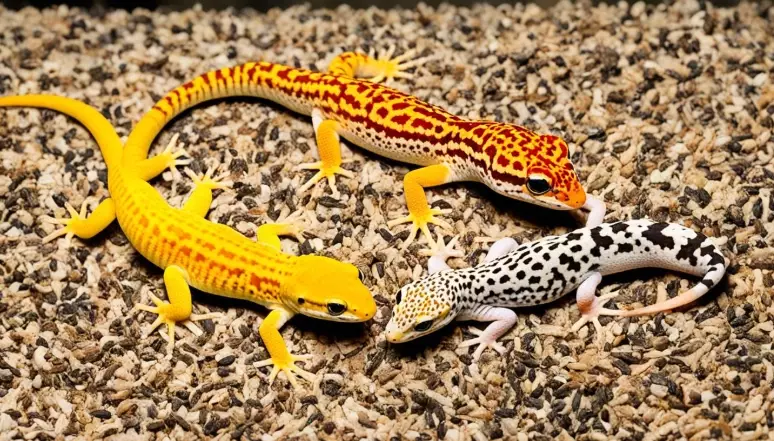
Key Insight: A common mistake new keepers make is assuming "Fancy" means "more delicate" or "requires special care." For most common morphs, this isn't true. The core care—heat, humidity, food—is identical. The potential extra consideration is genetic. Some morphs, like those carrying the Enigma gene, can have associated neurological issues. This is why knowing the specific morph name is more important than the vague "Fancy" label.
Side-by-Side Comparison: A Quick Look
| Aspect | Normal (Wild-Type) Leopard Gecko | "Fancy"/Designer Morph Leopard Gecko |
|---|---|---|
| Appearance | Yellow/tan base with black spots. Banded tail as a juvenile, often spotty as an adult. Black eyes. | Vastly variable. Can be white (Blizzard), black (Black Night), striped, spotted, orange (Tangerine), or lacking all pigment (Albino). Eye color can be red, silver, or black. |
| Typical Price Range | $30 - $75. Readily available at pet stores and rescues. | $50 - $500+. Price depends on rarity and genetics. Common morphs (High-Yellow, Mack Snow) start low. Rare ones (Black Night, Gem Snow) can exceed $1000. |
| Genetics & Health | The baseline, robust genetics. No known morph-specific health issues. | Generally healthy, but some morphs have known issues. Albinos can be light-sensitive. Enigma morphs may have "Enigma Syndrome" (neurological head-tilting, circling). |
| Temperament | No inherent link to personality. Depends entirely on individual handling and breeding. | No inherent link to personality. A myth persists that they're calmer, often because expensive geckos get handled more by breeders. |
| Availability | Extremely high. Almost any pet store, reptile expo, or breeder. | High for common morphs. Rare morphs require dedicated breeders, often with waitlists. |
Looking at that table, the price jump sticks out. You're paying for aesthetics and the breeder's selective breeding work, not a fundamental upgrade in pet quality. I remember my first gecko was a normal I got for $40. He was just as personable and entertaining as any high-end morph I've owned since.
Choosing for Your Lifestyle & Experience Level
So, which one is right for you? Let's break it down by scenario.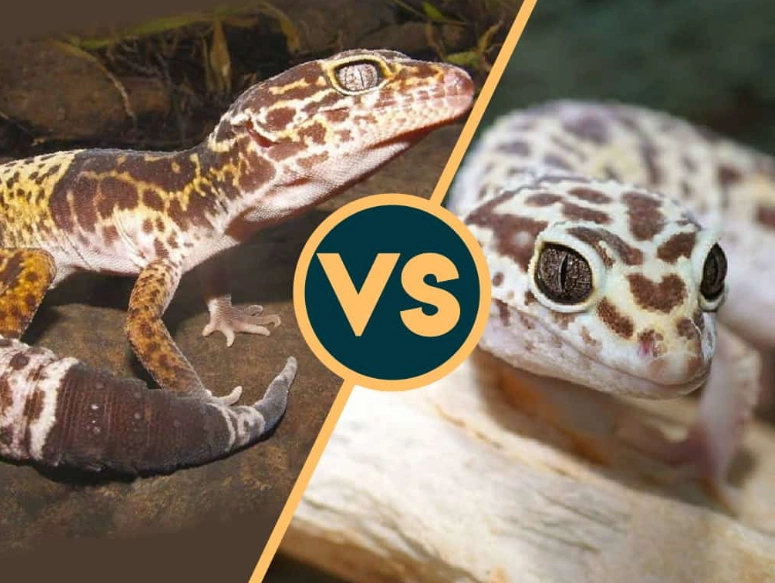
You Should Lean Towards a Normal Leopard Gecko If...
You're a first-time reptile owner. Starting with the baseline eliminates variables. You learn core care without the (often unfounded) worry that a health quirk is related to a rare gene. It's one less thing to stress about.
Your budget is tight. The initial cost is lower, leaving more money for a proper setup. A $500 gecko in a $100 tank is worse off than a $50 gecko in a $300 bioactive paradise. Prioritize the habitat.
You're adopting. Reptile rescues are full of wonderful normal leopard geckos needing homes. It's an ethical and affordable choice.
You simply love the classic look. Don't underestimate the beauty of the original pattern. There's a reason it's survived in the wild.
A "Fancy" Morph Might Be Worth It If...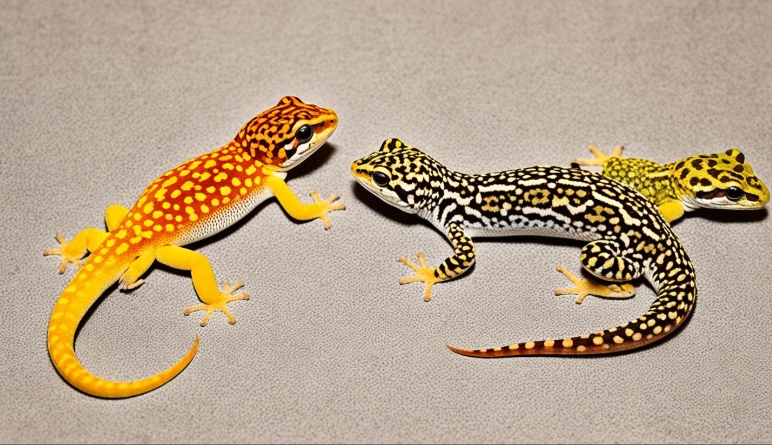
You have a specific aesthetic in mind. You've fallen in love with the stark white of a Blizzard or the fiery orange of a Super Hypo Tangerine. Getting a pet you find visually stunning is a valid reason.
You're interested in genetics and breeding. If you think you might want to breed in the future, starting with a specific morph gives you a project. Do your research first—breeding shouldn't be an impulse decision.
You have experience and want something unique. For the seasoned keeper, tracking down a rare, healthy specimen from a specialist breeder can be a rewarding part of the hobby.
Here's a personal take: I've seen too many beginners buy an expensive, light-colored Albino morph, only to blast it with bright red heat lamps that stress the gecko out. They didn't learn the basics of gentle, low-wattage heating and proper hides first. The morph wasn't the problem; the owner's foundational knowledge was.
Finding & Buying a Healthy Gecko (The Right Way)
Where you buy is more important than "fancy" or "normal." A sickly fancy gecko from a bad pet store is a terrible deal. A robust normal from a great breeder is a win.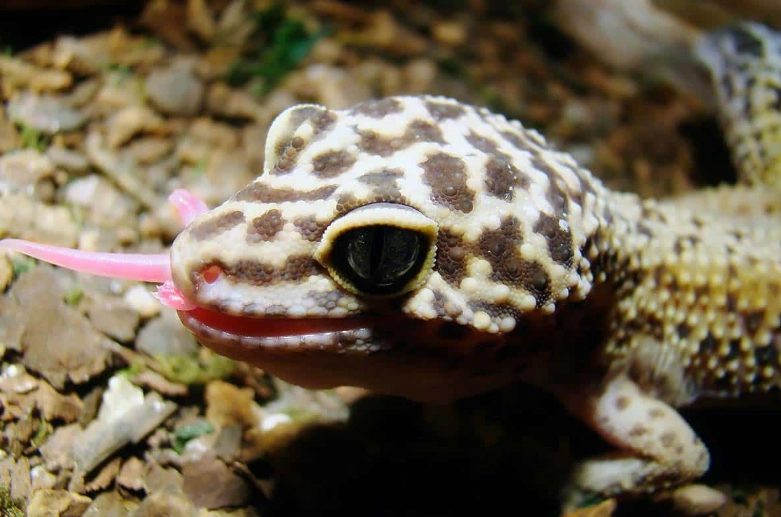
Avoid big-chain pet stores for any gecko, if possible. Their animals are often mass-bred, stressed, and can come with parasites. The staff rarely know the genetics.
Seek out reputable breeders, especially for morphs. A good breeder will:
- Know the exact morph and genetics (e.g., "This is a Tremper Albino Eclipse, 100% Het for RAPTOR").
- Be transparent about any known health issues in the lineage.
- Show you pictures of the parents.
- Keep their animals in clean, individual setups.
- Answer all your questions patiently. Check out communities like MorphMarket where breeders are reviewed.
Attend a reptile expo. You can see the geckos in person, talk to breeders directly, and compare health and prices all in one place.
Check rescues and shelters. You'd be surprised how many leopard geckos, including some nice morphs, need rehoming. It's the most cost-effective and kind option.
When you pick one up, look for clear, bright eyes, a plump tail (their fat store), all toes intact, and alert behavior. It should feel solid, not limp.
Your Questions, Answered
The bottom line? There's no "better" choice, only the right choice for you. If you value simplicity, budget, and classic beauty, a normal leopard gecko is a perfect, wonderful pet. If you're captivated by a specific look and understand the genetics behind it, and you're willing to invest, then a specific morph from a great breeder is the way to go.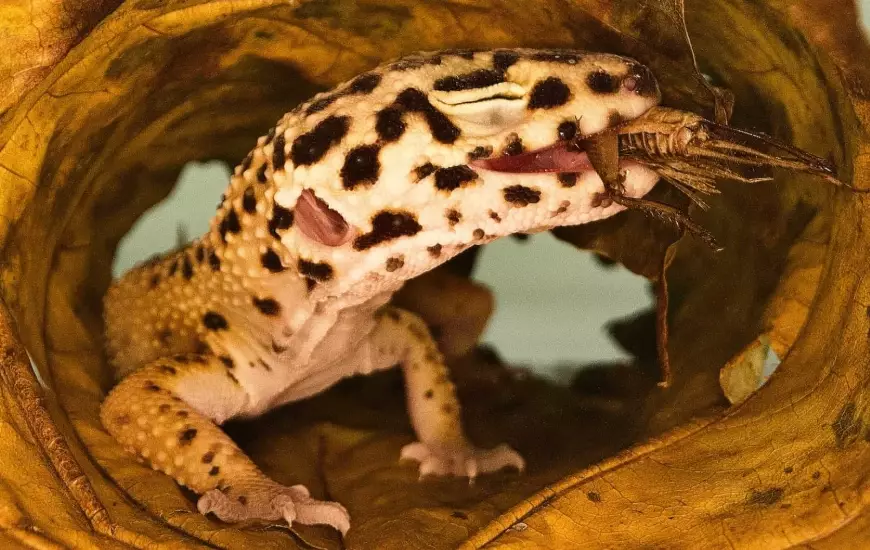
Don't get sucked into the idea that more expensive equals a better companion. The best leopard gecko is the healthy one you connect with, whose care you understand thoroughly, and who you'll enjoy for the next 15-20 years. Spend your energy learning about proper heating and gut-loading crickets, not just picking the rarest color. That knowledge is what makes a great keeper, regardless of what's in the tank.
Reader Comments