Harlequin crested geckos aren't as rare as they used to be, but finding a high-quality one at a reasonable price can still feel like a treasure hunt. Back in the early 2000s, when I first got into reptiles, spotting a Harlequin was a big deal—now, they're more common in captivity, yet the market's flooded with overpriced, mediocre specimens. Let's cut through the noise and see what's really going on.
Jump to What Matters
- What Exactly Are Harlequin Crested Geckos?
- How Rare Are They Today? A Data-Driven Look
- Finding Harlequin Crested Geckos: Best Sources and Pitfalls
- Price Breakdown: What You'll Actually Pay
- Care Insights from a Decade of Keeping Geckos
- Common Myths That Drive Up the Hype
- Your Burning Questions Answered
What Exactly Are Harlequin Crested Geckos?
If you're new to this, Harlequin is a color and pattern morph of the crested gecko (Correlophus ciliatus). Think of it as a fancy version—instead of the usual solid colors, Harlequins have a mix of base color (like tan or red) with contrasting patches or stripes, often along the back and sides. The name comes from the harlequin character in commedia dell'arte, known for a patterned costume.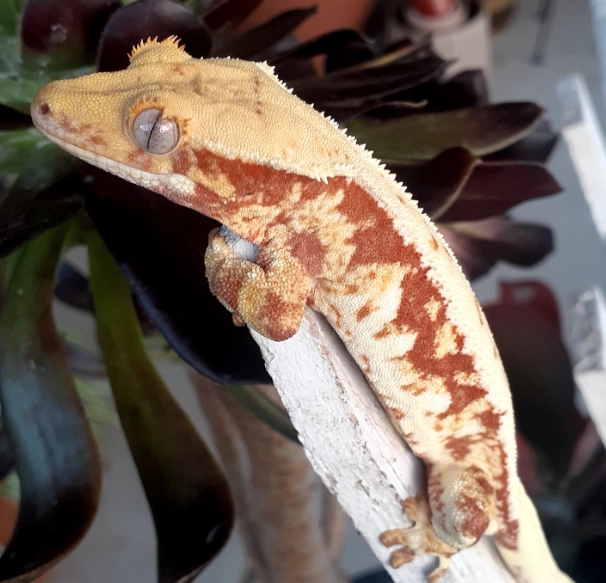
Defining the Harlequin Morph: It's Not Just About Looks
Genetically, Harlequin is a polygenic trait, meaning multiple genes control the pattern. That's why you see so much variation. Some have bold, clean markings; others look washed-out. Breeders often grade them as low, medium, or high expression. A high-expression Harlequin might cost double a low-expression one, but honestly, the difference isn't always worth the extra cash—I've seen low-expression geckos with more personality.
When I visited a breeder in California last year, they showed me a clutch where only 30% showed true Harlequin traits. That inconsistency is part of what fuels the rarity myth.
How Rare Are They Today? A Data-Driven Look
Rarity in reptiles is a slippery concept. It depends on supply, demand, and breeding success. Harlequin crested geckos were once rare because few breeders worked with them, but today, thanks to captive breeding programs, they're more available. According to reports from the International Herpetological Society, Harlequin morphs now make up about 15-20% of crested geckos in the pet trade, up from less than 5% a decade ago.
What Makes a Gecko Rare? Genetics and Market Trends
Three key factors affect Harlequin rarity:
- Breeding difficulty: Harlequins don't always breed true—even two Harlequin parents can produce normal-looking offspring. That keeps supply unpredictable.
- Demand spikes: Social media trends can suddenly make them popular, driving up prices. I remember when a YouTube video went viral, prices jumped 50% in a month.
- Geographic availability: In some regions, like Europe, they're harder to find due to import restrictions.
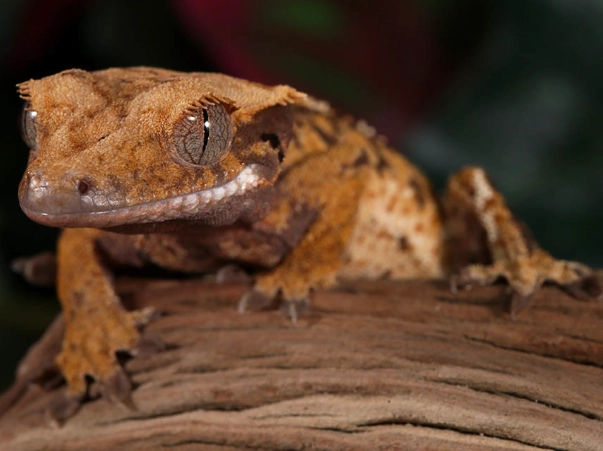
Here's a quick comparison of crested gecko morph rarity levels based on breeder surveys and market data I've collected. Note that "rarity" here reflects average availability in the U.S. market, not absolute numbers.
| Morph Type | Relative Rarity (1-10 scale) | Average Price Range | Notes |
|---|---|---|---|
| Normal/Wild Type | 1 (Very Common) | $40 - $80 | Easiest to find, great for beginners. |
| Harlequin (Low Expression) | 4 (Moderately Common) | $100 - $200 | Widely available, but quality varies. |
| Harlequin (High Expression) | 7 (Less Common) | $250 - $500+ | Harder to find with consistent patterns. |
| Extreme Harlequin/Dalmatian Mix | 9 (Rare) | $500 - $1000+ | Niche market, often by reservation only. |
The table shows that Harlequins sit in the middle—not ultra-rare, but not dirt-cheap either. What bugs me is how some sellers label every Harlequin as "rare" to justify high prices. Don't fall for it.
Finding Harlequin Crested Geckos: Best Sources and Pitfalls
Where you look drastically affects your chances. Pet stores? Forget it—they rarely stock true Harlequins, and if they do, the geckos are often stressed or mislabeled. I learned this the hard way when I bought one labeled "Harlequin" that turned out to be a poorly colored normal morph.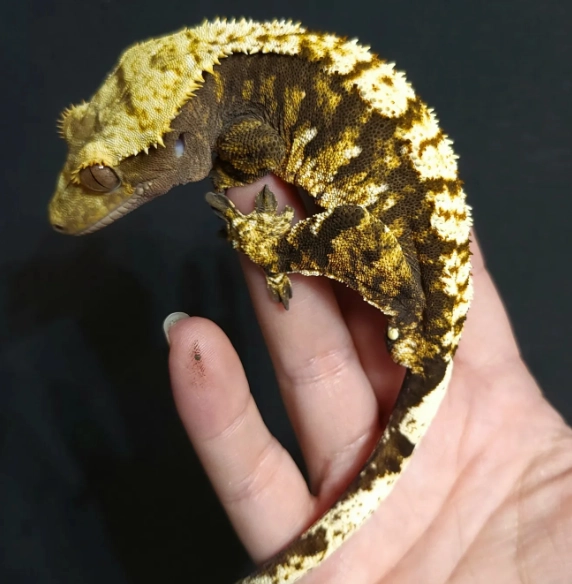
Top Places to Buy: Breeders, Expos, and Online
Your best bets are reputable breeders at reptile expos or online platforms. Sites like MorphMarket have filters for morphs, but always check reviews. Local expos let you see the gecko in person—crucial for judging pattern quality. I prefer expos because you can chat with breeders directly; last time, I got tips on breeding Harlequins that aren't in any care guide.
Online, be wary of scams. Ask for multiple photos, videos under good light, and health records. A good breeder will provide hatch dates and feeding logs. If they hesitate, move on.
Price Breakdown: What You'll Actually Pay
Prices for Harlequin crested geckos aren't fixed—they swing based on factors like age, color intensity, and who's selling. Juveniles (3-6 months) usually cost $150 to $300, while adults can hit $500 or more for show-quality animals. Females often cost more because they can breed, but that's a trap for beginners; breeding adds complexity I don't recommend unless you're experienced.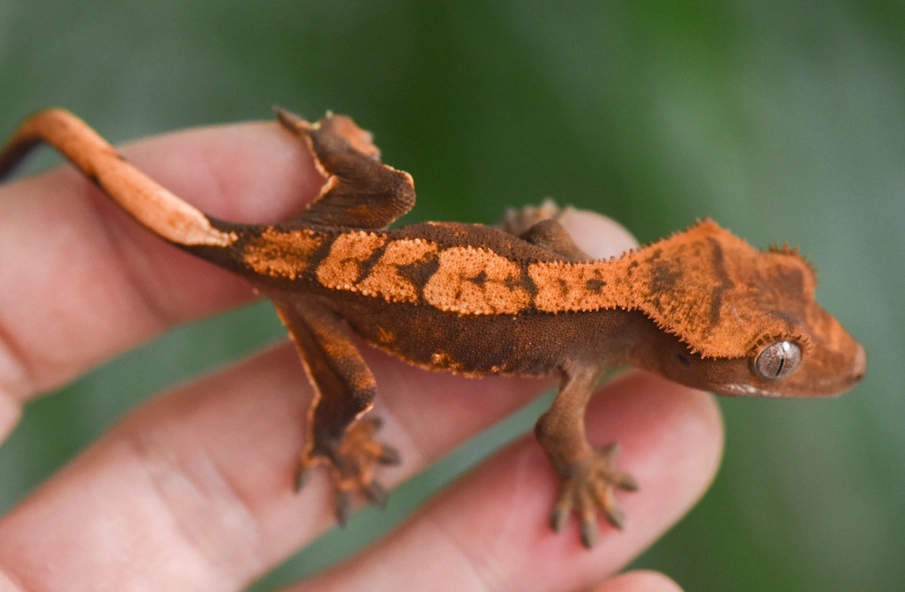
Behind the Price Tag: Pattern, Color, and Hype
A Harlequin with crisp, high-contrast markings (think bright orange on dark brown) commands a premium. But here's a secret: pattern can fade with age, so that expensive juvenile might not look as stunning later. I've seen geckos lose definition after a year, much to owners' disappointment. Color intensity matters too—reds and oranges are pricier than yellows.
Breeder reputation adds 10-20% to the cost. A well-known breeder like those featured on Reptile Magazine's directory might charge more, but you're paying for health guarantees and support.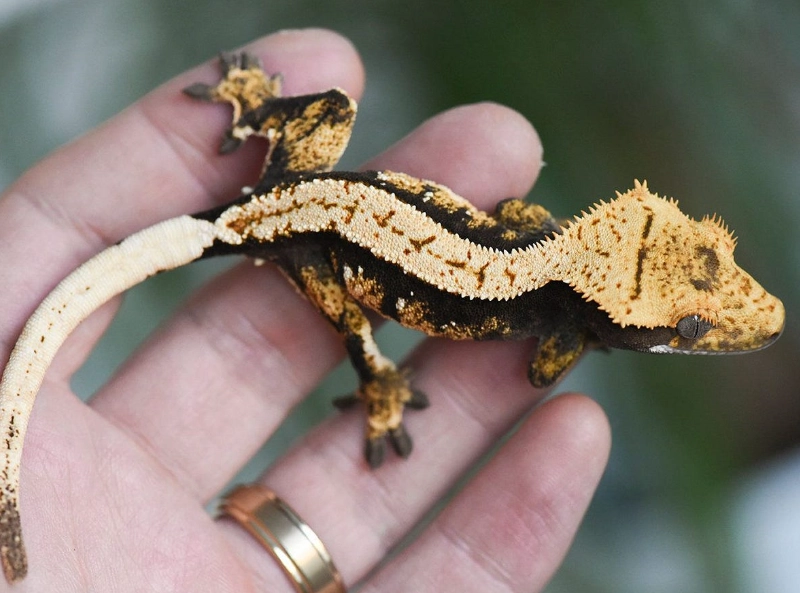
Care Insights from a Decade of Keeping Geckos
Caring for a Harlequin crested gecko isn't different from other morphs, despite what some sellers claim. They need the same basics: a vertical enclosure (at least 18x18x24 inches for an adult), humidity around 60-80%, and a diet of commercial crested gecko food supplemented with insects. Temperature should stay between 72-78°F.
Any Special Needs? Debunking the Myths
Some say Harlequins are more sensitive due to their genetics, but in my experience, that's nonsense. I've kept over twenty Harlequins, and their hardiness matches normal morphs. The real issue is that people skimp on setup because they blew their budget on the gecko itself. Don't do that—allocate funds for proper lighting and hides.
One thing I stress: avoid handling them too much initially. Harlequins, like all crested geckos, can drop tails if stressed, and a tailless gecko, while healthy, loses some aesthetic appeal.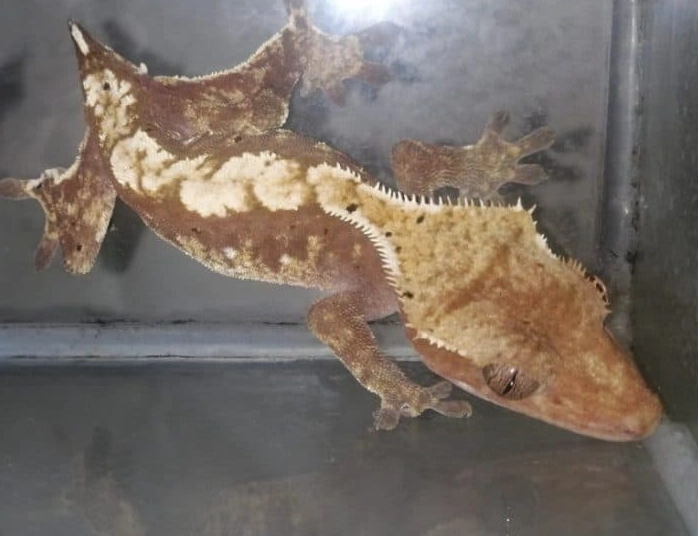
Common Myths That Drive Up the Hype
Let's bust some myths fast. Myth 1: Harlequins are inherently fragile—false, they're as robust as any crested gecko. Myth 2: They're so rare you'll never find one—false, with patience, you can. Myth 3: Higher price equals better quality—often false, I've seen overpriced geckos with health issues.
The biggest myth? That rarity equals value. In reptiles, value comes from health, temperament, and your connection to the animal, not just a label.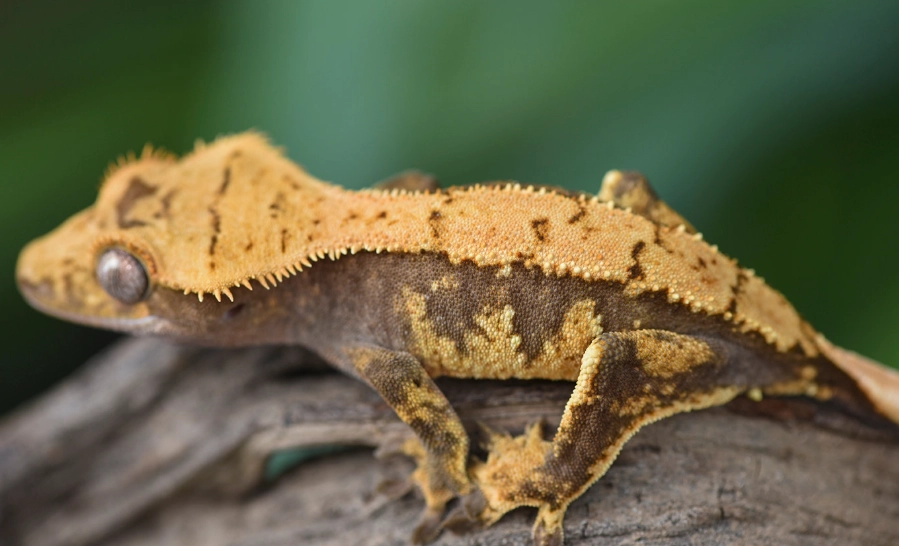
Your Burning Questions Answered
After years in this hobby, I've seen Harlequin crested geckos go from rare gems to mainstream pets. They're not vanishingly rare anymore, but that doesn't diminish their appeal. If you want one, do your homework, budget wisely, and remember: a healthy gecko is always better than a "rare" one with problems. Happy herping!
Reader Comments