You see the number everywhere: 15-20 years. That's the standard leopard gecko lifespan tossed around in pet stores and online forums. But that figure is almost meaningless without context. Is it a best-case scenario? An average? A lucky outlier? As someone who's kept and bred these incredible reptiles for over a decade, I've seen geckos crash at 5 years and thrive past 25. The difference almost never comes down to genetics alone. It's about understanding the leopard gecko longevity chart not as a fixed timeline, but as a roadmap shaped by your daily care decisions.
Let's break down that roadmap, stage by stage, and I'll show you the subtle, often-overlooked tweaks that can add years to your gecko's life.
Quick Navigation: What's Inside
How to Read a Leopard Gecko Longevity Chart (It's Not Just Ages)
A true longevity chart maps more than years. It connects age with physical development, behavior shifts, and changing care needs. The 15-20 year range is an average for geckos receiving decent, consistent care. Reaching the upper end—or surpassing it—requires moving from decent to exceptional.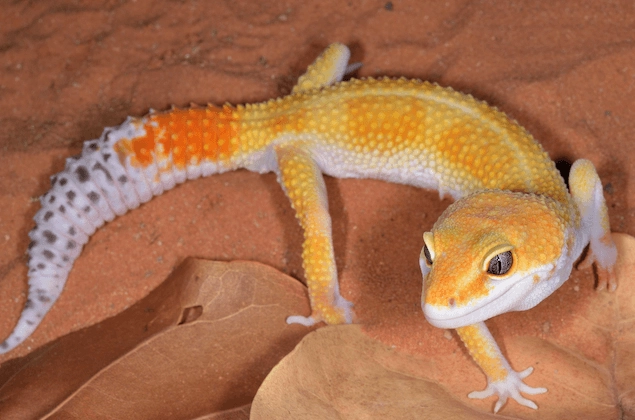
Here’s a more nuanced look at the typical leopard gecko lifespan stages:
| Life Stage | Age Range | Key Characteristics & Milestones | Primary Care Focus |
|---|---|---|---|
| Hatchling/Juvenile | 0 - 6 months | Rapid growth, frequent shedding (every 1-2 weeks), high metabolism. Tail is slender. | Protein-rich diet (daily feeding), secure habitat, minimal handling. |
| Sub-Adult | 6 - 12 months | Growth rate slows, approaching adult size. Sexual maturity begins. Personality becomes more established. | Transition to every-other-day feeding. Monitor body condition to prevent obesity. |
| Adult | 1 - 7 years | Prime years. Full size (7-11 inches), robust tail fat storage. Regular shedding cycle (every 4-6 weeks). Breeding occurs in this window. | Maintenance diet (2-3 feedings/week), annual health checks, enrichment. |
| Mature Adult | 7 - 10+ years | Activity may slightly decrease. Requires more vigilant monitoring for age-related issues like arthritis or decreased kidney function. | Potential diet adjustment (softer feeders), easier access to resources, semi-annual vet checks. |
| Senior | 10+ years | Signs of aging become apparent: slower movement, possible weight loss, eyes may become less bright. A gecko reaching this stage is a testament to great care. | Palliative care focus: maintaining hydration, easy-to-digest food, optimized habitat for mobility. |
The biggest mistake I see? Owners treat a 3-year-old gecko the same as a 10-year-old. Their needs evolve.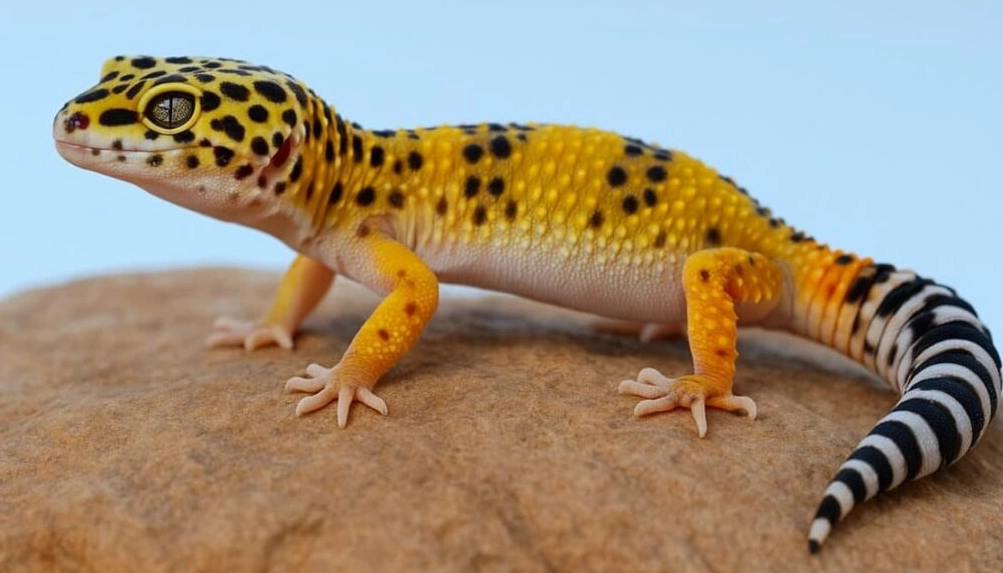
What Actually Determines a Leopard Gecko's Lifespan?
Forget the simple answers. It's a complex equation where one weak variable can drag the whole result down.
The Non-Negotiables: Habitat Setup
Heat isn't just for comfort; it's for survival. A proper thermal gradient (88-92°F warm end, 70-75°F cool end) is non-negotiable for digestion and immune function. I've lost count of geckos brought to me with "mystery" illnesses that were cured by simply adding a thermostat to an unregulated heat mat. Impaction, a common killer, often starts with inadequate heat.
Humidity is the silent partner. Too low, and sheds get stuck, leading to lost toes or eye infections. Too high, and you're inviting respiratory infections. A simple moist hide solves 95% of shedding problems.
The Diet That Builds Longevity
Variety isn't a luxury; it's nutritional insurance. A gecko raised solely on gut-loaded crickets will have a different health profile than one fed a rotation of crickets, dubia roaches, and the occasional treat like silkworms. Each feeder has a different nutrient profile.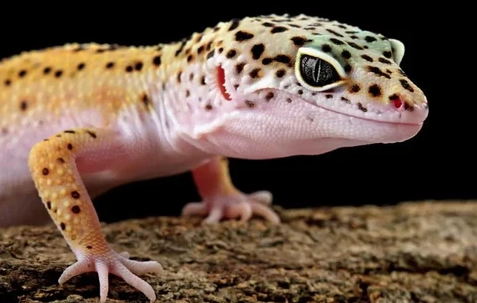
Now, the supplement trap. More is not better. Calcium without D3 should be available in a small dish at all times. Calcium with D3 is a supplement, dusted on feeders 1-2 times a week. Overdoing vitamin D3 is toxic. If you're using a low-output UVB light (like a ShadeDweller), you may need even less D3 supplementation. This nuance is rarely discussed.
The Veterinary Factor
Finding a vet who specializes in exotics or reptiles is crucial. An annual check-up isn't an overreaction; it's a baseline. A good reptile vet can spot early signs of metabolic bone disease (MBD), parasitic loads, or dental issues long before you notice symptoms. That early intervention can add years.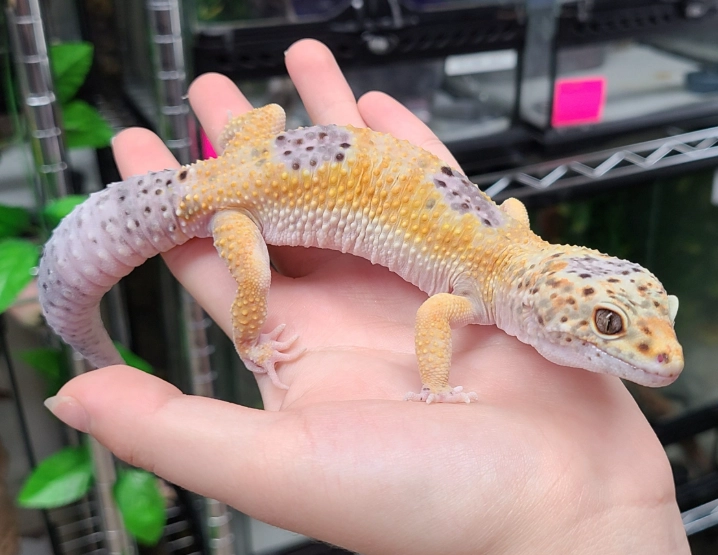
A Practical, Stage-by-Stage Guide to Maximizing Lifespan
Let's get tactical. Here's what you should be doing at each phase.
Hatchling to Juvenile (0-6 Months): Building the Foundation
This is the most vulnerable period. Feed daily with appropriately sized insects (no bigger than the space between their eyes). Paper towel substrate is safest to prevent impaction from accidental ingestion. Handle minimally to reduce stress. Focus on steady weight gain and perfect sheds.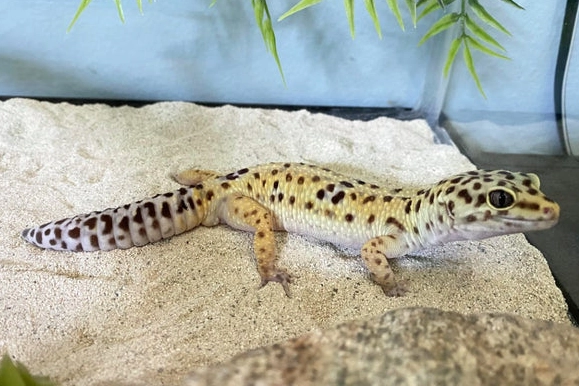
The Sub-Adult Shift (6-12 Months)
This is where many geckos start developing bad habits. They can become food-motivated and prone to overeating. Switch to feeding every other day. Start monitoring their body condition—you should see a defined neck, a plump tail, but ribs shouldn't be visible. A slightly chunky gecko at this age is better than an obese one.
Prime Adulthood (1-7 Years): The Maintenance Phase
Your routine is set: feed 2-3 times a week, fresh water always, clean the enclosure regularly. The danger here is complacency. This is the time to introduce enrichment: rearrange décor occasionally, offer novel (safe) feeder insects, maybe even try target training for mental stimulation. A bored gecko is a less active gecko.
Supporting Mature and Senior Geckos (7+ Years)
You might notice they drink more water. Their digestion may slow. Consider offering softer-bodied feeders like hornworms or pre-killed, gut-loaded crickets if they struggle. Lower climbing opportunities to prevent falls. A ceramic heat emitter (CHE) for gentle, 24/7 ambient warmth can help older joints. Weigh them monthly; gradual weight loss is a key early sign of many age-related illnesses.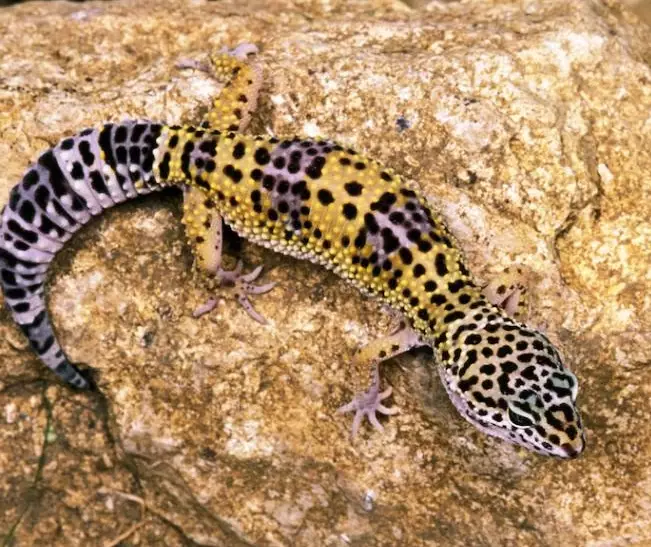
The Unspoken Mistakes That Chip Away at Lifespan
Some things shorten a gecko's life not dramatically, but stealthily.
Chronic Low-Grade Stress: A cage in a high-traffic hallway, a cat constantly staring, an overly bright light—these keep a gecko in a state of low-level alertness. This suppresses the immune system over time. Give them visual barriers and a quiet location.
The "They're Fine" Trap: Leopard geckos are masters at hiding illness. By the time they look "sick," they've been ill for a while. Not eating for a week is an emergency, not a quirk. Lethargy is a red flag. Don't wait.
Overbreeding Females: This is a specific but critical point. Breeding a female every season drastically shortens her lifespan due to the calcium and energy drain. Responsible breeders give females multiple seasons of rest.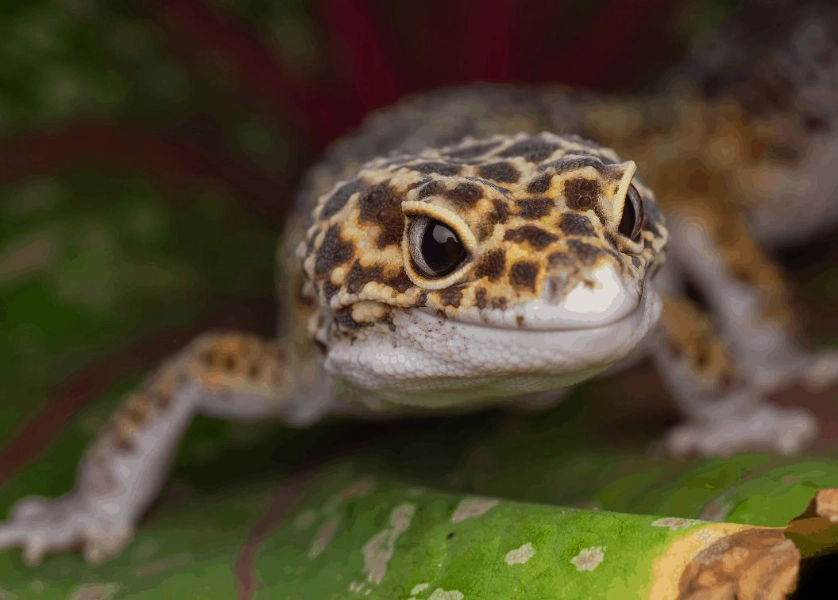
Straight Talk: Your Leopard Gecko Longevity Questions
How can I use a leopard gecko longevity chart to check if my gecko is healthy for its age?
Compare your gecko's physical condition and behavior to the typical milestones. A two-year-old gecko should be at or near its full adult size (7-11 inches), have a plump tail, be eating regularly, and shedding cleanly every few weeks. Significant deviations, like a four-year-old still looking like a juvenile or an adult with a persistently skinny tail despite good feeding, are red flags. The chart is a baseline; consistent energy, good body weight, and clear eyes are better daily indicators than age alone.
What's the most common mistake that shortens a leopard gecko's lifespan, according to experienced keepers?
It's a tie between improper heating and oversupplementation. An under-tank heater without a thermostat can cause fatal burns or prevent digestion. Conversely, dusting every insect with calcium powder containing vitamin D3 for a gecko already under a proper UVB light can lead to dangerous calcification of soft tissues. The mistake is treating supplements as a daily routine rather than a targeted tool based on your specific setup and your gecko's behavior.
My adult leopard gecko is eating less. Is this normal aging or a sign of illness?
A slight, gradual decrease in appetite can be normal in seniors (10+ years). However, a sudden or complete loss of appetite in any adult is a major warning sign. First, double-check your temperatures—a drop of just a few degrees can halt digestion. Then, look for other symptoms: weight loss (feel the hip bones), lethargy, or difficulty shedding. In adult females, decreased eating could also signal egg-binding. When in doubt, a vet visit is safer than assuming it's just old age.
Can handling frequency affect my leopard gecko's lifespan?
Yes, but not in the way most think. Infrequent, gentle handling for short periods (5-15 minutes) causes minimal stress for a tame gecko. The real lifespan risk comes from chronic stress due to excessive handling, especially for shy individuals, or handling that causes injuries like tail drops. A gecko that is constantly hiding and stressed will eat less and have a weakened immune system. Focus on consistent, calm interactions rather than duration. A calm gecko is a healthy gecko.
Looking at a leopard gecko longevity chart is just the start. Those numbers represent a potential. Your care—the attention to temperature gradients, the diversity in the food bowl, the proactive vet visits—is what turns that potential into reality. It's not about chasing a record age. It's about ensuring every year, from hatchling to senior, is spent in robust health. That's the true goal of any responsible keeper.
Reader Comments