So you've got a baby leopard gecko, or you're thinking about getting one. These little hatchlings are adorable, but caring for them isn't just about putting them in a tank and hoping for the best. I've seen too many new owners make subtle mistakes that lead to health issues down the line. Let's cut through the noise and get into what really works.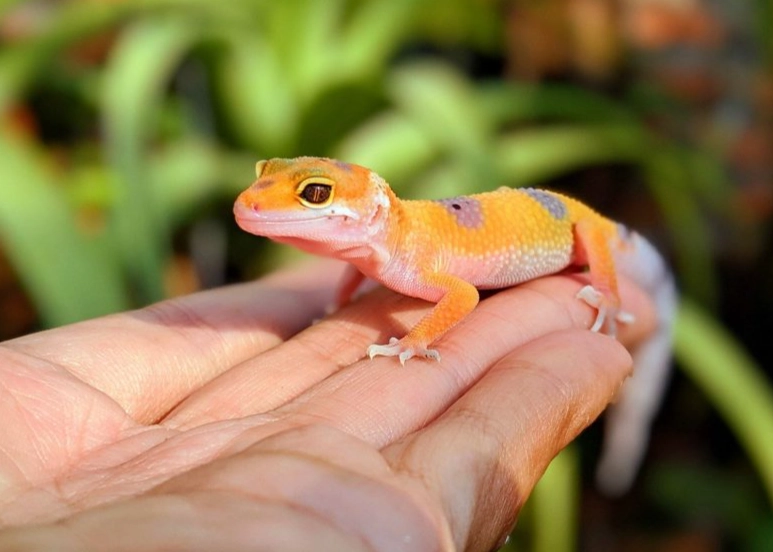
What You'll Learn in This Guide
Setting Up the Perfect Habitat
Get the habitat wrong, and everything else becomes a struggle. I once helped a friend whose gecko was constantly hiding and not eating—turned out the temperature was off by just a few degrees.
Tank Size and Substrate
A 10-gallon tank is the minimum for a baby leopard gecko, but I recommend starting with a 20-gallon long if you can. It gives them space to explore and reduces stress. For substrate, avoid loose materials like sand or walnut shells; they can cause impaction if ingested. Use paper towels, reptile carpet, or slate tiles. Paper towels are cheap and easy to clean, especially for beginners.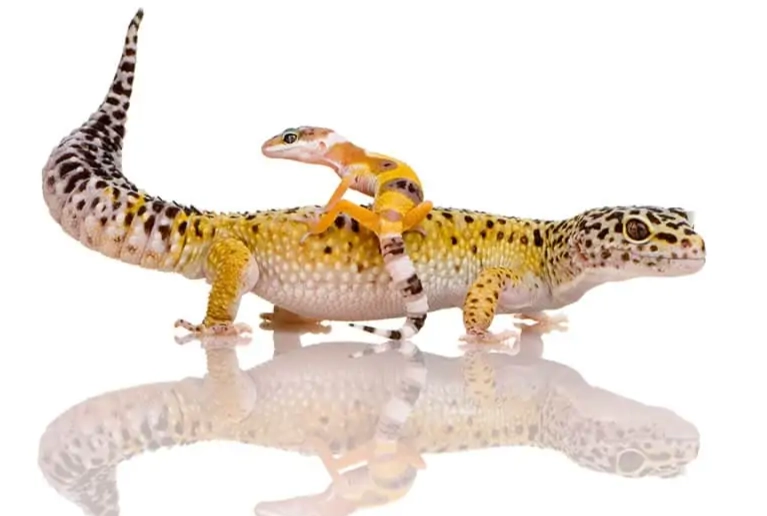
Here's a quick comparison of substrate options:
| Substrate Type | Pros | Cons | Best For |
|---|---|---|---|
| Paper Towels | Easy to replace, hygienic | Not natural-looking | New owners, quarantine periods |
| Reptile Carpet | Reusable, safe | Can harbor bacteria if not cleaned | Long-term setups |
| Slate Tiles | Natural, retains heat | Heavy, harder to install | Experienced keepers |
Temperature and Lighting
Leopard geckos are ectotherms, meaning they rely on external heat. The tank needs a thermal gradient: a warm side and a cool side. Use an under-tank heater on one side, set to 88-92°F (31-33°C). The cool side should be around 75-80°F (24-27°C). At night, it can drop to 70-75°F (21-24°C).
Skip the heat rocks—they're notorious for causing burns. Instead, pair the heater with a thermostat to avoid overheating. For lighting, they don't need UVB if you're dusting food with calcium, but a low-level UVB light can benefit their overall health. Keep the light on a 12-hour cycle.
Pro Tip: Place hides on both the warm and cool sides. Baby geckos feel vulnerable and need places to retreat. A humid hide with damp sphagnum moss helps with shedding.
Feeding Your Baby Leopard Gecko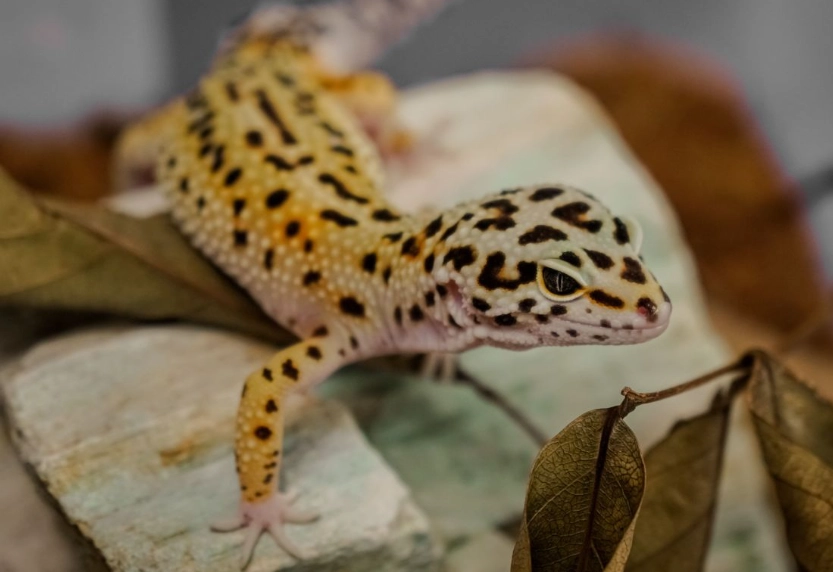
Feeding is where most panic sets in. I've had geckos that refused to eat for days, and it's usually due to stress or improper food size.
What to Feed
Stick to live insects. Crickets, mealworms, and dubia roaches are great options. The rule of thumb: the insect should be no larger than the space between the gecko's eyes. For a baby, that means small crickets or pinhead mealworms.
Always dust the insects with calcium powder containing vitamin D3, and use a multivitamin once a week. Gut-load the insects by feeding them nutritious foods like carrots or commercial gut-load products 24 hours before offering them to your gecko.
How Often to Feed
Feed daily. Offer as many insects as your gecko can eat in 10-15 minutes. For a typical baby, that's about 5-10 small crickets per feeding. If there are leftovers, you're overfeeding—reduce the amount slightly. After 6 months, you can switch to every other day.
Some geckos are picky. If yours refuses food, try different insects or wiggle them with tweezers to simulate movement. Avoid handling before feeding, as stress can kill their appetite.
Health Monitoring and Common Issues
Healthy baby leopard geckos are alert, have clear eyes, and a plump tail. The tail stores fat, so a skinny tail is a red flag.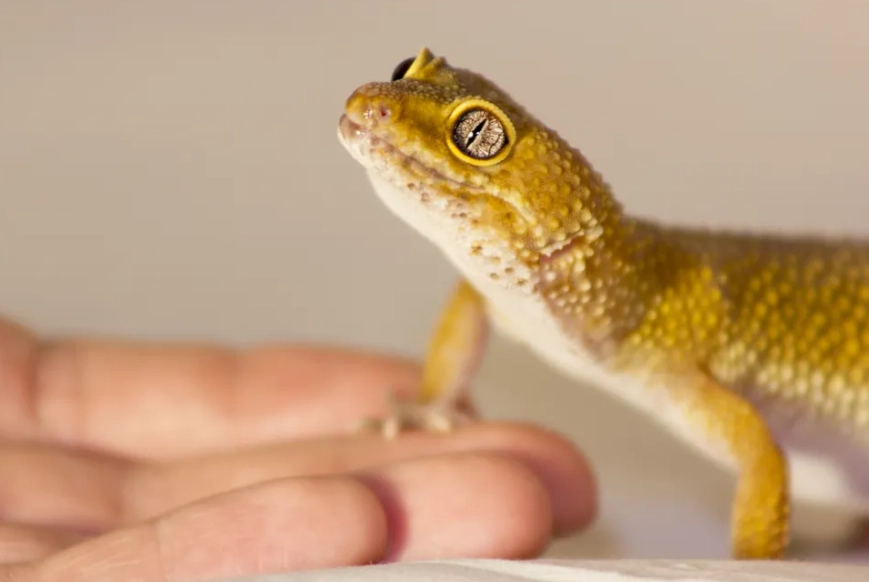
Signs of a Healthy Gecko
- Active at dusk and dawn: They're crepuscular, so don't worry if they're sleepy during the day.
- Regular shedding: They should shed every few weeks. If pieces stick, especially on toes, it can lead to loss of circulation.
- Consistent appetite: Occasional skips are fine, but prolonged refusal needs attention.
Troubleshooting Problems
Metabolic bone disease is common if calcium is lacking—symptoms include soft jaws or limping. Impaction from substrate shows as bloating and no bowel movements. For parasites, watch for weight loss or runny stool.
Quarantine new geckos for 30 days. I learned this the hard way when introducing a new gecko without quarantine led to a mite outbreak. Consult a vet specializing in reptiles if issues persist; the Association of Reptilian and Amphibian Veterinarians has resources to find one.
Handling and Socialization Tips
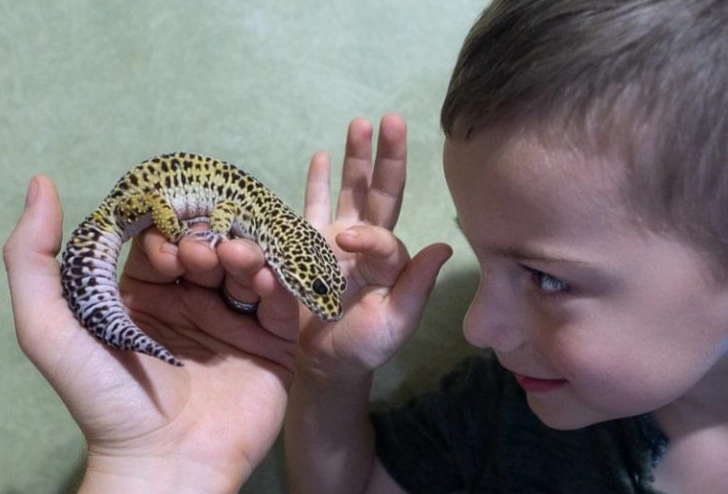
Wait at least 2 weeks after bringing your gecko home before handling. Start with short sessions, 5 minutes max, a few times a week. Scoop them up gently from below—never grab from above, as it mimics predators.
They might tail-drop if scared, which is stressful but not fatal. The tail regrows, but it won't look the same. Handle over a soft surface to cushion falls.
Socialization isn't about cuddling; it's about building trust. Talk softly around the tank so they get used to your voice. Over time, they may even come to the glass when you approach.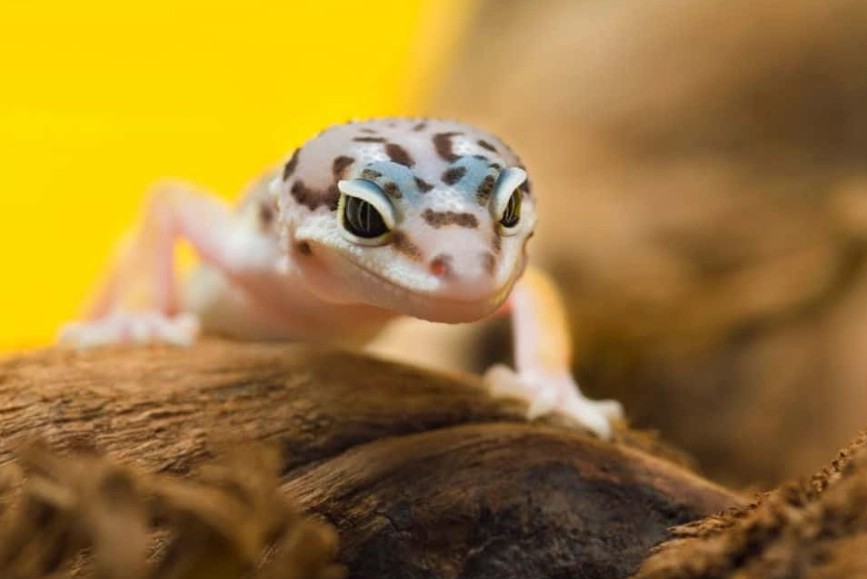
Frequently Asked Questions
 Caring for a baby leopard gecko is a rewarding journey. It's not about perfection, but about observing and adjusting. Start with a solid habitat, feed wisely, and watch for health cues. They can live 15-20 years with proper care, so invest time now for a happy pet later. If you hit a snag, don't hesitate to reach out to reptile communities or vets—there's always help available.
Reader Comments