If you're wondering how often leopard geckos eat, the short answer is: it depends. Mostly on age, but also on size, health, and even the type of food. I've kept leopard geckos for over a decade, and I've seen everything from underfed juveniles to obese adults. Let's cut through the noise and get to what really works.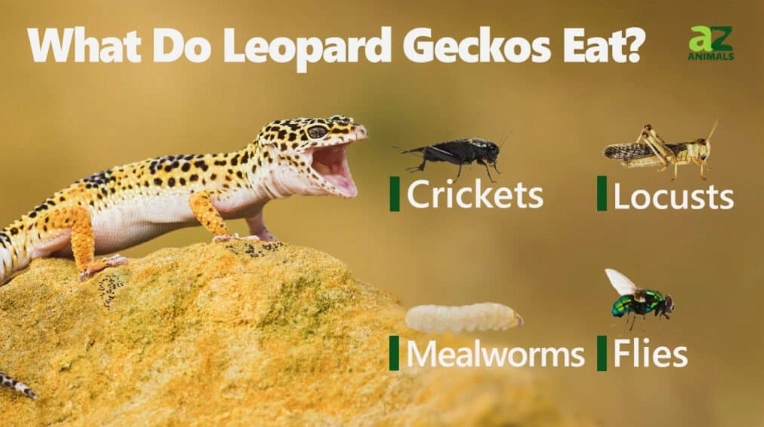
Quick Navigation: What's Inside
How Age Drives Feeding Frequency
Age is the biggest factor. Get this wrong, and you'll either stunt growth or cause obesity. I've rescued geckos from both extremes.
Feeding Juvenile Leopard Geckos (0-12 months)
Juveniles are like teenagers—they eat a lot. They need daily feeding. Offer 5-10 small insects per day, such as pinhead crickets or small mealworms. Their metabolism is high, and they're growing fast. I remember my first juvenile, Spike; he'd eat 8 crickets every evening without fail. If you skip days, they might not get enough calcium for bone development.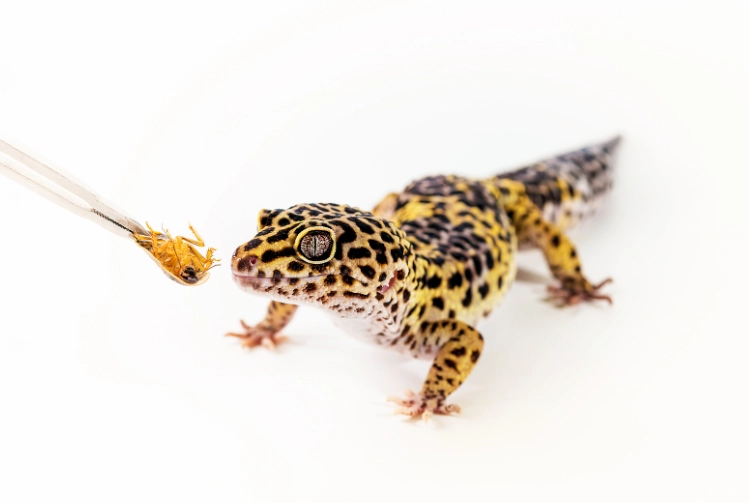
Feeding Adult Leopard Geckos (1 year and older)
Adults slow down. Feed them every 2-3 days. A common myth is that adults need daily meals, but that's how you end up with a fat gecko. I've seen owners proudly show off their gecko's chubby tail, not realizing it's a health risk. For adults, 4-6 appropriately sized insects per feeding session is plenty. Some can even go to every 4 days if they're less active.
| Age Group | Feeding Frequency | Insects per Feeding | Notes |
|---|---|---|---|
| Hatchlings (0-3 months) | Daily | 5-8 small insects | Growth spurts require consistent nutrition |
| Juveniles (4-12 months) | Daily to every other day | 8-10 insects | Adjust based on appetite; monitor weight weekly |
| Adults (1+ years) | Every 2-3 days | 4-6 insects | Reduce if gecko becomes less active or overweight |
| Seniors (7+ years) | Every 3-4 days | 3-5 insects | Metabolism slows; focus on easy-to-digest foods |
Best and Worst Foods for Leopard Geckos
What you feed affects how often you feed. High-fat insects mean less frequent meals. Here's a breakdown from my experience.
Top insect choices:
- Crickets: High in protein, low in fat. Ideal for regular feeding. Gut-load them with veggies for extra nutrients. I buy from reputable suppliers like Josh's Frogs (mentioned as a source, not linked).
- Dubia Roaches: Even better protein-to-fat ratio. They're meatier, so you might feed slightly less often. Some geckos prefer them.
- Mealworms: Okay in moderation. Higher in fat, so limit to 2-3 times a week for adults. I use them as a variety item, not a staple.
Foods to avoid or limit:
- Waxworms: Pure fat. Treat only, once a week max. I've seen geckos become addicted and refuse other foods.
- Superworms: Too large and fatty for regular meals. Can cause impaction if overfed.
- Fruits and Vegetables: Leopard geckos are insectivores. They don't digest plant matter well. Don't waste your time.
Pro tip: Dust insects with calcium powder at every feeding for juveniles, and 2-3 times a week for adults. Vitamin D3 supplements are crucial if you don't use UVB lighting. I learned this the hard way when a gecko developed metabolic bone disease from calcium deficiency.
Creating Your Feeding Schedule: A Step-by-Step Plan
Let's make this practical. Here's how I set up feeding routines for new geckos.
Step 1: Determine age and size. If you're unsure, consult a vet or use weight as a guide. Juveniles weigh under 30 grams, adults over 40 grams. I use a small digital scale.
Step 2: Choose the right insects. Start with crickets or dubia roaches. Variety is good, but keep it simple initially.
Step 3: Set the frequency. Based on the table above. For example, for a 6-month-old juvenile, feed daily with 8 crickets.
Step 4: Monitor and adjust. Watch the gecko's tail. It should be plump but not round. If it's thinning, increase frequency or amount. If it's bulging, cut back. I adjust every two weeks based on visual checks.
Step 5: Record keeping. I keep a simple log: date, insects fed, and observations. It helps spot trends, like reduced appetite before shedding.
Common Feeding Mistakes You Might Be Making
I've made some of these myself early on. Let's avoid them.
Overfeeding adults. This is huge. People think a fat tail means health, but it's like humans carrying extra weight. It leads to lethargy and liver issues. Feed adults less often than you think.
Underfeeding juveniles. Opposite problem. Juveniles need consistent meals. Skipping days can slow growth. I've seen geckos with stunted tails from inconsistent feeding.
Ignoring supplementation. Calcium and vitamins aren't optional. Without them, geckos develop soft bones. I use Repashy Calcium Plus, based on recommendations from reptile care forums.
Feeding at wrong times. Leopard geckos are nocturnal. Feed in the evening when they're active. I feed mine around 7 PM. Daytime feeding often results in uneaten insects.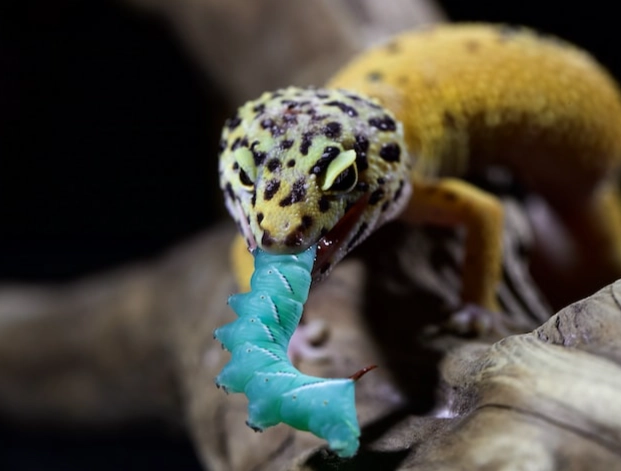
Monitoring Health Through Feeding Habits
How your gecko eats tells a lot about its health. Here's what to watch for.
Loss of appetite: Could mean stress, illness, or shedding. If it lasts more than a week, see a vet. My gecko, Luna, once stopped eating for 5 days during a heavy shed; it was normal.
Overeating: Rare, but if a gecko constantly begs for food, check for parasites or boredom. Provide enrichment like hiding spots.
Weight changes: Weigh monthly. A sudden drop might indicate parasites. I use a kitchen scale; aim for stable weight in adults.
Bowel movements: Healthy poop is firm and dark. Runny or infrequent poop can signal dietary issues. Adjust feeding frequency if needed.
My Personal Leopard Gecko Feeding Routine
I have three leopard geckos: Spike (adult), Ember (juvenile), and Oldie (senior). Here's how I feed them.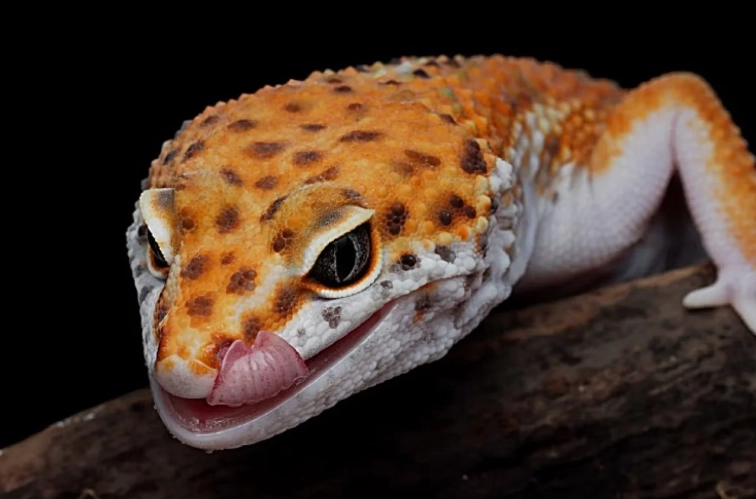
Spike (3 years old): He gets 5 dubia roaches every Monday, Wednesday, and Friday. Sometimes I swap in mealworms on Wednesday. His tail is perfect—plump but not fat. I dust with calcium on Wednesdays and vitamins on Fridays.
Ember (8 months old): Daily feeding with 6 small crickets. She's growing fast, so I monitor her tail weekly. I'll reduce to every other day when she hits 1 year.
Oldie (9 years old): Every 4 days with 3 soft-bodied insects like silkworms. He's slower, so I keep meals light. He sometimes skips meals, and that's okay.
This routine evolved from trial and error. It's not set in stone; I adjust based on their behavior. For example, in winter, they eat less, so I might stretch feedings by a day.
Frequently Asked Questions Answered
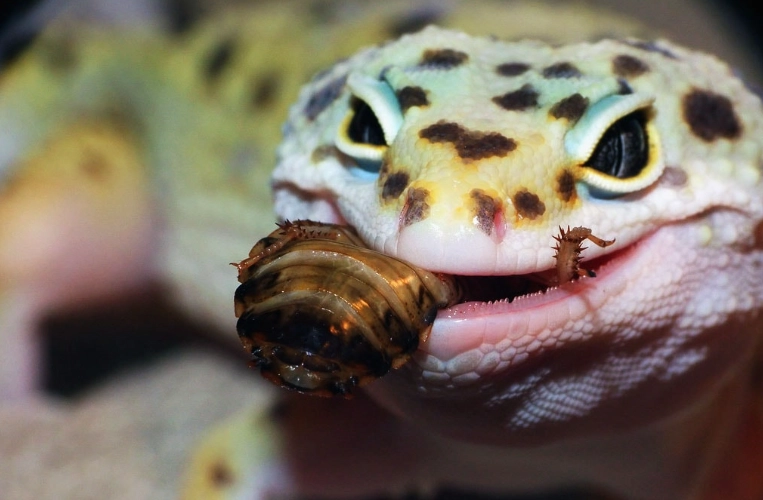 Feeding leopard geckos isn't rocket science, but it does require attention to detail. Start with age-based frequencies, choose nutritious insects, and watch your gecko's cues. I've found that a consistent routine leads to healthier, happier pets. If in doubt, consult a reptile veterinarian or trusted sources like the Association of Reptilian and Amphibian Veterinarians for guidance. Remember, every gecko is unique—what works for mine might need tweaking for yours.
Reader Comments