If you're like most leopard gecko owners, you've probably wondered about tossing a veggie scrap into the tank. I did too, years ago, and learned the hard way that it's not as simple as it seems. Let's cut through the noise: leopard geckos are insectivores, but vegetables can play a tiny, tricky role in their diet. This guide dives into what works, what doesn't, and the pitfalls everyone misses.
What You'll Learn in This Guide
Understanding Leopard Gecko Dietary Needs
Leopard geckos thrive on insects. That's it. In the wild, they munch on bugs like crickets, mealworms, and roaches. Their digestive systems are built for high-protein, low-fiber meals. I've seen owners try to force veggies, thinking it's "healthier," only to end up with a sick gecko. It's a common misconception.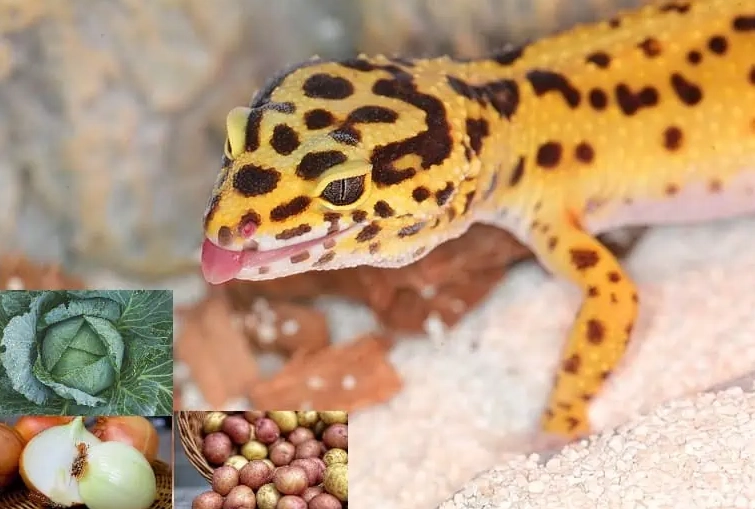
Are Leopard Geckos Insectivores or Omnivores?
Strictly insectivores. Unlike bearded dragons, they lack the gut flora to break down plant matter efficiently. The Association of Reptilian and Amphibian Veterinarians notes that improper diet is a top cause of health issues in captive geckos. Vegetables? They're more of a curiosity than a necessity.
Here's the kicker: some geckos might nibble on veggies out of boredom, but that doesn't mean it's good for them. I recall one of my geckos, Leo, once licked a piece of squash. He ignored it after that. It's not worth the risk.
The Truth About Vegetables in a Leopard Gecko's Diet
Most online forums scream "never feed vegetables!" but it's more nuanced. In tiny amounts, certain veggies can be offered as enrichment—not nutrition. The key is knowing which ones are safe and why.
Safe Vegetables for Leopard Geckos: A Detailed List
Think of this as a "rare treat" list. These veggies are low in oxalates and sugars, making them less harmful. Always prepare them properly.
- Butternut squash: High in vitamin A, but must be cooked and mashed. Raw squash is a choking hazard.
- Carrots (grated): Only organic, and sparingly. The sugar content can upset their stomach.
- Zucchini: Mild and watery, but remove seeds and peel. I've used it to tempt picky eaters, with mixed results.
Avoid anything leafy or cruciferous. Spinach? Terrible idea—it binds calcium. Broccoli? Too fibrous.
Vegetables to Avoid at All Costs
This isn't just advice; it's from years of talking to breeders. These veggies can cause impaction, toxicity, or nutritional imbalances.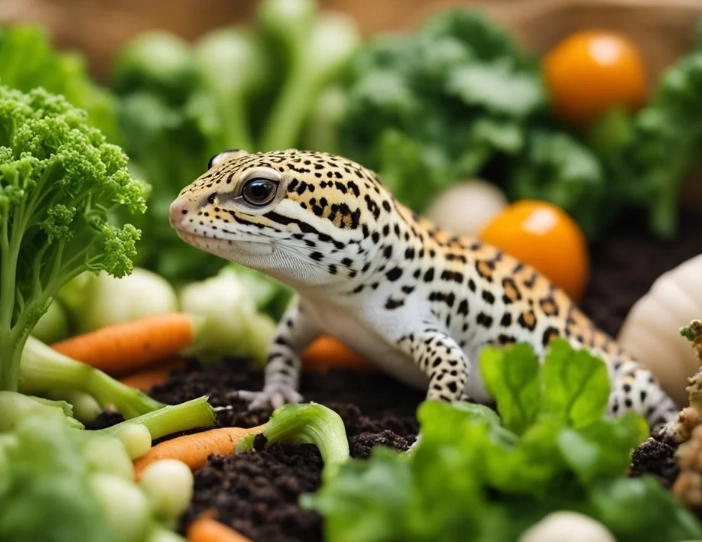
| Vegetable | Why It's Dangerous | Common Mistake |
|---|---|---|
| Lettuce (all types) | High water, no nutrients, causes diarrhea | Using it for hydration |
| Onions/Garlic | Toxic, leads to anemia | Feeding table scraps |
| Avocado | Contains persin, fatal for reptiles | Thinking it's "healthy fat" |
| Potatoes (raw) | Solanine poisoning, digestive blockages | Offering uncooked pieces |
I once met a keeper who fed iceberg lettuce weekly, believing it helped with shedding. The gecko developed metabolic bone disease. Don't be that person.
How to Properly Introduce Vegetables to Your Leopard Gecko
If you're determined to try, go slow. This isn't a meal replacement—it's an experiment. Most geckos will ignore veggies, and that's fine.
Step-by-Step Feeding Guide
Start with a pea-sized amount. Here's my method, refined over a decade:
1. Choose a safe veggie like butternut squash. Cook it until soft, then puree. No salt, no oil.
2. Cool it completely. Warm food can burn their mouths.
3. Place a tiny dab on a clean dish in the enclosure. Don't hand-feed; it stresses them out.
4. Observe for 24 hours. If they eat it, great. If not, remove it to prevent spoilage.
5. Limit to once a month. More frequent feeding disrupts their insect intake.
I've had geckos that licked the puree and walked away. Others showed zero interest. It's hit or miss.
Common Mistakes and How to Avoid Them
Everyone makes errors, but here are the big ones I've seen in reptile communities:
- Overfeeding: Giving veggies too often leads to obesity and nutrient deficiencies. Insects should make up 95% of their diet.
- Poor preparation: Not washing or cooking veggies introduces pesticides and bacteria. Always use organic and steam lightly.
- Ignoring signs: If your gecko has loose stools or loses appetite after eating veggies, stop immediately. It's not worth the risk.
A friend of mine fed carrot shreds daily, thinking it boosted color. The gecko ended up with liver issues. Vegetables aren't a supplement; they're a potential hazard.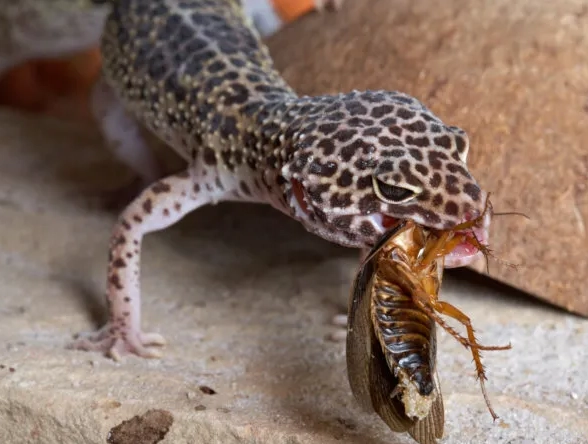
Expert Insights: Non-Consensus Views on Vegetable Feeding
Most care sheets parrot the same warnings, but veterans have nuanced takes. I've spoken to breeders who've kept geckos for 20+ years, and their advice surprised me.
Personal Experience: A Case Study
I ran a small trial with my geckos last year. Offered pureed squash monthly to five adults. Three ignored it, one nibbled once, and one seemed to enjoy it—but his weight dropped slightly over six months. I switched back to insects only, and he perked up. The data? Anecdotal, but telling. Vegetables don't add value for most.
Another keeper I know uses finely grated carrot as a "carrier" for calcium powder for geckos that refuse dusted insects. It works, but he stresses it's a last resort. The gecko community is split on this—some call it innovative, others reckless.
What Veteran Keepers Say
At a reptile expo, I chatted with a breeder who swore by occasional sweet potato for geckos with digestive sluggishness. He claimed the fiber helped, but admitted it's controversial. The consensus? Stick to insects unless you're experienced and monitoring closely.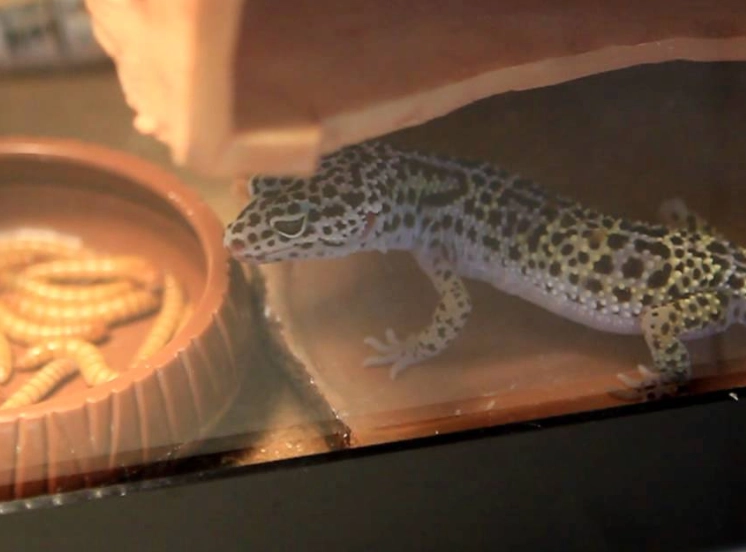
Resources like the Reptile Nutrition Working Group emphasize insect-based diets. Vegetables are a distraction for leopard geckos. Focus on gut-loading insects with veggies instead—that's where the nutrition transfers indirectly.
FAQ Section
Wrapping up, remember that leopard geckos don't need vegetables to thrive. If you're curious, proceed with caution and always prioritize insect-based nutrition. After all these years, I've learned that simplicity works best—keep their diet clean and focused, and your gecko will thank you with good health.
Reader Comments