Quick Guide
- What Exactly Is a Wooden-tailed Gecko?
- Setting Up the Perfect Wooden-tailed Gecko Habitat
- Feeding Your Wooden-tailed Gecko: Not Just Crickets
- Understanding Wooden-tailed Gecko Behavior and Temperament
- Common Health Issues and How to Spot Them
- Breeding Wooden-tailed Geckos
- Your Wooden-tailed Gecko Questions, Answered
Let's be honest, you probably saw a picture online. A little lizard with a tail that looks like it's made of bark, clinging to a branch with those perfect little toes, eyes that seem to hold ancient secrets. The Wooden-tailed gecko (*Tarentola mauritanica* to its scientist friends) has that kind of magic. It's not the flashiest gecko out there, but it has a quiet, rugged charm that really grows on you. I remember the first time I saw one in person at a reptile expo years ago. I was browsing past the neon-colored cresties and the always-popular leopard geckos, and there it was, in a simple setup. It wasn't trying to get my attention. It just was. And that's when I got hooked.
But here's the thing everyone forgets to mention right away: that incredible camouflage comes with a personality to match. This isn't always a hands-on, sit-on-your-shoulder kind of pet. If you're looking for constant interaction, you might find them a bit… aloof. But if you appreciate observing a fascinating, low-maintenance creature that's a master of its environment, then buddy, you're in the right place.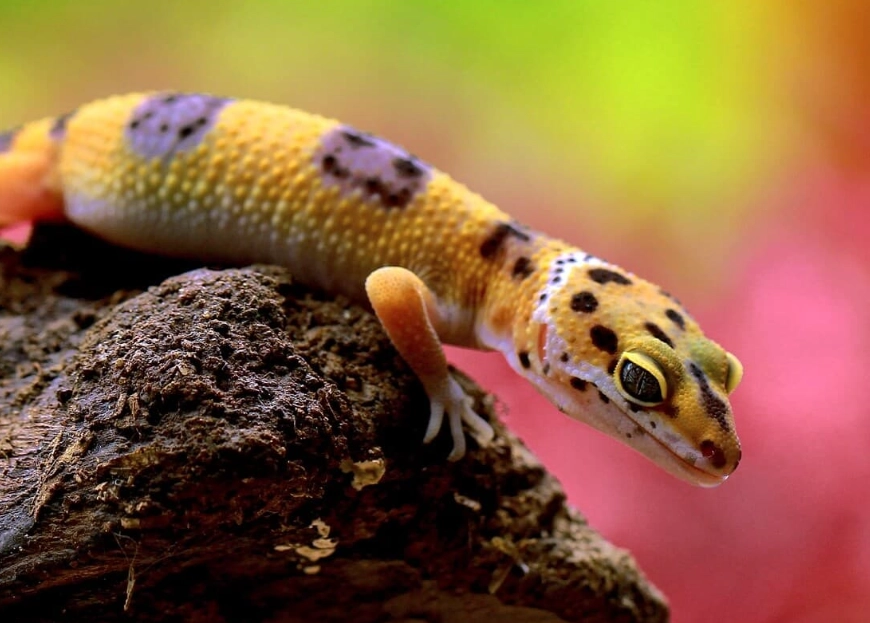
Quick Reality Check: The Wooden-tailed gecko is often labeled "beginner-friendly." I think that's only half true. Their care is straightforward if you get the basics right, but they're also escape artists and can be surprisingly fast. A true beginner might be better off with something a bit more predictable. Just my two cents.
This guide isn't going to sugarcoat anything. We're going to dig into everything—from setting up a home they'll actually thrive in, to what they really eat, to those weird little behaviors that make you scratch your head. I'll share what's worked for me, what hasn't, and point you to the actual experts when we need to.
What Exactly Is a Wooden-tailed Gecko?
First off, let's clear up the name. "Wooden-tailed" is the common name that sticks, and it's a perfect description. But you might also hear them called Moorish geckos, Crocodile geckos, or just the common wall gecko. They're native to the Mediterranean region—think southern Europe and North Africa. They've also been introduced to places like Florida and California, where they've made themselves quite at home.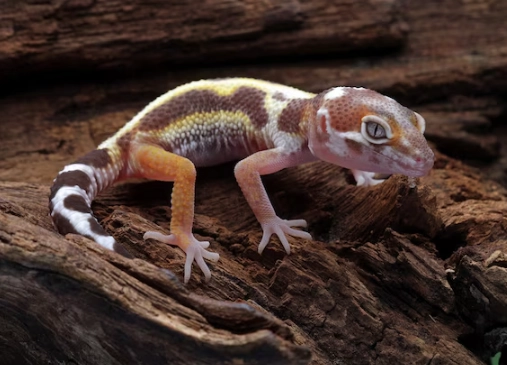
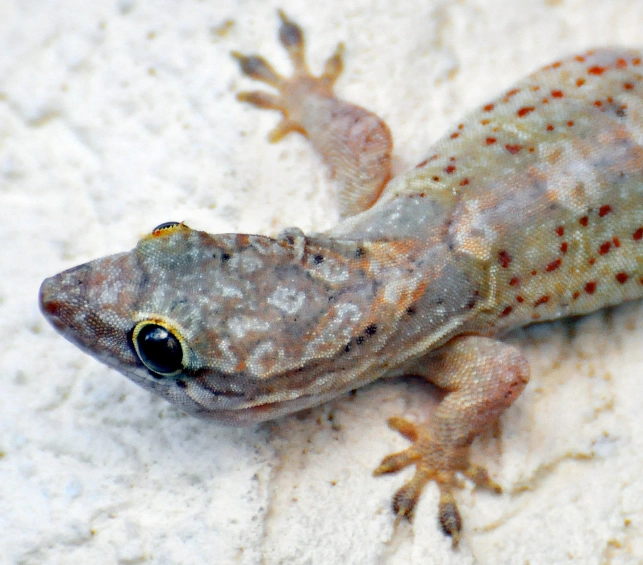
Their claim to fame is their skin. It's covered in raised, bumpy tubercles that feel rough, almost like very fine sandpaper. This texture, combined with their usual grey, brown, or tan coloration, lets them vanish against stone walls, tree bark, and rocky outcrops. It's not just the tail; the whole body has this amazing, cryptic look. Their eyes are another standout feature—usually a golden or bronze color with a vertical pupil, perfect for their nocturnal lifestyle.
Size-wise, they're a nice mid-range gecko. Adults typically reach about 6 to 7 inches (15-18 cm) from snout to tail tip. Males tend to be slightly more robust and have a broader head and a more pronounced bulge at the base of the tail (the hemipenal bulges). Females are often a bit more streamlined.
Fun fact I learned the hard way: Their color can change! It's not as dramatic as a chameleon, but a Wooden-tailed gecko can lighten or darken its skin tone based on temperature, mood, and time of day. Don't panic if yours looks a bit paler in the morning—it's probably just warming up.
Taxonomically, they're in good company. If you're into the science, resources like the Reptile Database have the full breakdown on their classification. For conservation status, the IUCN Red List classifies them as Least Concern, which is good news—they're a stable species in the wild.
Setting Up the Perfect Wooden-tailed Gecko Habitat
This is where most mistakes happen. People think, "It's a tough gecko, it can handle anything." Well, it can handle a lot, but why not give it the best? A proper setup prevents stress, illness, and those infamous escape attempts.
The Enclosure: Size and Security
For a single adult Wooden-tailed gecko, a 20-gallon tall tank is the absolute minimum I'd recommend. A 30-gallon breeder or an 18x18x24 inch front-opening terrarium is even better. They use vertical space more than you'd think. Height is your friend.
Now, about lids. Listen carefully: SECURE THE LID LIKE YOUR GEKKO'S LIFE DEPENDS ON IT. Because it does. These guys are strong for their size and can pry surprisingly heavy things. A front-opening tank with a locking mechanism is ideal. For a standard aquarium, a heavy-duty screen lid with sturdy clips is non-negotiable. I learned this after a 3 a.m. living room chase. Not fun.
Climate Control: Heat, Light, and Humidity
Wooden-tailed geckos aren't tropical. They're from a Mediterranean climate. This means warm, dry days and cooler nights.
Temperature: You want a gradient. Create a warm basking area on one side of the tank, around 85-90°F (29-32°C). The cool side should drop to about 70-75°F (21-24°C). At night, it's perfectly fine for the temp to dip into the mid-60s°F (18-20°C). This mimics their natural environment and is actually beneficial. Use an under-tank heater on the warm side or a low-wattage ceramic heat emitter or deep heat projector overhead. Always, always use a thermostat to control any heat source. A simple digital thermometer/hygrometer at each end of the tank will keep you informed.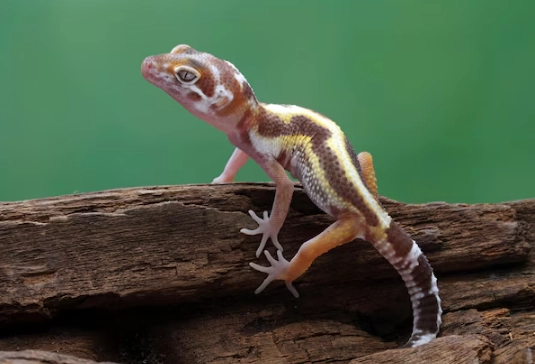
Lighting: They don't require special UVB lighting to survive, as they are primarily nocturnal. However, more and more keepers (myself included) are providing low-level UVB (like a 5.0 or 7% UVB tube) for a few hours a day. The thinking is that while they hide during the day, they may still benefit from ambient UV for calcium metabolism and overall well-being. It's not a strict requirement, but it's a good practice. A standard low-output LED light on a 12-hour cycle works fine for a day/night rhythm.
Humidity: Keep it low. Aim for 40-50% relative humidity. They are arid-adapted. High humidity can lead to nasty skin and respiratory infections. A light misting of the cool side of the tank once every other day is usually plenty. They'll drink the droplets. A small, shallow water dish should always be available, but don't expect them to use it often.
Watch Out: Avoid using heat rocks or hot lamps without a guard. Wooden-tailed geckos have sensitive skin on their bellies and can get thermal burns easily. Over-misting is another common rookie mistake that leads to a damp, moldy tank.
Furnishing Their Home (The Fun Part)
This is where you can get creative and make a beautiful display. Think rocky, arid scrubland.
- Substrate: Go simple and safe. Paper towel is foolproof for beginners. For a more natural look, a mix of topsoil and playsand (70/30 ratio) works well, or a commercial arid reptile substrate. Avoid cedar, pine, or anything overly dusty. Loose substrates are fine as long as feeding is done carefully (more on that later).
- Hides: At least two—one on the warm end, one on the cool end. Use cork bark rounds, half logs, or commercial reptile hides. They love tight, secure spaces.
- Climbing: This is crucial. Provide lots of vertical and diagonal climbing surfaces. Cork bark flats attached to the back and sides, sturdy branches, and artificial rock backgrounds are perfect. The more climbing opportunities, the happier your Wooden-tailed gecko will be.
- Bioactive Option: A bioactive arid setup with clean-up crews (like dwarf white isopods) can work wonderfully for a Wooden-tailed gecko enclosure. It helps break down waste and creates a more stable mini-ecosystem. It's a bit more work to set up initially but can be very rewarding and low-maintenance in the long run.
Here’s a quick checklist for your shopping list:
| Item | Specifics & Recommendations | Why It's Important |
|---|---|---|
| Enclosure | 20-gallon tall minimum, front-opening preferred | Provides adequate space and secure access |
| Heating | Under-tank heater or ceramic emitter + thermostat | Creates essential thermal gradient |
| Lighting | Low-output LED for day/night cycle (optional low UVB) | Regulates circadian rhythm |
| Substrate | Paper towel, soil/sand mix, or arid reptile bedding | Safe flooring, allows for natural digging/borrowing |
| Hides & Climbing | Cork bark, branches, rock structures (securely placed) | Security and enrichment; utilizes vertical space |
| Monitoring | Two digital thermometer/hygrometers | Allows you to track the gradient and humidity accurately |
Feeding Your Wooden-tailed Gecko: Not Just Crickets
These guys are insectivores through and through. In the wild, they're opportunistic hunters of anything small and wiggly. In captivity, variety is the spice of life—and the key to good health.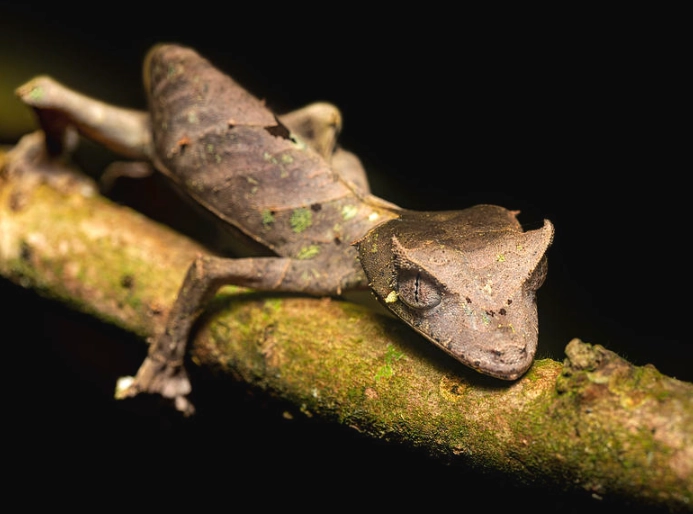
Staple Diet and Schedule
Adult Wooden-tailed geckos should be fed every 2-3 days. Juveniles need daily feeding. Offer as many appropriately-sized insects as they will eat in about 15 minutes. A good rule of thumb: no insect wider than the space between the gecko's eyes.
What's on the menu? Here's a ranked list of my go-to feeders:
- Crickets: The classic. They're nutritious and encourage hunting behavior. But they stink if left uneaten and can bite your gecko. Always remove uneaten crickets.
- Dubia Roaches: My personal favorite. More meat, less chitin (shell), no noise, no smell. They can't climb smooth surfaces, so they're less likely to escape in the tank. A superior staple if you can get them.
- Discoid Roaches: A great alternative to Dubias, especially in areas where Dubias are restricted.
- Black Soldier Fly Larvae (Calciworms/BSFL): Fantastic as a regular feeder. They're high in calcium and have a good protein-to-fat ratio.
- Mealworms & Superworms: Use these sparingly, as treats. They're higher in fat and chitin. Too many can cause impaction. I might offer one or two once a week.
What about fruits or veggies? Nope. Wooden-tailed geckos don't eat plant matter. Their digestive systems aren't built for it. All their nutrition comes from gut-loaded insects.
The Non-Negotiables: Gut Loading and Supplementation
This is the most important part of feeding that most people overlook. You are what you eat, and your gecko is what its food eats.
- Gut Loading: 24-48 hours before feeding insects to your gecko, feed the insects a nutritious diet. Use commercial gut load formulas, fresh veggies like carrots, sweet potato, and leafy greens. This packs the insects with vitamins that get passed on.
- Dusting: Every single feeding, you need to dust the insects with a calcium supplement. I use a plain calcium powder (without Vitamin D3) for most feedings. Then, once or twice a week, I swap that for a calcium powder with D3 or a multivitamin powder. This schedule prevents Metabolic Bone Disease (MBD), a crippling and sadly common illness in reptiles.
See that little gecko licking its eyes? That's how it cleans them. It's also how it gets the calcium dust off its snout after eating—bonus hydration and nutrients!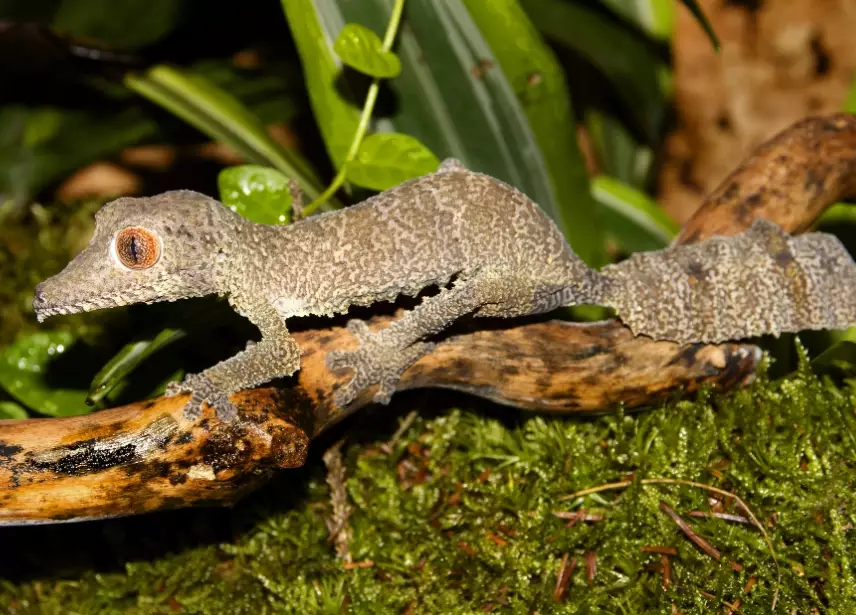
Understanding Wooden-tailed Gecko Behavior and Temperament
This is where you learn to read your pet. They communicate through posture and action.
First, they are primarily nocturnal and crepuscular (active at dawn/dusk). Don't expect to see much movement during the day. They'll be tucked away in their favorite hide. Come evening, they become little explorers, climbing every surface, hunting, and patrolling their territory.
They are generally solitary. Housing multiple Wooden-tailed geckos together is risky. Males will fight, often to the death. A male and female will breed constantly, stressing the female. Two females might cohabitate in a very large, heavily furnished tank, but it's not worth the potential stress and competition for resources. I recommend keeping them solo.
Handling: Setting Realistic Expectations
Will a Wooden-tailed gecko ever be "cuddly"? Probably not. Most are tolerants of handling at best. Some never enjoy it. The goal should be a gecko that is calm and confident in your presence, not necessarily in your hand.
Start slow. Let it settle into its new home for a full week without disturbance. Then, just sit by the tank during its active hours so it gets used to your presence. When you do start handling, do it close to the ground over a soft surface. Be gentle but confident. Support its whole body. If it gets skittish or starts tail-vibrating (a sign of irritation), put it back. Short, positive sessions are key.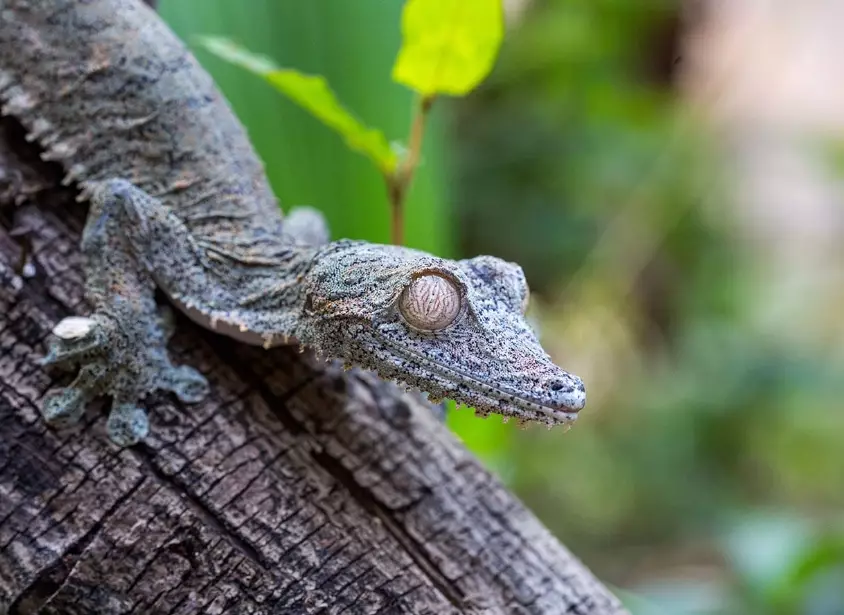
And about that tail…
The Tail Truth: Yes, Wooden-tailed geckos can drop their tails (autotomy) if they feel severely threatened or if it's grabbed. The dropped tail will wiggle to distract a predator. The gecko will survive, and it will regrow. But the new tail will look different—often smoother, shorter, and a single color. It's a last-ditch defense mechanism. The best practice? Never grab your gecko by the tail, and try to minimize situations where it feels the need to drop it.
Common Health Issues and How to Spot Them
A healthy Wooden-tailed gecko is alert (at night), has clear, bright eyes, a plump tail (its fat reserve), and a well-rounded body. It should shed its skin in complete pieces. Here's what to watch out for:
- Metabolic Bone Disease (MBD): The big one. Symptoms include a soft or rubbery jaw, bowed legs, tremors, difficulty climbing, and lethargy. Prevention: Proper calcium/dusting schedule and correct UVB lighting.
- Stuck Shed: Especially around the toes and tail tip. Dry skin can constrict and cut off circulation, leading to toe loss. Prevention: Ensure a proper humidity gradient and provide a rough surface (like cork) to rub against. For bad sheds, a humid hide packed with damp sphagnum moss works wonders.
- Parasites: Weight loss despite eating, runny or foul-smelling stools, lethargy. Requires a vet visit for a fecal exam and medication.
- Respiratory Infection: Wheezing, mucus around the nostrils or mouth, open-mouth breathing. Often caused by temperatures that are too cold or humidity that is too high.
- Impaction: A blockage in the gut, often from eating loose substrate or too many hard-shelled insects. Symptoms include lack of appetite, bloating, and no bowel movements. Prevention: Feed in a shallow dish or on a flat surface if using loose substrate.
The single best thing you can do is find a qualified reptile/exotic veterinarian before you have an emergency. A yearly check-up is a great idea.
Breeding Wooden-tailed Geckos
This is a topic for a dedicated guide, but here's the gist. Breeding requires very healthy, well-established adults. It often involves a cooling period (brumation) in the winter to simulate seasonal changes, followed by reintroduction in the spring. Females will lay clutches of two hard-shelled eggs, often burying them in a moist substrate. Incubation takes about 45-60 days at stable temperatures.
It's a serious commitment, as you need to be prepared to house and care for the hatchlings separately. For most pet owners, I'd suggest just enjoying your single, fascinating Wooden-tailed gecko.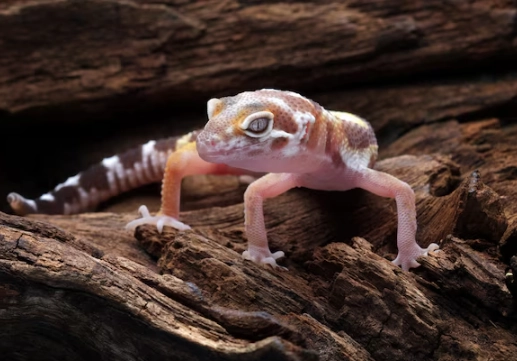
Your Wooden-tailed Gecko Questions, Answered
At the end of the day, keeping a Wooden-tailed gecko is about appreciating a small, perfectly adapted piece of the natural world. It's not the most interactive pet, but there's a deep satisfaction in creating a slice of Mediterranean hillside in your home and watching a master of camouflage go about its business. Get the basics right—security, heat, and proper nutrition—and you'll have a hardy, fascinating companion for years to come. Just remember to check that lid twice.
Reader Comments