Quick Guide to Key Sections
- What Exactly Is a New Caledonian Bearded Lion Gecko?
- Thinking of Getting One? The Complete Care Blueprint
- Behavior, Personality, and Handling Expectations
- Health and Wellness: Spotting Trouble Early
- Breeding New Caledonian Bearded Lion Geckos
- Common Questions (The Stuff You're Actually Searching For)
- Final Thoughts: Is This the Gecko for You?
Okay, let's be real. The first time I heard "New Caledonian bearded lion gecko," I thought someone was pulling my leg. It sounds like a creature from a fantasy novel, not something you could actually keep in a terrarium. But then I saw one at a reptile expo, and I was completely hooked. That face! It's got this prehistoric, almost dragon-like look, with a subtle "beard" of scales under its chin and a stocky build that feels more substantial than your average gecko. It wasn't long before I was diving down the rabbit hole, trying to learn everything about this fascinating lizard, which most serious keepers know by its scientific name: Rhacodactylus chahoua (pronounced rack-oh-DACK-ty-lus cha-HOO-ah).
If you're here, you've probably seen a picture or video and fallen down the same rabbit hole. Maybe you're wondering if this is the right pet for you, or maybe you've just brought one home and are panicking about getting everything right. I've been there. This guide is the one I wish I had when I started—a no-nonsense, detail-packed look at everything from their quirky biology to the nitty-gritty of daily care, warts and all.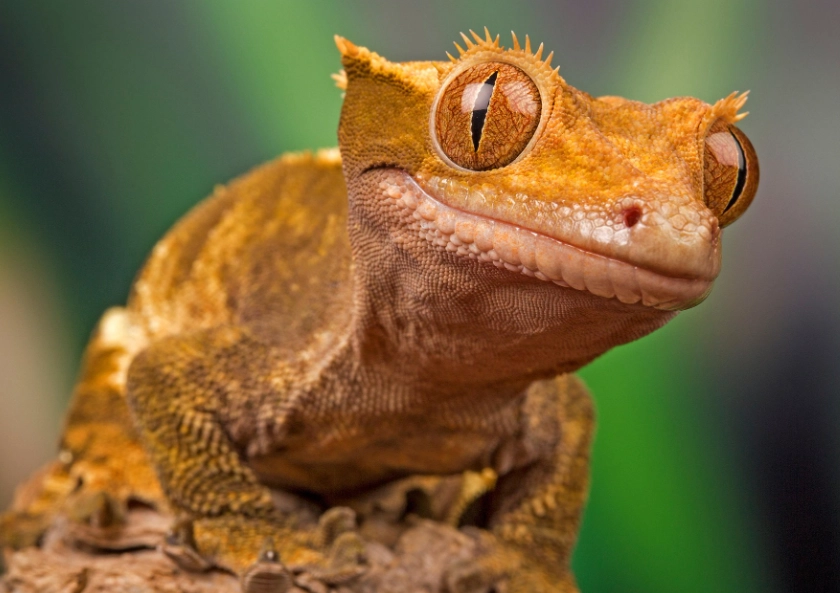
What Exactly Is a New Caledonian Bearded Lion Gecko?
Let's clear up the name first. "New Caledonian" tells you where it's from—a group of islands in the South Pacific east of Australia. "Bearded lion gecko" is a common name that's gained traction, especially online, but in hobbyist circles, you'll more often hear "Chahoua" (from its species name) or "Mossy Prehensile-tailed Gecko," which describes its awesome camouflage and tail perfectly. It's one of several amazing geckos from New Caledonia, like the famous Crested Gecko (Correlophus ciliatus).
So, what makes it special? Imagine a gecko built like a tiny, sturdy dragon. They have large, expressive eyes, a broad head, and that distinctive "beard"—a row of enlarged, spiny scales along the lower jaw that can puff out a bit. Their skin texture is incredible; it can range from smooth to quite bumpy, and their color is a masterclass in camouflage—mottled greens, browns, reds, and greys that look just like moss or lichen-covered bark. It's a stunning adaptation to their rainforest home.
Honestly, their camouflage is so good, you'll sometimes lose them in their own enclosure.
The most reliable source for confirming the scientific classification and relationships of reptiles like this is the Reptile Database, a globally recognized taxonomic resource. According to their listing for Rhacodactylus chahoua, it's a well-established species within a unique island lineage.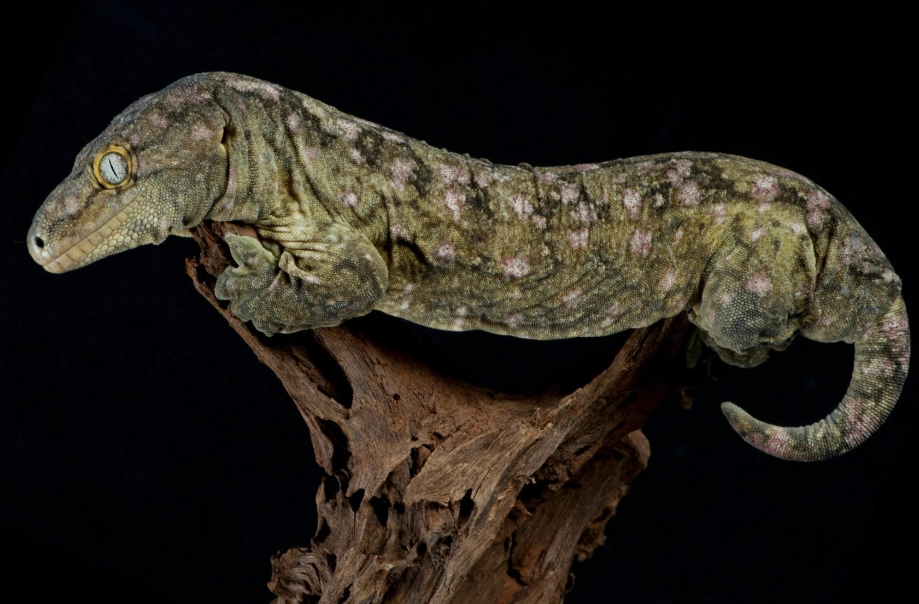
Island Life: Where They Come From and Why It Matters
You can't really understand how to care for a New Caledonian bearded lion gecko without understanding where it lives. These guys are arboreal, meaning they live in trees. They're from the humid, dense rainforests of New Caledonia. This isn't a dry, desert-dwelling gecko. Their entire physiology—from their need for moisture to their preference for cooler temperatures than many popular reptiles—is shaped by that environment.
The IUCN Red List of Threatened Species is the global authority on conservation status. While specific population data can be limited, understanding the conservation context of their native habitat is crucial for ethical pet keeping. New Caledonia is a biodiversity hotspot, which makes sustainable captive breeding incredibly important.
In the wild, they'd spend their nights climbing through the canopy, hunting insects, and licking nectar and fruit. Their prehensile tail acts as a fifth limb, gripping branches tightly. This is key for your setup—they need height and things to climb, not a long, shallow tank.
Thinking of Getting One? The Complete Care Blueprint
This is the meat of it. Caring for a Rhacodactylus chahoua isn't overly complicated, but it does require getting specific things right. Cutting corners usually leads to stress, sickness, and a shortened lifespan. Let's break it down.
Housing: Building a Miniature Rainforest Canopy
For a single adult New Caledonian bearded lion gecko, the absolute minimum enclosure size is an 18"x18"x24" tall terrarium. But honestly, minimums are just that—the bare minimum. I'd recommend going bigger if you can, like a 24"x18"x36". They use every bit of vertical space. Screen tops are great for ventilation, which is vital to prevent stagnant, moldy air.
Substrate: This is the layer at the bottom. You want something that holds humidity but doesn't stay soggy. A simple, effective mix is organic topsoil (with no fertilizers or pesticides), coconut fiber, and a bit of sphagnum moss. This allows for live plants, which are a fantastic addition. Avoid cedar or pine shavings—the oils are toxic.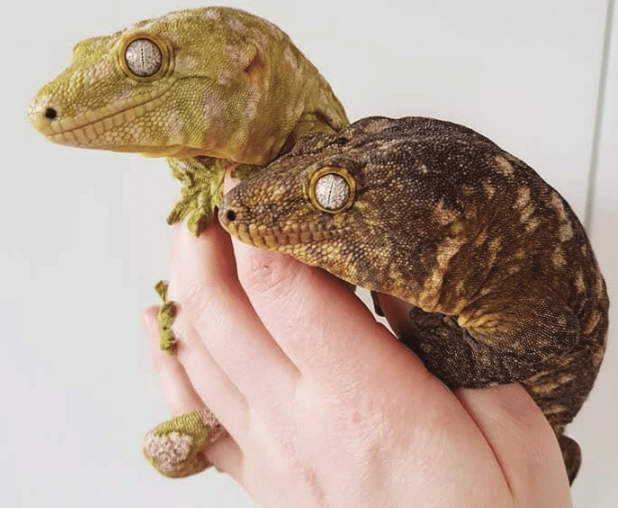
| Substrate Option | Pros | Cons | Best For |
|---|---|---|---|
| Bioactive Mix (Soil/Coco Fiber) | Natural, holds humidity, supports plants & clean-up crew. | Can be messy, requires setup. | Keepers wanting a natural, low-maintenance ecosystem. |
| Paper Towel/Newspaper | Extremely cheap, easy to spot-clean. | Looks terrible, doesn't hold humidity. | Quarantine periods or temporary setups. |
| Coconut Fiber (Coir) Bricks | Holds moisture well, inexpensive. | Can be dusty when dry, may stick to food. | A simple, functional choice. |
Decor and Furniture: Think vertical. You need lots of branches, cork bark tubes, and vines arranged at different angles and heights. Provide multiple hiding spots at various levels—cork bark flats against the glass, dense foliage, or commercial reptile hides. Live plants like Pothos, Snake Plants, and Bromeliads are tough and add humidity. Fake plants work too, just make sure they're clean and secure.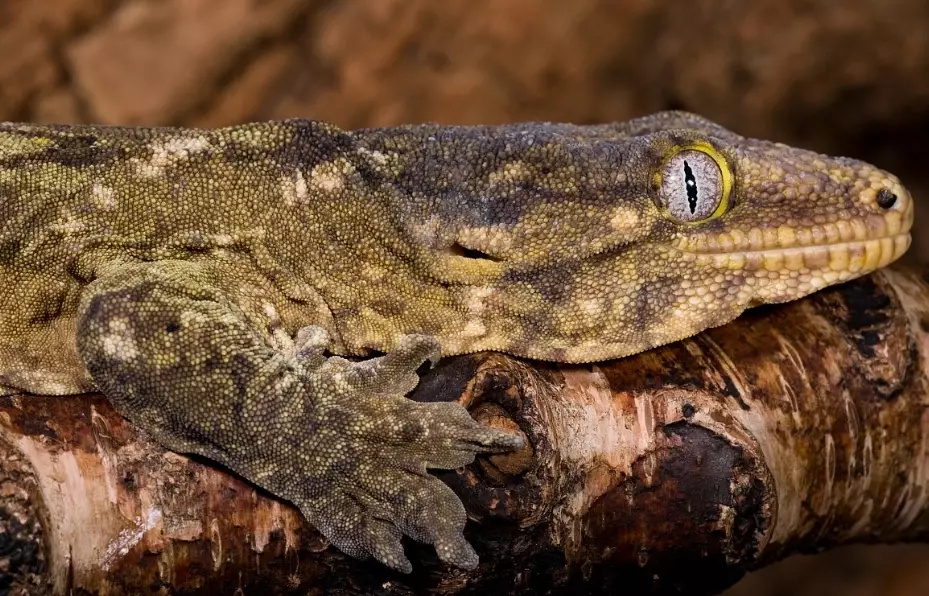
Climate Control: Humidity and Temperature Are Non-Negotiable
This is where many new keepers slip up. The New Caledonian bearded lion gecko needs a distinct day/night cycle and moisture cycle.
- Temperature: Keep the daytime ambient temperature between 72-78°F (22-26°C). A small basking spot can reach 80-82°F (27-28°C) at the very top of the enclosure, but it's not strictly necessary. More importantly, they need a temperature drop at night. Let it fall to 65-70°F (18-21°C). Avoid heat mats under the tank—they don't heat the air well and can burn a gecko burrowing to get away from the heat.
- Humidity: This is crucial. Aim for 60-70% humidity during the day. At night, you want a significant spike—mist the enclosure heavily in the evening to get humidity up to 80-100%. This mimics the natural dew and rain of their forest. Let it dry back down during the day. A digital hygrometer (humidity gauge) is a must-have. Don't guess.
What Do You Feed a Bearded Lion Gecko?
One of the best things about these geckos is their diet. They're omnivores, which makes feeding easier and more varied than for a strict insectivore.
- Prepared Diets (The Staple): This is the cornerstone. Commercial powdered diets like Repashy Superfoods "Crested Gecko Diet" or Pangea's "Fig & Insects" formula are fantastic. You mix them with water to a ketchup-like consistency. These are nutritionally complete, containing fruit, insects, vitamins, and minerals. Offer this fresh every other night. My guy goes crazy for the Pangea with Insects flavor.
- Live Insects (The Supplement): Once or twice a week, offer gut-loaded insects. "Gut-loading" means feeding the insects nutritious food 24-48 hours before offering them. Good options are crickets, dubia roaches, and black soldier fly larvae. Dust them with a calcium supplement (without D3 if your prepared diet contains it). Don't overdo insects—it can lead to obesity.
- Occasional Treats: You can offer small amounts of mashed ripe fruit like banana, mango, or papaya as a rare treat. But the prepared diets are so good, this isn't necessary.
Feed in the evening. Remove uneaten prepared diet in the morning to prevent spoilage. A shallow bottle cap or small feeding ledge works great.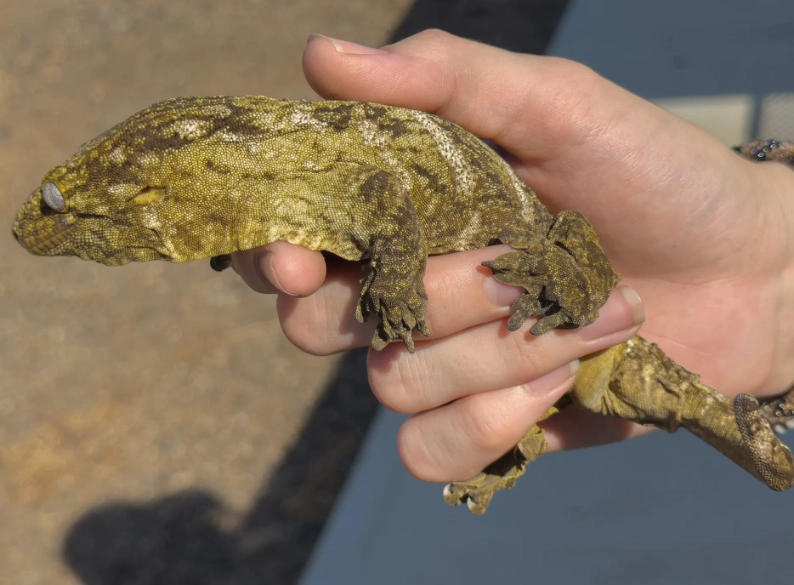
Behavior, Personality, and Handling Expectations
Let's manage expectations. The New Caledonian bearded lion gecko is not a dog, or even a bearded dragon. It's a mostly nocturnal, prey animal that can be skittish. Some individuals are calmer than others, but they are generally not "cuddly."
They are fascinating to observe. At night, you might see them slowly patrol their territory, lick surfaces for moisture, or make impressive jumps (they are good jumpers!). They communicate with little chirps or clicks, especially if startled or interacting with another gecko.
Handling? It's possible, but on their terms.
If you want a handleable pet, you need to build trust slowly over months. Start by just putting your hand in the tank without touching them. Let them get used to your presence. Eventually, you can let them walk onto your hand. Never grab them from above—that's how a predator would attack. Support their whole body. Keep handling sessions short (5-10 minutes), infrequent, and always close to the ground over a soft surface in case they jump. Some may never truly enjoy it, and that's okay. Their beauty is in their natural behavior.
Health and Wellness: Spotting Trouble Early
A healthy New Caledonian bearded lion gecko should have clear, bright eyes, a plump tail (their fat store), and be alert. They should shed their skin in one complete piece. Here are red flags:
- Stuck Shed: Especially on toes and tail tip. Caused by low humidity. Can constrict blood flow and lead to loss of the digit or tail. Soak in shallow lukewarm water and gently roll it off with a damp Q-tip.
- Weight Loss/Thin Tail: The tail should be nice and thick. A skinny tail means they're not eating enough. Could be stress, illness, or incorrect temps.
- Lethargy During Active Hours: If they're super sluggish at night when they should be active.
- Labored Breathing, Mouth Gaping, Mucus: Signs of a respiratory infection, often from poor ventilation or cold, damp conditions.
- Lumps or Bumps: Could be an abscess or, in females, being egg-bound.
The single best thing you can do is find a qualified exotic veterinarian who sees reptiles before you have an emergency. Annual check-ups are a good idea. Don't rely on internet forums for diagnosing serious illness.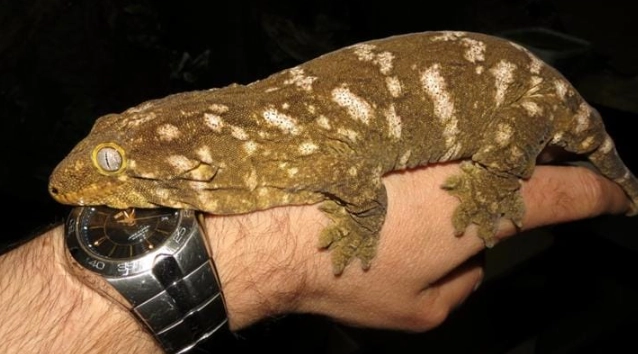
Breeding New Caledonian Bearded Lion Geckos
This is an advanced topic, but many are curious. Breeding should only be attempted if you are prepared to house and care for multiple animals and have homes lined up for the offspring. Here's a super condensed overview:
You need a proven healthy pair (or trio with one male). Introduce the female to the male's enclosure. Mating can be rough—the male bites the female's neck. After mating, the female will lay two leathery eggs about 30-45 days later. They often glue them to a surface inside a hide. You must carefully remove the eggs and incubate them in a separate, sealed container with a moist incubation medium (like vermiculite) at a stable 72-78°F (22-26°C).
At this temperature, they hatch in 60-120 days. Hatchlings can be kept in small, simple setups and fed the same prepared diets. They grow slowly, taking 18-24 months to reach maturity.
Common Questions (The Stuff You're Actually Searching For)
Final Thoughts: Is This the Gecko for You?
The New Caledonian bearded lion gecko, the Chahoua, is an incredible animal. It's a living piece of evolutionary art from a remote island. But it's not for everyone.
You'll love it if: you enjoy creating beautiful, naturalistic terrariums; you find observing natural behavior more rewarding than constant handling; you're detail-oriented and don't mind monitoring humidity; and you're captivated by their unique, prehistoric beauty.
You should think twice if: you want a handleable, daytime-active pet; you're on a tight budget (the gecko itself, the tall enclosure, and supplies add up); you travel frequently and can't maintain the daily/evening misting and feeding; or you get easily frustrated by finicky eaters.
For me, the work is worth it. There's nothing like turning on a red light at night and seeing my mossy-looking friend emerge from his cork bark tube, slowly stretch, and start his nightly patrol. It's a little window into a rainforest halfway across the world. If you do your research, set up correctly from the start, and respect them for the wild creatures they are, a New Caledonian bearded lion gecko can be an unbelievably rewarding pet for decades to come.
Just remember—start right. A healthy, well-cared-for Rhacodactylus chahoua is a joy. A stressed, sick one is a heartbreak. The choice, and the responsibility, is yours.
Reader Comments