Let's cut straight to the point. You're probably here because you've seen pictures of multiple scorpion-tailed geckos (Paroedura picta) in one beautiful, planted terrarium online, or you're trying to save space and money. The idea of a little colony is appealing. I get it. I've been keeping and breeding Madagascar ground geckos for over a decade, and I've made almost every mistake you can think of. So here's the raw, unfiltered truth about scorpion-tailed gecko cohabitation: it's a high-stakes gamble that most experienced keepers actively avoid.
This isn't your typical care sheet that vaguely says "not recommended." We're going to dissect exactly why it's risky, expose the subtle signs of trouble most beginners miss, and outline the only scenarios where temporary cohabitation might be considered—and how to do it with your eyes wide open.
What You'll Learn in This Guide
The Risks of Cohabitation: Why Most Advice Says No
Scorpion-tailed geckos are not social animals. They don't get lonely. In the wild, their interactions are primarily about competition and reproduction, not companionship. Forcing them to share space triggers innate behaviors that spell trouble in captivity.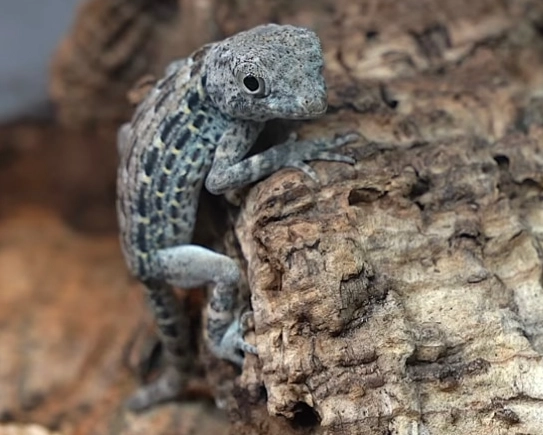
Chronic Stress: The Silent Killer
This is the most underestimated risk. Even without bites or missing tails, the subordinate gecko lives in a constant state of anxiety. It may:
- Avoid the prime basking spot, leading to poor digestion and calcium metabolism.
- Be chased away from food, resulting in weight loss and malnutrition.
- Spend all its time in a single, insecure hide.
This chronic stress suppresses the immune system, making the animal far more susceptible to parasites and infections. You'll have a gecko that slowly wastes away, and you might never see a obvious fight.
Overt Aggression and Injury
When resources are disputed—be it space, heat, or food—aggression escalates. Scorpion-tailed geckos can deliver nasty bites that cause wounds prone to infection. Tail-dropping (autotomy) is a common stress response. While they can regenerate their tails, the new one is never as perfect as the original, and the process diverts massive energy from overall health.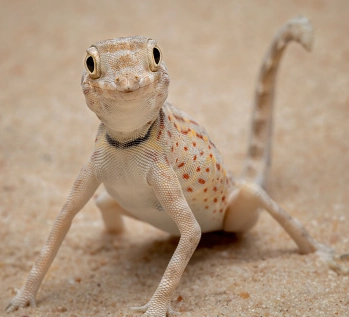
I learned this the hard way early on. I housed two females from the same clutch, raised together, in what I thought was a massive 40-gallon breeder. For months, peace. Then one night, I found one with a bloody stump where her tail used to be. No warning fight, just a sudden, permanent breakdown of their forced truce. The stressor? I still don't know. A change in barometric pressure? A single missed cricket? It doesn't matter. The result did.
Resource Competition
You might think adding multiple hides and food bowls solves the problem. It helps, but it doesn't eliminate the issue. There will always be a "best" hide (most secure, perfect humidity), a "best" basking spot (ideal temperature gradient), and a dominant animal that claims them. The subordinate gets the leftovers, which are never quite good enough for long-term health.
Why Solitary Housing is the Gold Standard (And Easier Than You Think)
Housing scorpion-tailed geckos individually isn't just the safer choice; it's the easier and more responsible one. Let's bust the myth that it's cost-prohibitive or space-hogging.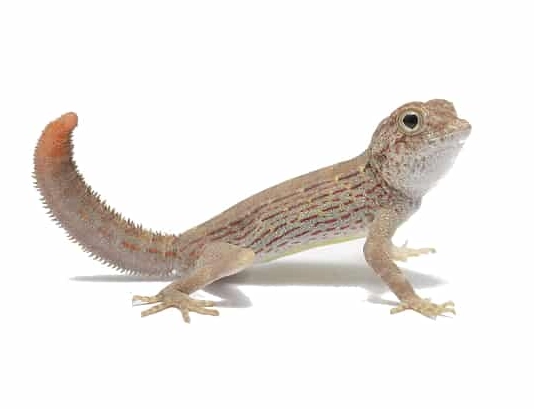
The Single-Gecko Advantage: You have complete control over each animal's environment. You can tailor the heat, humidity, and feeding schedule to that specific gecko's needs. Monitoring health becomes simple—you know exactly who ate what, who pooped where, and any change is immediately apparent. It's simpler, cleaner, and far less stressful for both you and the gecko.
A single adult scorpion-tailed gecko thrives in a 20-gallon long tank (30" x 12" x 12"). That's not a huge footprint. Stackable enclosures or racks designed for reptiles make housing multiple individuals efficiently a solved problem. The initial investment in separate setups pays for itself in vet bills you'll likely avoid and the peace of mind knowing each animal is truly thriving.
Think about feeding time. In a cohabitation setup, you're playing referee, making sure the shy one gets its share. Alone? You drop the insects in, and you're done. No guesswork, no competition.
How to Minimize Risk if You Must Cohabitate
I need to be clear: I am not endorsing this. But if you are an experienced keeper attempting a temporary, closely monitored setup for a specific purpose (like a controlled breeding introduction), here is the only framework I would consider. Ignore any step at your gecko's peril.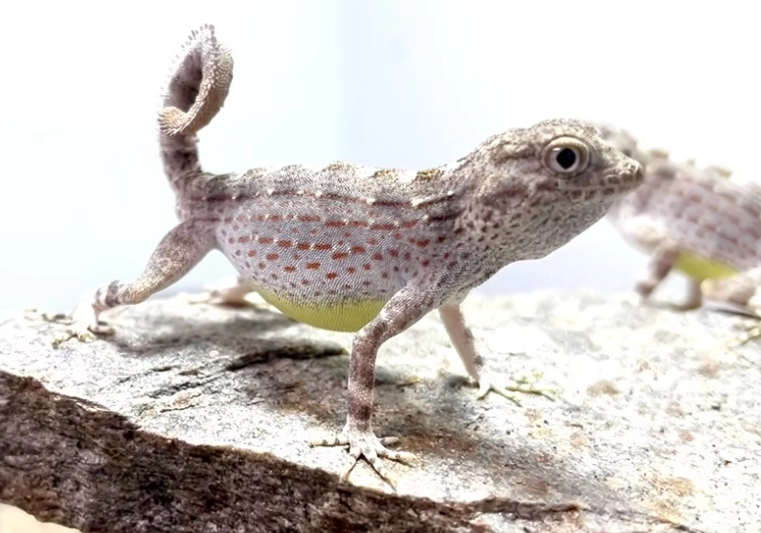
1. The Non-Negotiable Prerequisites
Never house two males together. This is an instant recipe for disaster. Male-male aggression is intense and often immediate.
Only consider a male-female pair for strictly controlled breeding. And even then, it's temporary (see below).
Female-female pairs are the "least risky" but still carry all the chronic stress dangers mentioned above. They must be of similar size and age, ideally from the same clutch (but even that's no guarantee).
You MUST have a completely separate, fully set-up quarantine enclosure ready to go. Not "I can set one up tomorrow." Ready today. The moment you see trouble, separation is instant.
2. Designing a "Cohabitation" Enclosure (It's Not What You Think)
The goal is to make the enclosure so large and so complex that the geckos can almost live as if they're alone. We're talking about a custom-sized tank, not an off-the-shelf model.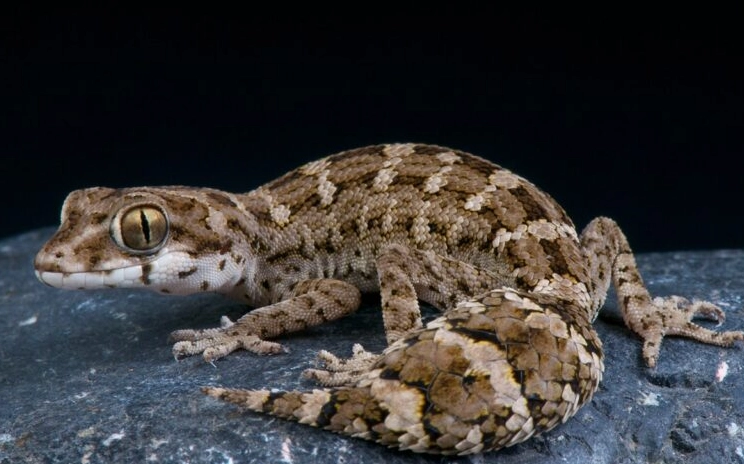
- Enclosure Size: Absolute minimum of a 40-gallon breeder (36"L x 18"W x 16"H). I'd personally start at 60 gallons or larger for any long-term attempt. The floor space is more critical than height.
- Duplication of Everything: This is the core principle. Two+ of every critical resource, placed on opposite ends of the enclosure.
- Heat sources and basking spots.
- UVB lights (if providing).
- Moist hides and dry hides.
- Water bowls.
- Feeding stations.
- Visual Barriers: Dense foliage, cork bark tunnels, and planted areas to break up sight lines. You want them to be able to get completely out of each other's view.
3. The Monitoring Protocol: Become a Detective
You're not just feeding and cleaning. You're conducting daily behavioral audits.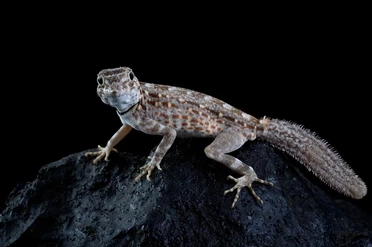
Weigh each gecko weekly. Any sustained weight loss in one individual is your first and clearest red flag.
Observe at night with a red light. This is when they are most active. Is one gecko constantly following or stalking the other? Does one freeze or flee when the other comes near?
Check for physical signs: Nicks on the tail or body, missing scales, a perpetually dark or dull coloration in one animal.
Feed separately and carefully. Use tongs to ensure each gets its designated share, or feed in separate temporary containers.
The moment you see any of these signs, the experiment is over. You separate them. No "waiting to see if it gets better." It won't.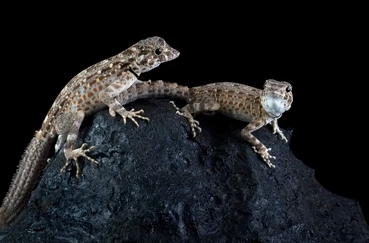
Your Top Scorpion-Tailed Gecko Cohabitation Questions Answered
After all this, my final, seasoned-keeper advice is this: love your scorpion-tailed gecko enough to give it its own kingdom. The minor convenience or aesthetic pleasure of a shared tank isn't worth the very real risk to their well-being. A healthy, stress-free, solitary gecko is a vibrant, active, and long-lived pet. That's the real goal, and it's easily achieved by simply housing them apart.
For further reading on species-specific solitary care requirements that promote optimal health, resources from established herpetological societies like the Anapsid platform or care sheets from reputable breeders are invaluable.
Reader Comments