So you're thinking about getting a spotted gecko, or maybe you just brought one home. Good choice. These little guys, most commonly the leopard gecko (Eublepharis macularius), are fantastic starter reptiles. But here's the thing I've learned after years of keeping them and talking to other hobbyists: a lot of the basic care advice floating around misses the subtle stuff. It gets the big picture right—don't use sand, provide heat—but stumbles on the details that separate a surviving gecko from a truly thriving one.
This guide is my attempt to fix that. It's not just a rehash of common knowledge. It's the care sheet I wish I had when I started, packed with the nitty-gritty details and "why didn't anyone tell me that?" moments.
What's Inside This Care Guide
Setting Up the Perfect Spotted Gecko Enclosure
Let's start with their home. This is where most first-time mistakes happen, and they're usually about size and temperature gradients.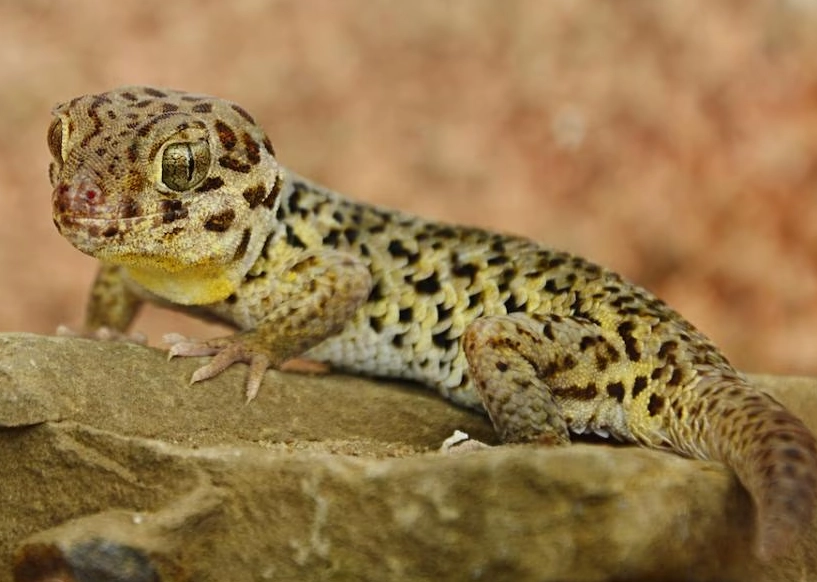
Tank Size and Type: Bigger is Always Better
Forget the old "10-gallon for one gecko" rule. That's bare minimum survival space. For a single adult leopard gecko, aim for a 20-gallon long tank (30" x 12" x 12") as an absolute starting point. A 40-gallon breeder (36" x 18" x 16") is ideal. Why? It gives you room to create a proper thermal gradient. One end needs to be warm, the other end cool, with a comfortable middle ground. In a tiny tank, that gradient is impossible to establish, leaving your gecko stressed and unable to properly regulate its body temperature.
Front-opening terrariums are worth the extra cost. Reaching in from above feels like a predator attack to them. Front doors make maintenance and interaction less stressful for everyone.
The Non-Negotiable: Heat and Lighting
Leopard geckos are crepuscular (active at dawn/dusk), not nocturnal. This distinction is crucial for their care.
Heat Source: You need an under-tank heater (UTH) attached to a thermostat. Stick the thermostat probe inside the tank, directly on the glass above the UTH. Set it to create a "hot spot" on the tank floor of 88-92°F (31-33°C). The rest of the tank should cool down to 75-80°F (24-27°C) on the opposite side. A common mistake? Putting the thermostat probe outside the tank or relying solely on a heat lamp, which dries out the air and doesn't provide the belly heat they need for digestion.
Lighting: They don't strictly need UVB if their diet is properly supplemented, but low-level UVB lighting (like a ShadeDweller or 5% T5 tube) is increasingly recommended by advanced keepers and veterinarians. Studies, like those referenced by the Association of Reptilian and Amphibian Veterinarians, suggest it can improve calcium metabolism, activity levels, and overall wellbeing. It mimics the low-level UV they'd get at dusk/dawn. If you provide UVB, ensure there are plenty of shaded hides so they can escape it.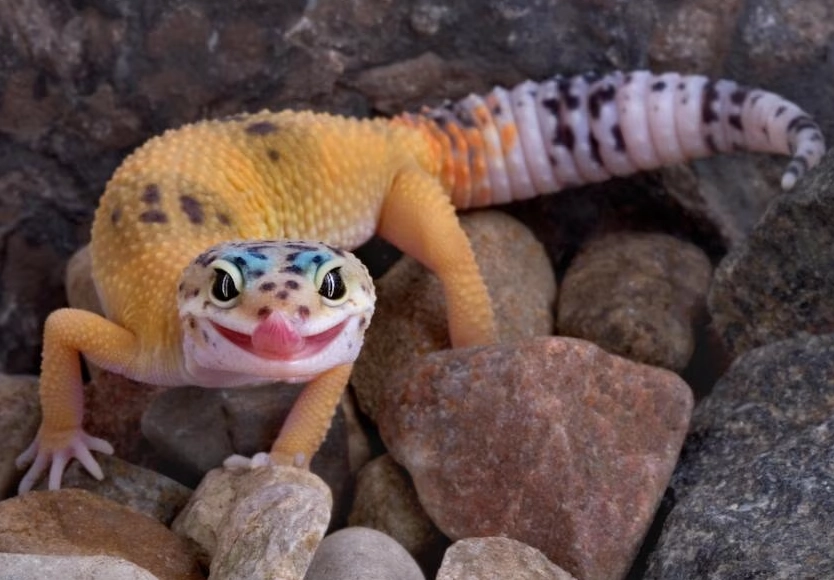
My Personal Mistake: I used to skip the thermostat, thinking a simple on/off switch for the UTH was fine. I woke up one night to find the tank floor was over 100°F. My gecko was crammed in the coolest corner, stressed. A $25 thermostat would have prevented that panic. Don't skip it.
Substrate and Decor: Safety and Enrichment
Substrate (Flooring): The great debate. For beginners and juveniles, use paper towel, slate tile, or non-adhesive shelf liner. It's safe, cheap, and easy to clean. Loose substrates like sand or calcium sand are a major impaction risk and should be avoided. Once you're experienced, a deep, bioactive setup with a soil/sand/clay mix can work, but it's an advanced project.
The Three-Hide Rule: This is non-negotiable.
- Warm Hide: Placed directly over the UTH hot spot.
- Cool Hide: On the opposite, cooler side of the tank.
- Humid Hide: A hide filled with damp sphagnum moss or paper towels. This is essential for shedding. Place it in the middle of the temperature gradient.
Without these, your gecko has nowhere to feel secure, thermoregulate, or shed properly.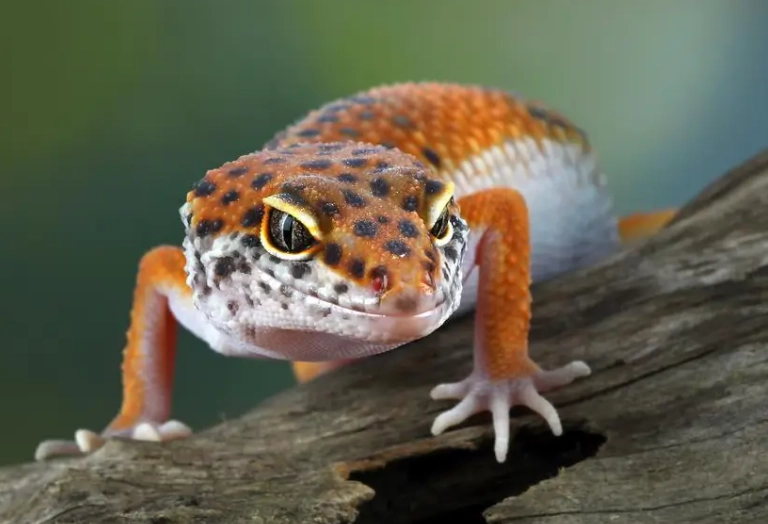
How to Feed Your Spotted Gecko for Optimal Health
Feeding seems straightforward: bugs. But the devil's in the details of variety, supplementation, and schedule.
| Feeder Insect | Nutritional Notes | How Often to Offer |
|---|---|---|
| Crickets | Good staple, high in protein. Gut-load well. | Primary staple for young geckos; part of rotation for adults. |
| Dubia Roaches | Excellent staple. More meat, less chitin, less odor than crickets. | Ideal primary staple for adults. |
| Mealworms | Higher in fat and chitin. Can be constipating if overfed. | Treat or part of a varied diet, not a sole staple. |
| Black Soldier Fly Larvae (Calciworms) | Naturally high in calcium, low in phosphorus. Fantastic supplement. | Great regular addition, especially for growing/juvenile geckos. |
| Waxworms / Butterworms | Very high in fat. Like gecko candy. | Rare treat only (once a month max). Highly addictive. |
Gut-Loading: This is critical. Feed your insects nutritious foods (commercial gut-load formulas, carrots, sweet potato, leafy greens) for at least 24 hours before feeding them to your gecko. You are what your food eats.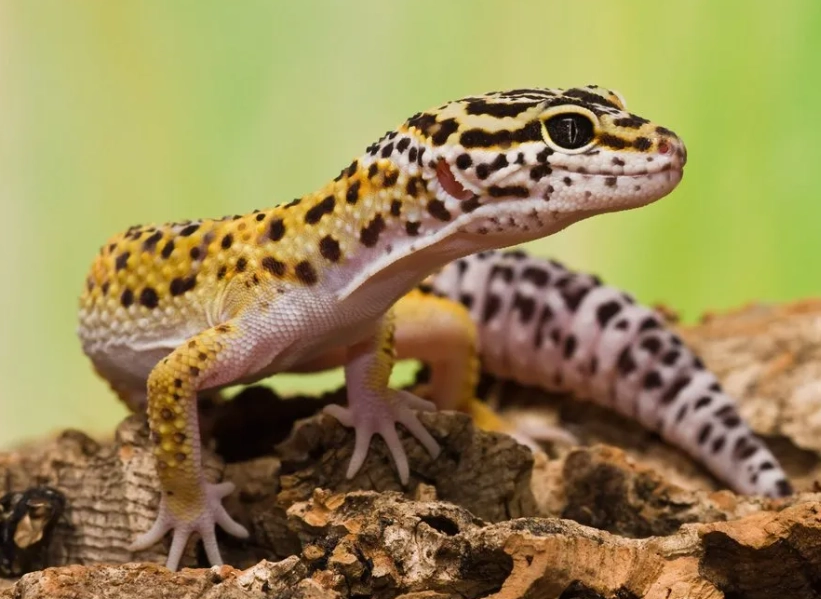
Dusting Schedule (The Supplement Protocol):
- Calcium (without D3): Lightly dust insects at every feeding. Keep a small dish of pure calcium powder (no D3) in the enclosure at all times. They will self-regulate and lick from it as needed.
- Calcium with D3 & Multivitamin: Use a combined supplement or alternate them. Dust insects with this once a week for adults, twice a week for growing juveniles. If using UVB lighting, you can slightly reduce the D3 frequency.
This two-part system prevents Metabolic Bone Disease (MBD), the most common and devastating health issue in captive reptiles.
Feeding Schedule: Young/juvenile geckos (under 1 year): Daily, as many appropriately-sized insects as they'll eat in 10-15 minutes. Insect size = space between the gecko's eyes. Adults (over 1 year): Every other day or 3 times a week. 5-10 insects per feeding, depending on size and insect type. An adult gecko on a diet of 2-3 large dubia roaches per feeding is perfectly fine.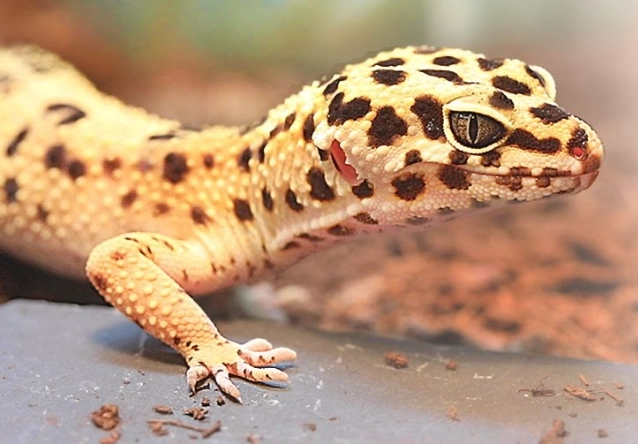
Spotted Gecko Health: Signs to Watch For
A healthy leopard gecko is alert, has clear bright eyes, a thick tail (their fat store), and a smooth, complete shed. Here are the red flags that mean a vet visit is needed.
Tail Thinning: The tail should be plump. If it's skinny or bony, it's a sign of malnutrition, parasites, or illness.
Stuck Shed: Especially on the toes, eyes, or tail tip. This can constrict blood flow and lead to loss of digits. A proper humid hide prevents this 99% of the time. If you see stuck shed, provide a warm, shallow saucer of water for soaking and gently help roll it off with a damp q-tip.
Lethargy & Loss of Appetite: Going off food for a day or two can be normal, especially in winter. But combined with hiding constantly, being limp, or refusing food for a week+, it's a major concern. The first thing to check? Your temperatures. Low temps are the #1 cause of appetite loss.
Runny or Undigested Feces: Fecal matter should be solid with a white urate. Diarrhea or undigested insect parts point to parasites, incorrect temperatures, or a bacterial infection. A fecal exam by an exotic vet is the best diagnostic tool.
Find a vet before you have an emergency. Look for one certified by ARAV (Association of Reptilian and Amphibian Veterinarians).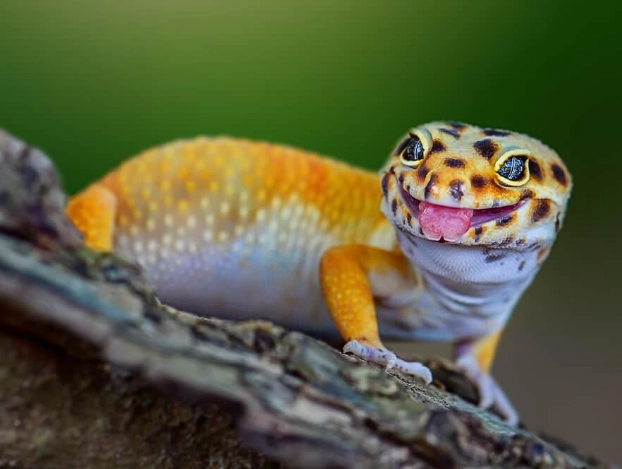
How Do I Handle My Spotted Gecko?
Go slow. Let a new gecko settle in for at least a full week with no handling. Start by just putting your hand in the tank near them during feeding time. After a while, gently slide your hand under their belly. Don't grab from above. Support their whole body and let them walk from hand to hand. Keep handling sessions short (5-10 minutes) and close to the ground over a soft surface in case they jump.
Some will never be cuddly. That's okay. They are display pets that tolerate interaction, not dogs. Respect their personality.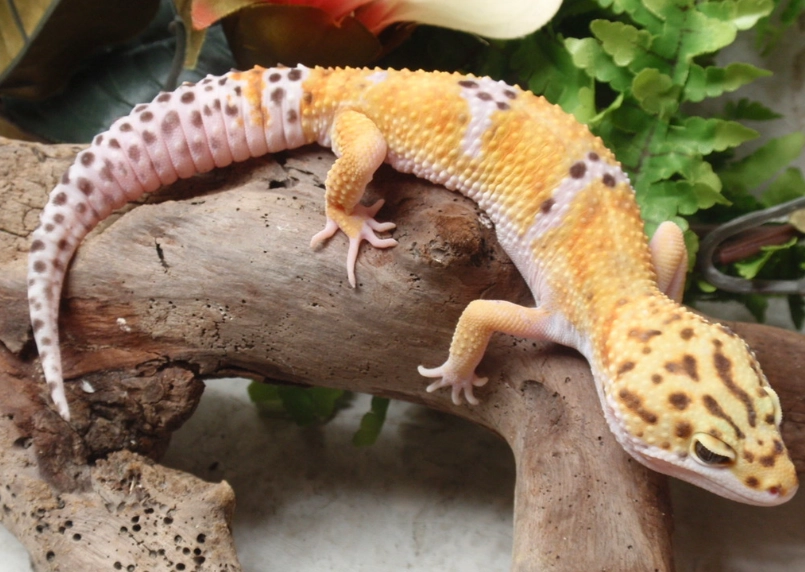
Your Spotted Gecko Questions Answered
My leopard gecko hasn't eaten in 5 days, but the temperatures seem right. What should I do?
First, double-check your temps with a digital thermometer with a probe, not a stick-on gauge. Place the probe on the floor of the hot hide. If it's truly 88-92°F, consider other stressors. Has anything changed in the room? New pets, loud noises, excessive handling? Try offering a different feeder insect—sometimes they get bored. If they're an adult and it's winter, a slight slowdown is normal. If weight loss is evident or it stretches beyond 10 days with no interest in food, a vet visit is crucial to rule out parasites or impaction.
I see my gecko licking the calcium powder from the dish. Is that normal or a sign of a problem?
That's completely normal and actually a great sign! It means your supplementation setup is working. They are self-regulating their calcium intake, which is a natural behavior. Just make sure the dish contains pure calcium carbonate without D3. The D3 and vitamins should only come from the weekly dusting on their food to prevent overdose.
Can I house two leopard geckos together?
I strongly advise against co-habitation, especially for beginners. The internet is full of cute pictures, but the reality is often stress, competition for resources, and injury. Males will fight. A male and female will breed incessantly, draining the female's health. Even two females can establish a dominance hierarchy that leads to the subordinate gecko being bullied, not eating well, and hiding constantly. They are solitary in the wild. Providing a proper, enriched 40-gallon tank for a single gecko is a much better and safer investment in their welfare.
How often should I clean the tank, and what's the best method?
Spot clean daily. Remove feces and uneaten insects as soon as you see them. Do a deep clean every 4-6 weeks. Move your gecko to a secure temporary bin. Remove all decor and hides. Wash everything with a reptile-safe disinfectant (like F10SC or a diluted chlorhexidine solution), rinse thoroughly, and dry completely. Replace the substrate. Avoid harsh household cleaners like bleach or ammonia-based products, as the fumes can linger and harm your gecko's sensitive respiratory system.
My gecko's poop is sometimes a strange color (pink, green). Should I be worried?
Often, the color of feces is directly related to what the feeder insects have eaten. Pinkish urate can come from eating colored commercial gut-load foods. Greenish feces might follow a diet of heavily gut-loaded greens. If it's a one-off and your gecko is acting normally, it's likely not a concern. However, if the strange color persists for multiple bowel movements, or is accompanied by a change in consistency (watery) or behavior (lethargy), it's time to collect a fresh sample and get it to your vet for a parasite check.
Reader Comments