Quick Guide
- What Exactly Is a Slender-skinned Woolly-tailed Gecko?
- Life in the Wild: Understanding Its Natural Habitat
- Bringing the Rainforest Home: Habitat Setup and Care
- Feeding Your Slender-skinned Woolly-tailed Gecko
- Behavior, Handling, and Health
- Breeding: A Specialized Endeavor
- Frequently Asked Questions (FAQs)
Let's be honest, the name is a mouthful. Slender-skinned woolly-tailed gecko. It sounds like something from a fantasy novel, not a real creature you might find in a pet store or, more accurately, deep in a rainforest. But that's part of the charm, isn't it? This isn't your everyday leopard gecko. It's a specialist, a creature of specific habits and hidden beauty. I remember the first time I saw a photo of one. It wasn't the bold patterns of other geckos that caught my eye; it was the texture. That velvety skin and the bizarre, almost caterpillar-like tail. I was hooked, and I spent ages digging for information, finding bits and pieces here and there. It was frustrating. So, I figured I'd put together everything I wish I'd found in one place.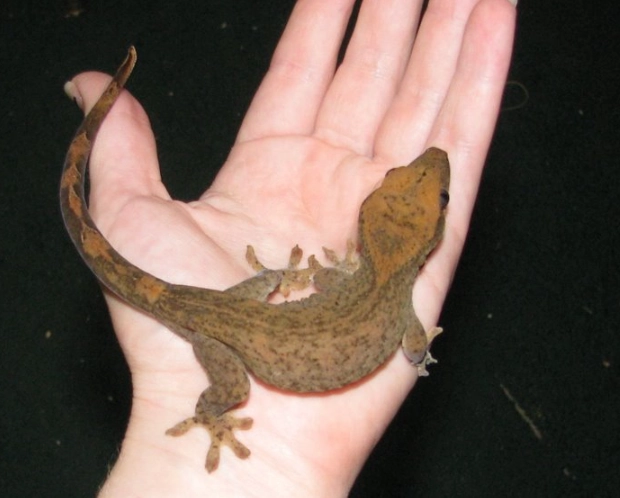
This guide is for anyone who's been intrigued by this elusive gecko. Maybe you're a seasoned reptile keeper looking for a new challenge, or perhaps you're a beginner who stumbled upon its unique look and wants to know more. Either way, we're going to dive deep into the world of the Slender-skinned woolly-tailed gecko, separating fact from fiction and giving you the real, practical info you need.
What Exactly Is a Slender-skinned Woolly-tailed Gecko?
Let's start with the basics. What are we even talking about? This gecko is a nocturnal, arboreal species, meaning it's active at night and lives in trees. It's found in specific rainforest habitats, primarily in parts of northern South America and some Caribbean islands. The name describes it perfectly when you see one up close.
The "slender-skinned" part refers to its delicate, velvety integument. It doesn't have the rough, bumpy scales of some lizards; its skin feels soft and is prone to damage if handled roughly. The "woolly-tailed" bit is the real showstopper. Its tail is covered in dense, hair-like projections called setae. It's not actually hair, of course, but it gives the tail a fuzzy, wool-like appearance. This isn't just for looks; many believe it aids in camouflage, helping the gecko blend into mossy tree bark or lichen.
One common point of confusion is its taxonomy. You might see it called Thecadactylus rapicauda in older sources, but the classification of these New World geckos has been in flux. For the most current understanding, it's best to refer to resources like the Reptile Database, which synthesizes peer-reviewed taxonomic updates. Always double-check the scientific name with your breeder or supplier.
Life in the Wild: Understanding Its Natural Habitat
You can't hope to care for an animal properly without understanding where it comes from. This is the golden rule of reptile keeping. The Slender-skinned woolly-tailed gecko isn't a desert dweller or a grassland sprinter. Its world is the humid, complex, and vertically oriented tropical rainforest.
Think dense canopy, high humidity (often 70-90%), and warm but not scorching temperatures. They are masters of vertical space, spending their lives on tree trunks and branches. They are secretive, often hiding in tree hollows, under loose bark, or in dense clusters of epiphytic plants like bromeliads during the day. This isn't an animal that basks out in the open sun.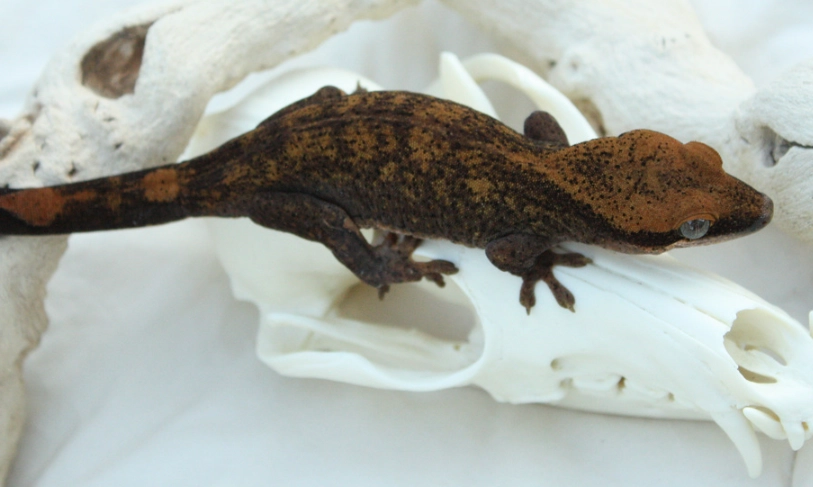
Their conservation status varies by location, but habitat loss is a universal threat. Deforestation for agriculture and development fragments their world. It's a reminder of why sourcing captive-bred animals from reputable breeders is so crucial. The IUCN Red List is the go-to source for checking the conservation status of specific populations. Supporting breeders who work with captive-bred lines helps take pressure off wild populations.
Key Elements of the Rainforest Home
- High, Stable Humidity: Constant moisture in the air is non-negotiable.
- Moderate Temperatures: A gradient is needed, but extremes are absent. Think 75-82°F (24-28°C) with a slight drop at night.
- Vertical Complexity: More height than floor space. Trees, vines, branches.
- Abundant Hiding Places: Cork tubes, live plants, bark slabs. Security is paramount.
- Soft Substrate (on the ground): While arboreal, a forest floor of leaf litter and moss holds humidity.
Bringing the Rainforest Home: Habitat Setup and Care
This is where the rubber meets the road. Recreating a slice of rainforest in a glass or mesh box. It's a fun challenge, but it requires planning. The biggest mistake I see is people treating them like a crested gecko. While there are similarities, the devil is in the details.
The Enclosure: Think Tall, Not Wide
A standard 10-gallon tank is a prison for this animal. You need height. For a single adult Slender-skinned woolly-tailed gecko, a minimum enclosure size would be an 18x18x24 inch tall terrarium, but bigger is always better. A 24x18x24 or even taller is ideal. Screen or glass? A mix is often best—glass sides to retain humidity, with a ventilated screen top.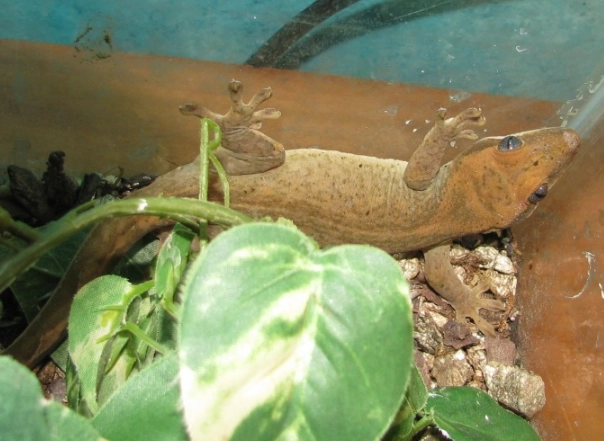
Substrate and Humidity: The Moisture Balance
Getting humidity right is the biggest hurdle for many keepers. Too low, and they struggle to shed and become dehydrated. Too high with poor ventilation, and you get mold and respiratory issues. It's a balancing act.
A deep, moisture-retentive substrate is your foundation. It acts as a humidity reservoir. A simple and effective mix is:
- 60% Organic Topsoil (no fertilizers, no perlite)
- 30% Coconut Coir or Sphagnum Moss
- 10% Orchid Bark or Charcoal Chips (for aeration)
Mist the enclosure heavily once or twice a day, depending on your room's humidity. A fogger on a timer can be fantastic for maintaining ambient humidity, especially at night when they're active. A digital hygrometer is essential—don't rely on guesswork.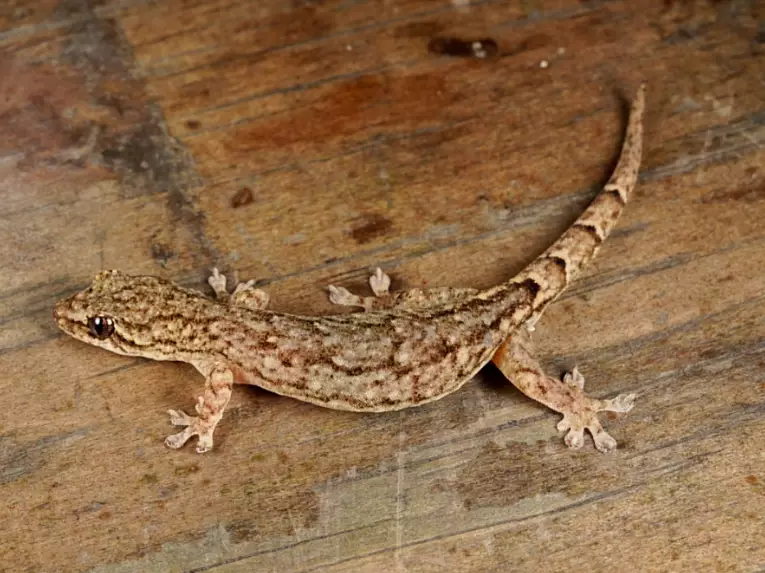
Here’s a quick comparison of common substrate materials and their pros/cons for this species:
| Material | Pros | Cons | Best For |
|---|---|---|---|
| Organic Topsoil Mix | Natural, holds moisture well, supports live plants. | Can compact; must be pesticide-free. | The foundational layer in bioactive setups. |
| Coconut Coir (Coco Fiber) | Excellent moisture retention, mold-resistant. | Can be dusty when dry; low nutritional value for plants. | Mixing into soil to boost humidity. |
| Sphagnum Moss | Superb humidity, great for layering on top or in hides. | Can become soggy; needs frequent replacement. | Humidity hideaways and top dressing. |
| Paper Towel/Newspaper | Sterile, easy to clean. | Zero humidity retention, looks awful, no enrichment. | Quarantine situations only. |
Temperature and Lighting
These geckos don't need a blazing hot basking spot. In fact, direct intense heat can be harmful. Aim for a gentle thermal gradient:
- Warm area: 80-82°F (27-28°C) at the top of the enclosure.
- Cool area: 75-78°F (24-26°C) at the bottom.
- Nighttime drop: Can safely go down to 70-72°F (21-22°C).
Use a low-wattage ceramic heat emitter or a deep heat projector on a thermostat placed outside the screen top. Never use heat rocks. As for lighting, they don't require UVB for survival, but low-level UVB lighting (like a ShadeDweller or 5.0 T5 tube) is increasingly considered beneficial for their long-term health, aiding in calcium metabolism and natural behavior. It should be on a 12-hour on/off cycle.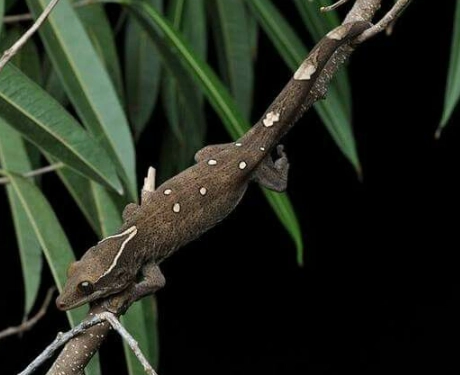
Furnishing and Enrichment: Building a 3D Jungle
This is the fun part. The enclosure should be a cluttered, vertical playground.
- Cork Bark Tubes & Flats: The absolute number one hide. They love the tight, dark security of a cork tube mounted vertically or at an angle.
- Live Plants: Pothos, Snake Plants, Philodendron, Bromeliads. They hold humidity, provide cover, and look amazing. Just ensure they are safe for reptiles.
- Various Branches & Vines: Create a network of pathways at different levels and diameters.
- A Shallow Water Dish: Changed daily. Some may drink from it, others may not, but it's there.
Go for a bioactive setup if you can. A clean-up crew of springtails and isopods will break down waste, and the live plants create a more stable, natural ecosystem. It's more work to set up, but less maintenance in the long run and far more enriching for the gecko. There's a great introductory guide to bioactive terrariums on Reptiles Magazine that's worth a look.
Feeding Your Slender-skinned Woolly-tailed Gecko
In the wild, their diet is a mix of insects and likely some soft fruits or nectars. In captivity, we replicate this with a varied insect diet and occasional fruit offerings.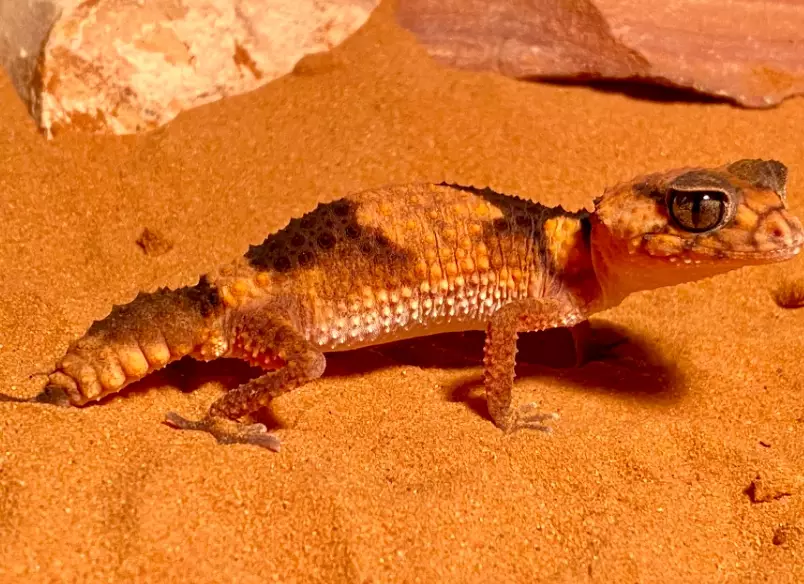
They are primarily insectivores. Good staple feeders include:
- Small Crickets
- Dubia Roach Nymphs (an excellent choice)
- Black Soldier Fly Larvae (Calciworms)
- Small Silkworms
Mealworms and superworms should be fed sparingly due to their higher chitin content. Always, and I mean always, gut-load your feeder insects with nutritious veggies (carrots, sweet potato, leafy greens) for 24-48 hours before feeding. Then, dust them with a high-quality calcium powder (with D3 if no UVB, without D3 if using UVB) at most feedings, and a multivitamin powder once a week.
How often? Adults 2-3 times a week, juveniles every other day. Offer only as many insects as they will consume in one night. You'll often find they are shy eaters, preferring to hunt after lights out. Remove uneaten insects in the morning.
Some individuals may accept commercial crested gecko diets (CGD) as an occasional supplement or as part of their diet. It's worth offering a small amount in a bottle cap once a week to see if they take to it. It's a great nutritional booster.
Behavior, Handling, and Health
This is a shy, nervous gecko. It's not a handle-me pet. The primary joy of keeping a Slender-skinned woolly-tailed gecko is observing its natural behaviors, not taking it out for cuddles. Their delicate skin is easily torn, a condition known as skin sloughing, which can lead to serious infection.
If you must handle them, for cage cleaning or health checks, do so with extreme care. Let them walk onto your hand, never grab. Keep handling sessions very short, and always over a soft surface. Honestly, I rarely handle mine except when absolutely necessary. Watching them explore their enclosure at night with a red light is pleasure enough.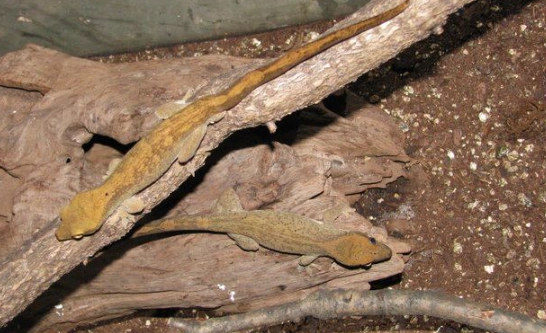
Spotting a Healthy Gecko
What should you look for?
- Clear, bright eyes. No retained eye caps.
- Full, rounded body and tail. The tail is a fat store.
- Clean vent. No stuck substrate or feces.
- Intact, velvety skin. No patches of missing skin or sores.
- Alertness. A healthy gecko, while shy, will be reactive to movement at night.
Common Health Issues to Watch For
Most health problems stem from incorrect husbandry.
Metabolic Bone Disease (MBD): Soft, rubbery jaw, crooked limbs, difficulty climbing. Caused by lack of calcium/D3/UVB. It's preventable with proper supplementation and lighting.
Skin Injuries: Tears from sharp decor or rough handling. Keep the enclosure safe and handle minimally.
Parasites: More common in wild-caught imports. Symptoms include weight loss, lethargy, and abnormal stools. A fecal exam by an exotic vet is needed. Speaking of which, find a vet who knows reptiles before you have an emergency.
Breeding: A Specialized Endeavor
Breeding Slender-skinned woolly-tailed geckos is not common in the hobby and should only be attempted by experienced keepers with a clear goal (e.g., sustaining captive populations). It often requires a seasonal cooling period (a "brumation" of sorts, though not a true hibernation) to simulate tropical wet/dry cycles and stimulate breeding behavior.
Females lay one or two hard-shelled eggs at a time, often gluing them to the inside of their cork tube hide. The parents will not provide any care. The eggs need to be incubated in a stable, humid environment at around 78-80°F (26-27°C) for several months. Hatchlings are incredibly tiny and require even smaller food items (pinhead crickets, fruit fly cultures) and meticulous humidity control.
Frequently Asked Questions (FAQs)
Let's tackle some of the specific questions that pop up again and again.
So, there you have it. The Slender-skinned woolly-tailed gecko is a fascinating, beautiful, and demanding creature. It's not the right pet for everyone, but for the keeper who enjoys creating a miniature ecosystem and observing subtle, natural behaviors, it's a true gem. It forces you to up your husbandry game, to pay attention to details like humidity and texture. That's what I've come to appreciate most about mine. It's not a pet you just feed and clean up after; it's a living piece of a rainforest that you're responsible for. And when you see it thriving, its woolly tail gently exploring a branch under the moonlight, all the effort feels worth it.
Do your research, set up the enclosure perfectly before you get the animal, and source it ethically. If you do, you'll be rewarded with a glimpse into one of the rainforest's more exquisite secrets.
Reader Comments