Quick Guide Overview
- What Exactly Is a Scorpion Tailed Gecko?
- Life in the Wild: Understanding Their Natural Habitat
- The Complete Scorpion Tailed Gecko Care Sheet
- Health and Wellness: Spotting Trouble
- Behavior, Handling, and Temperament
- Sourcing Your Scorpion Tailed Gecko: Ethics and Red Flags
- Common Questions (The Stuff You're Actually Searching For)
- Final Thoughts: Is This Gecko Right For You?
Let's be honest, the first time you see a picture of a scorpion tailed gecko, you probably do a double-take. Is that a leaf? A piece of bark? Wait, is its tail really curled up like that? It looks almost alien, and that's precisely what draws so many reptile enthusiasts to this incredible creature. I remember the first time I saw one in person at a reputable breeder's facility – it wasn't moving at all, and I genuinely thought it was a cleverly placed prop until it blinked. That moment of realization hooked me.
But here's the thing everyone wants to know right away: are they good pets? The answer isn't a simple yes or no. The scorpion tailed gecko, scientifically known as Uroplatus henkeli (though often confused with its cousin Uroplatus sikorae), is a fascinating pet for the right person. It's not a hands-on, handle-every-day kind of lizard like a leopard gecko. It's a display animal, a living piece of natural art from the mysterious forests of Madagascar. Its care is specialized, and getting it wrong isn't an option. This guide is for anyone who's been captivated by that weird, wonderful tail and wants to know what it really takes to keep one healthy and thriving.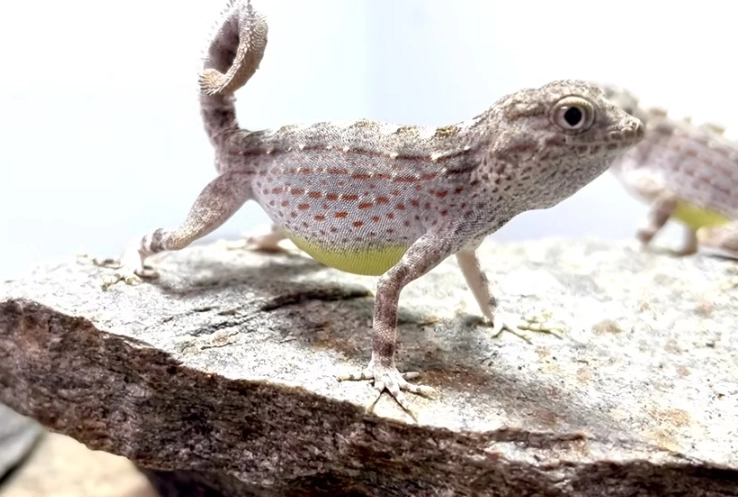
Quick Reality Check: If you're looking for an easy, beginner reptile, this isn't it. The scorpion tailed gecko has very specific humidity, temperature, and dietary needs. They can be sensitive, and their wild-caught status in the past (though now more are captive-bred) means they sometimes come with hidden health issues. But if you're an intermediate to advanced keeper willing to invest in a proper setup, the reward is unparalleled. Watching one of these masters of camouflage move at night is pure magic.
What Exactly Is a Scorpion Tailed Gecko?
Before we dive into tanks and thermostats, let's clear up the identity. "Scorpion tailed gecko" is a common name that primarily refers to Uroplatus henkeli, the Henkel's leaf-tailed gecko. The name comes from the distinctive, leaf-shaped tail that they often hold curled upwards over their bodies, reminiscent of a scorpion's posture. It's a defensive bluff – they aren't venomous at all! Sometimes the name gets loosely applied to other Uroplatus species with similar tails, but Uroplatus henkeli is the star of the show.
They belong to the family Gekkonidae and are endemic to Madagascar. That word – endemic – is crucial. It means they are found nowhere else on Earth naturally. Their entire biology is fine-tuned to a specific, disappearing environment. This fact alone should shape how we think about keeping them. It's a responsibility.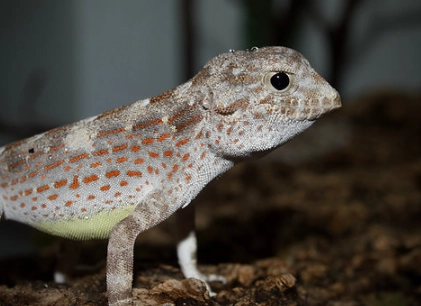
Anatomy of a Living Leaf
The appearance of a scorpion tailed gecko is a masterpiece of evolution. It's not just about color.
- Skin Fringes: Look closely at their sides, head, and limbs. You'll see a ragged fringe of skin that breaks up their outline perfectly against tree bark. When they press flat, they virtually disappear.
- The Famous Tail: Broad, flat, and notched like a dead leaf. The veins and color variations are incredible. They can voluntarily control its position.
- Eyes: Large, lidless eyes with vertical pupils perfect for their nocturnal lifestyle. The iris often has intricate patterns.
- Toe Pads: Massive, compared to their size. They have millions of microscopic hairs (setae) that allow them to climb virtually any surface, including smooth glass.
Their size is another point of interest. They are one of the larger Uroplatus species. Adults can reach a total length of 10 to 12 inches (25-30 cm), with a good portion of that being that spectacular tail. Males tend to be slightly smaller and slimmer than females, with a more pronounced bulge at the base of the tail (hemipenal bulge).
Life in the Wild: Understanding Their Natural Habitat
You cannot replicate care in captivity if you don't understand where they come from. The scorpion tailed gecko is a nocturnal arboreal species, meaning it lives in trees and is active at night. They inhabit the primary and secondary rainforests of northern and northwestern Madagascar.
The climate there isn't just "warm." It's characterized by distinct wet and dry seasons, with high humidity levels that rarely drop below 70-80%, often spiking to near 100% at night. Temperatures are moderate – think 70-80°F (21-27°C) during the day, with a noticeable drop at night, sometimes into the mid-60s°F (18-20°C). They experience breezes, mist, rain, and periods of dappled sunlight filtering through the dense canopy.
This isn't a desert creature or a savannah dweller. The scorpion tailed gecko is a creature of the damp, shaded, vertically complex world of a rainforest. Every aspect of your enclosure setup should scream "Madagascar rainforest trunk," not "sterile aquarium." The International Union for Conservation of Nature (IUCN) Red List assesses many Uroplatus species, and habitat loss is their greatest threat. You can read about conservation statuses on the IUCN Red List website to understand the bigger picture.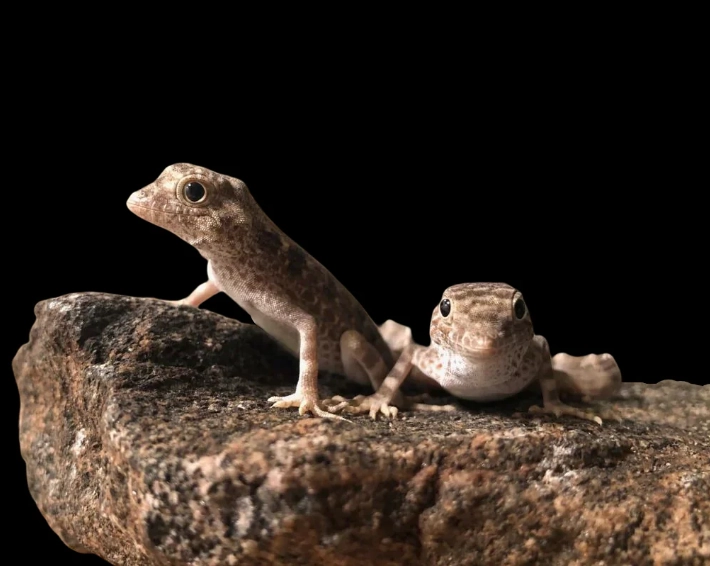
The Complete Scorpion Tailed Gecko Care Sheet
This is the meat of it. Let's break down exactly what you need to provide. I'll be blunt where many guides sugarcoat.
Enclosure: Building a Vertical Forest
For an adult scorpion tailed gecko, think tall, not long. A single adult needs an enclosure with more height than floor space. The absolute minimum I'd ever recommend is 18"L x 18"W x 24"H (45x45x60 cm), but bigger is always, always better. 24"x18"x36"H (60x45x90 cm) is a fantastic goal for one gecko. They use every inch of vertical space.
Materials: Front-opening glass terrariums are ideal. They maintain humidity better than screen cages and allow easy access without reaching down from above (which mimics a predator).
The Interior Design (The Fun Part):
- Substrate: Go bioactive if you can. A drainage layer, a substrate barrier, and a rich, ABG mix-type soil. This helps with humidity and allows you to plant live plants. If not bioactive, use a moisture-retaining substrate like coconut fiber or cypress mulch, but you'll need to replace it regularly.
- Branches and Cork: This is non-negotiable. Provide a variety of cork bark tubes, flats, and branches of different diameters. Arrange them vertically and diagonally. The scorpion tailed gecko needs multiple hiding and basking spots at different levels. They love to hide inside cork tubes during the day.
- Live Plants: Pothos, snake plants, bromeliads, dwarf schefflera. They look great, help with humidity, and provide cover. Secure them well!
- Leaf Litter: A top layer of magnolia or oak leaves completes the forest floor look and offers hiding spots for feeder insects (more on that later).
Climate Control: Humidity and Temperature
This is where most failures happen. You need reliable tools.
| Parameter | Target Range | How to Achieve It | Critical Notes |
|---|---|---|---|
| Daytime Temperature | 72-78°F (22-26°C) | Low-wattage heat bulb or heat mat on a thermostat, placed at the top of one side. | Avoid hot spots above 80°F (27°C). No basking spot needed like for a bearded dragon. |
| Nighttime Temperature | 65-72°F (18-22°C) | Heat should turn off. A natural drop is beneficial. | If your house drops below 65°F (18°C), consider a ceramic heat emitter (no light) on a thermostat. |
| Humidity | 70-85% | Automatic misting system 2-3 times daily (dawn/dusk). Hand misting can work but is less consistent. | Spikes to 90-100% during misting are fine. It must drop between mistings, not stay sopping wet. |
| Lighting | Low-level UVB optional, low-heat plant light recommended. | A low-output UVB bulb (like a shadedweller 2.4% or 7%) can be beneficial for 10-12 hours a day. A simple LED grow light for plants. | No bright, hot lights. They are nocturnal. UVB is a topic of debate; some keepers swear by it for long-term health, others don't use it. I lean towards providing it. |
You must have a digital hygrometer and thermometer. The analog stick-on ones are notoriously inaccurate. Get two – one for the top/mid level, one for the bottom.
Diet and Feeding: The Insectivore's Menu
Scorpion tailed geckos are strict insectivores. They don't eat fruit or pre-made diets. Their feeding response can be explosive at night.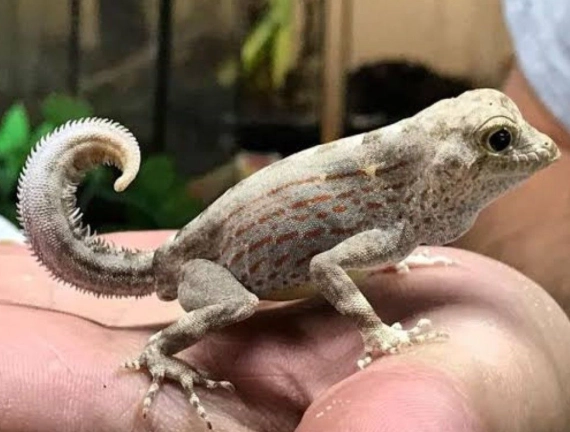
Staple Feeders: Gut-loaded crickets, dubia roaches, and discoid roaches (where legal) are excellent staples. The size of the feeder should be no wider than the space between the gecko's eyes.
Treat Feeders: Silkworms, black soldier fly larvae, and the occasional waxworm or hornworm for variety and hydration.
Feeding Schedule: Adults eat 2-3 times per week. Offer 4-6 appropriately sized insects per feeding. Juveniles should be fed more frequently, every other day. Always feed at dusk or after lights out.
The Non-Negotiables:
- Gut-loading: Feed your insects nutritious foods (commercial gut-load, veggies, grains) for 24-48 hours before feeding them to your gecko. You are what your food eats.
- Supplementation: Dust insects with a high-quality calcium supplement (without D3) at almost every feeding. Dust with a calcium + D3 supplement and a multivitamin once every 7-14 days. This schedule prevents Metabolic Bone Disease (MBD), a silent killer. The Anapsid.org resource, while older, has a good foundational explanation of MBD in reptiles.
Feeding Tip: Don't just dump crickets in. Use feeding tongs or release prey near the gecko. Loose crickets can harass and even bite a sleeping gecko during the day. I learned this the hard way years ago with a different species – found a small sore on its side from a cricket bite. Never again.
Health and Wellness: Spotting Trouble
A healthy scorpion tailed gecko is alert (at night), has clear, bright eyes, a plump tail (fat storage), and a good body weight. They should shed their skin in complete pieces, often eating it afterward.
Common Health Issues:
- Metabolic Bone Disease (MBD): Caused by incorrect calcium/phosphorus balance and lack of D3. Symptoms include soft, rubbery jaw, bowed legs, tremors, and difficulty climbing. It's preventable with proper diet and UVB.
- Stomatitis (Mouth Rot): A bacterial infection in the mouth, often seen as redness, swelling, or cheesy pus. Usually caused by stress, injury, or poor husbandry.
- Parasites: Internal parasites are common in wild-caught imports and can be present in some captive-bred animals. Symptoms include weight loss despite eating, runny stools, and lethargy. A fecal exam by an exotics vet is key.
- Dysecdysis (Bad Shed): Retained shed, especially on the toes and tail tip, can constrict and cause loss of the digit. Caused by low humidity. Soak gently and use a damp q-tip to roll it off.
Find a vet before you have an emergency.
Not all vets see reptiles. You need an experienced exotics vet. The Association of Reptilian and Amphibian Veterinarians (ARAV) has a "Find a Vet" directory that is an invaluable resource. Book a check-up for your new gecko, even if it seems healthy.
Behavior, Handling, and Temperament
Let's set expectations. The scorpion tailed gecko is not a cuddly pet. By day, it is a statue. A perfect, unmoving leaf. At night, it becomes a slow, deliberate hunter, stalking prey with incredible precision.
They can be defensive when startled. Their first line of defense is camouflage. If that fails, they may open their mouth wide (showing a bright red/orange interior), stand tall, and emit a loud, startling distress call – a sharp squeak or scream. It works; it's terrifying the first time you hear it. They may also lunge. It's all bluff, but it's effective.
Handling: Should be minimal and only when necessary (enclosure cleaning, health checks). When you must handle them, be slow and confident. Let them walk onto your hand rather than grabbing them. Support their entire body. Never grab the tail – it can be dropped (autotomy), though they are less prone to tail drop than other geckos, and the magnificent leaf-tail does not regenerate properly.
Sourcing Your Scorpion Tailed Gecko: Ethics and Red Flags
This is critical. The market has improved but still requires caution.
Captive-Bred vs. Wild-Caught: Always, always seek a captive-bred (CB) animal. Captive-bred scorpion tailed geckos are generally healthier, free of parasites, and better acclimated to captive life. They are also less stressful on wild populations. Wild-caught (WC) imports are often heavily parasitized, dehydrated, and stressed, leading to high mortality rates. They are also often adults, so you miss their fascinating juvenile stages.
Where to Look: Reputable reptile breeders at large expos, specialist online breeders with strong reputations, and recommendations from established keeper communities. Avoid generic pet stores and sketchy online classifieds where the origin is unclear.
Red Flags:
• Seller cannot confirm captive-bred origin.
• Price seems too good to be true.
• The gecko looks thin, has sunken eyes, or stuck shed.
• Seller is unwilling to answer detailed questions about care or the animal's history.
Expect to pay a significant amount for a healthy, captive-bred scorpion tailed gecko. You're paying for the breeder's years of effort, proper care, and ethical practices. It's worth every penny.
Common Questions (The Stuff You're Actually Searching For)
Final Thoughts: Is This Gecko Right For You?
Keeping a scorpion tailed gecko is a specialized hobby. It requires diligence, research, and a willingness to invest in proper equipment. It's not a "set it and forget it" pet.
But if you're captivated by the natural world, if you find beauty in intricate camouflage and quiet, nocturnal behaviors, then there's nothing quite like it. Successfully keeping a scorpion tailed gecko is deeply rewarding. You become a steward for a tiny, incredible piece of Madagascar.
Start by setting up the enclosure completely and letting it cycle for a month. Dial in the humidity and temperature. Get your feeder and supplement routine established. Then, and only then, seek out a healthy, captive-bred animal from a source you trust. That's the path to success with this most extraordinary of geckos.
Got more questions? Dive into dedicated reptile forums, but always cross-reference advice. And remember, a good exotics vet is your best ally. Happy herping!
Reader Comments