Quick Navigation
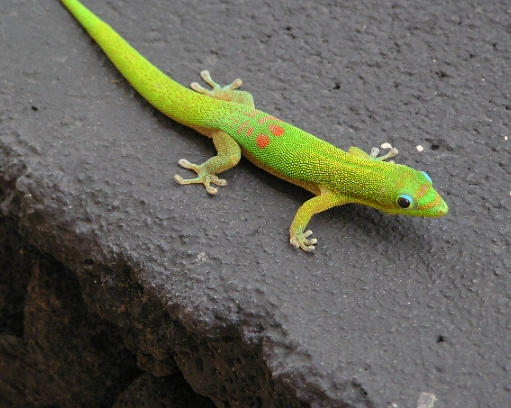
Let's get one thing straight right away. When most people search for "Hawaiian gecko," they're almost always picturing one specific, stunningly beautiful lizard. It's not some generic term for all geckos in Hawaii (and there are a few). The star of the show, the one plastered on postcards and t-shirts, is the Gold Dust Day Gecko (Phelsuma laticauda). That vibrant green body, those red speckles, the blue eye shadow—it's an absolute showstopper. I remember the first time I saw one in person on a lanai in Maui, clinging to a rain gutter. It looked more like a living jewel than a reptile. But here's the kicker: it's not even originally from Hawaii.
Yeah, that surprised me too. This iconic symbol of the islands is actually an introduced species from Madagascar and the Comoros Islands. It hitched a ride, found paradise, and decided to stay. Now, it's as much a part of the visual landscape as hibiscus flowers. This guide isn't just about admiring them from afar, though. We're going deep. Whether you're a traveler who got mesmerized by one, a budding reptile keeper wondering if you can bring a piece of the tropics home, or just plain curious, we're covering it all. From their biology and behavior to the real, nitty-gritty details of caring for one in captivity (it's not all sunshine and rainbows), consider this your one-stop shop for all things Gold Dust Day Gecko.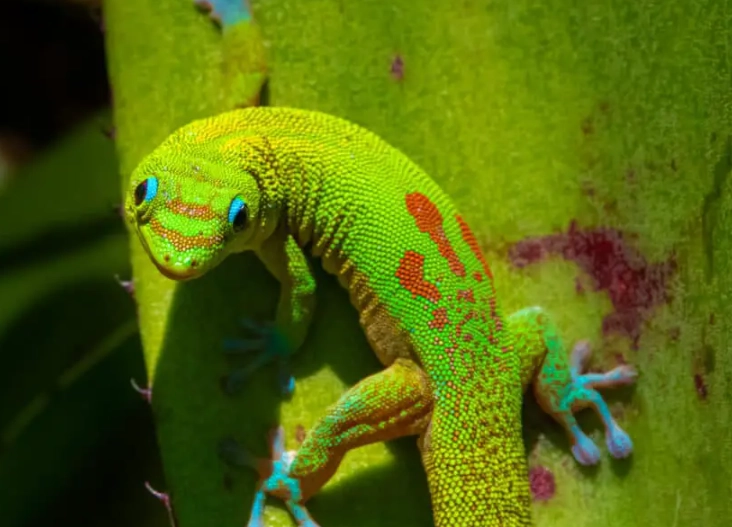
Meet the Gold Dust Day Gecko: Hawaii's Living Gem
What makes this particular Hawaiian gecko so special? It's all in the details. An adult typically reaches about 4 to 6 inches from snout to tail tip. The base color is a bright, almost neon green that seems to glow in the sunlight. Along its back, you'll find three rusty red bars or dots—a key identifier. But the namesake "gold dust" is those tiny, shimmering yellow specks scattered across the neck and shoulders. The eyes are large, with a stunning blue ring around them. Honestly, photos don't do it justice.
They're diurnal, meaning they're active during the day. This is a big part of their appeal compared to many other pet geckos that are nocturnal ghosts. You actually get to watch them! In the wild across the Hawaiian islands (they're most common on the main islands like Oahu, Maui, and the Big Island), they're arboreal. Think tree canopies, shrubs, and, yes, the walls and ceilings of human buildings. They thrive in warm, humid environments, which is why Hawaii is perfect for them.
Their feet are a marvel of evolution. Like other geckos in the family Gekkonidae, they have specialized toe pads covered in microscopic hairs called setae. These create a molecular attraction force (van der Waals forces, if you want to get sciencey) that lets them scale virtually any smooth surface—glass, leaves, your window—with hilarious ease. Watching one sprint upside-down across a ceiling never gets old.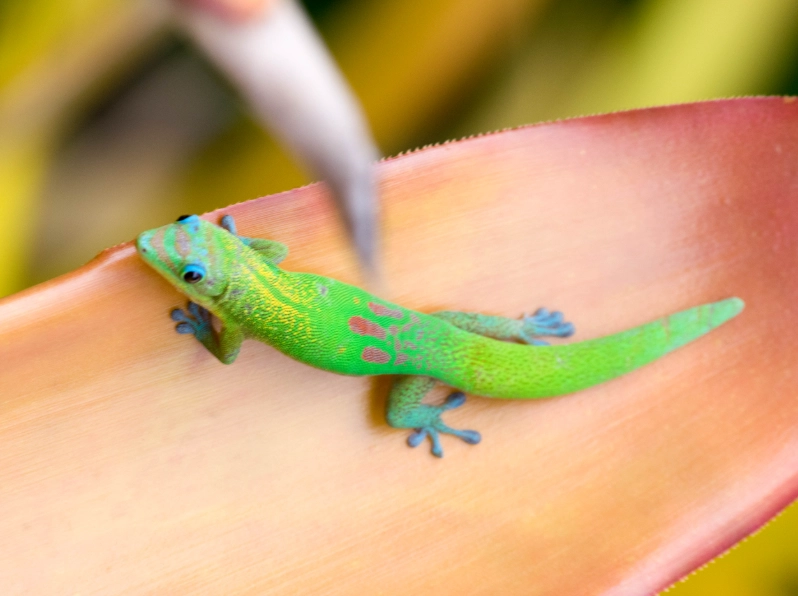
Not the Only Gecko in Town: Other Hawaiian Geckos
While the Gold Dust is the poster child, it's fair to other residents. Hawaii has a small collection of geckos, mostly introduced. You might spot the smaller, browner Common House Gecko (Hemidactylus frenatus), often heard at night with its distinctive “chuck-chuck-chuck” call. There's also the Indo-Pacific Gecko (Hemidactylus garnotii), which is all-female and reproduces by parthenogenesis. Mind-blowing, right? The Gold Dust, however, is the only brightly colored, day-active species that's become so visually synonymous with the islands.
| Gecko Species in Hawaii | Native/Introduced | Key Characteristics | Activity Pattern |
|---|---|---|---|
| Gold Dust Day Gecko (Phelsuma laticauda) | Introduced (Madagascar) | Bright green, red markings, gold specks, blue eye rings. | Diurnal (Day-active) |
| Common House Gecko (Hemidactylus frenatus) | Introduced (Southeast Asia) | Small, mottled brown/grey, distinctive chirping call. | Nocturnal (Night-active) |
| Indo-Pacific Gecko (Hemidactylus garnotii) | Introduced (Southeast Asia) | All-female population, reproduces without males. | Nocturnal |
| Mourning Gecko (Lepidodactylus lugubris) | Introduced (Indo-Pacific) | Small, also parthenogenetic (all-female). | Nocturnal |
Is a Hawaiian Gecko (Gold Dust Day Gecko) a Good Pet?
This is the million-dollar question. The short answer? They can be incredible pets for the right person, but they are absolutely not beginner-friendly lizards like a Leopard Gecko might be. Their care is intermediate to advanced. I've talked to keepers who adore them and some who got in way over their heads. Let's break down the good, the bad, and the sticky.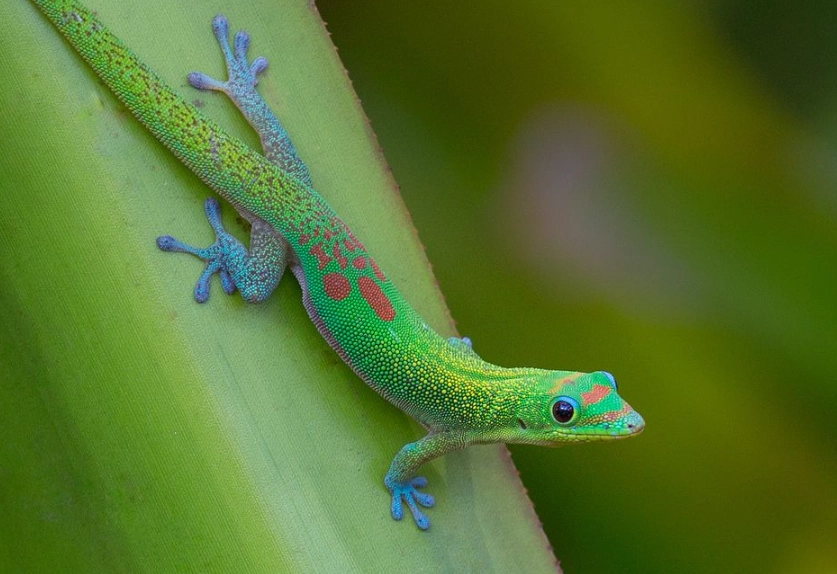
The Good Stuff (Pros)
- Unmatched Beauty: They are arguably one of the most beautiful pet reptiles you can own. Their color is a constant delight.
- Daytime Activity: You don't have to stay up late to see them move, hunt, and explore. Their schedule aligns with yours.
- Fascinating Behavior: Watching them lick their eyes (they don't have movable eyelids!), hunt insects, and interact is endlessly entertaining.
- Relatively Small Size: They don't require a massive, room-dominating enclosure.
The Challenging Stuff (Cons)
- Fragile and Fast: They are not "handleable" pets. Their skin is delicate, they stress easily, and they are lightning quick. One escape attempt can lead to a lost or injured gecko.
- Specific Care Needs: They require precise, stable temperature and humidity levels. Getting this wrong is a fast track to health problems.
- Specialized Diet: It's not just crickets. They need a varied insect diet and regular, proper supplementation.
- Potential for Nerves: Some individuals remain skittish their entire lives, viewing you as a giant predator.
If the cons list didn't scare you off, and you're the type who enjoys creating a perfect bioactive ecosystem more than cuddling a pet, then read on.
The Complete Care Guide for a Captive Hawaiian Gecko
Alright, you're committed to doing it right. This is where we get into the weeds. Setting up before you bring the gecko home is 90% of the battle. A stressed gecko in a temporary tub is a sad situation.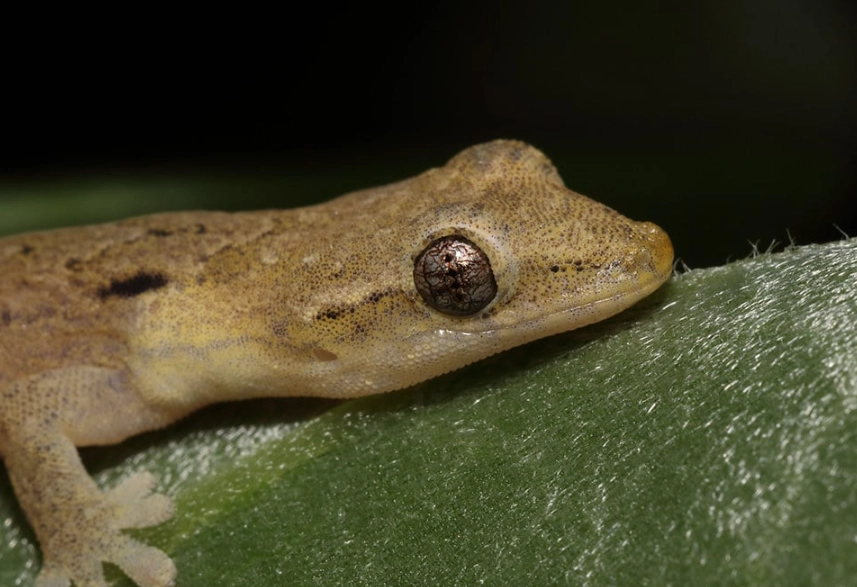
Housing: Building a Tropical Paradise
Think vertical. These are climbers, not diggers. The absolute minimum enclosure size for a single adult Hawaiian gecko is a 18" x 18" x 24" tall terrarium. Personally, I'd go bigger if you can—24" x 18" x 36" gives them amazing space to explore. Front-opening doors are a must for access without spooking them from above. Screen tops are good for ventilation, but in drier climates, you might need to cover part of it to retain humidity.
The setup inside is what matters. You need a thermal gradient and a humidity gradient.
- Basking Spot: One end of the top should have a basking area that reaches 85-88°F (29-31°C). Use a low-wattage halogen bulb or a dedicated reptile basking lamp on a thermostat. This is non-negotiable for their digestion and metabolism.
- Cool Zone: The opposite end and bottom of the tank should be around 75-78°F (24-26°C). Nighttime temps can drop to about 70-75°F.
- Humidity: This is critical. Aim for 60-80% relative humidity. You'll achieve this with a combination of a deep, moisture-retaining substrate (like a mix of coconut fiber, orchid bark, and sphagnum moss), live plants, and misting. A misting system on a timer is a fantastic investment. A shallow water dish also helps.
- UVB Lighting: Since they are diurnal, they require UVB light to synthesize vitamin D3 and metabolize calcium. A linear T5 HO UVB bulb (like a Zoo Med ReptiSun 5.0 or Arcadia Forest 6%) covering about half the enclosure's length is essential. Replace it every 10-12 months, even if it still lights up—the UV output diminishes.
Furnishing the Enclosure: Jungle Gym Time
Bare tanks are torture for these active creatures. You need to create a complex 3D landscape.
- Branches & Vines: Use a variety of diameters and angles. Cork branches, grapewood, and bamboo (sealed) are great. Create highways that lead to the basking spot and hideaways.
- Live Plants: This is a game-changer. Plants like Pothos, Snake Plants, Bromeliads, and Philodendrons thrive in the warm, humid environment, help maintain humidity, and provide hiding spots. They make the tank look incredible and create a more natural, enriching environment for your Hawaiian gecko. Just ensure they are non-toxic and pesticide-free.
- Hiding Places: Provide multiple secure hides at different levels, including in the foliage and on the cooler side. They need to feel safe.
- Feeding Ledges: A smooth, clean surface like a flat piece of slate or a commercial feeding ledge is perfect for placing food bowls. It keeps food out of the substrate and is easy to clean.
Diet and Feeding: You Are What You Eat
In the wild, the Hawaiian gecko is an opportunistic insectivore, also lapping up nectar and soft fruit. In captivity, we replicate this.
Staple Insects: Crickets, small dubia roaches, and black soldier fly larvae are excellent staples. The key is variety. Never feed just one thing.
Treat Insects: Waxworms, small hornworms, and silkworms can be offered occasionally. They're like gecko candy—high in fat but delicious.
Size Matters: Feed insects that are no larger than the space between the gecko's eyes.
The Critical Part—Supplementation: This is where many well-meaning owners fail. You must dust the insects with supplements.
- Calcium with D3: Use this at most feedings (e.g., 4-5 times a week). The D3 is necessary if your UVB light is not exceptionally strong or perfectly placed.
- Multivitamin: Use a reptile-specific multivitamin once or twice a week.
Some advanced keepers using powerful, precise UVB lighting (like Arcadia lamps) may use calcium without D3 more often, as the gecko can produce its own. This gets nuanced, so research your specific setup.
Fruit & Nectar: A couple of times a week, you can offer a small dab of a commercial "crested gecko diet" (like Repashy or Pangea) or a homemade mix of mashed ripe fruit (papaya, mango, banana) and a tiny bit of honey or baby food. They'll lick it up eagerly. This provides extra vitamins and mimics their natural nectar-eating behavior.
Health, Behavior, and Common Problems
A healthy Hawaiian gecko is alert, has bright, clear eyes, a plump tail (their fat storage), and a good appetite. They should be active during the day, even if they dart away when you approach.
Red Flags: When to Worry
- Weight Loss/Thin Tail: The tail should be nicely rounded. A skinny, bony tail is a major sign of malnutrition, parasites, or illness.
- Lethargy During the Day: Hiding constantly and not basking is a bad sign.
- Stuck Shed: Inadequate humidity leads to retained shed, especially on the toes and tail tip. This can constrict blood flow and lead to loss of digits.
- Metabolic Bone Disease (MBD): The big one. Caused by incorrect calcium/D3/UVB balance. Symptoms include a soft or rubbery jaw, bowed legs, tremors, and difficulty climbing. It's preventable with proper care but is often irreversible once advanced.
- Respiratory Infections: Bubbly mucus around the nose or mouth, wheezing, or open-mouth breathing. Usually caused by temperatures that are too cold and/or humidity that's too high without proper ventilation.
Finding a vet who specializes in reptiles (an exotics vet) before you have an emergency is one of the most responsible things you can do. Don't wait until your gecko is critically ill.
Understanding Their Behavior
They communicate in subtle ways. A slow, deliberate head-bobbing from a male is often a territorial display. A quick, frantic wave or a sudden dart? That's pure panic. Most will not enjoy being held. The goal is to have them become tolerant of your presence during maintenance—feeling safe enough to stay perched while you change water, rather than frantically fleeing. That's a big win.
Frequently Asked Questions About Hawaiian Geckos
Final Thoughts: Is This Journey Right for You?
After all this, the image of the Hawaiian gecko should be clearer—less of a simple postcard icon and more of a complex, living creature with very specific needs. They are breathtaking pets that offer a unique window into a tropical micro-world you create. But they are also a significant commitment of time, money, and attention to detail.
If your dream is to have a stunning, living piece of art in your home that you observe rather than handle, and you're willing to invest in creating and maintaining a slice of the tropics in a glass box, then the Gold Dust Day Gecko might be your perfect match. The joy of seeing one thrive under your care is immense.
But if you want a pet to cuddle, or if the thought of maintaining precise humidity levels and sourcing a variety of live insects sounds like a chore, there are many other wonderful, more forgiving reptiles out there. The worst thing you can do is get one on a whim because it's pretty. That's a disservice to both you and the animal.
Do your homework, set up the tank completely and let it cycle for a week or two, then find a reputable breeder. Ask them questions. A good breeder will ask you questions right back. That's how you know they care. Bringing a Hawaiian gecko into your life should be the start of a fascinating, long-term project, not an impulse buy. Good luck, and maybe I'll see you on the reptile forums, sharing pictures of our respective little green jewels.
Reader Comments