In This Guide
- First Things First: What Exactly Is a Crested Gecko?
- Setting Up the Perfect Crested Gecko Palace
- Feeding Your Crested Gecko: It's Not Just Crickets
- Health and Common Problems: What to Watch For
- Understanding Crested Gecko Behavior
- Your Crested Gecko Questions, Answered
- Final Thoughts: Is a Crested Gecko Right for You?
So you're thinking about getting a crested gecko. Good choice. Honestly, it's one of the best decisions I made when I first got into reptiles. These little guys from New Caledonia have exploded in popularity, and for good reason. They're hardy, they have these incredible personalities, and they don't need a massive, complicated setup like some other reptiles.
But here's the thing I see all the time – people hear "easy to care for" and think it means "no care required." That's a fast track to problems. A healthy, happy crested gecko is the result of getting the basics right. And that's what we're going to do here. No fluff, just the stuff you actually need to know, from picking your gecko to dealing with the weird stuff they do at 2 AM.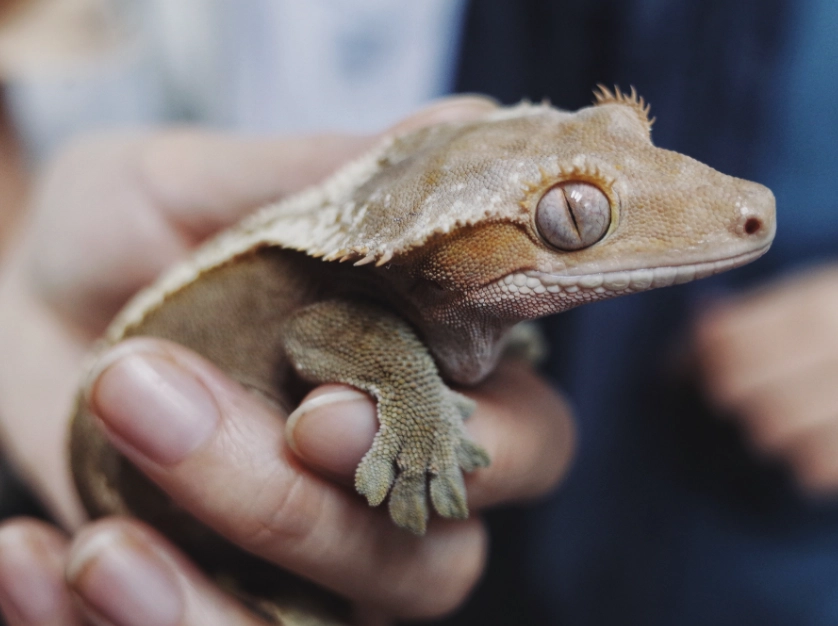
I remember my first one, a little fired-up harlequin I named Gizmo. I made mistakes. I used the wrong substrate at first, learned the hard way about humidity swings. This guide is the one I wish I had.
First Things First: What Exactly Is a Crested Gecko?
Let's rewind. The crested gecko (Correlophus ciliatus) was thought to be extinct until it was rediscovered in 1994 on the island of New Caledonia, east of Australia. That's a wild story in itself. Overnight, the reptile world had a new superstar. They're arboreal, meaning they love to climb, and they get their name from the fringed crests that run from their eyes down their back. Some have huge, dramatic crests, others have modest ones. It's part of their charm.
They're nocturnal, so they're most active when you're winding down for the night. You'll hear them hopping around their enclosure. They also have no eyelids – they use their long tongues to lick their eyes clean. Weird, but cool.
And they can drop their tails.
This is a big one. Unlike some lizards that regrow their tails, a crested gecko's tail, once dropped, is gone for good. They become what keepers call a "frogbutt." It doesn't hurt them, and they live perfectly normal lives without it. But it's a stress response, so our goal is to create an environment where they never feel the need to do it.
Setting Up the Perfect Crested Gecko Palace
This is where most beginners either nail it or fail. The enclosure isn't just a box; it's their entire world. Get this right, and half your potential problems vanish.
The Enclosure: Size and Type Matter
For a single adult crested gecko, the absolute minimum is a tall 20-gallon tank (like a 20-gallon "high" model), but honestly, bigger is always better. A 18"x18"x24" tall terrarium is the sweet spot most keepers recommend. They use vertical space, so height is more important than floor space.
Screen tops are great for ventilation, which is crucial to prevent stagnant, moldy air. But in very dry climates, they can make it tough to keep humidity up. You might need to cover part of the screen with glass or plastic.
I started Gizmo in a smaller tank and upgraded later. It was fine, but the moment I moved him into his larger, planted terrarium, his activity level changed. He explored more, seemed more confident. It was worth every penny.
Heating and Lighting: Less Is More
Crested geckos are not desert animals. They thrive at room temperature. The ideal range is between 72°F and 78°F (22°C - 26°C).
Do they need UVB? This is a hot topic. In the wild, they get dappled sunlight. In captivity, providing a low-level UVB light (like a 5.0 or 2% bulb) for 10-12 hours a day can be beneficial for their metabolism and calcium absorption, but it's not strictly necessary if you're using a properly formulated diet that includes vitamin D3. I use one because I think it makes their colors pop and just feels more natural. The team at ReptiFiles has a great, science-backed breakdown of reptile lighting that's worth a read if you're on the fence.
Humidity: The Nightly Spike
This is non-negotiable. Crested geckos need moderate humidity (around 50-60%) during the day, and a significant spike at night (up to 80%). This nightly spike is crucial for proper hydration and shedding.
How do you do it? Mist the enclosure heavily with a spray bottle right after the lights go out. Use a digital hygrometer – the cheap analog ones are often wrong. The substrate should be slightly damp, but never soggy. If you see constant condensation on the glass, you're overdoing it and risking respiratory infections.
Substrate and Decor: Building a Jungle Gym
The bottom of the tank needs to hold moisture. Simple paper towel is the safest, easiest option for beginners or quarantine tanks. For a more natural look, coconut fiber, cypress mulch, or a bioactive mix work well. Avoid sand, gravel, or anything that could cause impaction if ingested.
But the real magic happens off the ground. You need clutter. Vertical clutter.
- Branches and Vines: Create a highway system at all levels.
- Cork Bark Tubes: These are gecko gold. They provide hiding spots, climbing surfaces, and help with humidity.
- Live or Artificial Plants: Live plants in a bioactive setup are amazing (Pothos and Snake Plants are bulletproof), but high-quality silk plants work too. They provide cover and help maintain humidity.
- Magnetic Ledges & Hides: Place hides at the top and bottom of the enclosure so they feel safe everywhere.
A stressed gecko is a hiding gecko. If you never see them, you probably don't have enough cover.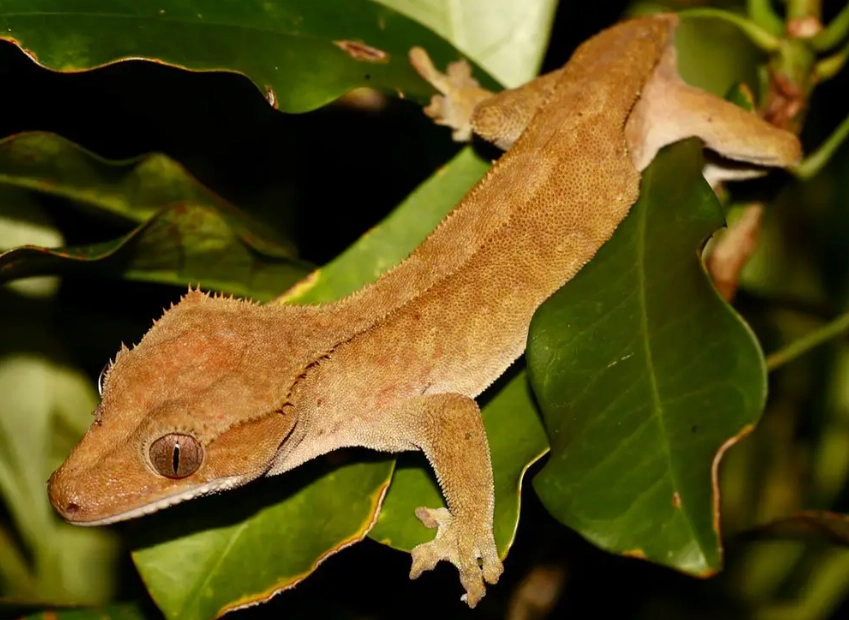
| Substrate Option | Pros | Cons | Best For |
|---|---|---|---|
| Paper Towel | Sterile, cheap, easy to monitor health/cleanliness | Unnatural, doesn't hold humidity well | Beginners, Quarantine, Sick Geckos |
| Coconut Fiber (Eco Earth) | Natural, holds humidity well, diggable | Can be messy, may mold if too wet | Most keepers, naturalistic setups |
| Bioactive Mix | Self-cleaning, most natural, promotes plant growth | Setup cost & complexity, requires maintenance | Advanced keepers, planted terrariums |
Feeding Your Crested Gecko: It's Not Just Crickets
The biggest revolution in crested gecko care was the development of complete powdered diets. These are a game-changer.
Brands like Pangea and Repashy make fruit-based powders that you mix with water to a ketchup-like consistency. They're nutritionally complete, containing all the vitamins, minerals, and calcium your gecko needs. This should be the staple of their diet, offered fresh every other day for adults, and daily for growing juveniles.
But can you give insects? Absolutely. Gut-loaded crickets, dubia roaches, or black soldier fly larvae are excellent occasional treats (once a week or so) for extra protein. Always dust them with a calcium supplement (without D3 if you're using UVB, with D3 if you're not).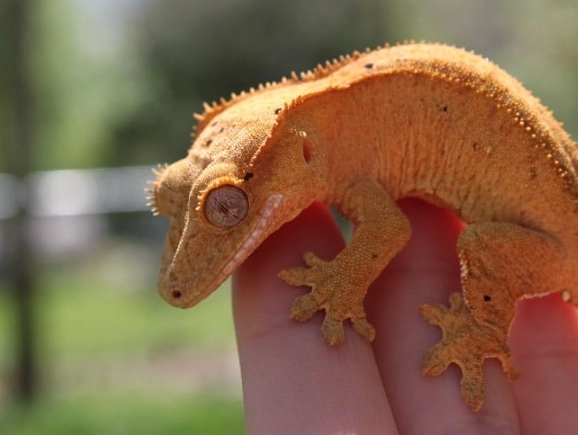
I rotate between a few Pangea flavors – Gizmo goes crazy for the "Fig & Insects" one. It's fun to see which one they prefer.
Avoid feeding them citrus fruits or avocado. And never offer wild-caught insects, which can carry pesticides or parasites.
Health and Common Problems: What to Watch For
A healthy crested gecko is alert, has clear eyes, a plump tail (their fat reserve), and a good appetite. Here are the red flags.
- Stuck Shed: Especially on toes and the tip of the tail. This can constrict blood flow and lead to loss of the toe or tail. Ensure your humidity spikes are high enough. A humid hide packed with damp sphagnum moss is a great insurance policy.
- Metabolic Bone Disease (MBD): This is caused by a lack of calcium. Symptoms include a wobbly jaw, bowed legs, tremors, and difficulty climbing. It's preventable with proper diet and supplementation. Once advanced, it's often irreversible.
- Weight Loss/Anorexia: A sunken tail base is a major warning sign. Causes can be stress, incorrect temperatures, parasites, or illness.
- Prolapse: This is a medical emergency where internal tissue protrudes from the vent. Keep the tissue moist with a sugar-water solution and get to an exotic vet immediately.
Find a vet before you have an emergency.
Not all vets treat reptiles. Search for an ARAV (Association of Reptilian and Amphibian Veterinarians) certified vet in your area. Have their number saved. Trust me.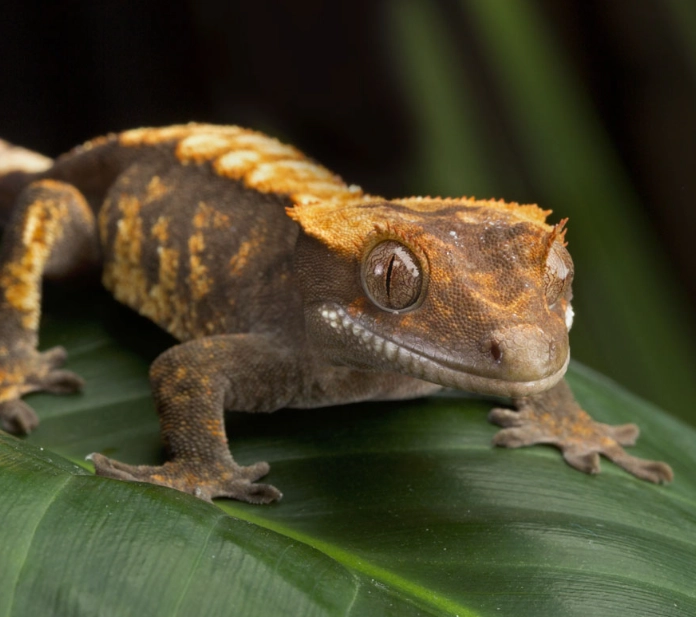
Understanding Crested Gecko Behavior
They're not just decoration. They have quirks.
Handling: Go slow. Let them walk onto your hand. Never grab them from above (you look like a predator). Start with short, gentle sessions. Some will never love it, but most tolerate it well. Wash your hands before and after.
Vocalizations: They can make little chirping or barking sounds, especially if annoyed or during breeding.
Licking: They lick everything to explore their world. It's normal.
Jumping/Flopping: They are not always graceful. They will leap with wild abandon. Handle them over a soft surface.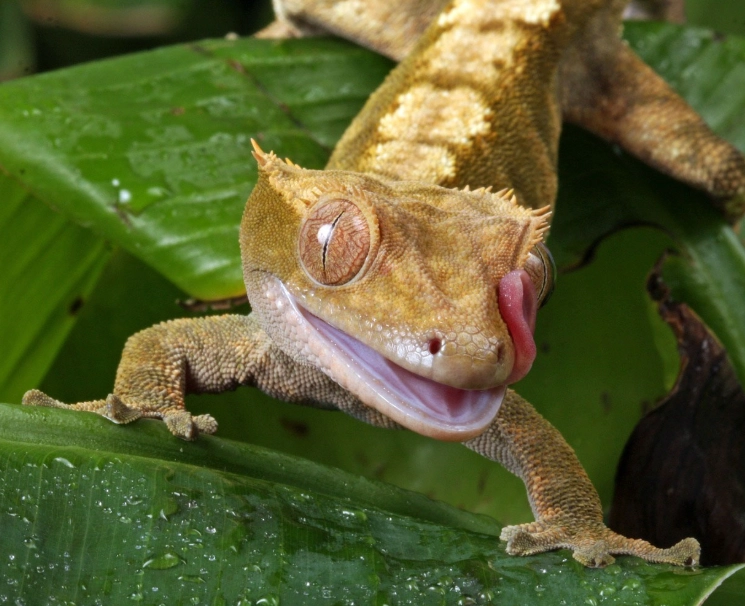
Your Crested Gecko Questions, Answered
I've gotten a ton of questions over the years. Here are the big ones.
Final Thoughts: Is a Crested Gecko Right for You?
If you want a low-maintenance, fascinating, and beautiful pet that doesn't need daily handling or a football-field-sized tank, then yes, a crested gecko is a fantastic choice.
But "low-maintenance" isn't "no-maintenance." You are committing to monitoring temperatures, managing humidity, providing a specific diet, and caring for a living creature for potentially two decades.
Do your research first – which you're doing right now! Set up the enclosure completely and let it run for a week to stabilize temperatures and humidity before you bring your gecko home. That's the single best piece of advice I can give.
When it all clicks, there's nothing quite like seeing your crested gecko thriving, watching it explore its little jungle, and knowing you've built it a perfect home. It's a deeply satisfying hobby. Just be prepared for the occasional 2 AM "thump" when it decides to take a flying leap for no apparent reason. They keep you on your toes.
Reader Comments