Your Quick Guide
- So, What Exactly is an Albino Leopard Gecko?
- The Three Main Types of Albino Leopard Geckos (It's Not Just One!)
- The Albino Leopard Gecko Care Guide: Getting It Right
- Health and Common Issues: What to Watch For
- Albino Leopard Gecko FAQs: Your Questions Answered
- Choosing and Buying Your Albino Leopard Gecko
I remember the first time I saw an albino leopard gecko. It was at a reptile expo, tucked away in a display tank, and it looked like something from a fairy tale—pale pinkish-yellow with those deep red eyes staring right back at me. I was hooked. But as I started researching, I realized there was a lot of confusion, and honestly, some pretty bad advice floating around out there.
If you're thinking about getting one of these stunning creatures, or if you already have one and want to make sure you're doing everything right, you've come to the right place. This isn't just a quick care sheet. We're going to dig deep into what makes an albino leopard gecko tick, the different types you might encounter, and the kind of care they really need, which is slightly different from your standard leopard gecko.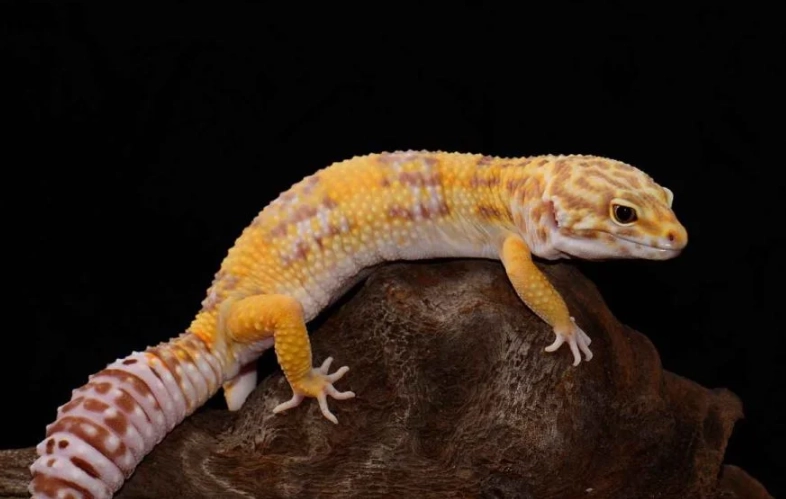
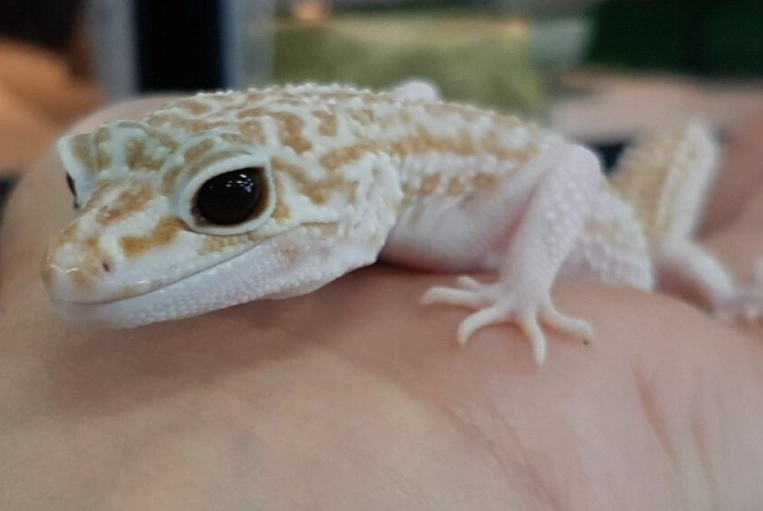
Let's clear something up right from the start. "Albino" in leopard geckos doesn't always mean pure white. It's a genetic lack of melanin (the black/brown pigment), but they can still have beautiful yellows, oranges, and pinks. And those eyes? They're not actually red because of blood vessels—it's a lack of pigment in the iris that lets the underlying retina show through. Cool, right?
So, What Exactly is an Albino Leopard Gecko?
This seems like a simple question, but it's where a lot of new owners get tripped up. An albino leopard gecko isn't sick, and it's not an ultra-rare, fragile animal. It's simply a leopard gecko that carries a specific genetic mutation.
The science behind it is pretty fascinating. The albinism gene is recessive. That means a gecko needs to inherit two copies of the gene (one from each parent) to visually show the albino traits. If it only has one copy, it looks normal but carries the gene—we call those "het" or heterozygous for albino. This is crucial for breeders, but even as an owner, it helps to know where your pet came from.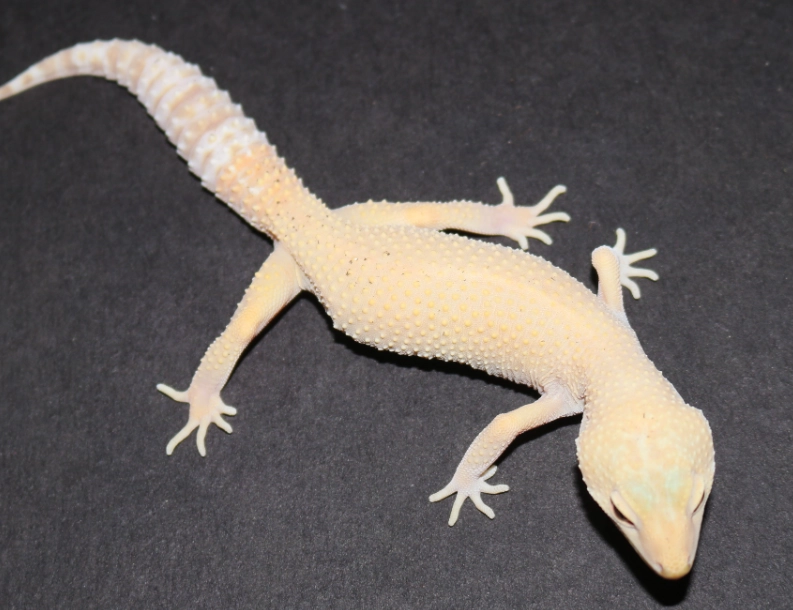
Because they lack dark pigment, an albino leopard gecko is more sensitive to light. This is the single most important care difference. Their eyes can't handle bright light the way a normal gecko's can. I made this mistake early on. I used the same bright basking bulb I had for my normal gecko, and my albino spent all day hiding, stressed out. Once I switched to very low-wattage or no light heating (like a ceramic heat emitter or an under-tank heater), his behavior completely changed. He was out more, ate better, just seemed happier.
Their skin is also more sensitive. They can get sunburned more easily from UVB lighting if it's too strong, though there's debate in the community about whether they need UVB at all. I don't use it for my albinos, and I rely on proper dusting of their food with calcium and vitamin D3 supplements instead. It's simpler and avoids any risk.
The Three Main Types of Albino Leopard Geckos (It's Not Just One!)
Here's where it gets really interesting, and where a lot of general care guides totally miss the mark. There isn't just one "albino" gene. There are three distinct, separate lines or strains: Tremper, Bell, and Rainwater (sometimes called Las Vegas). They are named after the breeders who first isolated and worked with them. They are not compatible with each other genetically.
What does that mean? If you breed a Tremper albino leopard gecko to a Bell albino leopard gecko, you won't get albino babies. You'll get normal-looking geckos that are "double het" for both strains. It's confusing, I know. Think of them as three different keys that fit three different locks. A Tremper key won't open a Bell lock.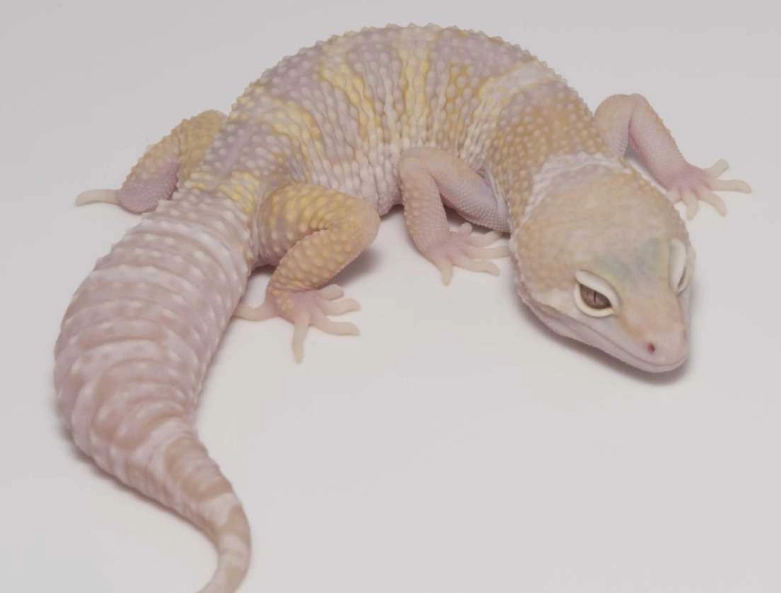
Visually, they can be tricky to tell apart, especially as hatchlings. But there are some general tendencies. Let's break them down in a way that's easier to digest.
| Strain | Common Coloration | Eye Color | Developer / History | My Personal Take |
|---|---|---|---|---|
| Tremper Albino | Often the lightest, can range from pale yellow to pinkish, brownish markings may appear as they age. | Typically silver, gray, or light pink. Often has a visible pupil. | Ron Tremper, the most common and first discovered (early 1990s). | The most widely available. I find them to be often the hardiest of the three, maybe because of the larger gene pool. |
| Bell Albino | Tends to have more contrast. Yellows and oranges can be brighter, with clearer white and yellow bands. | Often a deeper red or pink. The pupil can be harder to see. | Mark Bell. Known for strong, vibrant colors. | I personally find the Bell's eyes to be the most striking. Some lines are known for being a bit more high-strung, but that's not a hard rule. |
| Rainwater (Las Vegas) Albino | Known for soft, pastel peach and lavender tones. The "purple" hue is a trademark for some lines. | Usually a pinkish-lavender or coral color. | Tim Rainwater. The last of the three to be established. | The most "delicate" looking in color. They can be stunning. Some breeders note they mature slightly slower. |
Note: These are generalizations. Within each strain, there is massive variation depending on specific lineage, age, and even individual health and diet. A well-cared-for Bell might be calmer than a neglected Tremper. Temperament is more about handling and individual personality than strain.
Why does this matter for you as an owner? A few reasons. First, if you ever plan to breed, you must know which strain you have. Second, reputable breeders should know and tell you. If someone is selling you an "albino" and has no idea if it's Tremper, Bell, or Rainwater, that's a red flag. It shows a lack of basic knowledge about the morph. Third, some experienced keepers swear there are subtle differences in hardiness or temperament between the lines, though this is anecdotal.
The Albino Leopard Gecko Care Guide: Getting It Right
Alright, let's get into the nitty-gritty of care. The foundation is the same as for any leopard gecko: a secure, appropriately sized tank, proper heat, humidity, and a diet of gut-loaded insects. But we need to tweak a few things specifically for our light-sensitive albino friends.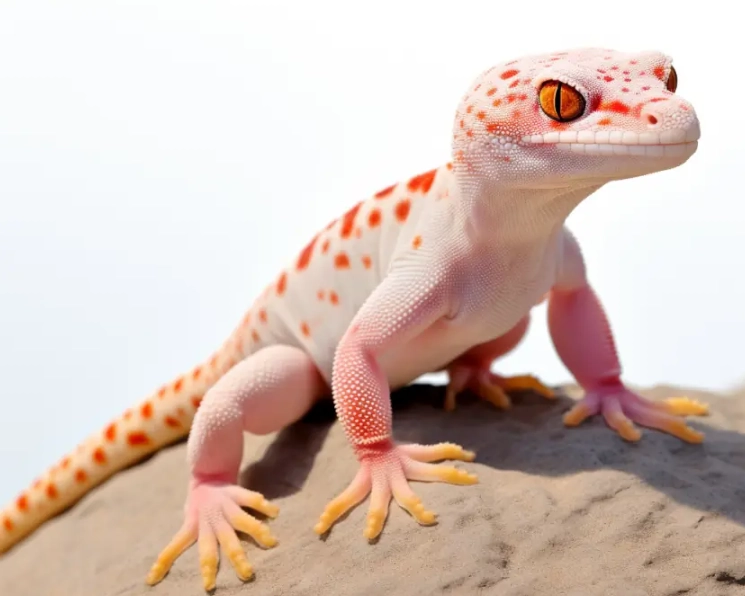
Housing and Habitat Setup: Creating a Comfortable Home
A 20-gallon long tank (30" x 12" x 12") is the absolute minimum for one adult gecko. I'd recommend going for a 40-gallon if you have the space. More room allows for better temperature gradients and more enrichment. The tank should be longer than it is tall since they are ground dwellers.
Now, here's the first major adjustment: Lighting. Or rather, the lack thereof. The biggest mistake I see with albino leopard gecko care is using bright white lights. Remember, their eyes are adapted for low light. Instead of a bright basking lamp, use one of these options:
- Ceramic Heat Emitter (CHE): My go-to choice. It screws into a standard lamp fixture, produces only heat (no light), and can be controlled by a thermostat. You just need a fixture rated for the wattage and a good-quality pulse thermostat.
- Under-Tank Heater (UTH): Another excellent option. It sticks to the bottom of the tank (outside!) and heats the surface above. Always use a thermostat with this! It's not optional. Unregulated UTHs can overheat and cause burns.
If you really want to use light for viewing, use a very dim LED light on a short timer or only turn it on when you're actively observing. Never leave bright lights on for extended periods.
Temperature is king. You need a warm side and a cool side. The warm hide should be sitting over the heat source (UTH or under the CHE) at about 88-92°F (31-33°C). The cool side should be around 75-80°F (24-27°C). At night, it can drop to the low 70s. I use two digital thermometers with probes—one on the warm side floor and one on the cool side. The stick-on analog ones are notoriously inaccurate.
Humidity should be around 40-50%. Spike it to 70-80% in a moist hide (a small container with damp sphagnum moss or paper towel) to help with shedding. Albino geckos can have slightly more noticeable shed issues because the old skin is more visible against their light color. A proper moist hide prevents this.
Substrate: This is a hot topic. For beginners and for albinos specifically, I strongly recommend avoiding loose substrates like sand, calcium sand, or soil mixes. The risk of impaction if ingested is real. Instead, use:
- Paper towel (cheap, easy to clean, but not pretty)
- Non-adhesive shelf liner (easy to clean, looks decent)
- Slate or ceramic tile (holds heat well, easy to spot clean, looks great)
I use tile for my main tank. It's a bit of work to cut initially, but it's fantastic.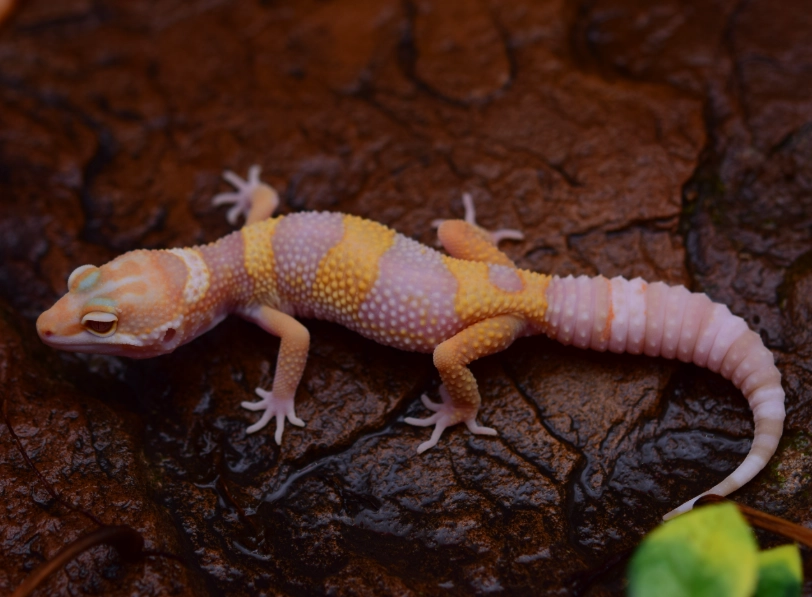
Feeding Your Albino Leopard Gecko
Good news—their diet is the same! They are insectivores. The staples are:
- Dubia roaches (my top pick—nutritious, don't smell, can't climb smooth surfaces)
- Crickets
- Mealworms (best fed from a dish so they don't burrow)
- Black soldier fly larvae (great calcium content)
Treats can include waxworms (very fatty, use sparingly) and hornworms (great for hydration).
The critical part is gut-loading and dusting. Gut-loading means feeding your insects nutritious foods (like carrots, sweet potato, commercial gut-load) for 24-48 hours before feeding them to your gecko. You are what your food eats!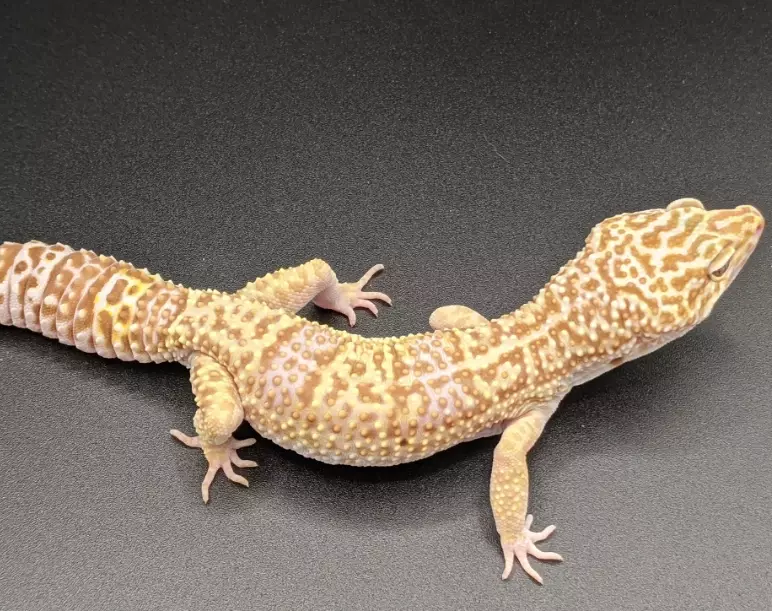
Dusting is where we make up for potential lack of UVB. You need two supplements:
- Calcium with Vitamin D3: Dust insects with this at most feedings (every other feeding is a good rule).
- Multivitamin: Use a reptile-specific multivitamin once a week.
Health and Common Issues: What to Watch For
Albino leopard geckos are generally as hardy as their normal counterparts if cared for properly. However, their specific genetics mean we need to be vigilant about a few things.
Eye Issues: Their sensitive eyes are prone to irritation. Signs include squinting, keeping the eye closed, swelling, or discharge. This can be caused by substrate particles, low humidity, or infections. If you see this, a vet visit is a good idea. For minor irritation, a vet might recommend a saline rinse.
Shedding Problems: Because their shed skin is so light, it can be hard to see if they've gotten it all off, especially on toes and the tip of the tail. Always check after a shed. Retained shed can constrict toes and lead to loss. A proper moist hide is the best prevention.
Skin Sensitivity: Some keepers report that albinos can be slightly more prone to scrapes and minor injuries. Just handle with care and ensure the tank decorations have no sharp edges.
The other common leopard gecko health issues still apply: metabolic bone disease (MBD) from poor calcium/D3, impaction from eating substrate or too-large insects, and respiratory infections from incorrect temperature/humidity.
How do you find a good vet? Look for an exotics or reptile veterinarian. A regular cat-and-dog vet often lacks the specific knowledge. The Association of Reptilian and Amphibian Veterinarians (ARAV) has a "Find a Vet" tool on their website, which is an invaluable resource.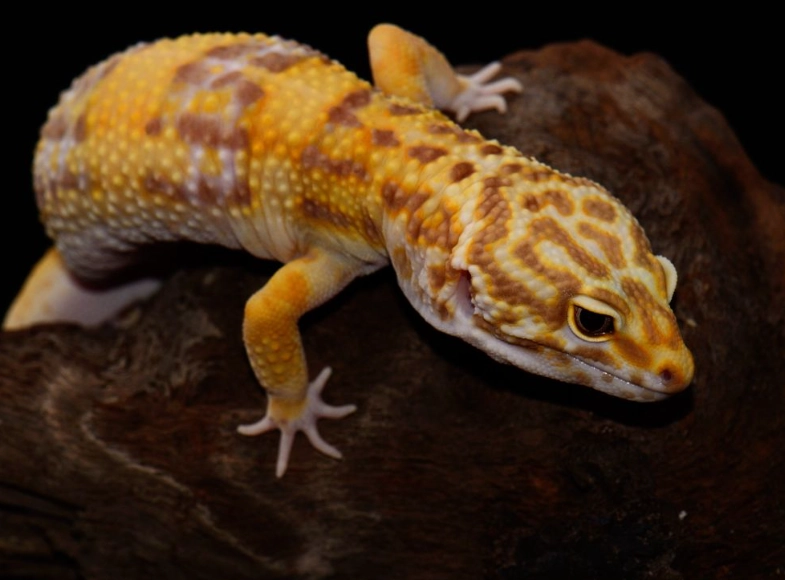
Albino Leopard Gecko FAQs: Your Questions Answered
Choosing and Buying Your Albino Leopard Gecko
Where you get your gecko sets the stage for its entire life. Avoid big chain pet stores if you can. The geckos are often stressed, of unknown origin and genetics, and may have underlying health issues.
Instead, look for:
- Reputable Breeders: Found at reptile expos or online. They should be able to answer all your questions about strain, parents, hatch date, and feeding history. Websites like MorphMarket host many breeders with reviews.
- Reptile Rescues: A wonderful option. Adult geckos often need rehoming.
When you pick one out, look for signs of health: clear, bright eyes (even if red/pink), a plump tail (the fat store), alertness, no visible ribs or hip bones, clean vent, and no stuck shed on toes. Don't be shy to ask to see it eat.
At the end of the day, sharing your life with an albino leopard gecko is incredibly rewarding. That moment when your pale, pinkish friend climbs onto your hand, trusts you enough to fall asleep in your lap, or eagerly hunts its dinner is pure magic. It's a relationship built on understanding their specific needs—respecting their sensitivity to light, providing the right nutrition, and giving them a secure home.
They're not just a pretty face; they're curious, personable little reptiles with individual quirks. My oldest albino, a Tremper named Noodle, has a specific spot on his log he must sit on every evening. If I move it during cleaning, he'll nudge it back into place. It's those little things that make it so special.
Do your research, set up the tank correctly before you bring one home, and be prepared for a pet that will be part of your life for decades. The albino leopard gecko, in all its strains, is a testament to the amazing diversity within a single species, and caring for one properly is a deeply satisfying experience.
Got more questions? The reptile community is vast and generally helpful. Forums and groups dedicated to leopard geckos are full of experienced keepers. Just remember to cross-reference any advice, especially when it comes to the unique needs of your light-sensitive albino.
Reader Comments