You look at your leopard gecko, calmly basking under its heat lamp. It’s cute, seemingly docile. You wonder, does it want to come out? Would it enjoy sitting on your hand? The short, honest answer is no. Leopard geckos do not inherently "like" or seek out being held in the emotional way a dog or cat might. But that’s not the end of the story—it’s the crucial starting point for learning how to interact with them in a way they can tolerate, and even come to accept peacefully.
They are prey animals, hardwired to see large moving objects (your hand) as potential threats. However, through patience and understanding their unique psychology, you can build a bond based on trust rather than affection. Handling can become a stress-free part of their routine, which is beneficial for health checks and enrichment. Getting this wrong, though, leads to a stressed, hiding pet and a frustrated owner.
What You'll Find in This Guide
The Simple Truth: They Tolerate, Not Crave
Let's be clear. A leopard gecko's brain isn't wired for social bonding or cuddling. In the wild, their survival depends on avoiding contact. So when you pick them up, the best possible outcome from their perspective is that it's a neutral, non-threatening event. The worst is pure panic.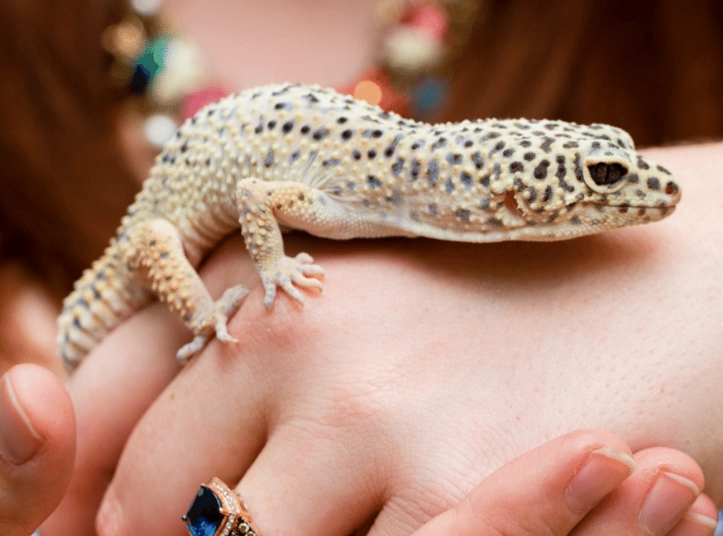
The goal of responsible handling is to move their experience from "panic" to "neutral." A truly successful handling session is one where your gecko remains calm, explores a bit, and doesn't try to bolt. That's a win. Expecting them to curl up and purr is setting yourself—and your pet—up for failure.
Think of it like this: you might tolerate a routine dental cleaning. You don't enjoy it, but you understand it's necessary and you trust the hygienist not to hurt you. That's the relationship you're building.
Key Insight: The value of handling isn't in the gecko's enjoyment, but in the benefits it provides: easier health monitoring, reduced stress during necessary tank maintenance, and mental stimulation through a change of environment (when done safely).
How to Read Your Gecko's Body Language (It's Not Obvious)
This is where most new owners trip up. Reptile stress signals are subtle. A cat hisses, a dog growls. A leopard gecko might just... sit there. But that stillness can be terror, not contentment.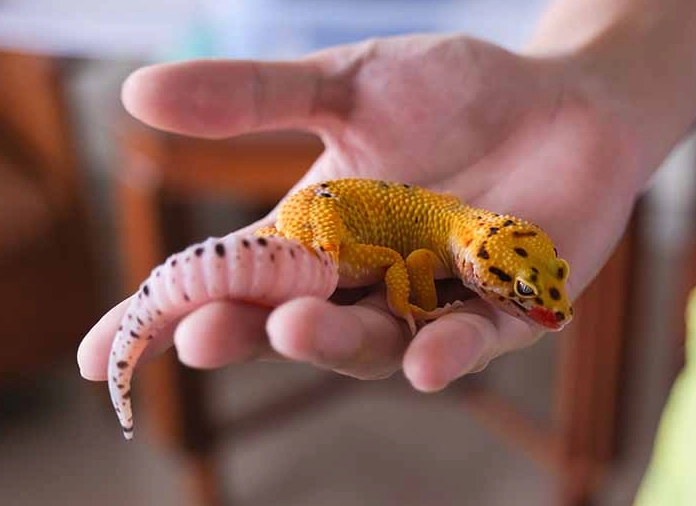
You need to become a detective. Here’s what to look for, broken down from clear "red flags" to subtle "yellow lights."
| Body Signal | What It Usually Means | Action to Take |
|---|---|---|
| Rapid Tail Twitch/Vibration | High alert, agitation, or defensive posture. Often precedes a bite or a defensive lunge. This is a major red flag. | Stop approaching. Back off and give space. |
| Hissing or Squeaking | Fear and a clear "back off" warning. Less common but very direct. | Immediately cease handling attempts. |
| Puffing Up Body | Trying to look bigger to scare a threat. Definite stress. | Do not attempt to pick up. Wait for them to relax. |
| Freezing Completely | Classic prey response: "If I don't move, it won't see me." Often mistaken for calmness. | Move very slowly. This is not a green light to grab. |
| Actively Hiding or Fleeing | Clear desire to avoid interaction. | Respect their choice. Try again later. |
| Slow Tail Wag | Focused curiosity or mild interest. Often seen when stalking food or investigating something new. | This can be a neutral or curious sign. Proceed with calm caution. |
| Licking | Using their Jacobson's organ to "smell" their environment, including you. A sign of investigation. | A good sign! They are gathering information, not panicking. |
| Walking Calmly, Eyes Relaxed | Contentment and lack of immediate threat. The ideal state. | This is the goal during handling. |
One nuance rarely discussed: watch the eyes. A stressed gecko's eyes might be wide, darting. A calm one has softer, more deliberate movements. Also, a gecko that readily eats from tonges in your presence is showing a high level of trust—they associate you with positive things (food). That's a better bonding metric than handling tolerance.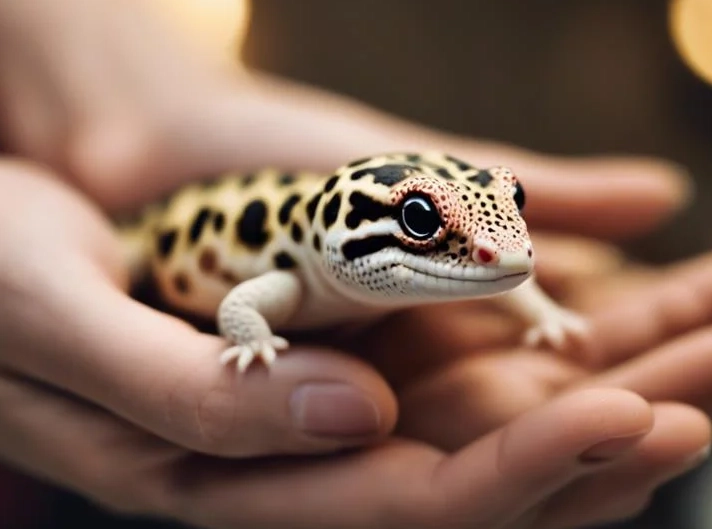
A Step-by-Step Guide to Building Trust for Handling
You can't force trust. You can only create the conditions for it to grow. Rushing this process is the number one cause of failed human-gecko relationships. Follow these stages, and move forward only when your gecko is consistently comfortable at the current stage.
Stage 1: The Settling-In Period (Week 1-2)
Do not handle at all. I know it's tempting. Don't. Your job is to be a quiet, non-threatening presence. Change water, offer food, but avoid sudden movements. Let them learn their tank is safe. A study in the Journal of Herpetology notes that reptiles need a period of acclimation without disturbance to establish baseline stress levels.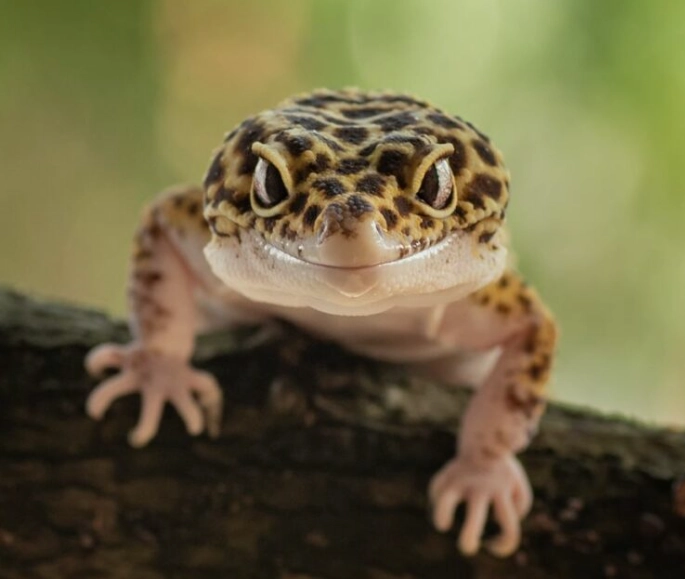
Stage 2: Presence and Association (Week 3-4)
Spend time near the tank daily, talking softly. Start hand-feeding with tongs. Place your hand flat and still on the bottom of the tank during feeding time, not near the gecko, just so they get used to its shape and scent. The goal is to create a positive link: your presence = food (a very good thing).
Stage 3: The First Contact (When They Seem Curious)
Wait for a time when your gecko is out and about, not hiding. Slowly place your hand in the tank, palm up, in front of them but not looming over. Let them approach. They might lick or even walk onto you. If they do, don't lift yet. Just let them explore your hand inside the tank for a minute, then let them walk off. Repeat this for several days.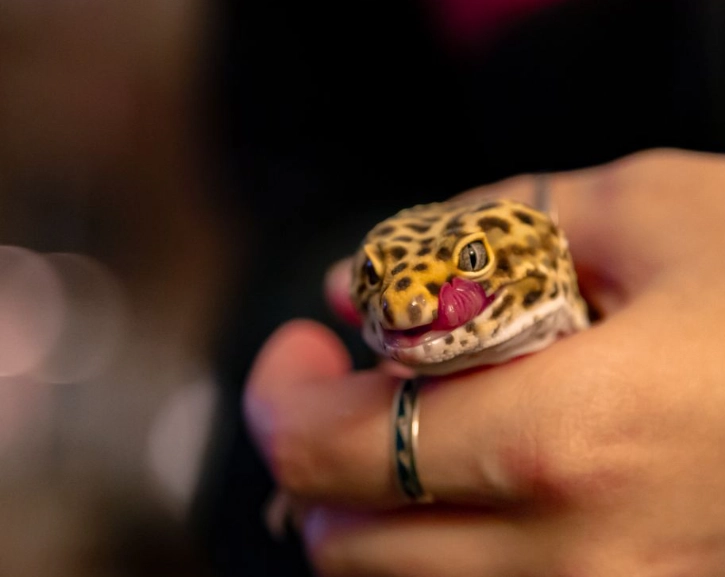
Stage 4: The First Lift (The Big Moment)
When they readily walk onto your hand in the tank, it's time. Scoop from below, supporting their entire body. Lift just an inch or two, hold for 10-15 seconds, then gently place them back. Do this over a soft surface like your bed. Keep the session incredibly short. Success is no panic, no tail vibration.
Stage 5: Building Duration and Frequency
Gradually increase time to 5, then 10 minutes, a few times a week. Always let them initiate contact by walking onto you when possible. Handle in a secure, enclosed space. My personal routine with my gecko, Leo, is 10-15 minutes of lap-time on the couch while I watch TV, twice a week. He mostly sits still or explores the blanket. That's our version of bonding.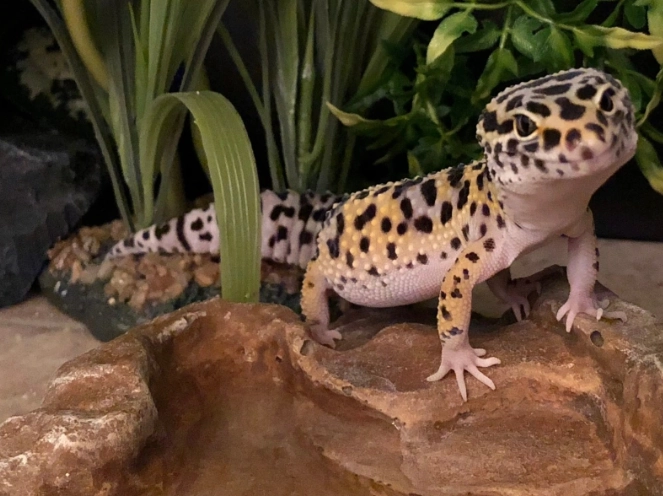
Common Handling Mistakes Even Experienced Owners Make
I've seen these errors for years in online forums and even from seasoned keepers.
Grabbing from above. You are mimicking a bird of prey. Always scoop from below.
Handling after shedding or before/during feeding. They are vulnerable and irritable. Leave them alone.
Over-handling. More is not better. Even a tolerant gecko needs days off. Chronic low-level stress suppresses the immune system.
Ignoring the tail. That slow wave? It's focus. That fast twitch? It's a warning sign many miss until they get bitten. The tail tells all.
Assuming daytime is best. Leopard geckos are crepuscular (dawn/dusk active). Late evening is often when they are most alert and receptive to short interaction, not in the middle of the day when they want to sleep.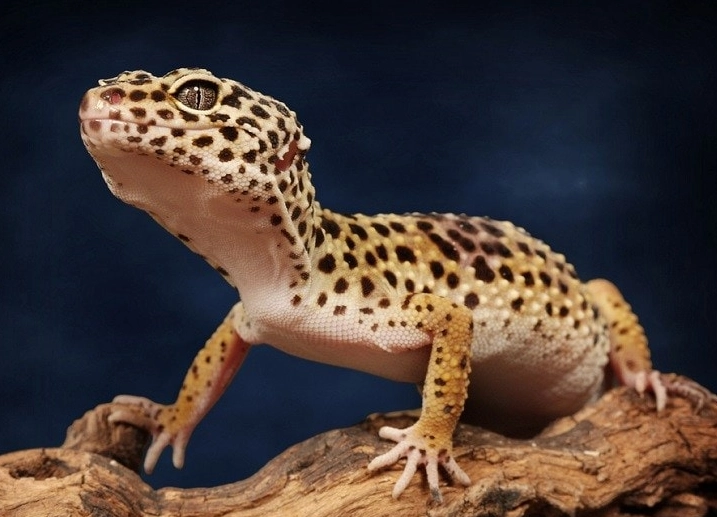
Your Handling Questions, Answered
The bottom line is this: asking if leopard geckos like to be held is asking the wrong question. The right question is, "How can I interact with my leopard gecko in a way that respects its nature and minimizes its stress?" When you focus on that, you stop chasing a fantasy of a cuddly pet and start building a real, respectful relationship with a fascinating creature. You'll learn its unique personality—some are bold, some are shy—and you'll find satisfaction in seeing it thrive, calm and secure, even if it never "likes" being held in the way you once imagined.
Reader Comments