You've seen the pictures. Those incredible leopard geckos with soft pink hues and subtle blue-gray tones, looking like they stepped out of a pastel dream. The "pink and blue leopard gecko" isn't a single, official morph you can order from a catalog. It's a color description that captures a specific, highly sought-after aesthetic in the leopard gecko world. It's the result of complex genetics, combining traits from several morphs. I've been breeding and keeping leopard geckos for over a decade, and I still get a thrill when a hatchling shows those perfect pink and slate-blue shades. But here's the thing many new enthusiasts miss: achieving that look is one part genetics, and nine parts exceptional care. A stressed or poorly kept gecko, no matter its genes, will look dull and washed out.
Your Quick Guide to Pink and Blue Leopard Geckos
What Exactly Are Pink and Blue Leopard Geckos?
Let's clear this up first. When people search for a "pink and blue leopard gecko," they're usually picturing an animal with a pale, creamy, or lavender-pink base color, contrasted with darker patterning that has a distinct blue, gray, or charcoal tone. The belly is typically clean and white. This isn't a morph with a specific name like "Albino" or "Mack Snow." Instead, it's a phenotype—the visible outcome—created by stacking multiple genetic traits.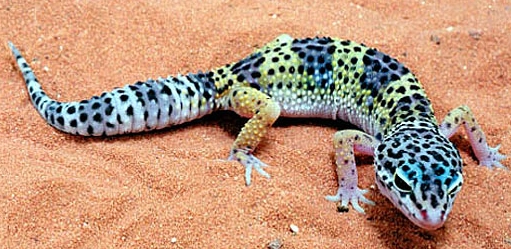
The "pink" often comes from morphs that reduce black pigment (melanin), like Albino strains (Tremper, Bell, or Rainwater) or the Murphy Patternless. The "blue" or gray tones usually come from morphs that affect the pattern's color, such as the Mack Snow, Blizzard, or certain lines of Eclipse. A gecko sold as "pink and blue" might be, for example, a Mack Snow Albino or a Super Snow Albino that exhibits these particular shades. The exact hue can vary dramatically based on temperature, mood, and even the time since their last shed.
I remember getting my first "pink and blue" gecko, a Mack Snow Tremper Albino. In the breeder's photo, she looked lavender and silver. Under my care lights at home, she looked more beige. It was a lesson in managing expectations—the lighting in promotional photos is everything. The true, soft colors often show best in natural, indirect light.
How to Care for Your Pink and Blue Leopard Gecko
Proper leopard gecko care is non-negotiable, but when you're aiming to maintain those delicate pastel colors, a few details become extra important. A healthy gecko is a vibrant gecko.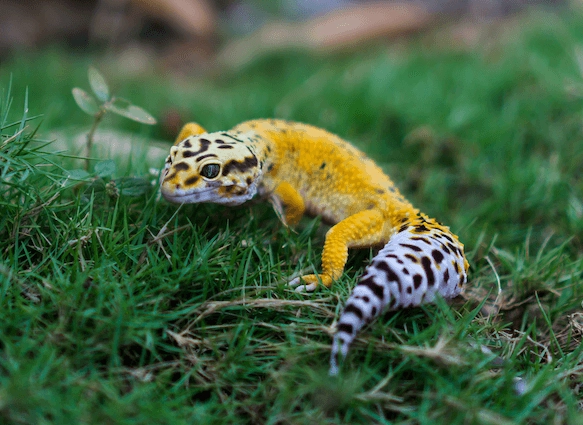
The Essential Setup: Tank, Heat, and Hides
Start with a 20-gallon long tank as a minimum for one adult. Bigger is always better. The single biggest mistake I see? Incorrect heat gradient. You need a warm side and a cool side. The warm side should have a floor temperature of 88-92°F (31-33°C), achieved with an under-tank heating pad regulated by a thermostat. Do not rely on a heat lamp alone for belly heat—they need that warmth from below to digest food. The cool side should be around 70-75°F (21-24°C). No special UVB lighting is strictly necessary if you provide proper supplements, but many advanced keepers (myself included) use low-output UVB for potential health benefits.
You must provide three hides: one on the warm side (over the heat pad), one on the cool side, and one humid hide in the middle. The humid hide—a simple plastic container filled with damp sphagnum moss or paper towels—is critical for problem-free sheds. Stuck shed on toes or tail is a common issue, and for a gecko valued for its appearance, it can cause lasting damage.
Feeding for Health and Color
Their diet is straightforward: gut-loaded insects. Crickets, dubia roaches, and mealworms are staples. Here's the nuance most care sheets gloss over: variety matters more than you think. Feeding only mealworms can lead to a fatty liver over time. I rotate between dubias (for protein), crickets (for movement/stimulation), and the occasional treat like a waxworm.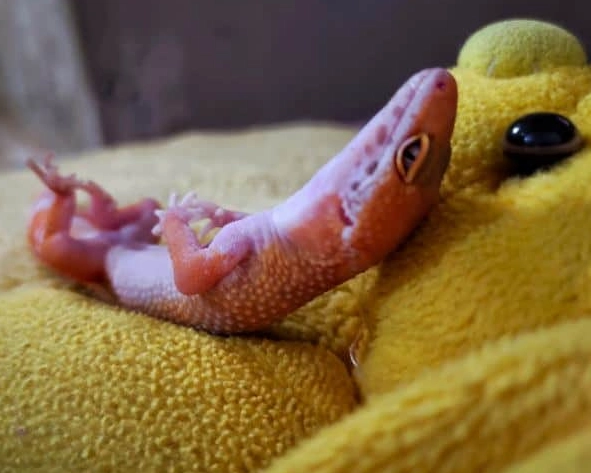
Supplementation is where color and health truly intersect. You need two powders: a pure calcium powder (without D3) available in a small dish in the tank at all times, and a calcium powder with D3/multivitamin mix. The schedule isn't one-size-fits-all. For a growing juvenile, dust almost every feeding with the D3/vitamin mix. For a healthy adult, I follow a simpler schedule: dust with the D3/vitamin mix once a week, and with pure calcium once a week. The rest of the feedings are with undusted insects. Proper vitamins support their immune system, which in turn keeps their skin and coloration optimal.
| Life Stage | Feeding Frequency | Key Supplement Focus |
|---|---|---|
| Hatchling (0-4 months) | Daily, small meals | Calcium with D3 at almost every feeding for rapid bone growth. |
| Juvenile (4-12 months) | Every other day | Continue regular D3/vitamin dusting; establish gut-loading routine. |
| Adult (12+ months) | Every 2-3 days | Maintenance schedule: D3/vitamin 1x/week, pure calcium 1x/week. |
The Genetics Behind the Colors: Popular Morphs
If you want to understand where the pink and blue comes from, you need to know the players. Here are the morphs most commonly involved in creating that iconic look.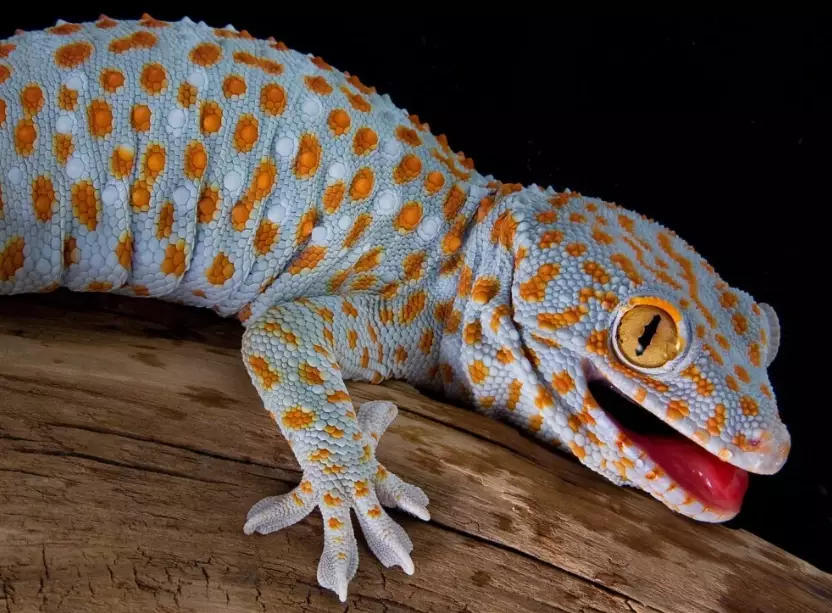
Mack Snow: This is the classic for "blue." Mack Snows have a reduced yellow pigment, giving their pattern a gray, blue, or charcoal color against a lighter background. A "Super Snow" (two copies of the gene) is often mostly white with bold black patterns. When combined with an Albino gene, the black becomes a dark brown or purple, and the background can turn a beautiful pale pink or lavender.
Albino Strains (Tremper, Bell, Rainwater): These remove the black melanin. The body becomes shades of yellow, pink, peach, or lavender. The eyes are red or pink. A Mack Snow Albino is a prime candidate for the pink and blue look—the Snow adds the cool gray/blue pattern, and the Albino softens the base to pink.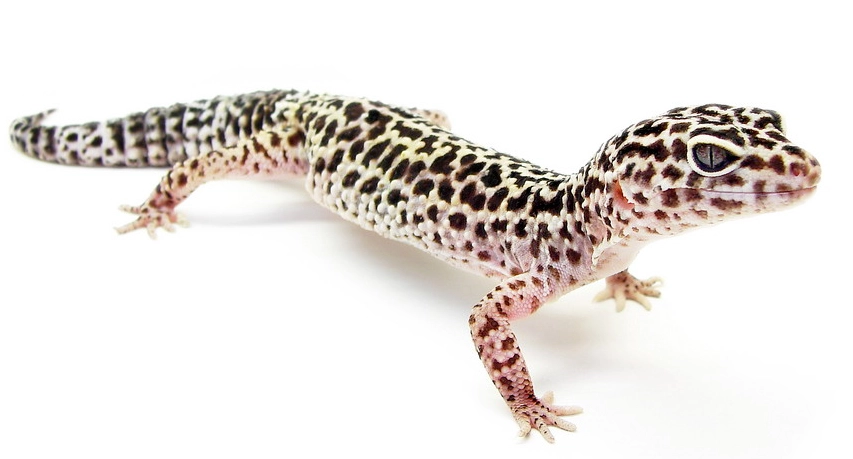
Blizzard: A Blizzard is all one solid color, ranging from yellow to gray to almost purple. A "Blazing Blizzard" (Blizzard + Albino) is often a stunning solid pink, yellow, or white. While not patterned, they contribute those clean, pastel pink genes to breeding projects.
Murphy Patternless: This morph starts life with bands, which fade to a solid color as adults—often a lovely lavender, yellow, or pink. They can introduce those soft pinkish-purple tones.
Breeding for specific colors is an art. A breeder might pair a Mack Snow Albino with a Murphy Patternless to try and get offspring with both the snow's cool pattern and the patternless's uniform pink body. The results are never guaranteed, which is why geckos with the perfect pink and blue combination command higher prices.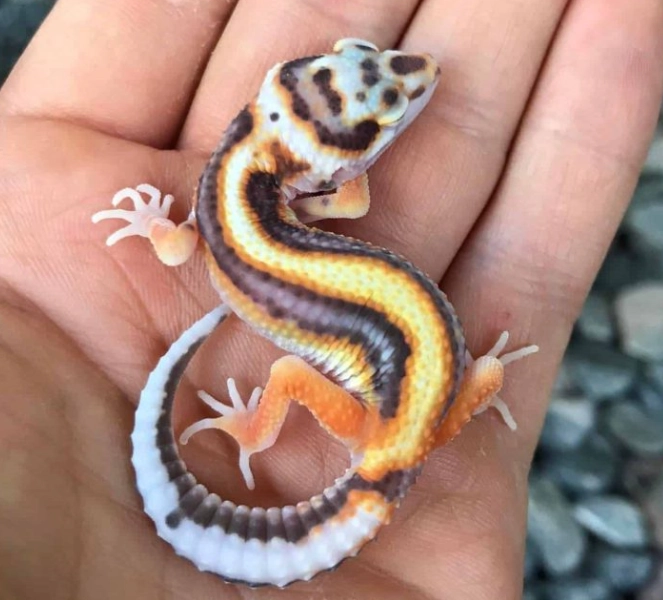
Finding and Choosing Your Pink and Blue Gecko
Don't just search "pink and blue leopard gecko for sale" and buy the first one you see. Your sourcing strategy matters.
Reputable Breeders vs. Big-Box Stores: Always choose a specialized breeder. You can find them at reptile expos or on platforms like MorphMarket. Breeders know the genetics of their animals, can provide health history, and their geckos are usually better socialized. Pet store geckos are often generic "fancy" leopard geckos of unknown origin and may have underlying health issues. The price from a breeder will be higher ($100-$400+ depending on morph combination), but it's an investment in a healthy animal.
What to Look For: Look for clear, bright eyes, a plump tail (the main fat store), and alert behavior. Ask the breeder specific questions: "What morphs are the parents?" "What hatch date?" "Can I see a feeding video?" A good breeder will happily provide this. Be wary of geckos that look overly dark or ashy—this can indicate stress, cold temperatures, or an impending shed, which masks their true color.
Be patient. The perfect pink and blue gecko might not be available immediately. It's better to wait for a healthy animal from a trusted source than to rush into a purchase you'll regret.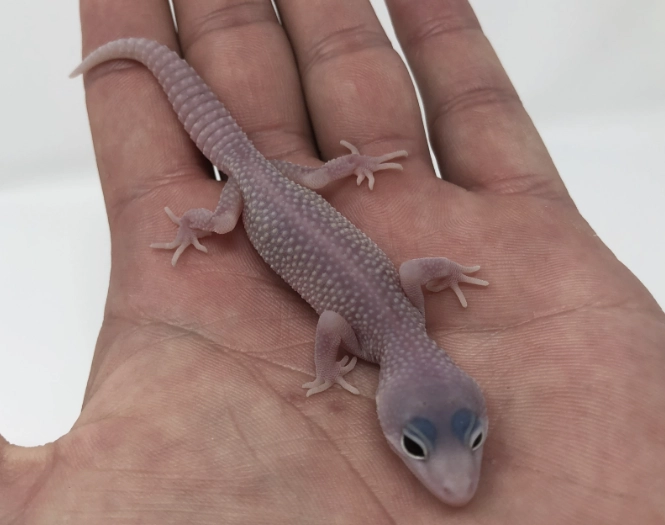
Your Top Questions Answered
Are pink and blue leopard geckos good for beginners?
The care requirements are identical to any other leopard gecko morph, which makes them an excellent beginner reptile. However, the cost is the main differentiator. Starting with a more affordable normal or high-yellow morph lets you master basic care—like nailing the temperature gradient and feeding schedule—without the pressure of a high-price-tag animal. Make your mistakes (and you will make a few) on a $50 gecko, not a $300 one.
Why does my gecko's color look duller some days?
Color changes are normal and are a big part of why they're so fascinating. A gecko will often look darker and more contrasted when it's cool (to absorb more heat) or stressed. They look their brightest and most vibrant right after a shed and when they are perfectly warm and content. Don't panic if your pink and blue beauty looks a little gray after a car ride home; give it a week to settle in.
What's the most common health issue you see in these color morphs?
Eye issues in Albino strains. The lack of pigment makes their eyes more sensitive to bright light. They may squint more in direct light. This is why I recommend providing plenty of shaded areas and avoiding excessively bright enclosures. Also, all leopard geckos are prone to metabolic bone disease from poor supplementation, but a gecko with delicate bone structure from fancy genetics might show symptoms faster if calcium is lacking.
How can I enhance my gecko's pink and blue colors?
Focus on supreme health, not gimmicks. There's no "color-enhancing" food. First, ensure perfect husbandry: precise heat, a varied, well-supplemented diet, and a stress-free environment. Second, consider your tank background. Housing them against a black or dark background can make them appear paler and more washed out. A neutral beige or white background can make their colors pop more visually. Finally, remember that genetics are the limit—you can't make a gecko a color it isn't genetically programmed to be.
The journey with a pink and blue leopard gecko is incredibly rewarding. It's a mix of appreciating living art and practicing diligent, thoughtful animal care. By understanding the genetics behind their beauty and committing to their well-being, you'll ensure your pastel-colored companion thrives for its full 15-20 year lifespan, looking stunning every step of the way.
Reader Comments