Let's cut to the chase. A well-cared-for female leopard gecko can live between 10 to 20 years in captivity. That's a big range, right? It's not just luck. Hitting that 15 or 20-year mark isn't about having a super-gecko; it's about nailing the care. I've seen geckos sputter out at 8 years from preventable issues, and I've gently handled wise old ladies pushing 22.
The "average" gets thrown around a lot—often said to be 10-15 years. But for females, the conversation gets more nuanced. Her longevity is uniquely tied to her reproductive biology, something male geckos don't have to contend with.
What You'll Learn in This Guide
The Lifespan Range: What to Really Expect
Think of the lifespan in tiers.
6-10 Years (The Short End): This usually points to chronic, low-grade issues. Maybe inconsistent heating leading to poor digestion and a sluggish immune system. Often, it's a subtle but critical nutritional deficit—calcium without enough D3, for instance. Sometimes it's the cumulative stress of improper housing (too small, no hides, cohabitation).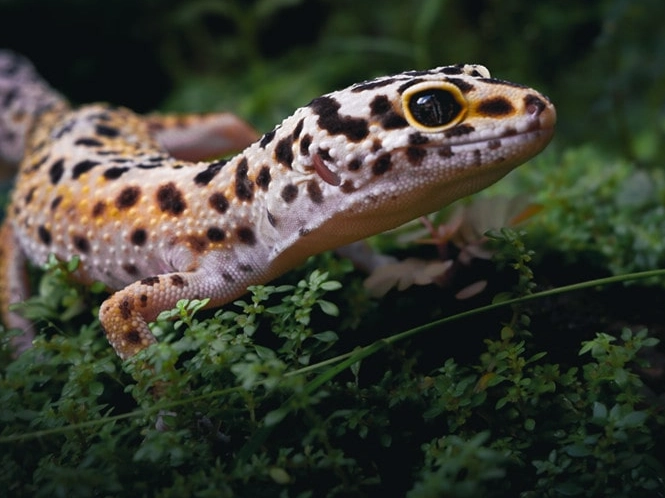
10-15 Years (The Solid Achievement): This is where you land with good, consistent care. You're hitting the basics: a proper temperature gradient, a varied diet, regular supplements. Her enclosure is clean and secure. She's healthy, active, and sheds perfectly. Most dedicated pet owners should aim for and expect this range.
15-20+ Years (The Gold Standard): This is expert-level husbandry. It means you've not only mastered the basics but also optimized the details. You're proactive about health, you've perfectly balanced her nutritional needs, especially post-egg-laying, and you've created an exceptionally low-stress environment. Genetics play a role here, but care is the dominant factor.
Here's a perspective shift: A study in the Journal of Animal Welfare on reptile longevity consistently shows that cause of death in captivity is far more linked to husbandry-related diseases (metabolic, reproductive, infectious) than to "old age." In other words, they don't just "wear out"; we usually fail them in a specific, preventable way.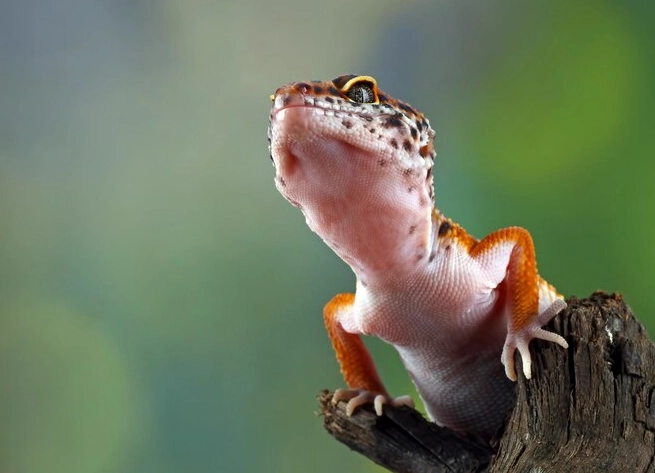
How to Maximize Your Female Leopard Gecko's Lifespan
This is the actionable part. Let's break it down into the pillars of long-term health.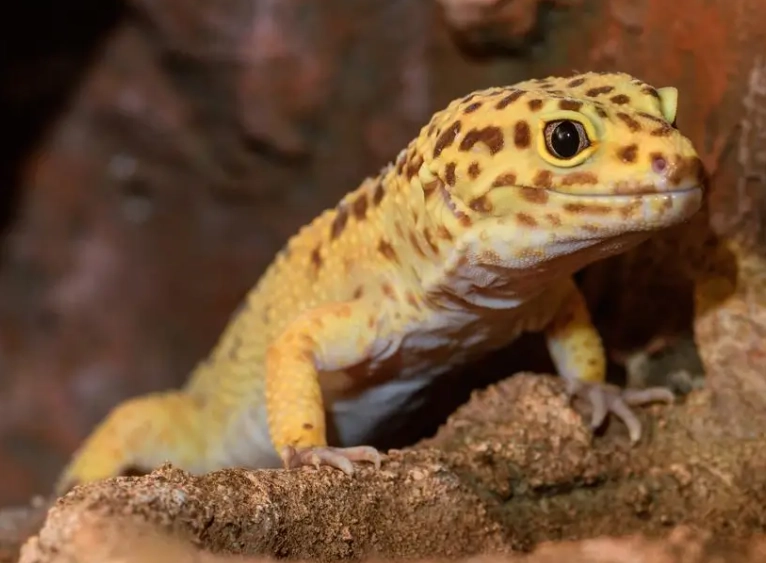
Diet and Supplementation: The Foundation of Health
You can't just feed crickets. Her diet is her fuel and her building blocks, especially for egg production.
Staple Feeders: Dubai roaches and crickets are excellent staples. Mealworms and superworms are okay as part of a mix, but they're higher in fat and chitin. I lean towards roaches for their better nutritional profile and ease of keeping.
Supplementation is NON-NEGOTIABLE: This is where I see the most universal mistake. You need two powders:
- Calcium with Vitamin D3: Used at almost every feeding for indoor geckos. D3 is essential for calcium absorption without UVB lighting.
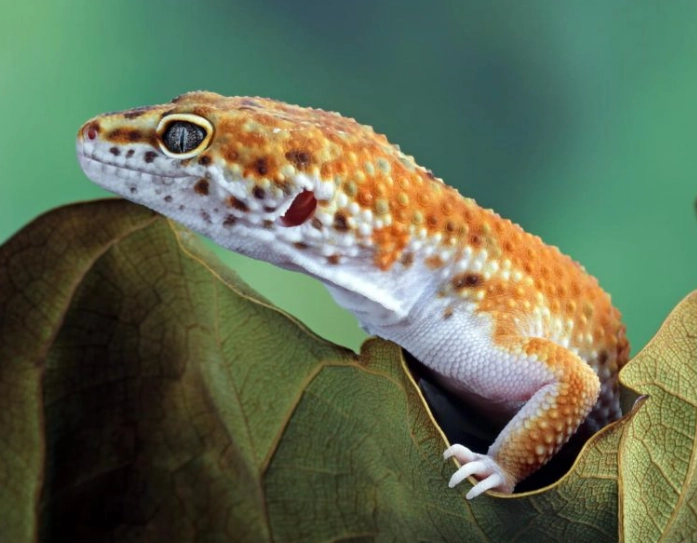
- A high-quality multivitamin: This provides Vitamin A (crucial for eye and skin health), other trace minerals, and more. Use this 1-2 times a week.
A pure calcium powder (without D3) can be left in a tiny dish in the enclosure for her to self-regulate, especially if she's laying eggs.
Housing and Environment: Creating a Sanctuary
Stress shortens lives. Her tank should be a peaceful, predictable place.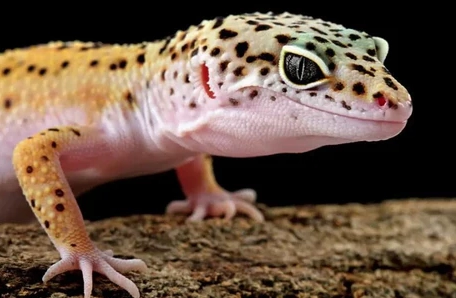
Tank Size: A 20-gallon long is the minimum for an adult. Bigger is always better. It allows for a proper thermal gradient.
The Thermal Gradient: This is physiology 101. You need a warm side with an under-tank heater regulated by a thermostat (aim for 88-92°F on the hot spot) and a cool side around 75-80°F. She needs to move between these to digest food and regulate her metabolism.
Hides: At least three: one on the warm moist hide (with damp sphagnum moss for shedding), one on the cool dry side, and one in the middle. Feeling exposed is a constant low-level stressor.
Substrate: Keep it simple and safe. Paper towel, slate tile, or a non-particulate liner. Loose substrates like sand or calcium sand are a risk for impaction—a painful, often fatal blockage.
The Breeding Question: A Major Factor for Females
If you are not a serious, knowledgeable breeder, do not breed your female leopard gecko. Full stop.
Egg production is metabolically expensive. It leaches calcium and nutrients from her body. A female pushed to produce clutch after clutch will have a significantly shorter lifespan and higher risk of deadly conditions like egg binding (dystocia) and calcium deficiency (hypocalcemia).
Responsible breeders retire female breeders young, often by age 5 or 6, to let them live out a full life. An unbred female has a much simpler, less taxing path to maximum longevity.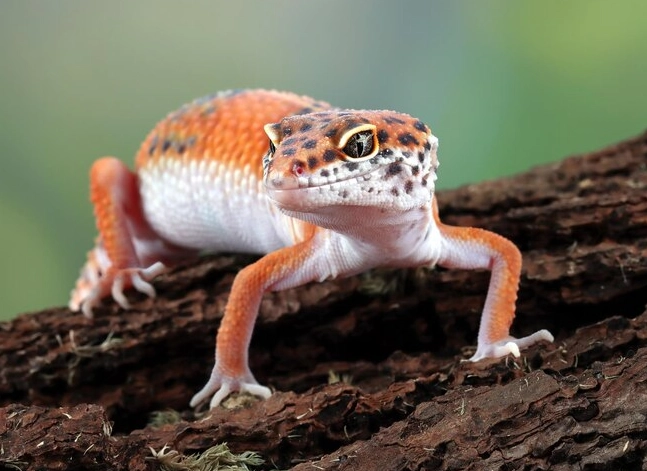
| Factor | Shortens Lifespan | Extends Lifespan |
|---|---|---|
| Diet | Single feeder insect, no supplements | Varied feeders, calcium+D3 + multivitamin regimen |
| Temperature | No gradient, constant cool or erratic heat | Stable 88-92°F hotspot, 75-80°F cool side via thermostat |
| Reproduction | Frequent, back-to-back breeding | No breeding, or limited clutches with long rest periods |
| Health Monitoring | Reactive care (treating when sick) | Proactive care (annual checks, weight logs, observing habits) |
| Enrichment | Bare, empty tank | Clutter, branches, multiple hides, dig box |
What Are the Biggest Threats to a Female Leopard Gecko's Longevity?
Knowing the pitfalls is half the battle.
1. Metabolic Bone Disease (MBD): The silent crippler. Caused by chronic calcium and/or Vitamin D3 deficiency. Bones become soft, jaws rubbery, spines kinked. It's painful and irreversible in advanced stages. Prevention is 100% possible with proper dusting.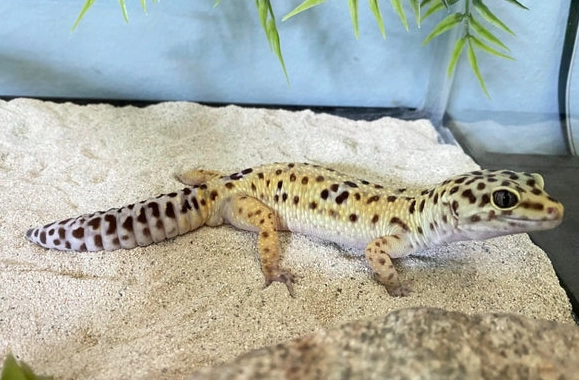
2. Egg Binding (Dystocia): A female-specific emergency. An egg gets stuck in her oviduct. Causes include poor nutrition (low calcium), dehydration, incorrect temperatures, obesity, or genetics. It's fatal without urgent veterinary intervention. Prevention focuses on optimal nutrition, hydration, and providing a proper, moist lay box if she is gravid.
3. Fatty Liver Disease (Hepatic Lipidosis): From a diet too high in fat (like only superworms) combined with low activity. The liver fails. Keep her active with enclosure clutter and feed leaner staples.
4. Chronic Stress: This is subtler. Cohabitation (housing geckos together) is a huge source. So is excessive handling, loud noises, or an insecure enclosure with few hides. Stress suppresses the immune system, making her vulnerable to everything else.
A Non-Consensus Point: Everyone talks about calcium for egg-laying females. But a subtle, often missed error is the Vitamin A balance. Deficiency can cause eye issues and poor skin/shed health. However, some multivitamins have preformed Vitamin A (retinol), while others have beta-carotene. Leopard geckos utilize preformed Vitamin A much more efficiently. Check your multivitamin label. This tiny detail in supplementation can make a big difference in long-term organ and eye health.
I remember a rescue female I took in, named Speckles. She was about 7, had been used for breeding, and was fed almost exclusively mealworms with no supplements. She was lethargic, her jaw was slightly soft, and she had just laid a clutch of thin-shelled eggs. We got her on a proper diet, fixed her temps, and gave her peace. She lived another 8 good years. She didn't die from her rough start; she lived in spite of it because the problems were corrected. That's the power of proper care.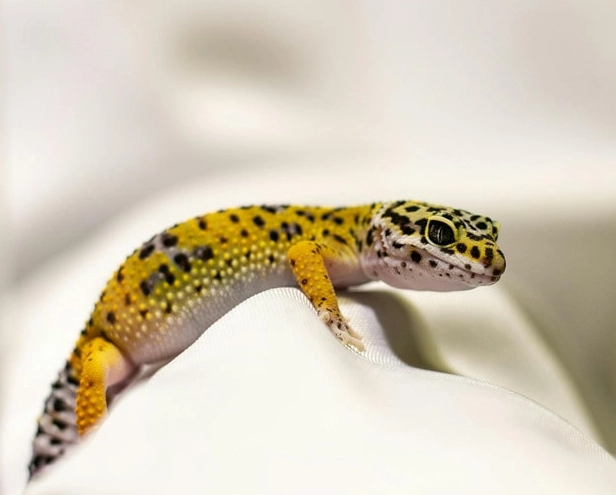
Your Questions, Answered (The Real Stuff)
So, what's the final word on female leopard gecko lifespan? It's a commitment measured in decades, not years. Hitting that 15 or 20-year mark isn't mysterious. It's the direct result of informed, attentive, and consistent care—with special attention paid to her unique nutritional and reproductive needs. Get the fundamentals of heat, food, and supplements right, avoid the stress of cohabitation and over-breeding, and you'll have a fascinating, long-lived companion.
Honestly, many pet store "beginner kits" get the substrate and heating wrong from the start. Do your own research. Your gecko's longevity depends on it.
Reader Comments