Quick Guide Overview
- What Exactly Is an African Fat-Tailed Gecko?
- Why Choose an African Fat-Tailed Gecko as a Pet?
- Setting Up the Perfect African Fat-Tailed Gecko Habitat
- Feeding Your African Fat-Tailed Gecko: More Than Just Crickets
- Handling and Bonding (Yes, It's a Thing)
- Common Health Issues: What to Watch For
- Breeding and Genetics: The World of Morphs
- Your Questions, Answered (FAQs)
- Wrapping It Up: The Journey Begins
So you're thinking about getting an African fat-tailed gecko. Good choice. Honestly, they're one of the most underrated pet reptiles out there. They have this calm, almost stoic personality that's just... cool. But here's the thing – the internet is full of care sheets that either oversimplify things or make them sound like rocket science. I've seen it all, and I've made my own mistakes along the way (more on that later).
This guide isn't just a rehash of the same old info. We're going deep. We'll talk about why your gecko might suddenly decide it hates its favorite food, how to spot the subtle signs of stress before it becomes a health issue, and whether that fancy "morph" is really worth the extra cash. If you're looking for a quick, glossy brochure, this isn't it. But if you want to truly understand your future pet and give it a fantastic life, you're in the right place. Let's get into it.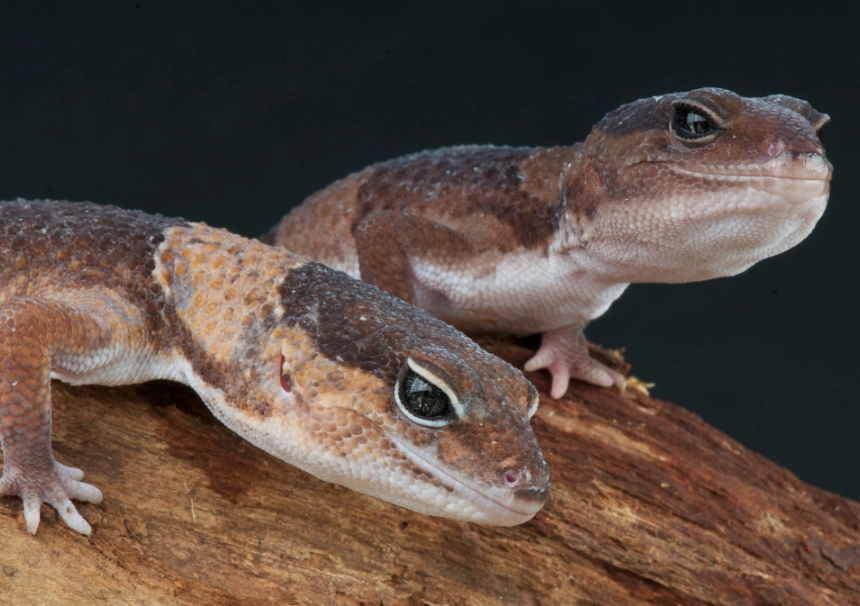
What Exactly Is an African Fat-Tailed Gecko?
First off, let's clear up the name. Scientifically, it's Hemitheconyx caudicinctus. Most people just call them African fat-tailed geckos, or AFTs for short. They come from West Africa, places like Senegal, Nigeria, and Cameroon. Think dry, rocky savannas and scrublands – not rainforests. This is crucial for getting their environment right later.
They're often called the "cousin" of the leopard gecko, and for good reason. They look somewhat similar, with their stout bodies, lidless eyes, and, of course, that famously chunky tail. But that's where a lot of the confusion starts. People assume they can be cared for exactly the same as a leopard gecko, and that's a recipe for a stressed-out gecko.
The Leopard Gecko vs. African Fat-Tailed Gecko Showdown
This is probably the biggest question beginners have. Should I get a leopard gecko or an African fat tail gecko? They're both great, but they're not the same. I made the mistake of treating my first AFT like my leopard gecko, and let's just say he wasn't thrilled. Here's the breakdown that most care sheets gloss over.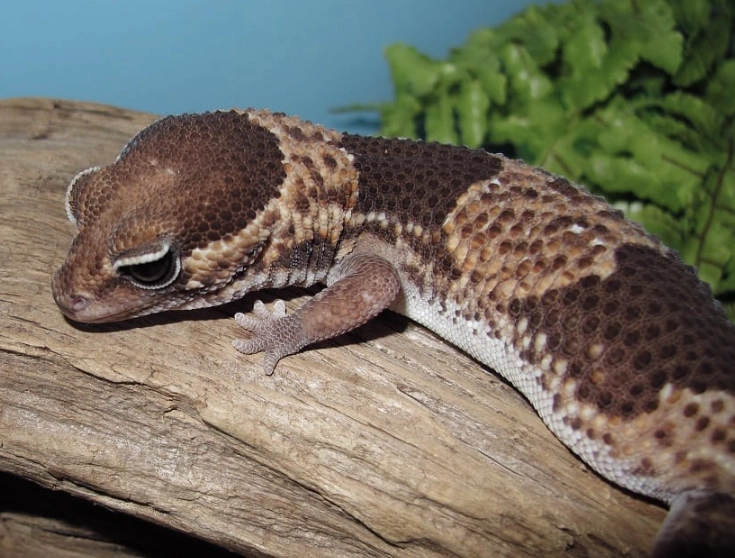
| Trait | African Fat-Tailed Gecko (Hemitheconyx caudicinctus) | Leopard Gecko (Eublepharis macularius) |
|---|---|---|
| Native Habitat | West Africa; prefers slightly higher humidity and can tolerate slightly cooler temps. | Afghanistan, Pakistan, India; arid, rocky desert. |
| Typical Temperament | Often more shy, docile, and calm. Can be a bit more of a "hider." | Generally more bold, active, and inquisitive. Often more readily handleable. |
| Tail Function | The fat tail is a nutrient and water reserve, just like a leopard gecko's. But in my experience, AFTs seem a bit more prone to dropping their tails if spooked. | Same fat-storage function. Often seem slightly less "jumpy" about tail drops. |
| Humidity Needs | Higher. Needs a moist hide at all times and ambient humidity around 50-60%. This is the key difference. | Lower. A moist hide is essential, but ambient humidity should be lower (30-40%). |
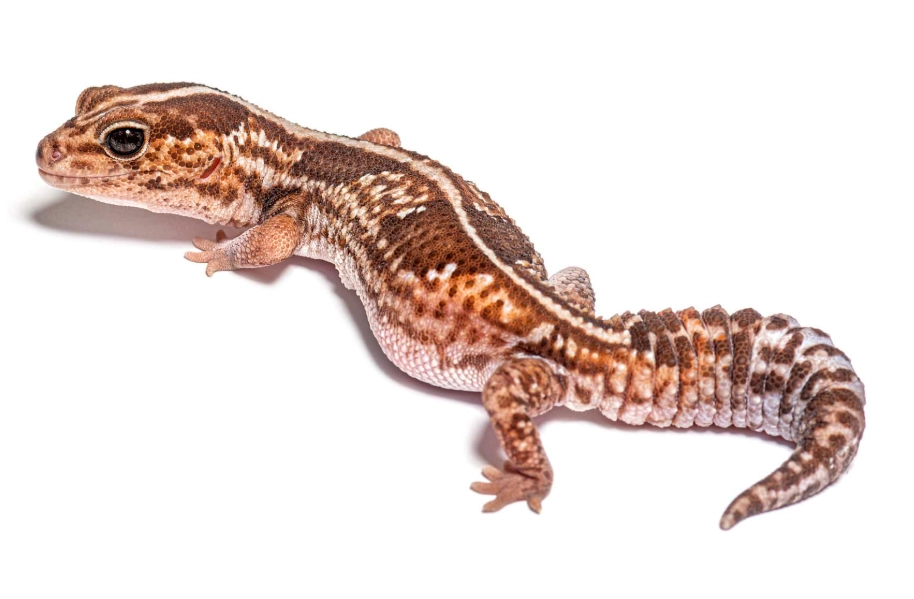
| Coloration (Wild Type) | Usually tan or brown with darker brown stripes and a pale underbelly. Less garish than some leopard geckos. | Yellow background with black spots (like a leopard). |
See the humidity thing? That's the big one. An African fat-tailed gecko in a bone-dry leopard gecko setup will have terrible sheds and get stressed. It's not a minor detail.
Why Choose an African Fat-Tailed Gecko as a Pet?
Let's talk pros and cons, honestly. They're not the perfect pet for everyone, and that's okay.
The Good Stuff (The Pros)
- Generally Docile: They are not biters. I've never been bitten by one in a mean way. Sometimes they might nip if they mistake your finger for food, but it's more of a surprise than pain.
- Manageable Size: They typically grow to 7-9 inches. A 20-gallon long tank is perfect for an adult. You don't need a room-sized enclosure.
- Mostly Nocturnal/Crepuscular: They're active in the evenings and nights. Great if you work all day and want to watch your pet in the evening.
- Simple Diet: They eat insects. Crickets, dubia roaches, mealworms, black soldier fly larvae. You don't need to source rare mice or prepare salads.
- Long Lifespan: With proper care, they can live 15-20 years. This is a long-term commitment, but also a long-term friend.
The Not-So-Good Stuff (The Cons)
- Can Be Shy: If you want a reptile that's always out and about, waving at you, this might not be it. Some AFTs love to hide, especially during the day. You have to respect that.
- Humidity Management: As we discussed, you can't just ignore humidity. You need to monitor it and maintain that moist hide. It's extra work compared to some desert species.
- Not Super "Interactive": They are not dogs. They don't show affection. The interaction is based on observation and gentle handling. Some people find this boring.
- Potential for Health Issues: Like all reptiles, they can get sick. Impaction from bad substrate, metabolic bone disease from poor lighting, respiratory infections from wrong humidity. You need to be vigilant.
So, who is an African fat tail gecko perfect for? I'd say a first-time reptile owner who is patient, detail-oriented, and doesn't mind a pet that's more about quiet observation than constant play. They're also fantastic for someone who already has leopard gecko experience and wants to try something similar but different.
Setting Up the Perfect African Fat-Tailed Gecko Habitat
Let's be honest, setting up the tank is half the fun. But it's also where most mistakes happen. You can't just throw some sand in a tank and call it a day. Your gecko's home is its entire world.
The Tank (Enclosure)
A 20-gallon long aquarium (30" x 12" x 12") is the absolute minimum for one adult gecko. Bigger is always better. A 40-gallon breeder (36" x 18" x 16") is my personal recommendation if you have the space. It gives them more room to explore and establish a proper temperature gradient. Front-opening terrariums are fantastic because you don't have to reach down from above (which can scare them, as predators come from above). Secure lids are non-negotiable – these guys can climb smoother surfaces than you think.
Heating and Lighting: It's Not Just About Warmth
This is a huge topic. African fat-tailed geckos need a heat gradient. One end warm, one end cool. This allows them to thermoregulate.
- Warm Side: 88-90°F (31-32°C) on the floor surface. This is best achieved with an under-tank heater (UTH) connected to a thermostat. I can't stress the thermostat enough. An unregulated UTH can cause severe burns. Place it under one side of the tank, not the middle.
- Cool Side: 75-80°F (24-27°C).
- Nighttime Drop: It's okay for temps to drop to the low 70s at night. Don't use heat sources that emit light at night, like red or blue bulbs. They can disrupt the gecko's day/night cycle. A ceramic heat emitter (CHE) on a thermostat is perfect for supplemental night heat if your room gets too cold.
Substrate: The Flooring Debate
Oh boy, the substrate wars. You'll see strong opinions everywhere. Here's my take, based on what works and minimizes risk.
For Beginners/Juveniles: Use paper towel. Seriously. It's safe, cheap, and you can easily monitor their droppings for health. It's boring, but it's foolproof.
For Established Adults: A soil/sand mix is excellent for holding humidity and allowing natural digging behaviors. The key is getting the right mix. A 70% organic, fertilizer-free topsoil to 30% playsand ratio is popular. Pack it down firmly. Loose, dusty sand is a big impaction risk. You can also use commercial mixes like BioDude's Terra Sahara or similar.
Humidity & The Sacred Moist Hide
This is the heart of African fat-tailed gecko care. You must provide a humid microclimate. An ambient humidity of 50-60% is good, but the moist hide is essential.
Take a plastic container (like a Tupperware) with a lid. Cut a hole in the side for an entrance. Fill it with damp (not soaking) sphagnum moss, coconut fiber, or even paper towels. Place this hide on the warm side of the tank. The heat will help generate humidity inside the hide. Your gecko will spend a lot of time in here, especially when getting ready to shed. Check it every couple of days and re-moisten the material as it dries out.
Furnishing the Enclosure (Enrichment)
Think of it as interior design for a tiny dinosaur. You need at least two hides: one on the warm end (can be the moist hide) and one on the cool end. They should be snug – the gecko should touch the sides when inside. This makes them feel secure.
Add things to climb on! Flat rocks, cork bark rounds, low branches. They aren't avid climbers like cresties, but they do explore. A flat rock under the heat lamp gives them a nice basking surface. Some fake or hardy live plants (like snake plants) can add visual breaks and security.
A shallow water dish with fresh water, changed daily, is a must. Put it on the cool side.
Feeding Your African Fat-Tailed Gecko: More Than Just Crickets
Feeding seems simple, but there's nuance. A varied diet is a healthy diet. Don't just feed crickets every single day.
Staple Feeders: Dubia roaches are king. Nutritious, easy to keep, don't smell, can't climb smooth surfaces. Crickets are fine but noisy and smelly. Black soldier fly larvae (nutrigrubs, calciworms) are fantastic for calcium. Mealworms and superworms are good as part of a rotation but are fatty and have a harder exoskeleton – don't make them the main course.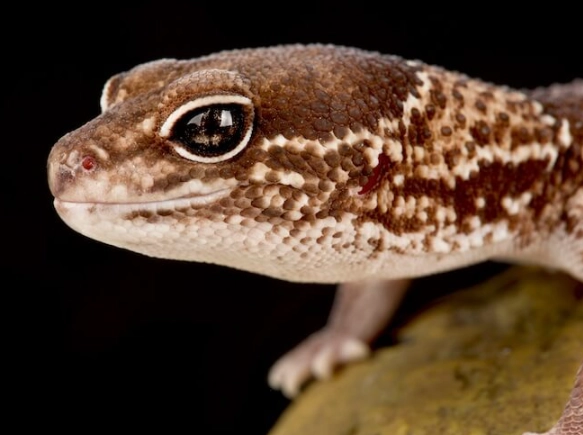
How Much & How Often?
- Juveniles (0-12 months): Daily, as many appropriately-sized insects as they will eat in 10-15 minutes. Insects should be no bigger than the space between the gecko's eyes.
- Adults (12+ months): Every other day or 2-3 times a week. 5-8 appropriately sized insects per feeding. Watch their tail! A plump tail means they're well-fed. A skinny tail means up the food. An obese, bulbous tail means cut back.
The Critical Step: Gut Loading and Supplementation
You are what you eat, and your gecko is what its food eats. Feed your insects nutritious food (commercial gut load, veggies like squash and carrots) for at least 24 hours before feeding them to your gecko.
Then, you must dust the insects with supplements:
- Calcium (without D3): Light dusting at almost every feeding if you are not using UVB lighting.
- Calcium (with D3): Light dusting once a week if no UVB. If using proper UVB, you can use this less frequently, like once every two weeks, and use plain calcium more often.
- Multivitamin: A reptile-specific multivitamin dusted once a week.
This schedule is a starting point. The AVMA recommends consulting with an exotic vet for a tailored plan, which is great advice.
Handling and Bonding (Yes, It's a Thing)
Can you hold an African fat-tailed gecko? Absolutely. Should you grab it the day you bring it home? No. Give it a full week, maybe two, to settle into its new home without any interaction. Let it learn where its hides and food are.
Start by just putting your hand in the tank, palm up, and letting it sit there. Let the gecko come investigate you on its terms. After a few days of this, you can gently scoop it up from below, supporting its entire body and tail. Never grab from above or by the tail.
Keep initial sessions short, 5-10 minutes. Do this over a soft surface like a bed or couch in case of a fall. Be calm and predictable. Some will never "love" handling but will tolerate it. Others become quite calm and will just sit on your hand or arm. It depends on the individual gecko's personality.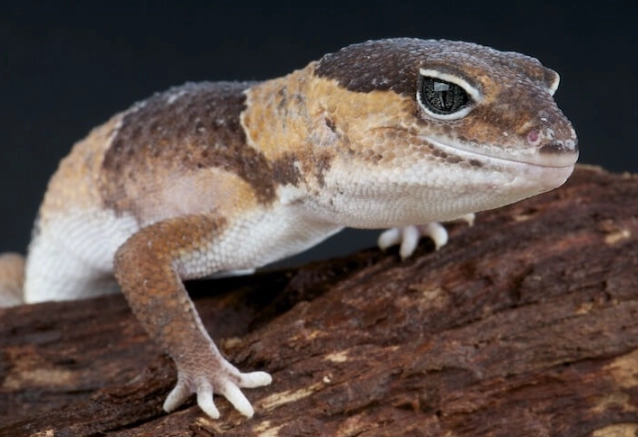
Common Health Issues: What to Watch For
Prevention is everything, but you still need to know the signs of trouble. A good resource for understanding reptile diseases is the Merck Veterinary Manual section on reptiles.
- Stuck Shed: Especially on toes and the tip of the tail. Caused by low humidity. If you see constricting rings of old skin, provide a warm soak and gently help remove it with a damp q-tip. If left, it can cut off circulation and cause toe/tail loss.
- Metabolic Bone Disease (MBD): Soft, rubbery jaw; bowed legs; tremors; difficulty walking. Caused by lack of calcium/D3 or improper UVB. It's preventable and treatable if caught early by a vet.
- Impaction: Not pooping; a swollen abdomen; lethargy; loss of appetite. Often caused by eating loose substrate or oversized feeders. Prevention is key (proper substrate, correct temps for digestion). A warm bath and a drop of olive oil on the nose might help a mild case, but see a vet if it persists.
- Parasites: Runny, smelly, or bloody stools; weight loss despite eating. Requires a vet visit for a fecal exam and medication.
- Tail Loss: They can drop their tails if scared or grabbed. It will grow back, but it will look stubby and different (more like a bulb than the original). It's stressful for them, so avoid it.
Find an exotic vet before you have an emergency.
Breeding and Genetics: The World of Morphs
African fat-tailed gecko morphs aren't as numerous as leopard gecko morphs, but they're beautiful and growing. Breeding is a serious commitment, not something to do on a whim. You need homes lined up for potentially 10+ babies every clutch.
That said, knowing the morphs helps you appreciate the animal and understand what you're buying. Some common ones include:
- Normal/Wild Type: The classic brown and tan striped pattern.
- Striped: The stripes run cleanly down the back without breaking.
- Bandit: Has a dark "mask" across its eyes.
- White Out: Reduces dark pigment, giving a pale, high-contrast look.
- Orange: Selectively bred for rich orange coloration.
- Amelanistic/Albino: Lacks black pigment. There are different lines (Patternless, Dutch, etc.). Note: Albino AFTs have sensitive eyes and should not have bright white light or strong UVB.
Wrapping It Up: The Journey Begins
Getting an African fat-tailed gecko is a rewarding decision. It's a commitment to caring for a fascinating, living creature for decades. The goal isn't perfection from day one. The goal is to learn, observe, and adapt. Your gecko will tell you what it needs if you pay attention – through its behavior, its appetite, the condition of its skin and tail.
Start with a good setup. Find a reputable breeder or rescue. Ask questions. Don't be afraid to make minor adjustments as you go. The fact that you've read this far means you're already on the right track. You're not just buying a pet; you're stepping into the quiet, captivating world of an African fat-tailed gecko. Enjoy it.
Reader Comments