You're scrolling online, seeing those adorable, big-eyed baby leopard geckos, and wondering if one could be your first reptile. The short answer is yes, they are often recommended as excellent beginner pets. But that "yes" comes with a massive asterisk. It's not about if they're good pets, but if they're the right pet for you, your lifestyle, and your willingness to learn. Having kept and bred them for over a decade, I've seen the joy they bring and the common pitfalls new owners stumble into. Let's cut through the cute photos and get real about what owning a baby leopard gecko actually entails.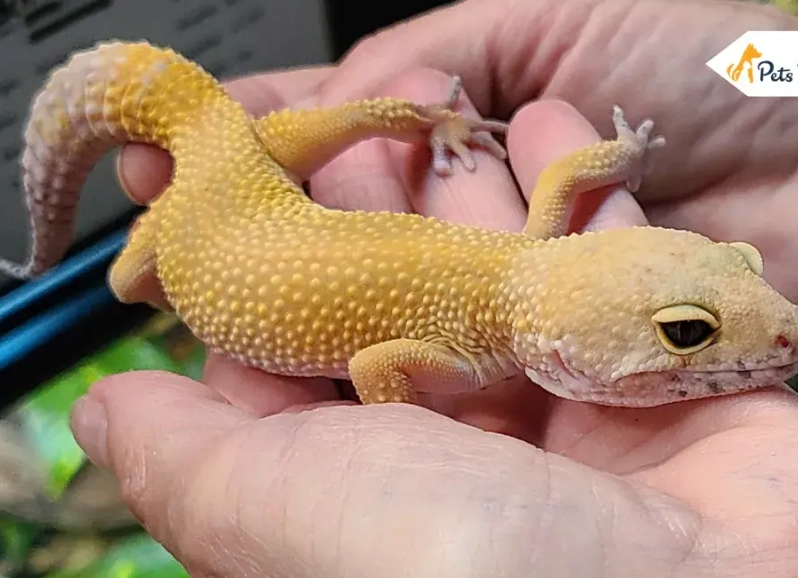
What's Inside This Guide
The Quick Verdict: Pros vs. Cons
Before we dive deep, here's the honest snapshot. This isn't a perfect pet, but it's a manageable one with the right mindset.
| The Good Stuff | The Not-So-Good Stuff |
|---|---|
| Generally docile and easy to handle once settled. | Requires live insect feeders (crickets, worms, roaches). No pellets here. |
| Relatively small space needs (a 20-40 gallon tank). | Long lifespan of 15-20+ years. This is a long commitment. |
| No special lighting required (but heat is critical). | Primarily nocturnal. You won't see much daytime activity. |
| Quiet, odorless, and clean if maintained properly. | Initial setup costs are higher than the gecko itself. |
See that balance? If the "Not-So-Good" column gives you pause, you're thinking correctly. Let's expand on each side.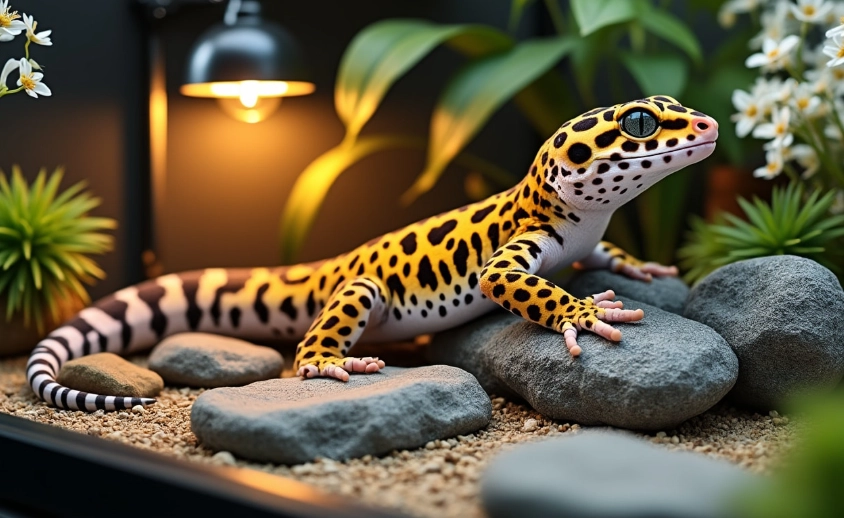
What Makes Baby Leopard Geckos "Good" Pets?
Their reputation as a top beginner reptile isn't unfounded. Here's why they earn that spot.
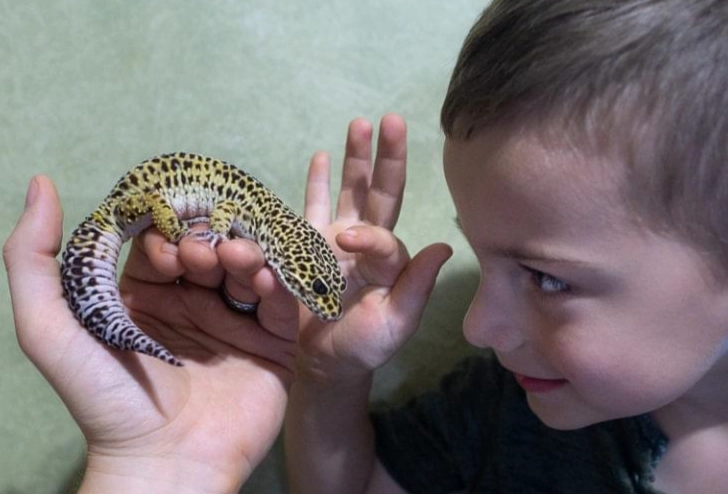
Their temperament is usually golden. Unlike some reptiles that remain skittish, a well-socialized leopard gecko becomes remarkably calm. They'll sit on your hand, crawl up your arm, and rarely bite. That said, babies are naturally more nervous. The key is patience—don't expect a cuddly puppy from day one.
The size is manageable. An adult reaches about 8-10 inches. You don't need a room-sized enclosure. A 20-gallon "long" tank is the bare minimum for an adult, but I always recommend a 40-gallon "breeder" style. It gives them space to explore, establish distinct warm and cool zones, and exhibit natural behaviors. For a baby, you can start in a 10-gallon but will need to upgrade quickly.
Their care routine is straightforward. Once the habitat is dialed in, daily maintenance is minimal: check temperatures, offer fresh water, and spot-clean waste. Feeding is every other day for juveniles, tapering to 2-3 times a week for adults. The big weekly task is a full cleaning of the waste area and refreshing their moist hide.
They don't require specialized UVB lighting if you're diligent with vitamin D3 supplementation, though many advanced keepers (myself included) now recommend low-level UVB for its long-term health benefits. Their primary need is a reliable under-tank heater or heat mat on one side of the tank, regulated by a thermostat. This is non-negotiable—an unregulated heat mat can cause severe burns.
The Bonus: The World of Morphs
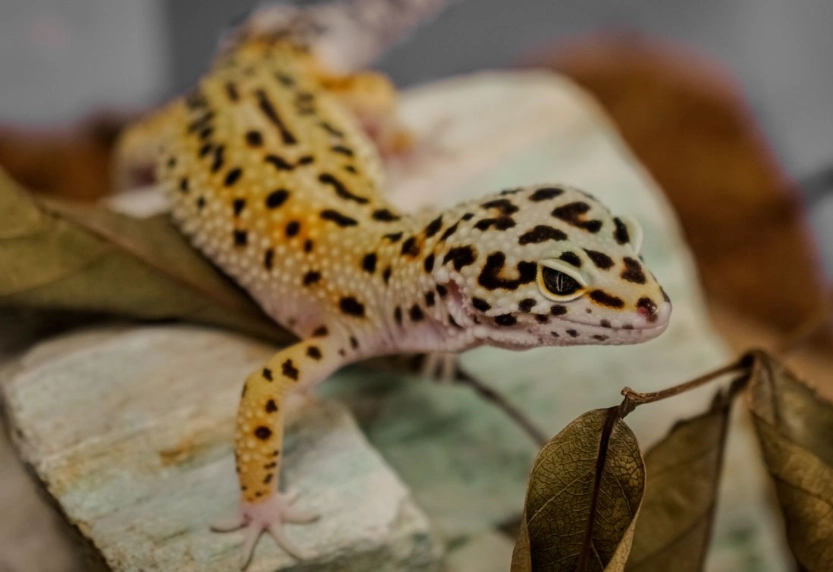
This is the fun part. Leopard gecko breeding has produced an incredible array of "morphs"—different color and pattern variations. From the bright yellow "High Yellow" to the patternless "Murphy's Patternless" or the striking black-and-white "Blizzard." While a standard morph might cost $40-$60, rare ones can run into the hundreds. Don't get sucked into buying the rarest morph as your first pet. Focus on health: clear eyes, a plump tail (their fat store), and active demeanor.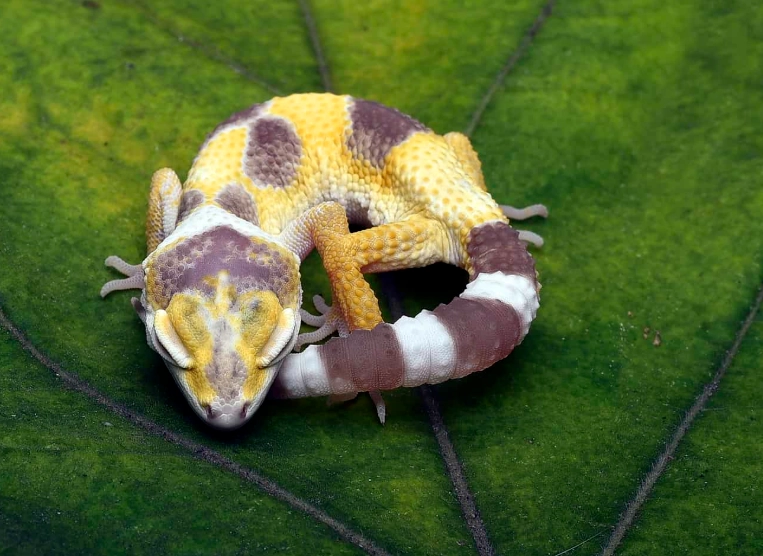
The Hidden Challenges & Downsides
Now, the reality check. These are the points pet stores often gloss over.
The Live Food Dilemma. This is the number one deal-breaker. You must be comfortable buying, keeping, and feeding live insects. This means trips to the pet store or ordering online, keeping crickets in a separate container with food and water, and handling worms. It's not for the squeamish. And it's not cheap—the cost of insects over 20 years adds up significantly.
They're masters of hide-and-seek. Being crepuscular/nocturnal, they sleep most of the day. Your viewing pleasure will be in the evenings. This disappoints some owners who want a pet that's active when they are.
That long lifespan is a double-edged sword. 15-20 years is a serious commitment. Are you prepared for care during college, moves, or life changes? They're not a temporary "starter" pet.
Health issues can be subtle. They hide illness well. A slight drop in weight, refusing food for a week, or odd-looking stool can signal problems like impaction, metabolic bone disease, or parasites. You need to become a keen observer. Finding a vet who specializes in exotics or reptiles is crucial and often more expensive than a standard dog/cat vet. The Association of Reptile and Amphibian Veterinarians is a good resource to locate one.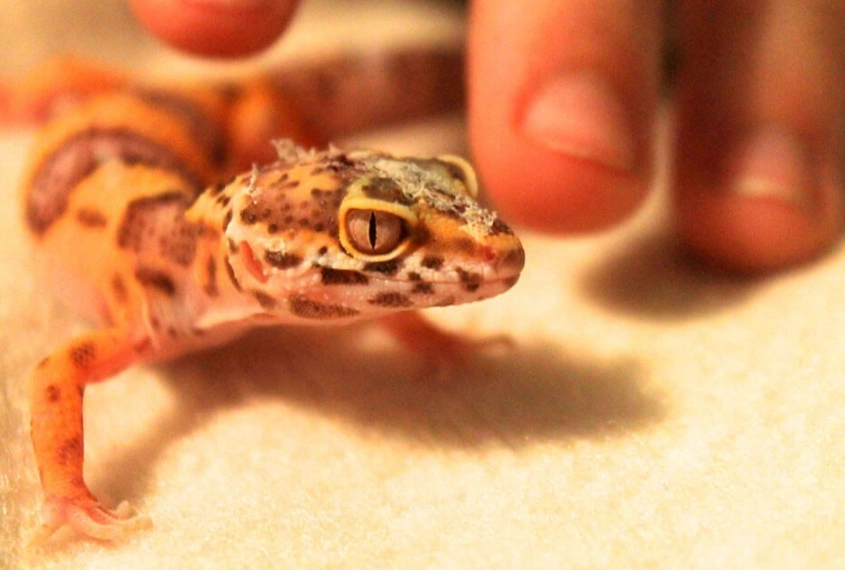
Essential Care Breakdown: The Non-Negotiables
Let's get specific. Here's what a baby leopard gecko needs to thrive, not just survive.
The Enclosure Setup:
- Tank: 20-gallon long minimum for long-term. Use a front-opening terrarium if possible—it's less intrusive than reaching from above.
- Substrate: This is a minefield. Avoid loose sand, calcium sand (especially!), or wood chips. For beginners, the safest options are paper towel, slate tile, or a reptile-safe non-adhesive shelf liner. Loose substrates can cause fatal impaction if ingested.
- Heat Source: An under-tank heater (UTH) or heat mat covering 1/3 of the tank bottom, connected to a thermostat set to 88-92°F for the warm side. The cool side should be 70-77°F. No heat rocks!
- Hides: Three minimum. One on the warm side (dry), one on the cool side (dry), and one in the middle you keep moist with damp sphagnum moss (the "humid hide") to aid shedding.
- Extras: A shallow water dish, a calcium dish (without D3), and some clutter like fake plants or cork rounds to make them feel secure.
My Personal Rule: Set up the entire enclosure and let it run for at least 48 hours before you bring the gecko home. This lets you verify your temperature gradients are stable and correct any issues. Bringing a stressed baby into an unstable environment is the first mistake.
The Feeding Schedule: A baby (under 6 months) needs daily feeding. Offer gut-loaded insects (crickets, small dubia roaches, mealworms) dusted with calcium + D3 powder 3-4 times a week, and a multivitamin powder once a week. How many? Offer as many as they'll eat in 10-15 minutes. A growing juvenile might eat 5-8 small crickets daily.
The Real Cost of a Baby Leopard Gecko
Let's talk numbers. The gecko is the cheapest part.
- Initial Setup (One-Time): $200 - $400+. This includes tank, lid, heater, thermostat, hides, dishes, substrate, decor, and digital thermometers.
- The Gecko Itself: $40 - $150+ depending on morph.
- Monthly Ongoing: $15 - $30 for live insects, electricity, and replacement substrate/ moss.
- Annual/Vet: $50 - $200 for check-ups or emergency fund. An exotic vet visit can easily cost $100+.
You're looking at a minimum of $250-$500 to start correctly. Skimping on the thermostat or proper heating will almost certainly lead to a vet bill later.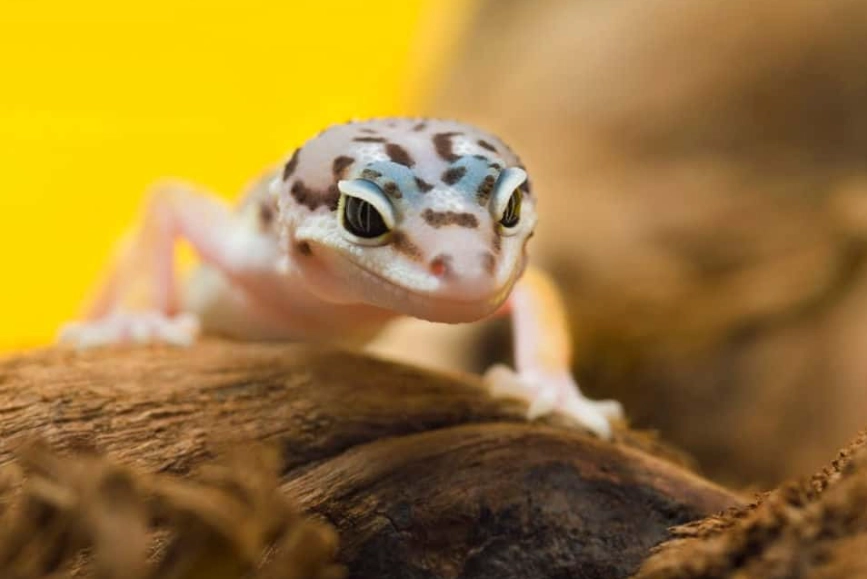
5 Common Beginner Mistakes (And How to Avoid Them)
After years in online forums and talking to new owners, these errors come up again and again.
1. Overhandling Too Soon. You're excited. I get it. But bombarding a new baby with handling in its first week is a recipe for a terrified pet. Leave it completely alone for 5-7 days, only intervening to change water and feed. Let it settle.
2. Misreading Hunger Cues. A baby gecko will almost always eat if food is offered. This doesn't mean you should power-feed it. Obesity is a huge problem. A healthy tail should be plump, not wider than the gecko's head. A fat tail is good; a grotesquely bulbous tail is not.
3. The "Humid Hide" Isn't Humid. That middle hide needs to be truly damp, not just slightly moist. Check it daily. A dry humid hide is useless when they need to shed. Stuck shed, especially on toes, can constrict and cause loss of digits.
4. Chasing the Perfect Morph Over Health. I've seen people buy a stunning, expensive albino from a sketchy online source while ignoring clear signs of malnutrition. Always prioritize a reputable breeder who answers questions about lineage and care over a "good deal" on a fancy color.
5. Assuming "Beginner Pet" Means "No Research Needed." The biggest mistake. Read care guides from multiple sources (like Reptiles Magazine care sheets). Join reputable Facebook groups or forums. Your gecko's life depends on your knowledge.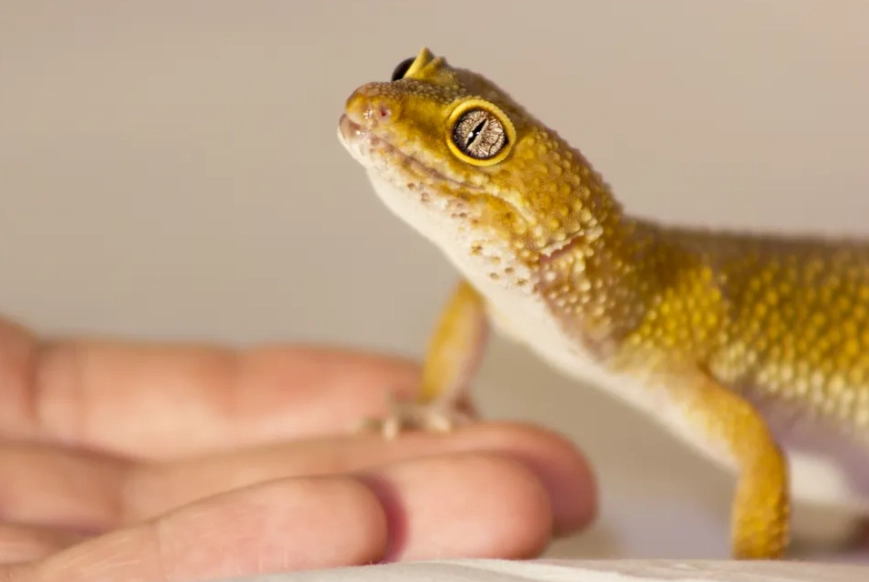
Your Questions Answered
 So, are baby leopard geckos good pets? For the right person—someone patient, detail-oriented, unfazed by insects, and ready for a long-term commitment—they are fantastic, rewarding companions. They're not a pet you simply put in a box and forget. They require a specific, controlled environment and consistent care. If you're willing to invest the time, money, and effort into doing it right from the start, that little spotted gecko can be a wonderful part of your life for decades to come. If the downsides give you serious hesitation, that's okay too. It's better to know now than to have a neglected animal later. Do your homework, set up the tank in advance, and if you proceed, enjoy the journey of watching a tiny baby grow into a calm, charismatic adult.
Reader Comments