Quick Navigation
I get it. That picture. The one with the impossibly bright red eyes, the vibrant green body, and those orange feet sticking to a leaf. It's everywhere. The red eye tree frog (Agalychnis callidryas) is basically the supermodel of the amphibian world. But here's the thing most articles don't tell you: behind that stunning Instagram face is a complex, delicate creature with very specific needs. This isn't just a list of facts you can find anywhere. I want to talk about what it's really like to understand this frog, whether you're just curious or thinking about caring for one.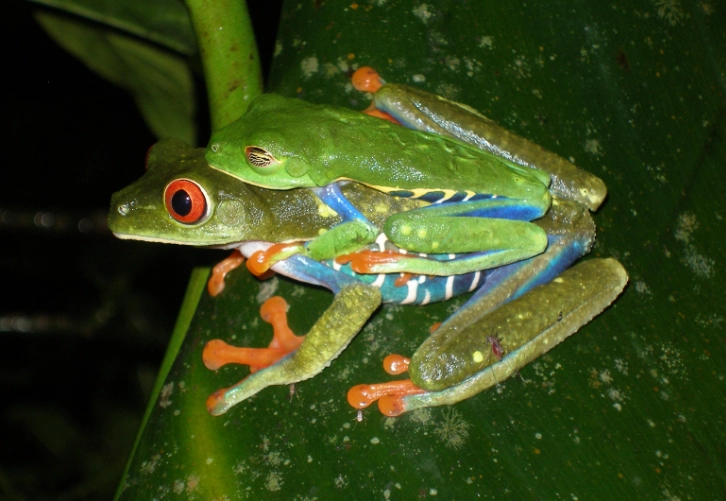
I remember the first time I saw one in person, not just in a photo. It was in a reputable zoo's rainforest exhibit. The stillness was what struck me first. Then, a slight movement, and this red eye tree frog opened its eyes. It's a different kind of red in real life – deeper, almost luminous. It wasn't just "cool"; it made me wonder what the point of such a dramatic feature was. That curiosity is what this guide is about.
Why Trust This Guide?
This isn't compiled from a quick web scrape. The information here cross-references reputable zoological resources, scientific databases like AmphibiaWeb, and the practical experiences of dedicated keepers. We'll link to sources like the IUCN Red List for conservation status, so you know the facts are solid.
Beyond the Poster: What a Red Eye Tree Frog Really Is
Let's strip away the "wow" factor for a second. Scientifically, it's Agalychnis callidryas. They call Central America's rainforests home, from southern Mexico down through Panama. They're arboreal, meaning their entire world is vertical – up in the trees, not on the ground.
That famous look? It's not just for our amusement. Every color has a job.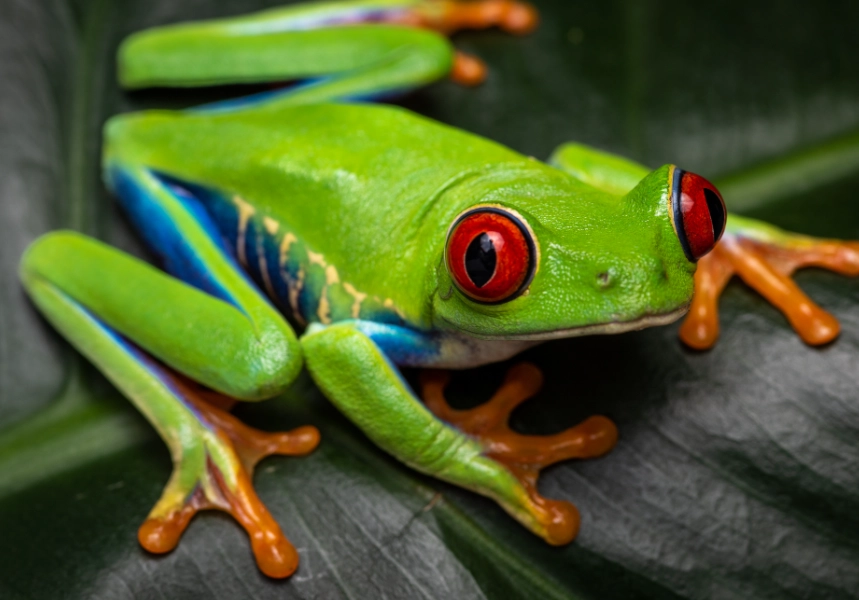
The vibrant green body blends perfectly with the underside of a rainforest leaf where they sleep during the day. It's camouflage 101. But if a predator (like a snake or bird) disturbs them, they flash their brilliant red eyes, their bright blue-and-yellow flanks, and those orange feet. This startle display is meant to confuse the attacker for a split second. In that moment of surprise, the frog leaps away, its colors vanish against the green, and it's gone. It's a brilliant survival tactic, not a fashion statement.
Quick Fact Bomb: Their scientific name, callidryas, comes from Greek words meaning "beautiful tree nymph." Fitting, isn't it?
They're not particularly big. Adults typically reach about 2 to 3 inches in length (females being the larger ones). Their life span in the wild is tricky to pin down, but in well-managed captivity, they can live 5 years, sometimes even pushing 8 or more. That's a decent commitment.
The Rainforest in a Box: Red Eye Tree Frog Care Demystified
This is where most people's dreams meet reality. Keeping a red eye tree frog healthy is entirely about replicating a very specific slice of a Central American rainforest. It's not the hardest frog to keep, but it's absolutely not a beginner's "starter" pet. If you want a first frog, look at something like a White's tree frog. I'm being blunt because their care needs are specific and getting them wrong leads to a stressed, sick frog fast.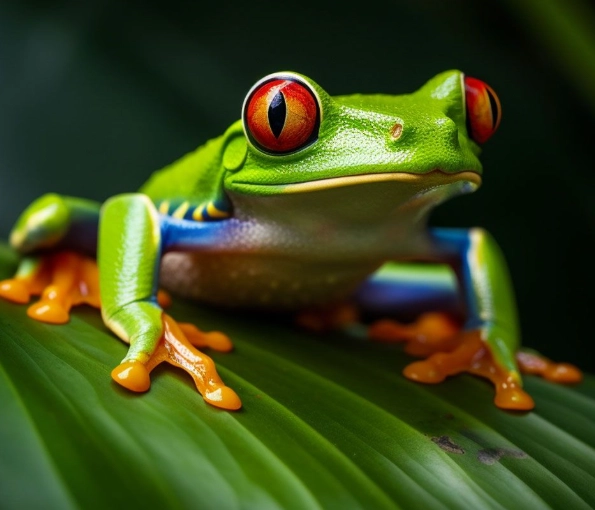
The Non-Negotiable: The Enclosure (Terrarium)
Think vertical. A tall glass terrarium is the only option. A common starting size for a small group (like 2-3 frogs) is 18"x18"x24" (Height is the key number!). Bigger is always better. Screen tops are great for ventilation, which is crucial to prevent stagnant, moldy air.
You're building a living landscape. The substrate on the bottom should hold moisture but not get soggy. A mix of coconut fiber, sphagnum moss, and orchid bark works well. Then you go up. You need branches, vines, and most importantly, broad-leaf plants (live or very convincing silk ones). Pothos, Philodendron, and large Bromeliads are classics. The frogs need these leaves to sleep on during the day, pressed against the glass for you to admire.
Let's break down the core parameters in a table. This is the cheat sheet:
| Parameter | Target Range | Why It Matters | Common Tool to Use |
|---|---|---|---|
| Temperature | 75°F - 85°F (24°C - 29°C) during the day. A slight drop at night is fine. | Too cold slows their metabolism, leading to poor digestion and immunity. Too hot causes lethal stress. | Low-wattage heat bulb on a thermostat, placed at the top of one side. |
| Humidity | 70% - 100%. It should spike after misting and gradually fall. | They breathe through their skin. Low humidity leads to fatal dehydration. Constant 100% can cause bacterial issues. | Digital hygrometer. Automatic misting system or heavy hand-misting 2-3 times daily. |
| Lighting | Low-level UVB lighting (like a 5.0 or 2.0 bulb) on a 12-hour cycle. | While not fully proven essential, low UVB is believed to aid in calcium metabolism and overall well-being. It's considered best practice. | Linear UVB fluorescent bulb, not a compact coil. |
| Water | Always a shallow, clean dish of dechlorinated water. | They will soak and drink from it. Tap water chlorine/chloramines are harmful. | Water conditioner from the pet store. Change water daily. |
See that humidity requirement? That's the big one. If you live in a dry climate and aren't prepared to mist constantly or invest in a misting system, this frog is not for you. It's that simple.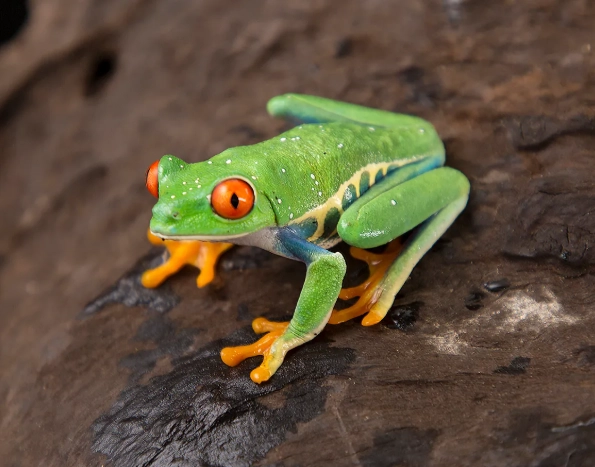
What Do Red Eye Tree Frogs Eat? (Hint: It Moves)
They are strictly insectivores. In the wild, they're opportunistic, snatching whatever small arthropods wander by their leaf. In captivity, you provide a varied diet. The staples are:
- Crickets: The classic. They should be "gut-loaded" (fed nutritious food) before being offered to your frog.
- Dubia Roaches: A fantastic, nutritious, and less smelly alternative to crickets.
- Black Soldier Fly Larvae (Calci-Worms®/Phoenix Worms): Packed with calcium, they're a great supplement.
- Occasional Treats: Silkworms, hornworms (in moderation due to high moisture).
Size matters. The food item should be no wider than the space between the frog's eyes.
Here's the critical part: dusting with supplements. Captive insects are nutritionally incomplete. You MUST lightly dust them with a high-quality calcium powder (with Vitamin D3) at almost every feeding, and a multivitamin powder once or twice a week. This prevents Metabolic Bone Disease (MBD), a common, crippling, and fatal condition in captive amphibians caused by calcium deficiency. The Smithsonian's National Zoo & Conservation Biology Institute outlines the importance of proper nutrition for captive amphibians, which aligns with this practice.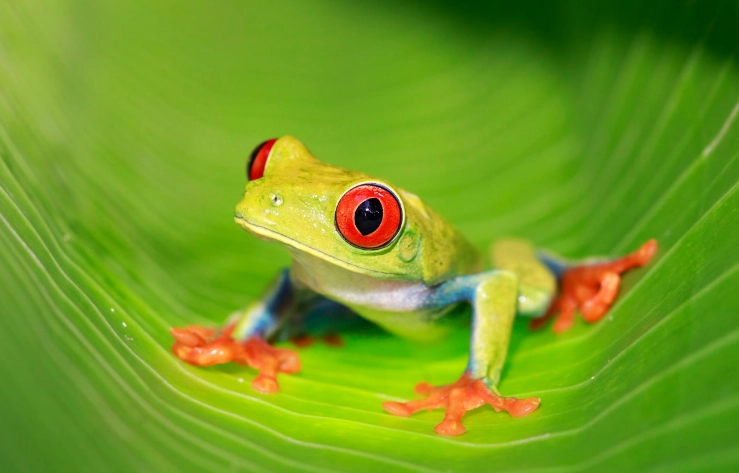
A Reality Check on Handling
I need to be clear: red eye tree frogs are not for handling. They are delicate, observatory pets. The oils, salts, and residues on our skin can damage their permeable skin, which is how they breathe and absorb water. Stress from handling can also weaken their immune system. The best interaction is watching them go about their fascinating lives in their beautifully crafted home. If you must move them, wear clean, damp, powder-free gloves.
From Egg to Froglet: The Wild Life Cycle
Understanding their natural history makes you a better keeper. It's a wild process.
After mating, the female lays a clutch of 20-50 eggs not in water, but on a leaf or branch overhanging a pond or temporary pool. She cleverly places them in a gelatinous mass that helps retain moisture. When the tadpoles are ready to hatch (about a week later), they wriggle free and drop straight into the water below. This clever strategy avoids egg predators in the water.
The tadpoles are aquatic and fairly typical, eating algae and detritus. After several weeks to months (depending on conditions), they undergo metamorphosis. The tiny froglet that emerges is a dull brown or green, lacking the iconic bright colors. They develop their full adult coloration as they mature and move into the trees.
Their conservation status, according to the IUCN Red List, is currently "Least Concern," but that comes with a big caveat. Their populations are decreasing. The primary threat is habitat loss from deforestation. The pet trade can be a threat if animals are taken unsustainably from the wild. Always, always seek out captive-bred red eye tree frogs from reputable breeders. It's better for wild populations, and captive-bred animals are generally healthier and better adjusted to life in a terrarium.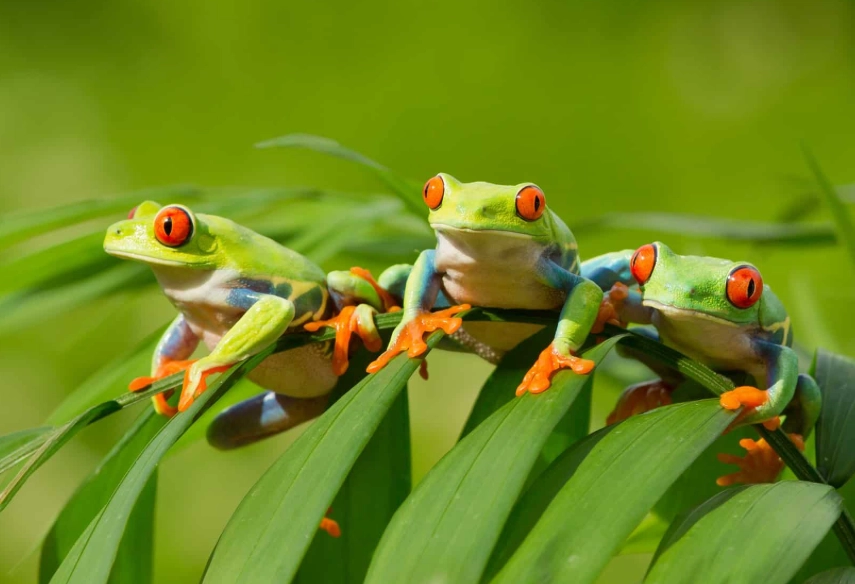
Questions You're Probably Asking (The FAQ)
- Metabolic Bone Disease (MBD): Limpness, difficulty climbing, bowed legs. Caused by poor diet/lack of supplements. Preventable.
- Red-Leg Syndrome: A bacterial infection often signaled by redness on the belly and legs. Requires immediate veterinary care.
- Dehydration: The frog looks shriveled, sits in the water dish constantly. Fix humidity immediately.
- Parasites: Weight loss despite eating. Needs a vet for diagnosis/treatment.
A good exotic vet who sees amphibians is a must-have contact before you get the frog.
Final Thoughts: Is the Red Eye Tree Frog Right for You?
Look, they're breathtaking. A well-set-up terrarium with a healthy red eye tree frog is a living piece of art. But it's a commitment to being a dedicated habitat manager. You're in charge of a tiny, fragile rainforest ecosystem.
If you're willing to invest in the proper tall enclosure, automate or diligently manage humidity and temperature, source quality insects and supplements, and accept that this is a "look, don't touch" pet, then the reward is incredible. You get a front-row seat to one of nature's most visually stunning creations.
If that sounds like a lot of work (and it is), that's okay. Admire them in zoos or in photos. Their wild populations need intact rainforests more than they need another slightly imperfect terrarium. The best way to love these animals is to understand them fully and make a responsible choice, for their sake and yours.
Want to dive deeper into the science? Resources like the AmphibiaWeb species account for Agalychnis callidryas offer a wealth of peer-reviewed detail on their biology.
Reader Comments