Quick Navigation
- What Exactly Is a Cat Gecko? Getting to Know Aeluroscalabotes felinus
- The Non-Negotiables: Creating the Perfect Cat Gecko Habitat
- Feeding Your Cat Gecko: It's Not Just Crickets
- Beyond the Standard: A Deep Dive into Cat Gecko Morphs and Colors
- Breeding Cat Geckos: A Simplified Overview
- Health and Wellness: Spotting Trouble Early
- Your Cat Gecko Questions, Answered
Let's talk about the cat gecko. You might have seen a picture – a small, slender lizard with huge, soulful eyes and a tail that looks like it belongs on a different animal altogether. It's not your average leopard gecko or crested gecko. This thing is different. It moves differently, it acts differently, and it needs a setup that's far from the standard reptile tank. I remember the first time I saw one at a reptile show, tucked away in a deli cup, just watching the world go by. I was hooked. But I also knew right away this wasn't a "beginner" pet in the traditional sense.
Its scientific name is Aeluroscalabotes felinus, which is a mouthful, but it tells you something. "Aeluro" relates to cats, and "felinus" means cat-like. They got that name for a reason. The way they curl up to sleep, tucking their head under their body and wrapping their tail around themselves, is eerily reminiscent of a sleeping house cat. It's adorable. But here's the thing a lot of care sheets gloss over: that cuteness comes with a specific set of challenges. They're not necessarily hard, but they are particular.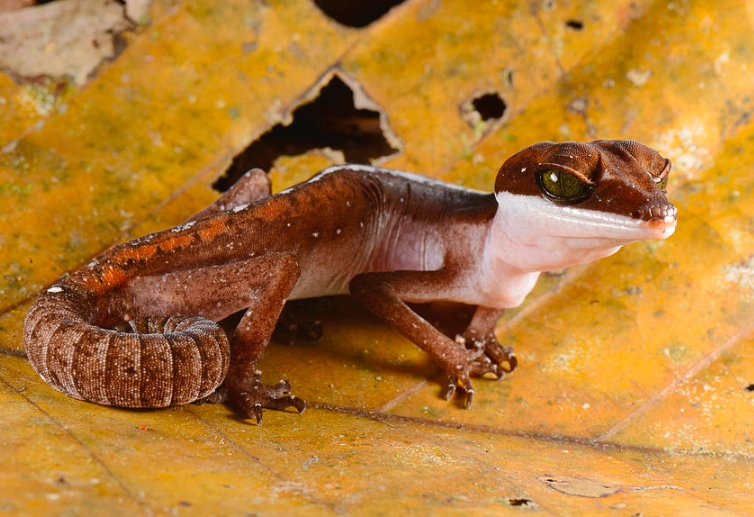
If you're thinking about getting one, or you just got one and are scrambling for real advice, you're in the right place. This guide isn't just a rehash of the same old info. We're going deep – into the why, not just the what. Because understanding why a cat gecko needs cool temperatures or live plants is the key to actually keeping one thriving, not just alive.
Quick Reality Check: The cat gecko is often labeled "intermediate." I think that's fair, but maybe for the wrong reasons. It's not that they're fragile divas (though they can be shy). It's that their needs are so specific and unlike a desert or tropical gecko. If you can't provide a cool, humid, and deeply planted enclosure, you should look at a different species. Seriously. Their well-being depends entirely on getting their environment right.
What Exactly Is a Cat Gecko? Getting to Know Aeluroscalabotes felinus
So, what makes this gecko so special? For starters, it's the only living member of its subfamily, the Aeluroscalabotinae. That's a fancy way of saying it's an evolutionary oddball, a living relic. They're native to the rainforests of Thailand, Malaysia, and Indonesia, but not the steamy, hot parts. They're from the cooler montane forests, which is our first big clue about their care.
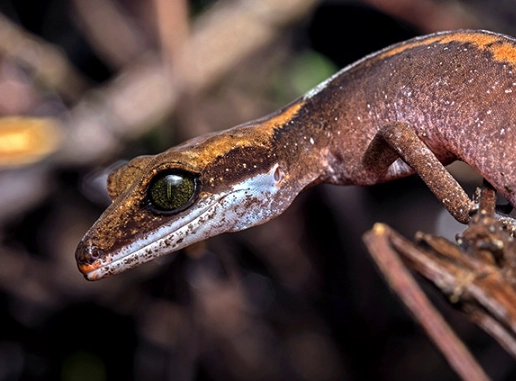
Physically, they're a masterpiece of adaptation. They're slender and built for climbing, with prehensile tails they can use as a fifth limb. That tail is also a fat storage reservoir, so a plump tail equals a healthy gecko. But the most striking feature is the eyes. Large, lidless, and with a vertical pupil that can contract to a tiny slit in bright light. They see incredibly well in the low-light conditions of the forest floor and understory.
Their behavior is where the "cat" part shines. They are deliberate, almost slow-moving hunters. They don't dash after food. They stalk. They'll watch a cricket for what feels like ages before making a precise, calculated lunge. And at night, you might hear them make soft chirping or clicking sounds. It's not a vocalization in the mammalian sense, but it's communication.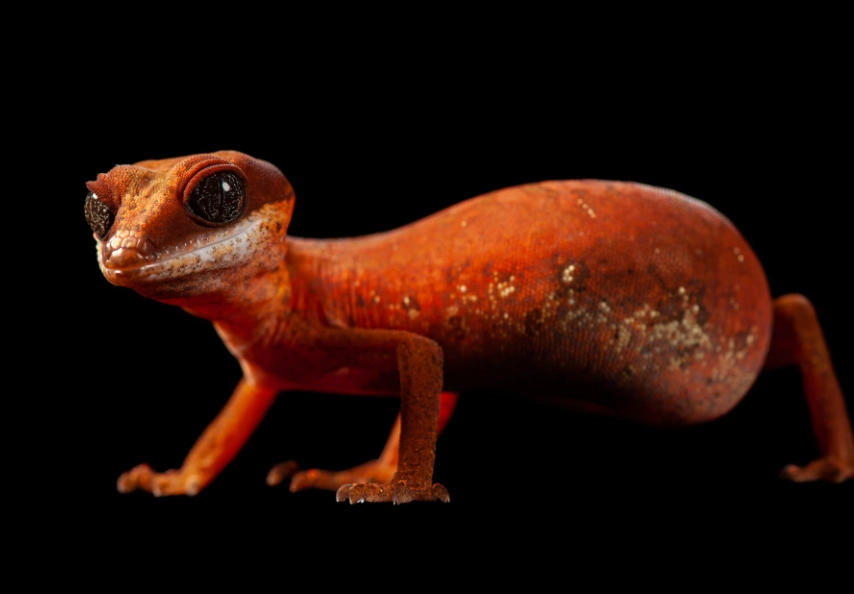
A truly ancient and fascinating creature.
The Non-Negotiables: Creating the Perfect Cat Gecko Habitat
This is where most people get it wrong. You can't just throw a cat gecko in a 10-gallon tank with a heat lamp and a water bowl. Their setup is more like a living terrarium, a slice of a cool forest floor. Let's break it down piece by piece.
Tank Size and Type
For a single adult cat gecko, a taller tank is better than a long one. They climb, but they're not like cresties that live in the canopy. They use height for exploring and finding perfect sleeping spots. A 12"x12"x18" (30x30x45cm) Exo Terra or similar front-opening terrarium is a great minimum. A pair or trio would need something larger, like an 18"x18"x24". Front-opening doors are a godsend for maintenance without spooking them from above.
The Critical Climate: Temperature and Humidity
This is the big one. Cat geckos do not like heat. I can't stress this enough. In the wild, they experience temperatures in the low to mid 70s Fahrenheit (low 20s Celsius). In captivity, an ambient temperature of 68-75°F (20-24°C) is ideal. A very slight, gentle temperature gradient can be created, but the warm spot should never exceed 78°F (25.5°C).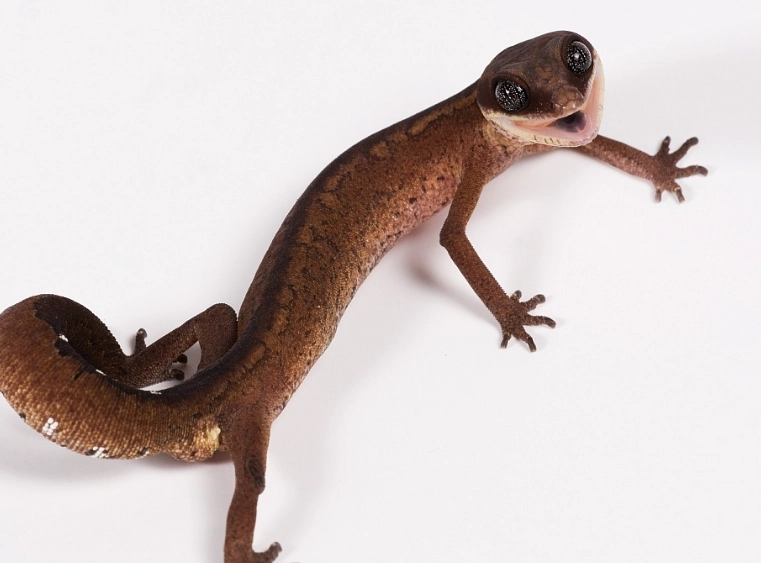
Heat Stress is a Silent Killer: I've heard too many stories of cat geckos becoming lethargic, refusing food, and dying prematurely because their tank was kept at "normal" reptile temperatures (80-85°F). They have no way to cool down. If your room is consistently above 75°F, you will likely need a small reptile-specific thermostat-controlled cooling fan or will have to keep the tank in the coolest part of your house. Air conditioning in summer is often a must.
Humidity needs to be high, but not swampy. Aim for 70-80%. This is achieved through a combination of a moisture-retentive substrate, live plants, and misting. You must mist the enclosure heavily once or twice daily with dechlorinated water. A digital hygrometer is essential – don't guess. Good airflow (from the screen top) prevents stagnant, moldy conditions.
Substrate and Decor: Building a Forest Floor
The substrate should hold moisture and support plant life. A simple, effective mix is:
- 60% organic, fertilizer-free topsoil or coconut coir.
- 30% sphagnum moss (for moisture retention).
- 10% orchid bark or fine cypress mulch (for texture and drainage).
This substrate should be deep enough to plant in, at least 3-4 inches. Now, for the fun part: the clutter. Cat geckos are shy and feel secure when they can move around without being seen. You need to provide:
- Cork bark tubes and flats: These are the MVP of cat gecko hides. They love curling up inside tubes or under bark slabs placed on the substrate.
- Live plants: Not just for looks. Plants like Pothos, Philodendron, Fittonia (nerve plant), and Peperomia help maintain humidity, provide cover, and create a naturalistic environment. They thrive in the same conditions the gecko needs.
- Leaf litter: A thick layer of dried oak, magnolia, or beech leaves on top of the substrate. This is crucial! Cat geckos will forage through it, hide under it, and it helps maintain micro-humidity at ground level. It makes the tank look and function like a real forest floor.
Lighting is simple. They do not require UVB lighting to survive, as they are naturally crepuscular/nocturnal. However, more and more keepers (myself included) provide a low-output UVB light (like a ShadeDweller or a 5.0 T5 bulb on a short photoperiod) for potential physiological benefits and to help the plants grow. A simple LED plant light works wonders for the plants and makes the tank look beautiful.
Feeding Your Cat Gecko: It's Not Just Crickets
In the wild, their diet is varied. We need to replicate that variety in captivity to prevent nutritional deficiencies. Cat geckos are primarily insectivores.
Staple Feeders: Small crickets, dubia roach nymphs, and black soldier fly larvae (calciworms) are excellent staples. The key word is small. Their heads are narrow, so prey should be no wider than the space between their eyes.
Treat Feeders: For variety and enrichment, offer small mealworms, waxworms (sparingly – they're fatty), and silkworms. Flightless fruit flies (Drosophila melanogaster or hydei) are also fantastic, especially for younger geckos, as they encourage natural hunting behaviors in the leaf litter.
All insects must be gut-loaded (fed nutritious foods like sweet potato, leafy greens, and commercial gut-load) for 24-48 hours before feeding. Then, they must be dusted with a high-quality calcium supplement at every feeding for growing geckos and every other feeding for adults. A calcium supplement with D3 should be used once or twice a month if you are not providing UVB lighting. If you are using UVB, you can use a calcium supplement without D3 more frequently. A multivitamin supplement should be used once every two weeks.
Feeding Technique Tip: Don't just dump a bunch of crickets in the tank. They can harass or even bite a sleeping gecko. I use feeding tongs to offer insects directly, or I release a few into the leaf litter at dusk and let the gecko hunt. Remove any uneaten crickets by morning.
How often? Juveniles should be fed daily, as much as they'll eat in 10-15 minutes. Adults do well being fed every other day, or 3-4 times a week. An adult cat gecko with a good body condition (plump tail, but you can still see the outline of the ribs) might only eat 4-6 appropriately sized insects per feeding.
Beyond the Standard: A Deep Dive into Cat Gecko Morphs and Colors
While not as hyper-developed as leopard gecko morphs, selective breeding has produced some stunning variations in cat geckos. Knowing these can help you appreciate the diversity and, if you're looking to buy, know what you're getting. The "standard" or "classic" wild-type is a rich brown or reddish-brown with darker markings.
Here’s a look at some of the more established and sought-after types:
| Morph Name | Description | Notes & Availability |
|---|---|---|
| Classic / Wild Type | Rich brown base with darker brown/black markings and banding. The "original" look. | Most common, often the most affordable. A beautiful gecko in its own right. |
| High Red / Red Phase | Intense reddish-orange coloration replaces much of the brown. Can be stunning. | Not a separate species, just a color variant. Price increases with the intensity of the red. |
| Tiger | Bold, dark, vertical banding on the body, resembling tiger stripes. | A pattern morph. Clarity and contrast of the bands determine quality. |
| Chocolate | A deep, dark brown almost black base color with minimal patterning. | Very dark and sleek looking. Can be harder to see details on! |
| Hypomelanistic (Hypo) | Reduced black pigment (melanin), resulting in a lighter, often more pastel animal. | Still somewhat rare in the hobby. Eyes retain dark color. |
Prices can vary wildly based on color, lineage, and breeder reputation.
A quick note on sourcing: Always, always buy from a reputable breeder. Captive-bred (CBB) cat geckos are widely available and are infinitely better than wild-caught (WC) imports. Wild-caught animals are often stressed, loaded with parasites, and difficult to acclimate. A good breeder can provide you with the animal's history, feeding records, and support. Check out forums like Geckos Unlimited or FaunaClassifieds (with due diligence on seller reviews) to find breeders. The Reptile Database is also an excellent, scientifically-grounded resource for taxonomic information.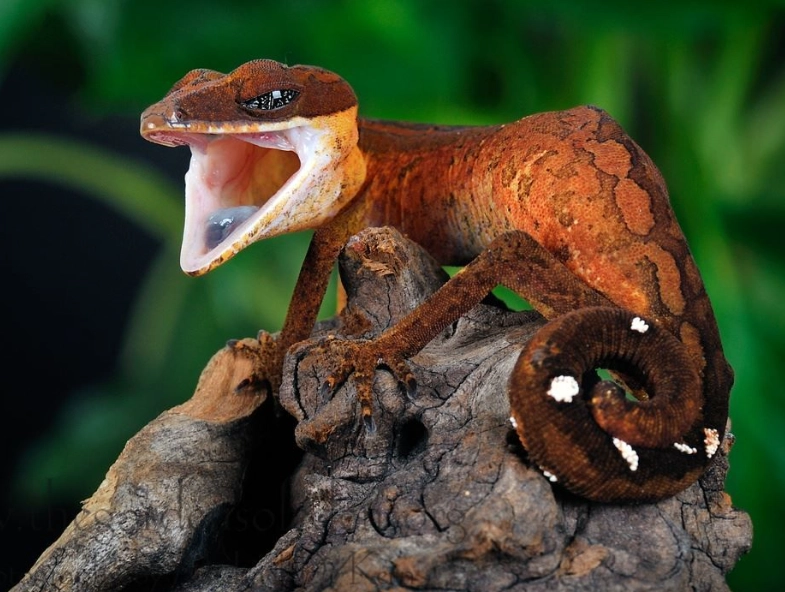
Breeding Cat Geckos: A Simplified Overview
Breeding cat geckos is a rewarding but patient endeavor. It's not for everyone, and you should only attempt it if you have homes lined up for the offspring. Here's the basic process.
First, you need a proven pair or trio (one male, two females). Males have very prominent hemipenal bulges at the base of the tail. Sexing is usually straightforward once they're sub-adult size. Introduce the female(s) to the male's enclosure during the cooler months (fall/winter). Courtship involves the male chasing and gently biting the female's neck. If successful, the female will lay a clutch of two very hard-shelled, almost round eggs about 30-45 days later.
Now, the tricky part. Cat gecko eggs are among the most temperature-sensitive in the reptile hobby. They require a significant cooling period to develop properly. The standard incubation protocol is:
- Collect the eggs carefully and place them in a deli cup with a moist, but not wet, incubation medium like perlite or vermiculite (1:1 ratio by weight with water). Do not rotate the eggs.
- Incubate them at a steady 68-70°F (20-21°C). This is critical. Higher temperatures often result in failed development or deformities.
- At this temperature, incubation is long. Expect 90 to 120 days, sometimes more.
The hatchlings are tiny replicas of the adults. They can be housed in small, simple setups with paper towel substrate, a few hides, and damp sphagnum moss. Start them on pinhead crickets and fruit flies. They grow slowly.
Health and Wellness: Spotting Trouble Early
A healthy cat gecko is alert (at night), has clear, bright eyes, a plump tail and body, and sheds its skin in one complete piece. Here are the main health issues to watch for:
- Stuck Shed: Especially on the toes and tail tip. Low humidity is the usual culprit. Provide a humid hide (a small container with damp sphagnum moss) and ensure your overall humidity is on point. If shed sticks, a warm, shallow saucer of water can help them soak it off.
- Weight Loss / Poor Appetite: The number one cause is incorrect temperature (too warm). Parasites from wild-caught feeders or a new, wild-caught animal are also possible. A vet visit for a fecal exam is wise if temperature is ruled out.
- Tail Loss (Autotomy): Like many geckos, they can drop their tails if severely stressed or grabbed. It will grow back, but it will be shorter, smoother, and often a different color. It's a last-ditch defense, so handle with care to avoid it.
- Metabolic Bone Disease (MBD): Soft jaw, bowed limbs, tremors. This is 100% preventable with proper calcium and vitamin D3 supplementation (via diet or UVB lighting).
Find a veterinarian who specializes in reptiles (ARAV.org has a find-a-vet tool) before you have an emergency. It's worth the peace of mind.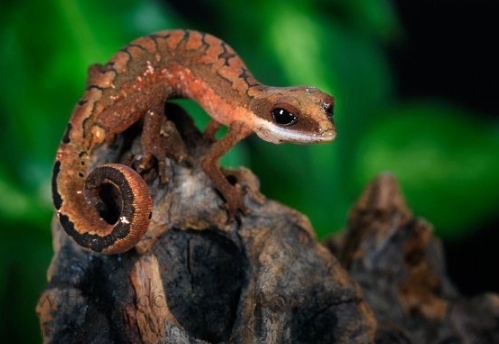
Your Cat Gecko Questions, Answered
Are cat geckos good for beginners?
It depends on your definition of "beginner." If you're a dedicated beginner willing to research extensively and provide a very specific, non-standard environment, then yes. If you want a simple, forgiving pet to learn the basics, start with a leopard gecko or corn snake. The cat gecko's care requirements are just too particular for a total novice who might not recognize the signs of heat stress, for example.
How long do cat geckos live?
With proper care, a cat gecko can live 10-15 years, sometimes longer. That's a significant commitment. They are not short-term pets.
Do cat geckos like to be handled?
This is a big one. No, not really. They are observational pets. They tolerate gentle, infrequent handling, but they will never seek it out like a bearded dragon might. They are easily stressed by fast movements. The joy of keeping cat geckos comes from watching their natural behaviors in a beautifully crafted habitat, not from holding them. If you want a gecko to handle, this is not your species.
Can I house multiple cat geckos together?
Yes, but with major caveats. Only one male per enclosure, ever. Males will fight. A pair (1.1) or a trio (1.2) can work in a sufficiently large, heavily cluttered enclosure. You must provide multiple of everything – feeding stations, hides, water dishes – to reduce competition. Watch closely for signs of bullying (one gecko always hiding, losing weight, injuries). Be prepared to separate them permanently if needed. Solitary housing is always the safest option.
Why is my cat gecko always hiding?
Because that's what they do. They are cryptic, secretive animals. If you have provided ample hides, leaf litter, and plants, a healthy cat gecko will spend most of its day tucked away. You'll see it become active at dusk and during the night. If it's hiding and not coming out to eat at night, then you have a problem to investigate (check temperatures first!).
Look, at the end of the day, the cat gecko is a special animal. It's not the flashy, handleable poster child of the reptile world. It's a subtle, elegant, and ancient creature that asks for a very specific kind of home. If you can provide that – a cool, humid, planted forest in a glass box – you will be rewarded with the privilege of observing one of nature's more unique creations. You'll watch it stalk a cricket with impossible patience, curl up in a cork tube like a furry feline, and maybe even hear its soft nighttime clicks.
But if you try to cut corners, if you treat it like any other gecko, it will likely languish and die. That's the honest truth. Their conservation status in the wild is Near Threatened due to habitat loss, as noted by the IUCN Red List. In captivity, we have a responsibility to get it right. So do your homework, set up the tank perfectly before you even think about buying the gecko, and if it all sounds like too much, there's no shame in admiring them from afar. The reptile hobby has a perfect pet for every level of commitment, and the wonderful, weird cat gecko sits proudly in its own unique niche.
Reader Comments