So you're thinking about getting a Broad-tailed gecko, or maybe you just brought one home and are staring at that empty terrarium wondering what's next. Good news – you're in the right place. The Broad-tailed gecko, scientifically known as Afroedura broadleyi, is a fantastic choice for both new and experienced reptile keepers. Hailing from the rocky outcrops of South Africa, these flat-bodied geckos are hardy, have fascinating behaviors, and aren't overly demanding. But here's the thing I learned the hard way years ago: "hardy" doesn't mean "set it and forget it." A common misconception is treating them like a generic, low-maintenance gecko. Their specific needs, particularly around humidity and heat gradients, are subtle but make all the difference between a pet that survives and one that truly thrives.
What You'll Find in This Guide
Getting to Know the Broad-tailed Gecko
Before we dive into tanks and thermostats, let's talk about who this creature really is. The Broad-tailed gecko isn't your typical smooth-skinned, wall-climbing house gecko. It's part of the Afroedura genus, a group of Southern African geckos adapted for life in crevices and under rocks.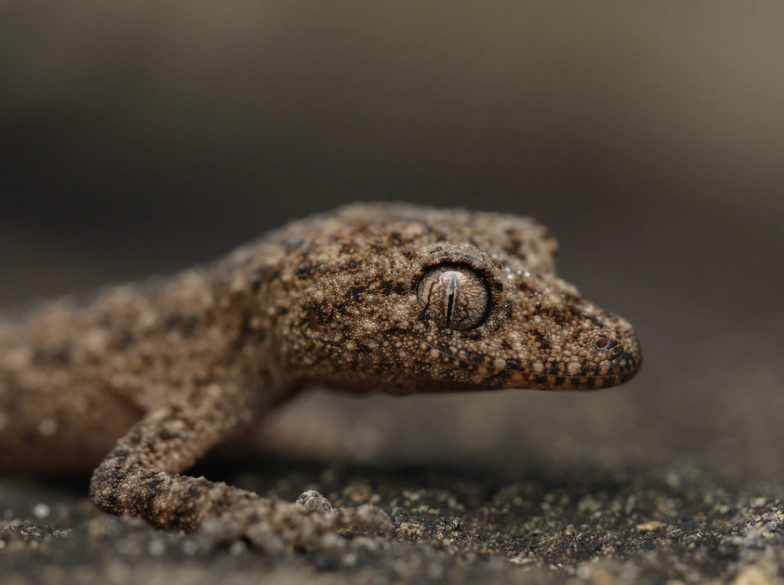
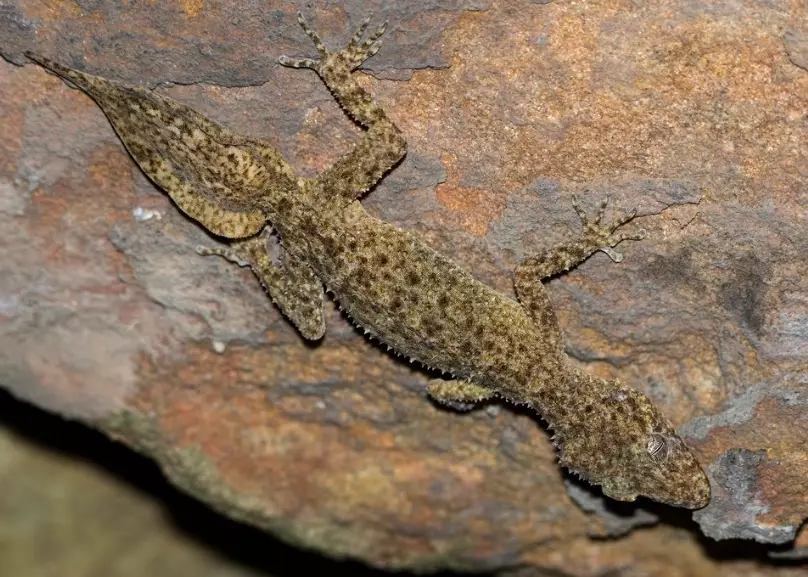
Their most striking feature is their flattened body – it looks like someone gently pressed them from above. This isn't for show; it's a perfect adaptation for squeezing into the narrowest of rock slabs to hide from predators and the harsh sun. Their tails are indeed broad and flat, acting as a fat storage reserve (crucial in their arid homeland) and helping with stability. Coloration is usually a mix of browns, greys, and tans with darker blotches or bands, providing excellent camouflage against granite and sandstone.
Quick Natural History Snapshot: In the wild, you'll find them in regions like the Eastern Cape and parts of the Northern Cape in South Africa. They are nocturnal, emerging at dusk to hunt insects across rock faces. They're not big climbers of sheer glass or smooth leaves; their world is vertical, textured rock. Remembering this rock-dweller mindset is key to designing a good enclosure for them.
How to Set Up the Perfect Broad-tailed Gecko Terrarium
This is where most mistakes happen. A 10-gallon tank with a heat pad and a hide box might keep it alive, but it won't make it happy. Think rocky canyon, not forest floor.
Tank Size and Type
For a single adult Broad-tailed gecko, a 20-gallon long (30" x 12" x 12") is the absolute minimum I'd recommend. They use horizontal space more than height. A front-opening terrarium is a game-changer for maintenance and reducing stress during cleaning – reaching in from above mimics a predator. If you can go bigger, like a 30-gallon breeder, do it. They'll use every inch.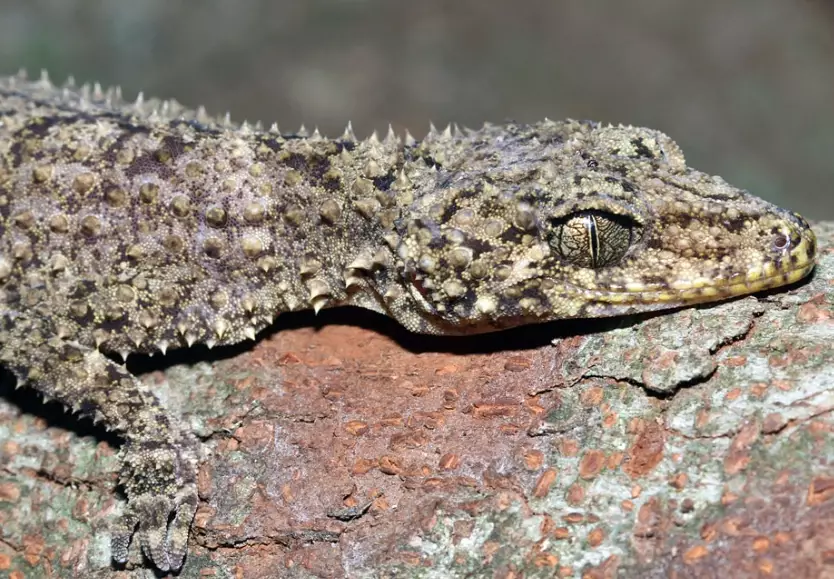
The Non-Negotiables: Heat, Light, and Humidity
This is the trifecta. Get one wrong, and you'll see problems.
>A ShadeDweller or 5.0 UVB tube, running for 10-12 hours a day, can benefit calcium metabolism and overall health.| Parameter | Target Range | How to Achieve It | Why It Matters |
|---|---|---|---|
| Temperature (Basking Spot) | 88-92°F (31-33°C) | Use a low-wattage halogen bulb or deep heat projector on one end of the tank, controlled by a thermostat. Never use a heat mat as the primary heat source. | Essential for digestion and metabolism. The basking spot should be on a flat rock surface. |
| Temperature (Cool Side) | 72-78°F (22-26°C) | The unheated end of the enclosure. Ensure there's a clear gradient from hot to cool. | Allows the gecko to thermoregulate and cool down, preventing stress. |
| Nighttime Temp Drop | 65-72°F (18-22°C) | All heat and light should turn off at night. A small drop is natural and beneficial. | Simulates natural conditions and supports healthy circadian rhythms. |
| Humidity | 40-50% ambient, with a 60-70% humid hide | Light misting in the evening. Provide a fully enclosed hide box packed with damp sphagnum moss or reptile soil. | Prevents dehydration and aids in shedding. The humid hide is critical – they'll use it when they need to. |
| Lighting | Low-level UVB (optional but recommended) | While they are nocturnal, they do bask in low light at dawn/dusk. UVB is a proactive health measure. |
Substrate and Decor: Building a Rocky Landscape
Avoid loose, dusty substrates like sand or pure coconut fiber. They don't burrow, and these can cause impaction if ingested. Instead, use a mix that holds some structure and humidity:
- Top Choice: A 70/30 mix of organic topsoil (sifted) and playsand or Exo Terra Stone Desert.
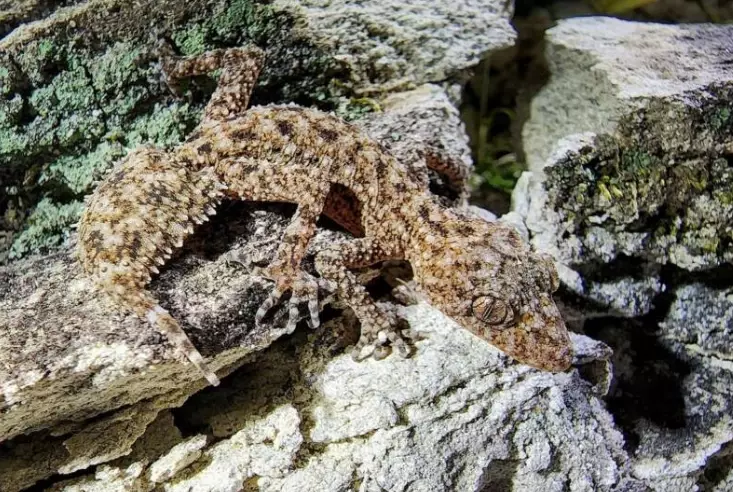
- Simpler Option: Slate or ceramic tiles cut to fit the tank bottom. Easy to clean, provides a great basking surface, and looks natural.
For decor, think texture and hiding opportunities.
- Rock Slates: Stack them securely with silicone to create ledges and deep, dark crevices. This is their favorite type of hide.
- Cork Bark Flats: Great for creating horizontal hiding spaces.
- A Few Sturdy, Low Plants: Like air plants or succulents in pots. They add visual appeal and can help with humidity.
Pro Tip Most Guides Miss: When stacking rocks, don't just plop them in. Use aquarium-safe silicone between layers to create a permanent, stable structure. A shifting rock pile is a major crush risk. I learned this after a midnight crash that scared me more than the gecko.
Broad-tailed Gecko Diet and Feeding Schedule
These guys are insectivores through and through. Their diet in captivity is simple but requires variety and proper supplementation.
Staple Feeders (rotate these): Crickets, dubia roaches, discoid roaches, and black soldier fly larvae are excellent. The size of the insect should be no larger than the space between the gecko's eyes.
Treat Feeders (once a week or less): Mealworms, waxworms, or hornworms. These are higher in fat and should be used sparingly.
Feeding Schedule:
- Juveniles (under 1 year): Offer appropriately sized insects daily, as many as they will eat in 10-15 minutes.
- Adults (over 1 year): Feed every other day, or 3-4 times a week. 4-6 medium-sized insects per feeding is usually sufficient.
The Supplementation Routine (This is Critical):
- Calcium with D3: Lightly dust insects at every other feeding.
- Multivitamin: Dust insects with a reptile-specific multivitamin once a week.
- Always gut-load your feeder insects with nutritious veggies (carrots, squash, leafy greens) 24-48 hours before feeding.
Keeping Your Gecko Healthy: Common Issues and Prevention
A well-set-up Broad-tailed gecko is remarkably robust. Most health issues stem from husbandry errors.
Stuck Shed (Dysecdysis): This is the number one issue I see. It's almost always due to inadequate humidity or a lack of a proper humid hide. If you see retained shed, especially on toes or the tail tip, increase the humidity in the moist hide and provide a rough surface (like a piece of cork) for them to rub against. A shallow, lukewarm "sauna" (a container with damp paper towels) for 10-15 minutes can help loosen stubborn patches.
Metabolic Bone Disease (MBD): Soft, rubbery jaw, bowed limbs, difficulty climbing. This is caused by insufficient calcium, lack of proper UVB/D3, or an improper calcium-to-phosphorus ratio in the diet. It's entirely preventable with the supplementation schedule outlined above.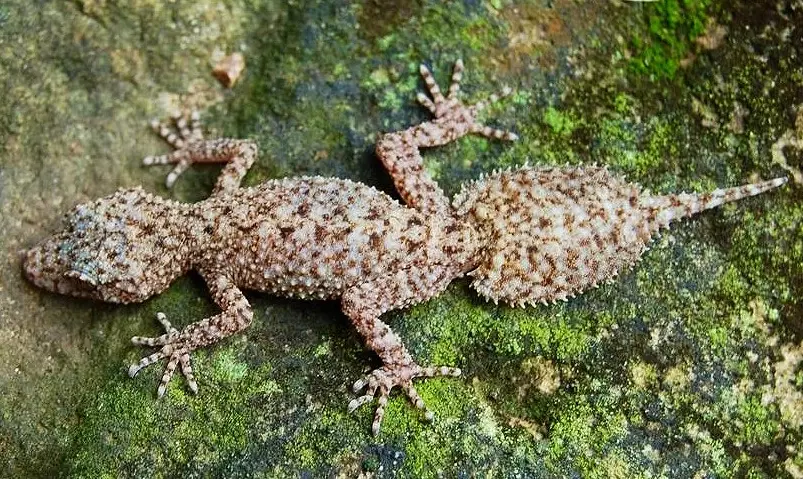
Impaction: A blockage in the digestive tract, often from ingesting loose substrate or overly large prey. Symptoms include lethargy, loss of appetite, and a swollen abdomen. Prevention is key: use appropriate substrates, feed the right-sized prey, and ensure proper basking temperatures for digestion.
Parasites: Internal parasites can come from wild-caught insects or an infected gecko. Signs are weight loss despite eating, runny or foul-smelling stools. A fecal exam by an exotic vet is the only way to diagnose and treat this.
The best medicine is observation. Spend time watching your gecko at night. Know its normal activity level, eating habits, and body shape. Any sudden change is your first clue something might be off.
Handling, Temperament, and Daily Interaction
Broad-tailed geckos are generally docile but are not "cuddly" pets. They are observational animals first. They can become quite tolerant of handling with slow, patient work.
- Start Slow: For the first 1-2 weeks, don't handle them at all. Let them settle in.
- Hand-Feeding: Once they're eating regularly, try offering a bug from feeding tweezers. This builds positive association.
- The First Holds: Scoop them up from below gently, supporting their entire body. Never grab from above. Keep initial sessions short (2-5 minutes) and close to a soft surface like your bed or a couch in case they jump.
- They may vocalize with a small squeak if startled. It's more surprising than aggressive. Just stay calm and move slowly.
Remember, they are most active at dusk and dawn. That's the best time to see natural behaviors like hunting and exploring. A red or moonlight LED bulb can let you observe at night without disturbing their cycle.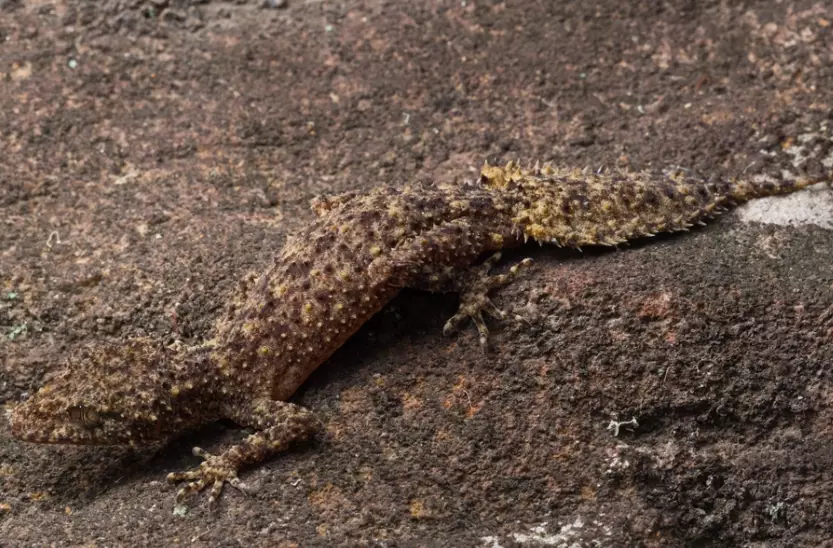
Reader Comments