That tiny, bright green lizard at the pet store is a trap. A beautiful, fascinating trap. I've been keeping green iguanas for over a decade, and I've seen more surrendered to rescues than I care to count. They're not "starter reptiles." They're a six-foot-long, arboreal, humidity-loving, leaf-eating commitment that can live 15 to 20 years. But if you're willing to listen to the hard truths and meet their intense needs, a green iguana pet can be one of the most rewarding reptile relationships you'll ever have. This isn't a fluffy overview. This is the manual I wish I had.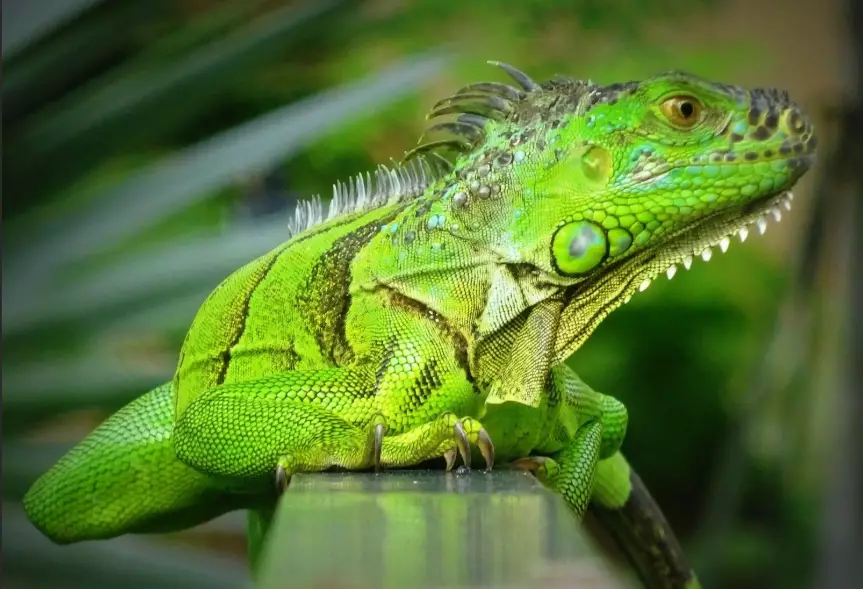
Your Quick Navigation Map
Is a Green Iguana the Right Pet for You?
Let's cut to the chase. A dog is easier. Most cats are easier. This is a niche pet for a specific type of person. Ask yourself these questions honestly.
Space: Can you dedicate an entire wall of a room to an enclosure that's at least 6 feet tall, 4 feet wide, and 3 feet deep for a single adult? I'm not exaggerating. The Association of Reptilian and Amphibian Veterinarians emphasizes the need for spacious, vertical enclosures to prevent stress and physical deformity.
Budget: The initial setup for a proper green iguana habitat—custom-built enclosure, high-output UVB lighting, basking lamps, heavy-duty fixtures, humidifiers, branches, substrate—can easily surpass $1,500. Then there's the monthly cost of fresh produce and electricity.
Time: Daily spot cleaning, daily misting, daily food prep, weekly deep cleans, and most importantly, daily, patient socialization. An unsocialized iguana is a defensive, whip-tailed, biting machine. You need 15-30 minutes of calm, non-threatening presence in their space every single day, especially during their first two years.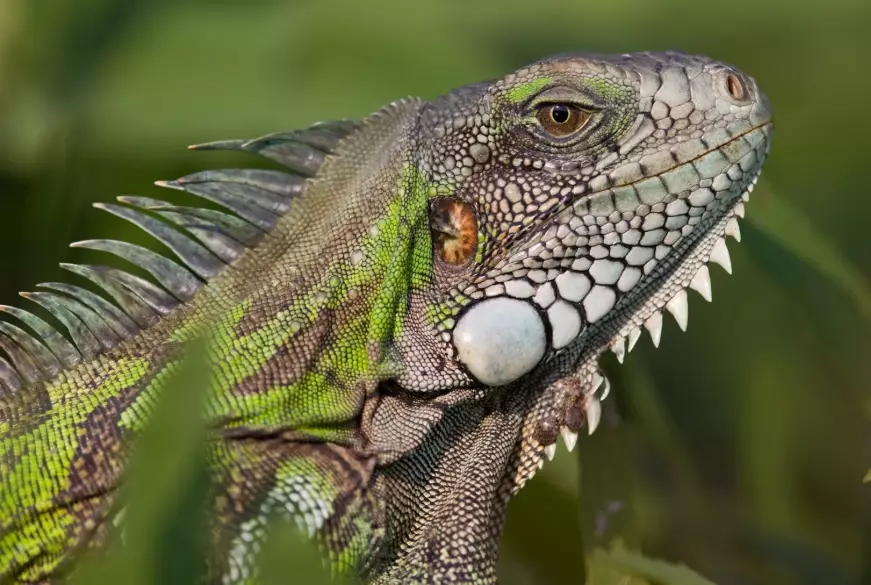
Building the Perfect Habitat: It's Bigger Than You Think
The cage is everything. Get this wrong, and nothing else will work. Your iguana's health, temperament, and lifespan are directly tied to its environment.
Enclosure Dimensions and Materials
Forget glass aquariums after the first few months. They don't hold heat or humidity well and are often too narrow. You need a custom wooden frame with PVC or acrylic panels, or a repurposed large wardrobe. The key is height. Iguanas are climbers. They need to get up high to feel secure. The basking spot should be in the top third of the enclosure.
Minimum Adult Enclosure Size: 6' H x 4' W x 3' D. Bigger is always, always better.
The Non-Negiable Climate Trio
This is where most setups fail. You need to create a vertical gradient of all three factors.
| Parameter | Basking Zone (Top) | Cool Zone (Bottom) | How to Achieve It |
|---|---|---|---|
| Temperature | 95-100°F (35-38°C) | 75-80°F (24-27°C) | Use a ceramic heat emitter or halogen flood bulb in a ceramic socket fixture, controlled by a thermostat. Never use heat rocks. |
| UVB Light | Critical for calcium metabolism | N/A | A linear T5 HO fluorescent tube (10.0 or 12% strength), covering at least 2/3 of the enclosure length, mounted inside the screen, 12-15 inches from the basking spot. Replace it every 10-12 months, even if it still lights up. |
| Humidity | 70-80% | 60-70% | Automatic misting system (like MistKing) is ideal. Manual misting 2-3 times daily. Use a substrate that holds moisture (cypress mulch, orchid bark) and a large water bowl for evaporation. A room humidifier helps. |
Invest in digital hygrometers and thermometers. The cheap analog dials are notoriously inaccurate. Place one probe at the basking branch and another in the cool, shaded corner.
Daily Care and Feeding: Beyond Lettuce
Feeding a green iguana pet correctly is probably the second most common failure point. They are strict herbivores as adults. No animal protein. Ever. Not even "as a treat." It destroys their kidneys.
Their diet should be about 90% dark, leafy greens and vegetables, and only 10% fruits. I make a massive chop once a week, mix it all up, and store it in containers. Here's my staple mix:
- Base Greens (40%): Collard greens, mustard greens, turnip greens, dandelion greens, escarole, endive.
- Other Veggies (50%): Green beans, snap peas, shredded squash (butternut, acorn), bell peppers (all colors), okra, sprouts, grated carrot.
- Fruits & Treats (10%): Mango, papaya, berries, figs. Use these sparingly to encourage eating or for bonding.
Foods to Absolutely Avoid: Iceberg lettuce (zero nutrition), spinach & kale (high in oxalates that bind calcium), broccoli & cabbage (can cause thyroid issues in large amounts), avocado (toxic), dog/cat food, insects, or meat.
The routine is simple but non-negotiable: Fresh food and water in the morning. Remove uneaten food at the end of the day. Spot clean feces. Mist the enclosure heavily. Check temperatures.
Health Monitoring and Common Issues
A healthy iguana is alert, has bright eyes, a rounded body, and a strong grip. Learn to recognize the red flags.
- Metabolic Bone Disease (MBD): The big one. Soft, rubbery jaw, bowed legs, tremors, difficulty climbing. Caused by incorrect UVB, no calcium supplements, or a poor diet. It's preventable but often fatal if advanced.
- Kidney Failure: Lethargy, swelling in the limbs or jaw, loss of appetite. Often linked to chronic dehydration or protein in the diet.
- Skin Infections (Dermatitis): Red, patchy, or blackened skin, especially on the belly. Usually from sitting on wet, filthy substrate. Keep it clean and dry in the resting areas.
- Parasites: Weight loss despite good appetite, runny or unusually smelly stools. Requires a vet visit for a fecal exam.
Find an exotic veterinarian who has experience with reptiles before you have an emergency. A regular dog-and-cat vet won't cut it. The Association of Reptilian and Amphibian Veterinarians has a find-a-vet tool on their website.
Advanced Tips for a Thriving Iguana
Once the basics are locked down, you can focus on quality of life.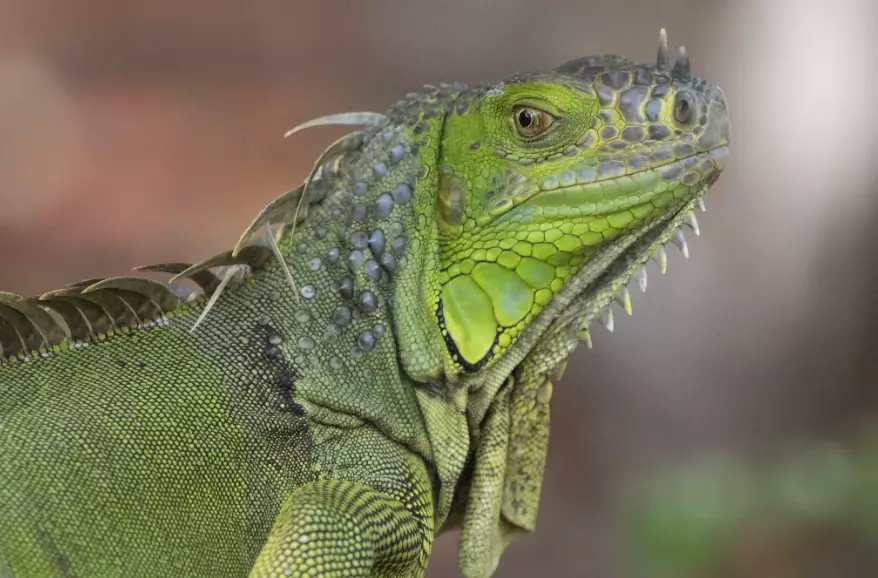
Bath Time: Many iguanas love a warm (85°F) bath. It helps with hydration, aids shedding, and can be a bonding activity. Always supervise. Never leave them unattended in water.
Outdoor Time: If you can safely provide it, natural sunlight is the best thing for them. Build a secure, predator-proof outdoor pen. They need access to both sun and shade. Never leave them out unattended, and never put a glass tank outside—it will overheat lethally in minutes.
Enrichment: These are intelligent animals. Rotate their branches and hiding spots. Hang food in different places to encourage foraging. Some even learn to recognize their name and routines.
Remember, their personality changes as they mature. That relatively calm juvenile will go through a hormonal "teenage" phase around 18-24 months where they can become territorial and aggressive, especially males. Consistent, calm handling is key to getting through this.
Your Burning Questions Answered
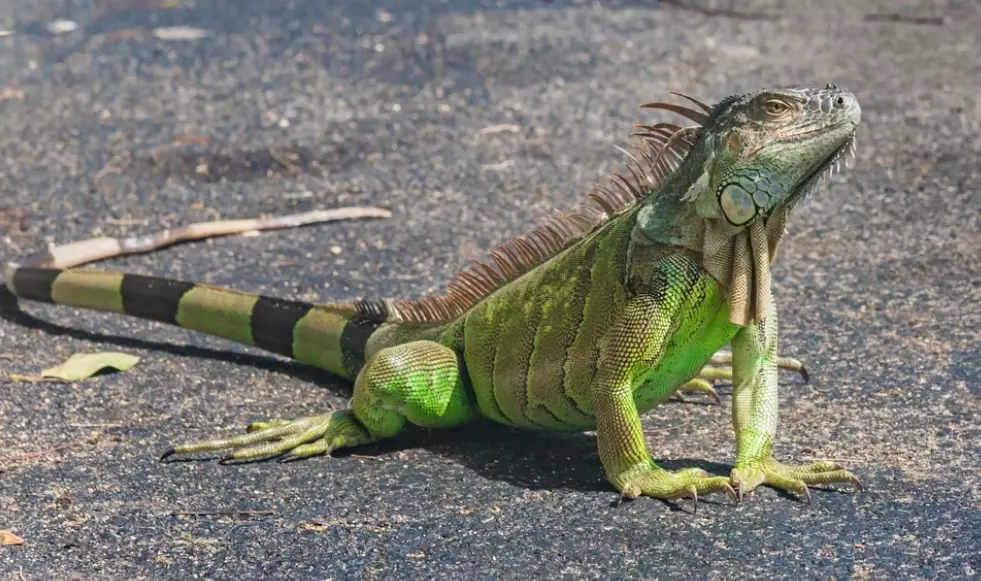 Is it normal for my iguana to turn orange/brown?
 Keeping a green iguana is a marathon, not a sprint. It's expensive, space-intensive, and demands daily attention. But watching a well-cared-for iguana bask, explore, and slowly learn to trust you is a unique experience. If you've read this far and your reaction is "I can do that," not "that's too much," then you might just be the right person for one of reptile-keeping's greatest challenges. Do your research, build the right space first, and source your animal from a reputable breeder or rescue. Good luck.
Reader Comments