You've seen the pictures. A piece of bark with lichen suddenly opens an eye. A dead leaf twitches and crawls away. The mossy leaf-tailed gecko (Uroplatus sikorae) isn't just a pet reptile; it's a living magic trick from the forests of Madagascar. But here's the raw truth most care sheets gloss over: keeping one successfully is less about following a basic checklist and more about recreating a specific, moody slice of rainforest in your home. Many end up as beautiful, reclusive decorations that slowly decline because owners miss the subtle signs. Let's cut through the basics and talk about what it really takes.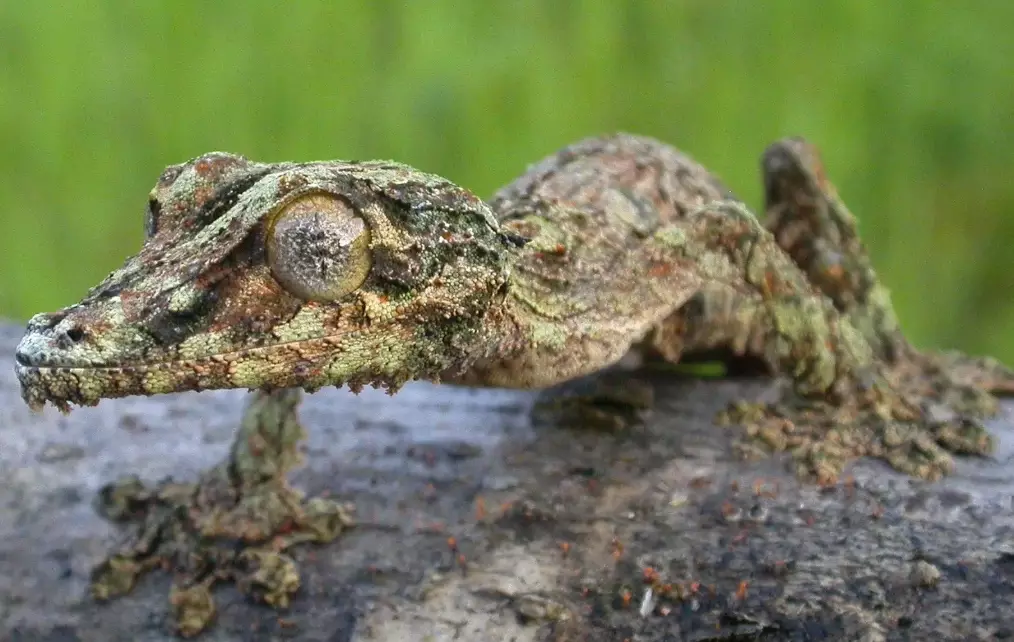
What's Inside?
More Than Just Camouflage: The Biology of a Master
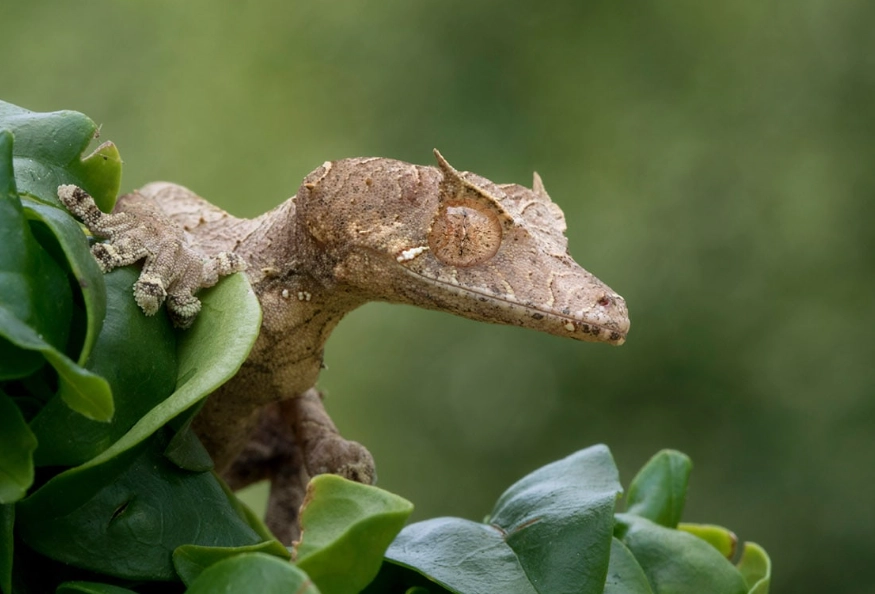
Calling Uroplatus sikorae a "mossy" gecko is a bit of a misnomer. In the wild, they mimic lichen-covered bark, not just moss. Their skin has extraordinary frills, flaps, and coloration that break up their outline perfectly. They don't change color like chameleons, but they can slightly lighten or darken to match their background over minutes or hours.
They're nocturnal, spending their days flattened against a vertical branch, utterly motionless. At night, they become active hunters. A key detail often missed: their tails. While many geckos drop tails readily, leaf-tails have a more fragile connection. A dropped tail often doesn't regenerate fully, leaving a stub that ruins their camouflage. This means handling is a big no-no—it's stressful and risky.
Their native habitat is the cool, humid, montane rainforests of eastern Madagascar. Temperatures rarely soar, and humidity is consistently high. This is the climate blueprint you're signing up to replicate.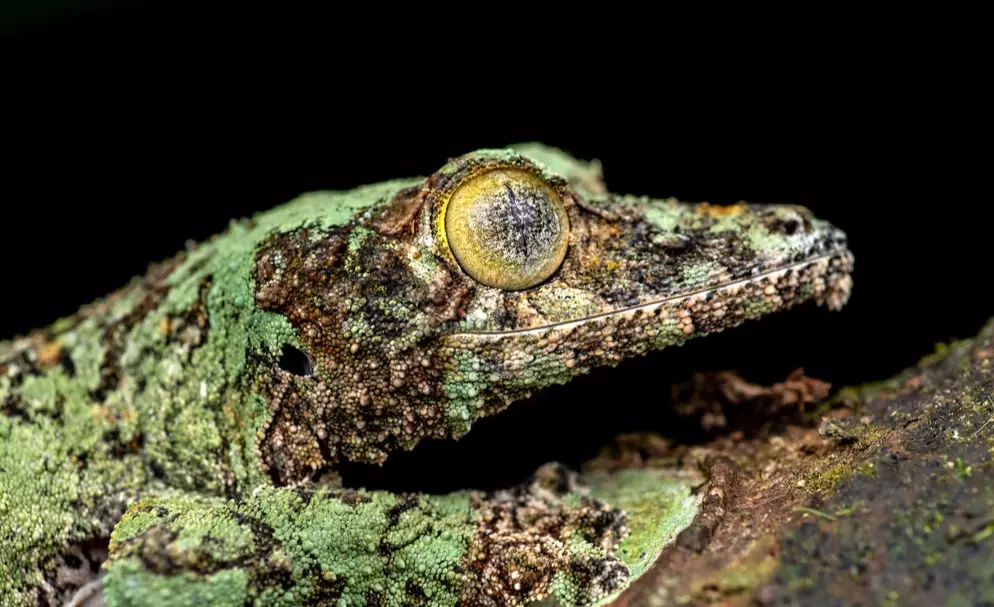
Origin: Eastern Madagascar rainforests.
Size: 4 to 6 inches in total length (snout to tail tip).
Lifespan: 5 to 8 years in captivity with optimal care, sometimes longer.
Temperament: Nervous, reclusive, not for handling. A display animal through and through.
Building the Perfect Enclosure: It's Not Just a Tank
This is where most failures begin. A simple glass aquarium with a heat lamp and a water bowl won't cut it. You're building a vertical, bioactive rainforest fragment.
Enclosure Size and Type
For a single adult, a tall enclosure is non-negotiable. A 18"x18"x24" (45x45x60 cm) tall terrarium is the absolute minimum, but bigger is always better. Screen tops are great for ventilation but terrible for holding humidity. You'll need to cover a portion of it with glass or plastic. Front-opening enclosures are a godsend for maintenance without causing a panic from above.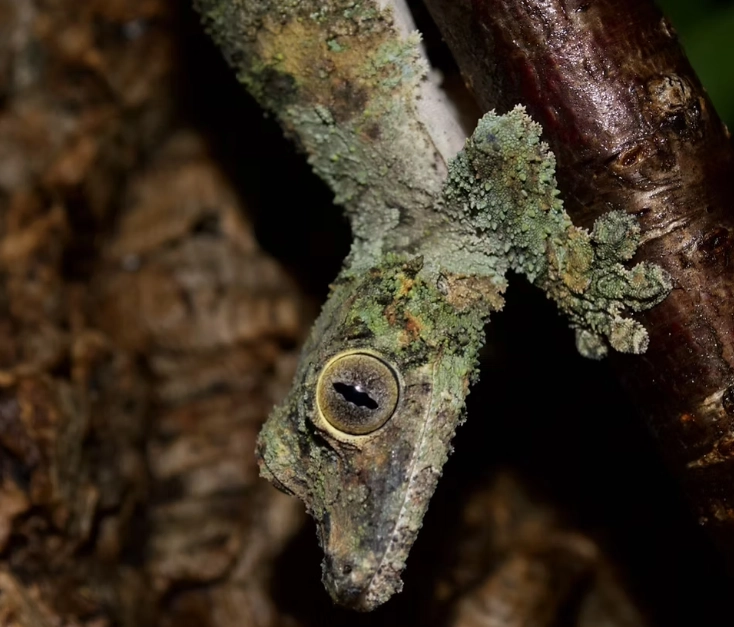
The Climate Control Trinity: Temperature, Humidity, and Airflow
Getting this balance wrong is the most common cause of respiratory infections and stress.
| Parameter | Daytime Range | Nighttime Range | How to Achieve It |
|---|---|---|---|
| Temperature | 68-75°F (20-24°C) | 65-70°F (18-21°C) | Low-wattage heat mat on the side (never under) or a ceramic heat emitter on a thermostat. No basking spot needed. |
| Humidity | 70-80% | 85-100% | Automatic misting system 2-3 times daily (dawn/dusk). Hand misting is inconsistent. Live plants and deep substrate help. |
| Lighting | Low-level UVB (optional but beneficial) | Complete darkness | A low-output 5.0 UVB tube, 10-12 hours daily. Never use bright white or colored night lights. |
The trick nobody talks about? Ventilation. Stagnant, wet air is a death sentence. You need cross-ventilation—vents low on one side and high on the opposite side to create a gentle air cycle. This prevents mold and allows the enclosure to dry out slightly between mistings.
Furnishing for Function and Invisibility
Cork bark tubes and flats are the gold standard. They provide vertical climbing surfaces and perfect hiding spots. You need a dense network of branches and vines, creating highways for them to move on at night. Live plants like pothos, philodendron, and bromeliads are essential—they hold humidity, look natural, and your gecko will drink from their leaves.
Go bioactive. A drainage layer, substrate mix of coconut fiber, orchid bark, and sphagnum moss, and a cleanup crew of springtails and isopods. This creates a living ecosystem that processes waste, reduces mold, and means you'll almost never need to do a full cage breakdown. It's more work upfront but saves endless hassle later.
Feeding and Nutrition: The Common Pitfalls
They eat insects. That's the simple part. The complexity is in the details.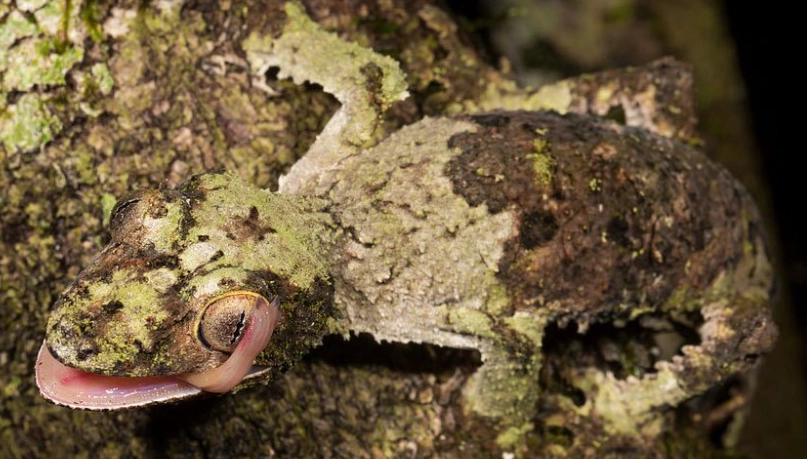
Staple Diet: Gut-loaded crickets, dubia roaches, and discoid roaches are perfect. The insects should be no larger than the space between the gecko's eyes. A common mistake is offering food that's too big, leading to refusal or impaction.
Feeding Schedule: Offer 3-5 appropriately sized insects every other night for adults. Juveniles can eat daily. Don't leave uneaten crickets roaming the enclosure—they can stress or even nibble on a sleeping gecko. Feed in the evening when the gecko is active.
Supplementation is Critical: This isn't optional. Dust insects with a high-quality calcium supplement (without D3) at almost every feeding. Once or twice a month, use a calcium powder with D3 and a multivitamin. The debate about UVB? If you provide low-level UVB (which I recommend), the gecko can synthesize its own D3, making the D3 supplement less critical. But erring on the side of light supplementation is safer than risking Metabolic Bone Disease (MBD).
I've seen too many leaf-tails with MBD—their jaws go rubbery, they can't hunt, and it's a slow, preventable death. Don't skip the dusting.
Spotting Trouble: Health and Common Problems
These geckos are stoic. By the time they look obviously sick, they're often in serious trouble. You need to be a detective.
- Respiratory Infection (RI): The big one. Signs include mucus around the nostrils or mouth, audible clicking or wheezing sounds when breathing, and holding the head up high to breathe. Cause: usually chronic low temperatures combined with poor ventilation and excessive dampness.
- Stuck Shed: Due to low humidity. Pay special attention to the toes and the tip of the tail. Incomplete sheds can constrict blood flow and lead to loss of digits or tail tips. A proper humidity cycle and rough surfaces (cork bark) usually prevent this.
- Parasites: Often imported with wild-caught specimens. Symptoms are weight loss despite eating, runny or smelly stools. Always get a fecal exam done by a vet when you first acquire any reptile, especially one as sensitive as this.
- Stress: The silent killer. Signs are constant hiding (more than usual), refusing food for extended periods, and frantic attempts to escape the enclosure. It's often due to an enclosure that's too open, too bright, or frequent disturbances.
Find an exotic vet with reptile experience before you get the gecko. Don't wait for an emergency to start looking.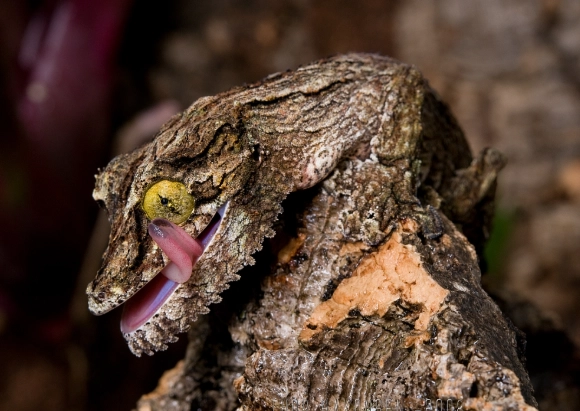
The Breeding Challenge (And Why You Shouldn't Start Here)
Breeding Uroplatus sikorae in captivity is an advanced endeavor, and honestly, not something a first-time owner should consider. It requires precise cycling of temperatures and humidity to simulate Madagascar's seasons—cooling periods ("winter") of 2-3 months with temps in the low 60sF (16-18°C) are often needed to trigger breeding behavior.
Females lay only two hard-shelled eggs at a time, often burying them in the substrate. Incubation is long (90-120 days) and requires stable, cool temperatures around 70°F (21°C). The hatchlings are incredibly tiny and need even more stable conditions than the adults. The stress on the female and the difficulty raising the young make this a project for dedicated specialists. Supporting reputable captive breeders is the best way to obtain a healthy pet.
Your Questions, Answered (Beyond the Basics)
 So, is the mossy leaf-tailed gecko for you? If you're fascinated by natural history, get satisfaction from creating a beautiful, living ecosystem, and are content with observing rather than interacting, then yes. It's a deeply rewarding pet. But if you want an animal to handle, show off, or one that forgives occasional lapses in care, look elsewhere. This gecko demands respect for its niche in the world, and in return, it offers a daily masterclass in evolution's genius.
Reader Comments