Quick Navigation
- First Things First: Which African Tree Frog Are We Talking About?
- Building a Frog Paradise: The Habitat is 90% of the Battle
- What's on the Menu? Feeding Your Tree Frog
- Keeping the Water Clean and Your Frog Healthy
- Common Health Issues: What to Watch For
- Wrapping It Up: Is an African Tree Frog Right for You?
Let's be honest, you probably saw a picture of a chubby, smiling White's tree frog online or in a pet store and thought, "I need that in my life." I get it. I was there too. Their big eyes and seemingly permanent grin are ridiculously charming. But before you run out and buy one, there's a lot more to African tree frog care than just putting it in a tank with some water. Getting it wrong means a sick, stressed frog, and trust me, a sick frog is a sad (and often expensive) thing.
This guide isn't going to sugarcoat it. It's everything I wish I knew when I started, plus a ton of stuff I learned the hard way. We'll talk about setting up a home they'll actually thrive in, what to feed them (and what not to), and how to spot trouble before it becomes a crisis. Good African tree frog care is about mimicking a slice of their natural world in your living room.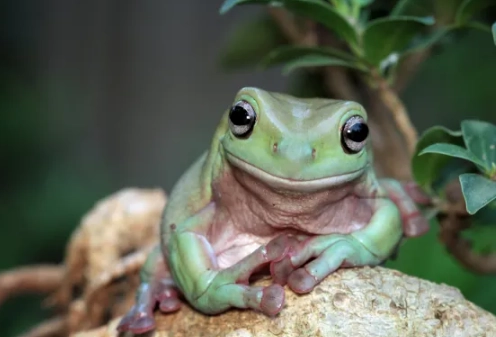
First Things First: Which African Tree Frog Are We Talking About?
"African tree frog" is a bit of a blanket term. In the pet trade, a few species are common, and their needs have slight variations. You should know which one you're getting, because a care sheet for one might be wrong for another.
The undisputed superstar is the White's tree frog (Litoria caerulea). Yeah, I know, it's technically Australian. But it's been the face of "pet tree frog" for so long, it's always included in these discussions. They're big, hardy, and tolerate beginner mistakes a bit better. Then you have true African species like the Red-eyed tree frog (Leptopelis vermiculatus) from East Africa, which is more delicate and needs pristine conditions, or various Reed frogs (Hyperolius spp.), which are smaller and often more colorful but can be shy.
For most first-timers, the conversation about African tree frog care starts and ends with the White's. That's what we'll focus on here, as their needs set a good baseline.
Building a Frog Paradise: The Habitat is 90% of the Battle
This is where most people mess up. A frog's tank isn't just a container; it's their entire universe. Get this right, and almost everything else falls into place.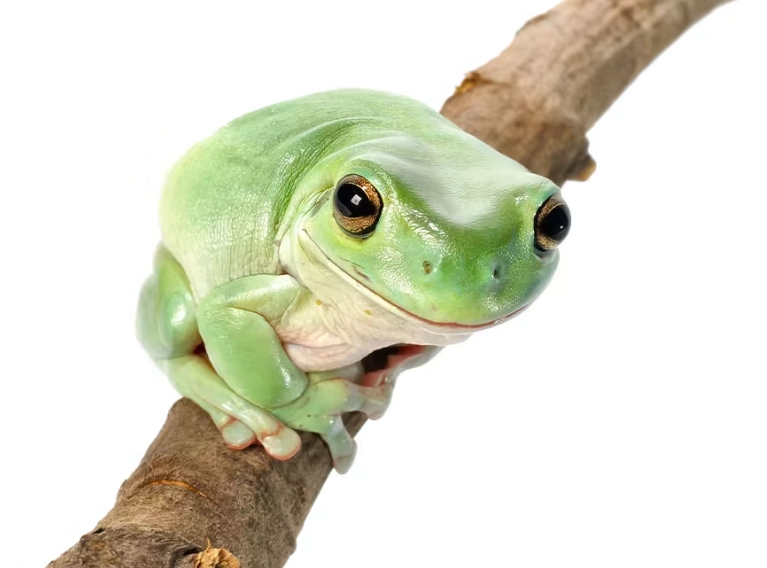
The Tank: Go Vertical
They're called tree frogs for a reason. A standard 10-gallon aquarium on its side is the absolute bare minimum for one frog, but it's kind of like you living in a bathroom. A 20-gallon high or an 18x18x24 inch terrarium is a much better starting point for a pair. More space means better temperature gradients, more climbing room, and a happier frog. Screen tops are essential for ventilation but can make humidity control a pain—more on that later.
Substrate: The Foundation
What you put on the bottom matters. You want something that holds moisture but doesn't stay soggy, and is safe if accidentally ingested (which happens).
- Coconut fiber (eco earth): My go-to. It holds humidity well, is natural-looking, and is safe. It can be messy, though.
- Organic potting soil (no fertilizers or chemicals): Another great option. Feels natural.
- Sphagnum moss: Excellent for humidity, often used as a topping.
- What to avoid: Gravel, small bark chips, or anything they could swallow and get impacted by. I made the bark chip mistake early on. Never again.
Heating and Lighting: Creating a Microclimate
Frogs are ectotherms. They don't make their own heat. Your room temperature is likely too cold for them.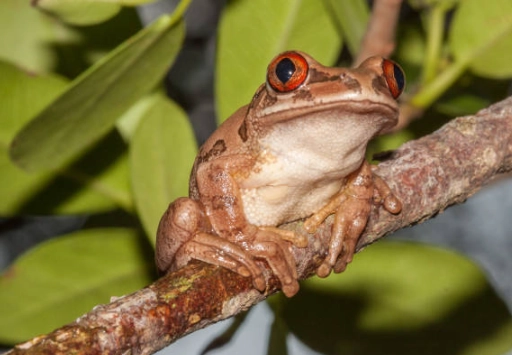
An under-tank heater on one side, controlled by a thermostat, is the safest and most effective way to heat. Overhead ceramic heat emitters or low-wattage basking bulbs in a dome work too, but they can dry out the air. Do they need special UVB light? This is a hot topic. In the wild, they get low levels of UVB. While they can survive without it, providing a low-output UVB bulb (like a 5.0 or 2.0 strength) for 10-12 hours a day is increasingly considered best practice. It helps with calcium metabolism and overall well-being. A simple LED plant light works fine for your plants and makes the tank look amazing.
Humidity: The Constant Struggle
This is the biggest headache for new owners, hands down. White's tree frogs need humidity between 50-70%. Too low, they can't shed properly and get dehydrated. Too high, you're growing bacteria and mold. You'll need a digital hygrometer (those analog dials are notoriously inaccurate).
To raise humidity, mist the tank heavily with dechlorinated water once or twice a day. A misting system is a luxury but a fantastic one. Live plants help a ton. Covering part of the screen top with glass or plastic wrap traps moisture—just don't cover it all, you need airflow. A large, shallow water dish also adds to ambient humidity.
Furniture and Decor: Climbing and Hiding
Bare tanks are stressful tanks. Frogs need to feel secure.
- Branches and vines: Use sturdy, non-toxic wood (like ghostwood, mopani). Create a network for climbing.
- Live plants: Pothos, bromeliads, snake plants. They look great, help with humidity and water quality, and provide hiding spots. Just make sure they're safe and rinsed well.
- Hides: At least two—one on the warm side, one on the cool/moist side. Cork bark rounds or commercial reptile hides work perfectly.
- Background: A 3D foam background or even cork tiles on the back and sides make the tank feel more enclosed and secure for the frog.
Setting all this up correctly is the core of responsible African tree frog care. It's an investment of time and money upfront that pays off every time you see a healthy, active frog.
What's on the Menu? Feeding Your Tree Frog
In the wild, they're opportunistic eaters. In your home, you are their sole provider. Variety is not just the spice of life; it's the key to health.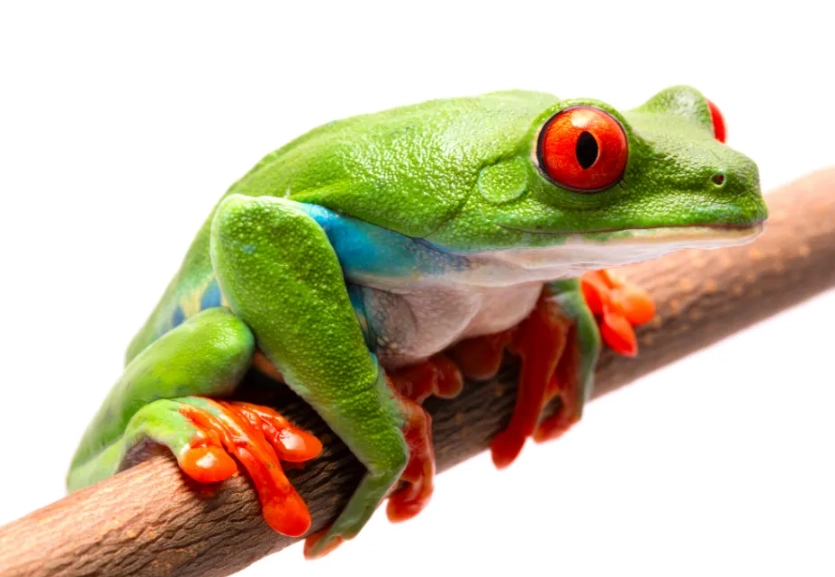
Staple Feeder Insects
These should make up the bulk of the diet:
| Feeder Insect | Nutritional Notes | How Often? | My Experience |
|---|---|---|---|
| Crickets | Good staple, but "gut-load" them with veggies 24hrs before feeding. | Primary staple for juveniles/adults. | Easy to find, but they smell and can be noisy. Escape artists! |
| Dubia Roaches | Excellent protein-to-chitin ratio, less smell, can't climb glass. | Great primary or alternate staple. | My absolute favorite feeder. So much easier than crickets. |
| Black Soldier Fly Larvae (Calciworms/BSFL) | High in calcium, low in phosphorus. Almost a "complete" food. | Excellent regular feeder. | They wiggle a lot, which triggers a great feeding response. |
Treats and Supplements
Occasionally offer waxworms, hornworms, or silkworms as fatty or hydrating treats. Never feed wild-caught insects—they can carry pesticides or parasites.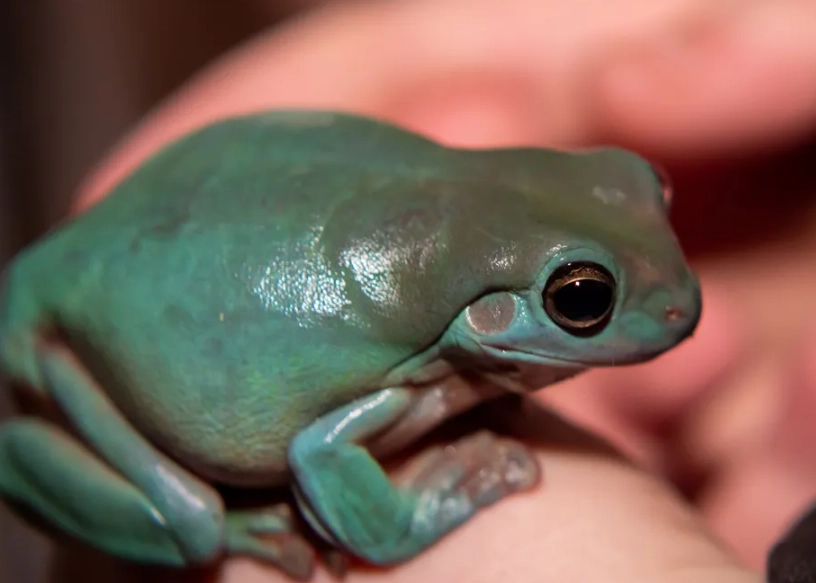
Here's the critical part almost every beginner misses:
You must dust the feeder insects with supplements. A plain insect is like junk food—it fills them up but doesn't give them what they need. You need two powders:
- A high-quality calcium supplement with Vitamin D3 (use at almost every feeding).
- A multivitamin supplement (use once a week).
Lightly coat the insects right before you feed. This prevents Metabolic Bone Disease (MBD), a crippling and fatal condition caused by calcium deficiency. I've seen frogs with MBD, and it's heartbreaking. Just dust the bugs.
Feeding Schedule & Method
Juveniles should be fed daily, as many appropriately-sized insects as they'll eat in 15-30 minutes. Adults do well every other day or 3-4 times a week. The insect should be no wider than the space between the frog's eyes.
Feed in the evening when they're naturally active. You can use feeding tongs (my preference—it's interactive and ensures they eat) or release insects into the tank. If you release them, remove any uneaten crickets the next morning, as they can nibble on your sleeping frog.
Keeping the Water Clean and Your Frog Healthy
Water quality is non-negotiable. Tap water contains chlorine and chloramines that will harm your frog's sensitive skin. You must use a water conditioner like Seachem Prime for all water going into the tank—misting water, soaking water, and their dish water. A large, shallow water dish big enough for them to soak in should always be available and cleaned daily.
Speaking of cleaning, spot-clean feces and dead insects daily. Every 2-4 months, do a partial substrate change and a full tank clean with a reptile-safe disinfectant (like F10SC or diluted vinegar). Never use soap or household cleaners.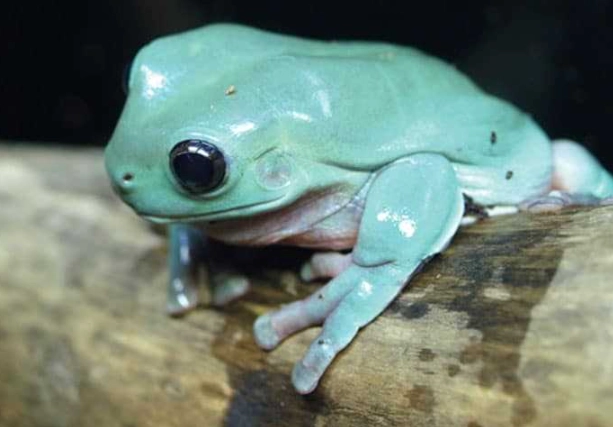
Common Health Issues: What to Watch For
Even with perfect care, things can go wrong. Catching issues early is everything.
- Red-Leg (Bacterial Septicemia): A serious, fast-moving bacterial infection. Symptoms include lethargy, loss of appetite, and reddening of the skin on the belly and thighs. This is an emergency requiring an exotic vet immediately. Often caused by dirty conditions or stress.
- Metabolic Bone Disease (MBD): As mentioned. Symptoms include a soft, rubbery jaw, difficulty climbing, lethargy, and eventually paralysis. Preventable with proper dusting and UVB.
- Skin Issues (Fungal/Bacterial): Cloudy, gray patches, sores, or difficulty shedding (stuck shed). Often related to poor humidity or water quality. A quarantine tank with clean, damp paper towels and a vet visit is needed.
- Impaction: A blockage in the gut from swallowing substrate or too-large prey. Symptoms include bloating and not defecating. Prevent by using safe substrate and proper prey size.
- Parasites: Weight loss despite eating, abnormal feces. Requires a vet to diagnose and treat.
For reliable information on amphibian diseases, the AmphibiaWeb database is an incredible academic resource. The International Union for Conservation of Nature (IUCN) provides conservation status, which is good to know, even for captive-bred pets. For general best practices in keeping amphibians, guidelines from organizations like the Association of Zoos and Aquariums (AZA) can be very informative.
Your African Tree Frog Care Questions, Answered
Wrapping It Up: Is an African Tree Frog Right for You?
Look, African tree frog care isn't rocket science, but it does require consistency, attention to detail, and a willingness to learn. You're creating and maintaining a tiny, living ecosystem. It's more work than a goldfish, but less than a dog.
The payoff is incredible. There's something deeply calming about watching a perfectly adapted creature go about its life in a world you built for it. The late-night croaks, the comical way they stuff crickets into their mouths, the feeling of seeing them thrive—it's worth the effort.
Do your homework first. Get the tank set up and running perfectly for a week or two before you bring a frog home. Source your frog from a reputable breeder, not a big-box pet store if you can help it. A healthy, captive-bred frog is a better start.
Good luck. Do it right, and you'll have a fascinating, long-lived little companion.
Reader Comments