So you've got an albino leopard gecko, or you're thinking about getting one. That pale, pink-eyed beauty is stunning. But a question nags at you: how long will it actually live? You've heard rumors. Maybe someone told you albinos are delicate and don't live as long. Let's cut through the noise. The straight answer is 15 to 20 years in captivity, with proper care. That "proper care" part is where most people, even experienced reptile keepers, fumble with this specific morph.
I've kept and bred leopard geckos for over a decade, and I've seen the full lifespan cycle. The albino leopard gecko lifespan isn't a mystery—it's a direct report card on your husbandry. This isn't just about hitting a number; it's about ensuring those years are healthy and active.
What's Inside: Your Care Roadmap
The 15-20 Year Promise: Setting Real Expectations
Let's anchor this. A well-cared-for leopard gecko, albino or not, can live two decades. I know an 18-year-old Tremper albino that's still taking down crickets. The record pushes past 25. But the average in many homes? Often cited between 6-10 years. That gap, that missing decade, is the difference between basic survival and optimized care.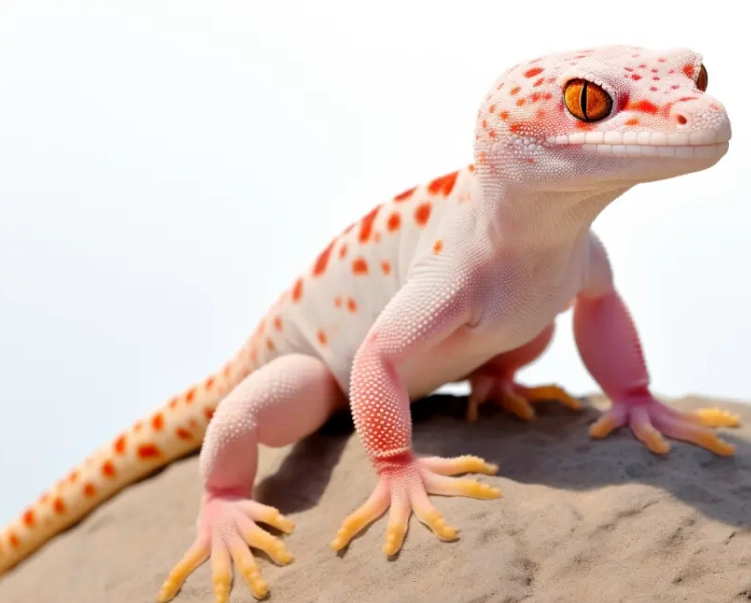
Albinism in leopard geckos (primarily Tremper, Rainwater, and Bell strains) means a lack of melanin. This affects skin and eye color, making them sensitive to bright light. It does not mean they are genetically weaker or predisposed to a shorter life. The shorter averages come from people treating them like a standard leopard gecko. They're not.
The Lifespan Spread: A Quick Reality Check
With Neglect/Poor Care: 2-5 years. Often due to metabolic bone disease, impaction, or severe stress.
With Basic "Pet Store" Care: 6-10 years. They survive but may develop chronic issues like obesity or fatty liver disease.
With Informed, Albino-Tailored Care: 15-20+ years. This is the goal. It requires understanding their unique needs.
What Actually Determines How Long They Live?
Forget complex genetics for a moment. Four pillars hold up that 20-year potential. Get one wrong, and the whole structure wobbles.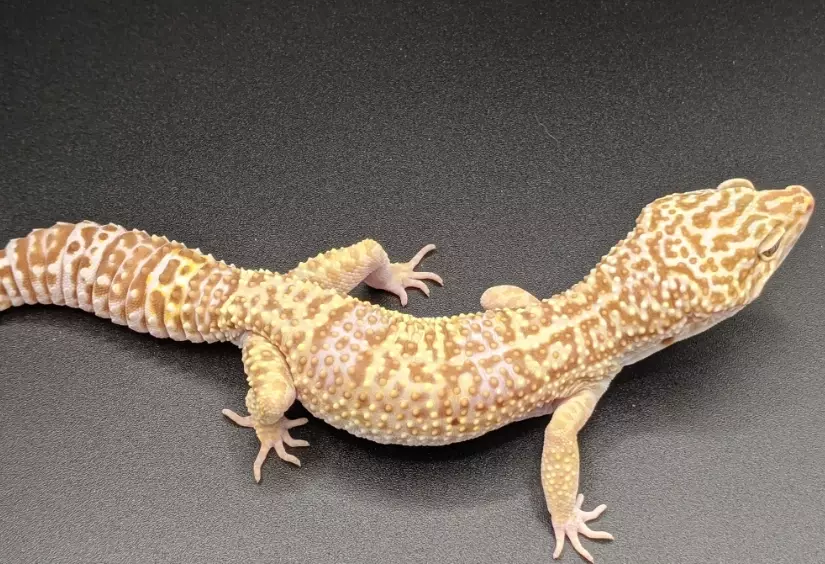
1. Light & Stress Management (The #1 Albino Factor)
This is the non-negotiable. Their pink/red eyes have little pigment to protect them. Bright lights—especially white basking bulbs or colored night lights—are physically stressful. They'll squint, hide 24/7, and stop eating. Chronic stress suppresses the immune system, opening the door to infections and failure to thrive. Your tank should be in a room with normal, indirect daylight. No dedicated heat lamps that emit visible light. Use a under-tank heater controlled by a thermostat. If you need to view them at night, a very dim moonlight LED or a simple low-lumen night vision bulb from a security camera setup is the max.
2. Nutrition & Supplementation
It's not just "feed crickets." It's about variety and dusting. A staple of gut-loaded crickets and dubia roaches, with occasional treats like mealworms or waxworms. The dusting schedule is critical: calcium (without D3) should be available in a small dish in the enclosure at all times. Calcium with D3 and a multivitamin should be used to dust feeders 2-3 times a week, rotating. Poor supplementation leads directly to Metabolic Bone Disease (MBD), a crippling, life-shortening condition.
3. Consistent, Proper Heating
They need belly heat to digest. An under-tank heater covering 1/3 of the tank floor, connected to a reliable thermostat set to 88-92°F (31-33°C) on the hot spot. The cool side should be 70-75°F (21-24°C). No heat rocks. Ever. Inaccurate temperatures cause digestive impaction or refusal to eat.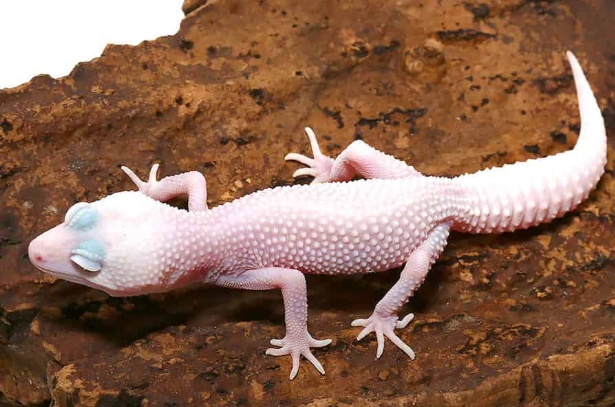
4. Proactive Health & Vet Care
Find an exotics vet before you have an emergency. Annual check-ups for an adult gecko can catch issues like parasitic loads or early kidney stress. Many owners never take their gecko to a vet, and minor issues become major killers.
The Albino-Specific Care Guide: Light, Heat, Food
Let's get tactical. Here’s a breakdown of the parameters that directly impact your albino leopard gecko's lifespan.
| Care Aspect | Ideal for Albinos (Lifespan-Boosting) | Common Mistake (Lifespan-Shortening) |
|---|---|---|
| Lighting | Ambient room light only. Optional low-level UVB (2-5% output, shaded). | Using bright white basking bulbs, blue/red "night" bulbs. |
| Heating | Under-tank heater on a thermostat. Hot spot: 88-92°F. | Heat rocks, lamps without thermostats, guessing temps. |
| Enclosure | 20-gallon long minimum. 3+ hides (warm, cool, moist). | 10-gallon tank, not enough clutter or hiding spots. |
| Substrate | Paper towel, slate tile, or a reputable reptile carpet. | Loose sand, walnut shell, or calcium sand (impaction risk). |
| Diet Variety | Crickets, dubias, black soldier fly larvae. Rotated weekly. | Only mealworms or superworms (high fat, low nutrition). |
| Supplementation | Calcium (no D3) always available. D3 & Multivitamin 2-3x/week. | Dusting "occasionally" or using only one supplement. |
That moist hide is non-negotiable for shedding. Albinos can have slightly more delicate skin. A simple plastic container with a hole cut in the lid, filled with damp sphagnum moss, will prevent bad sheds that can constrict toes and tails.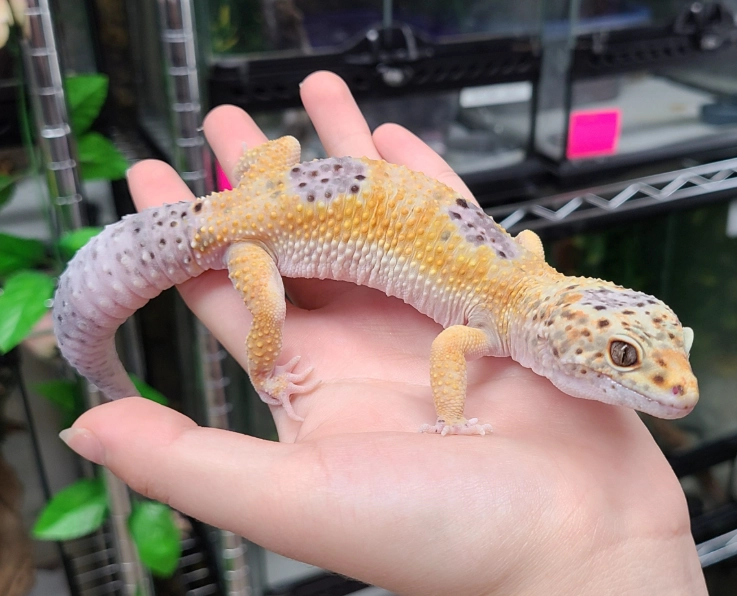
Now, about UVB. It's a hot topic. The Association of Reptilian and Amphibian Veterinarians (ARAV) notes that while leopard geckos can survive without UVB, low-level exposure can benefit calcium metabolism and overall well-being. For an albino, if you try it, it must be a very low-output tube (2% T5 or a shaded 5.0), placed over a screen, and only on for 4-6 hours midday. Provide plenty of shade. Many experts, myself included, think it's an unnecessary risk for albinos. Good supplementation works perfectly.
Spotting Trouble: Health Red Flags You Can't Ignore
You won't have 20 years if you miss the early signs of common problems.
Lethargy & Hiding 24/7: Not just being shy. If it never comes out to explore, it's likely stressed (check lighting!) or sick.
Weight Loss: Their tail should be plump, not thin like a rat's. Weigh them monthly with a small scale. A downward trend is a major red flag.
Runny or Missed Poops: Diarrhea or not pooping regularly can signal parasites or impaction.
Swollen Joints or Difficulty Walking: Classic signs of Metabolic Bone Disease (MBD). The bones are literally softening.
See any of these? Don't wait. A vet visit is cheaper than a new gecko and is your duty as an owner. Resources like ARAV.org can help you find a qualified reptile vet.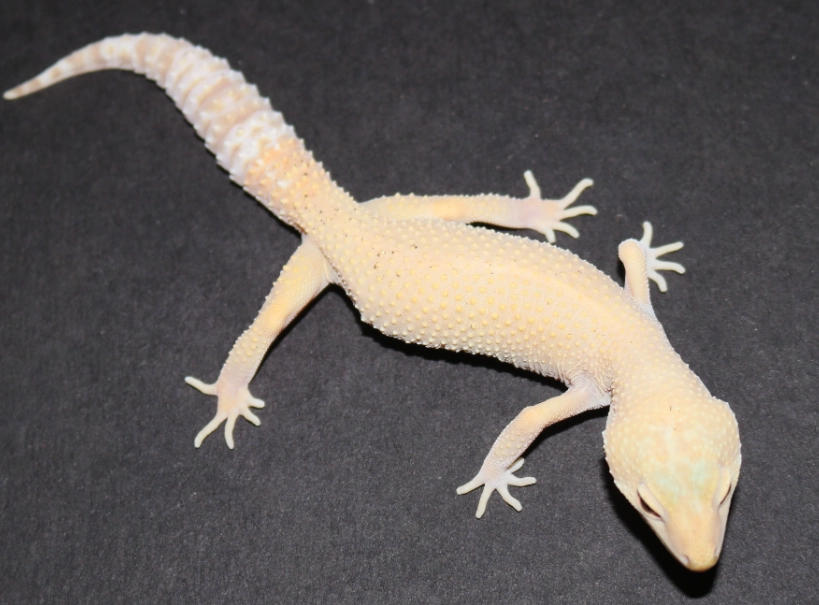
Two Stories, One Lesson: Lifespan in Practice
Let me tell you about two Tremper albinos.
The first was owned by a friend. Beautiful gecko. Lived in a 10-gallon tank with a bright blue "night" heat bulb, ate only mealworms dusted "when he remembered." The gecko was always pale, hiding in its one hide. It stopped eating consistently around year 4. My friend thought it was just "a picky phase." It passed away at 5 years old. The likely cause? A combination of chronic stress from the light, nutritional deficiencies, and probably secondary infection.
The second is my own female, Blizzard. She's 12. She's lived in a 20-long with an under-tank heater, paper towel substrate, and three good hides. Her diet has been crickets, dubias, and the occasional treat. Her supplement schedule is religious. She had one health scare at age 8—a minor prolapse. An immediate vet visit fixed it. She's slower now, but she still comes out, eats well, and explores. I fully expect her to hit 18.
The difference wasn't luck. It was knowledge and commitment to species-appropriate, morph-specific care.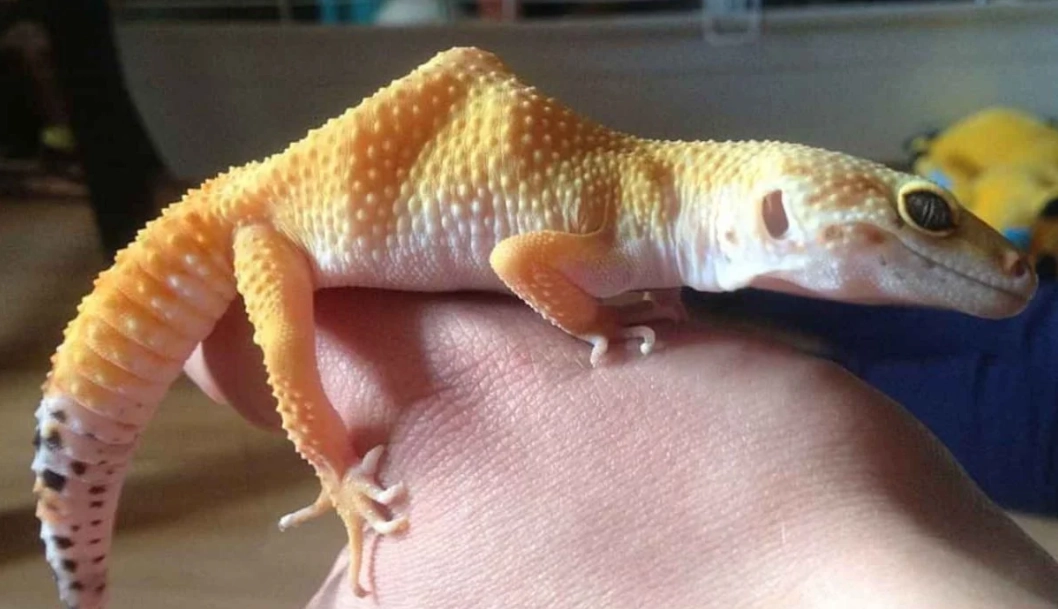
Your Top Albino Gecko Longevity Questions
So, the albino leopard gecko lifespan isn't a mystery. It's a commitment. It's about ditching the one-size-fits-all care sheet and understanding that those pink eyes mean something. They mean you need to be more thoughtful about their world.
Provide the darkness they crave, the belly heat they need, and the varied diet they deserve. Do that, and you're not just hoping for two decades. You're building the foundation for them.
Reader Comments