Let's cut to the chase: leopard geckos are insectivores, meaning their natural diet is almost entirely insects. Fruit isn't part of their menu in the wild. But can you feed it as a treat? Yes, occasionally, but with major caveats. Most fruits are too sugary and can cause health issues if overdone. I've kept leopard geckos for over a decade, and I've seen firsthand how a little fruit can go wrong—think diarrhea, weight gain, or even refusal to eat their staple insects. So, if you're curious about adding fruit to your gecko's diet, this guide covers everything from safe picks to common pitfalls.
What's Inside This Guide
Can Leopard Geckos Eat Fruit? The Straight Answer
In short, leopard geckos can eat some fruits in tiny amounts, but it's not recommended as a regular thing. Their bodies are designed to digest chitin from insects, not sugars from fruits. I often get asked this by new owners who want to vary their pet's diet—it's a nice thought, but variety should come from different insects like crickets, mealworms, and dubia roaches, not from plant matter.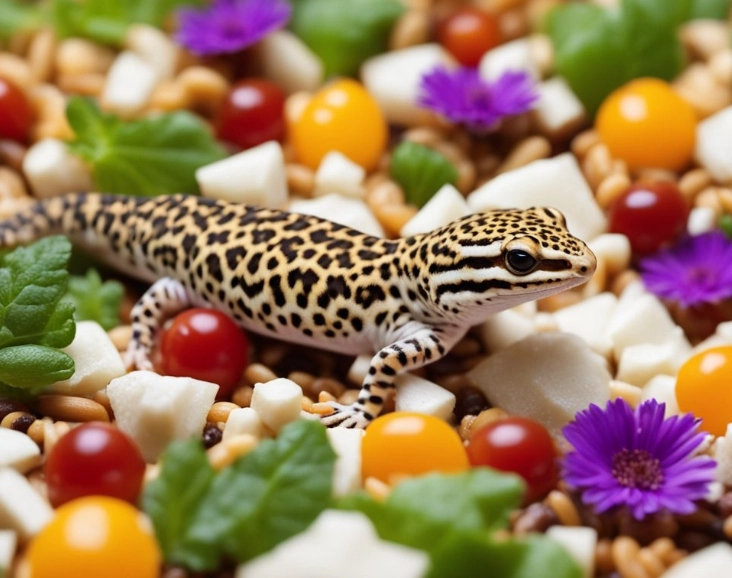
Here's a nuance many sites miss: even "safe" fruits can backfire if your gecko has a sensitive gut. For instance, I once fed a small piece of banana to my gecko, Spike, thinking it was harmless. He loved it, but the next day, he had runny stools and skipped his mealworms. It took a week to get him back on track. So, the answer isn't just yes or no; it's about moderation and observation.
Why Fruit Doesn't Fit Their Digestive System
Leopard geckos have a simple digestive tract optimized for protein-rich insects. According to resources from the Association of Reptilian and Amphibian Veterinarians, reptiles like leopard geckos lack the enzymes to break down high levels of fructose efficiently. Feeding fruit can lead to fermentation in their gut, causing bloating or diarrhea.
Think of it this way: their natural habitat is arid regions where insects are plentiful, but fruits are scarce. Their metabolism isn't built for sugar spikes. A study on reptile nutrition highlights that excessive sugar can contribute to fatty liver disease in captive geckos. That's why even fruits marketed as "healthy" for humans, like apples or berries, need to be approached with caution.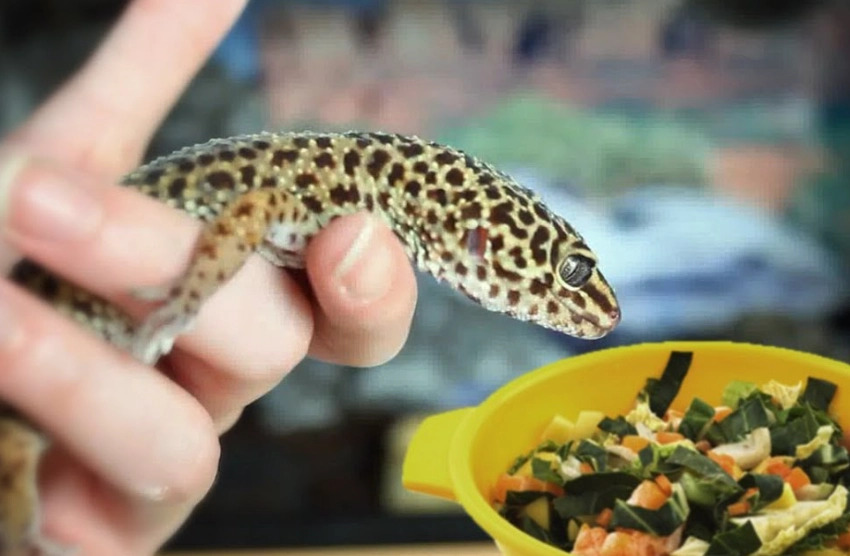
Safe Fruits List: What You Can and Cannot Feed
Not all fruits are created equal for leopard geckos. Below is a table I've compiled based on my trials and expert advice from reptile forums and veterinarians. Remember, "safe" means occasional and in small pieces—think pea-sized or smaller.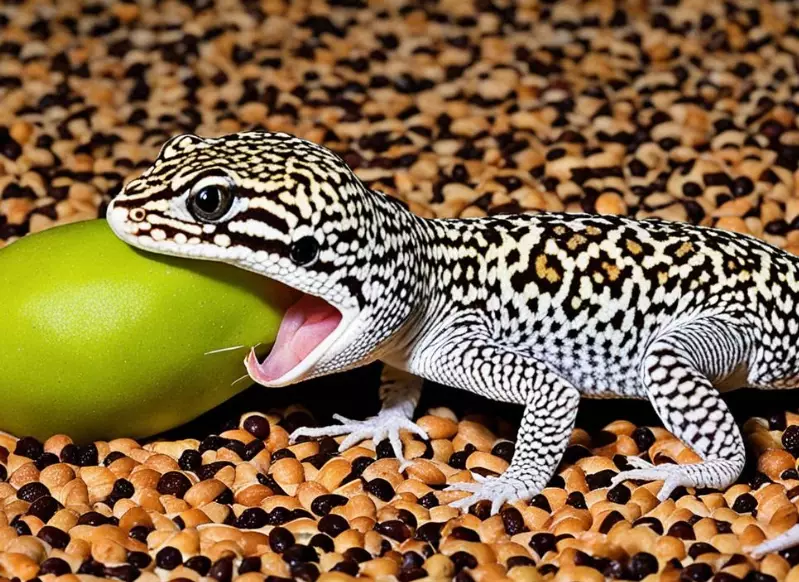
| Fruit | Safety Level | Notes and Frequency |
|---|---|---|
| Apple (peeled) | Moderately Safe | Remove seeds and skin. Offer once a month. High in fiber but also sugar. |
| Blueberries | Safe in Moderation | Wash thoroughly. One berry every two weeks max. Antioxidants are a plus, but sugar content is a concern. |
| Papaya | Safe Rarely | Small piece without seeds. Enzymes might aid digestion, but too much causes loose stools. |
| Mango | Not Recommended | Too sweet and acidic. I've seen geckos develop mouth irritation from it. |
| Citrus (oranges, lemons) | Avoid | Acidic and can upset their stomach. No nutritional benefit for geckos. |
| Grapes | Avoid |
A common misconception is that all berries are fine. Raspberries, for example, have tiny seeds that can get stuck in their throat. I stick to blueberries because they're soft and easy to mash, but even then, I limit it to a quarterly treat.
Fruits to Absolutely Steer Clear Of
Avocado is toxic to many reptiles due to persin—never feed it. Also, avoid dried fruits like raisins; the concentrated sugar and preservatives are a recipe for disaster. I recall a case where a gecko owner fed dried apricot, and the gecko became dehydrated from the sugar pull. Fresh is always better, but only if it's on the safe list.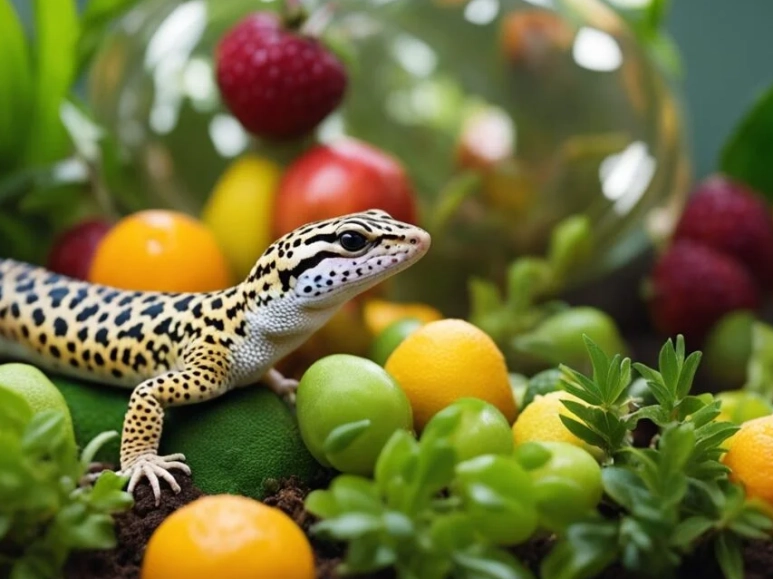
How to Feed Fruit to Your Leopard Gecko: A Step-by-Step Plan
If you decide to try fruit, follow this process to minimize risks. I've used this with my geckos, and it helps prevent issues.
- Choose the Right Fruit: Pick from the safe list above. Organic is preferable to reduce pesticide exposure. Wash it under running water—I use a veggie brush for apples.
- Prepare It Properly: Peel and remove any seeds or pits. Cut into tiny pieces, no larger than the space between your gecko's eyes. For blueberries, mash them slightly.
- Offer a Small Amount: Place one piece in their feeding dish. Don't mix it with insects; offer it separately so you can monitor intake. Do this in the evening when they're active.
- Observe Their Reaction: Watch for 24 hours. If they eat it and show no changes in behavior or droppings, you can consider repeating in two weeks. If they ignore it, remove it after an hour to avoid spoilage.
- Adjust Based on Health: For juvenile geckos, avoid fruit altogether—their growing bodies need protein. Adults over a year old can handle occasional treats, but skip it if they have any health issues like impaction or obesity.
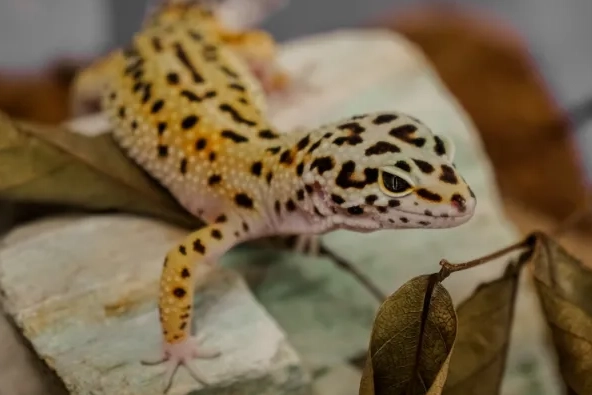
Let's say your gecko, Luna, is a healthy adult. You give her a tiny piece of peeled apple. She nibbles it, and her droppings remain firm. Great—you can try again in a few weeks. But if she gets lethargic, cut it out entirely. It's about reading their cues, not sticking to a rigid schedule.
Pro Tip: Use fruit as a bonding tool, not a dietary staple. Hand-feed the piece to build trust, but keep it rare. Over time, your gecko might associate you with treats, but don't let it become an expectation.
Common Mistakes and Expert Tips to Avoid Them
Many leopard gecko owners stumble with fruit feeding. Here are the big ones I've seen, plus how to dodge them.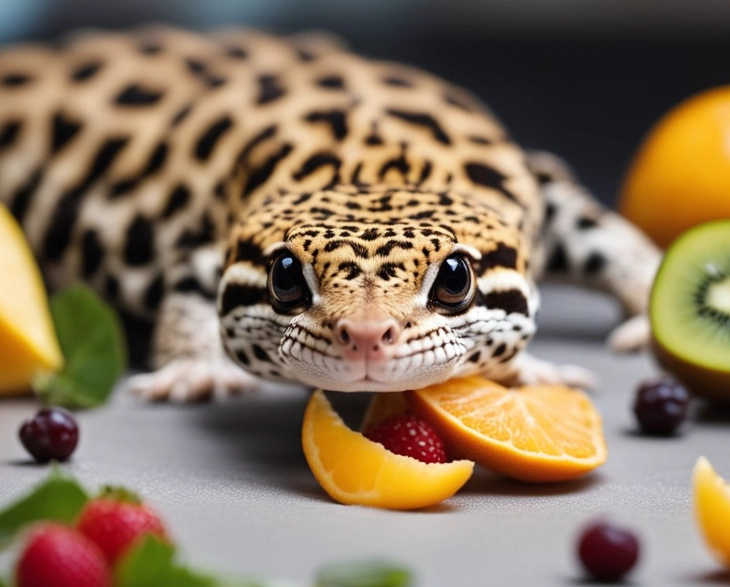
Mistake 1: Feeding Fruit Too Often It's tempting to give fruit weekly, but that's a fast track to health problems. Sugar accumulates in their system. I recommend marking a calendar—once every two weeks is the absolute max. More than that, and you risk metabolic issues.
Mistake 2: Not Washing Fruit Thoroughly Pesticides on fruit skins can be toxic to geckos. Even a little residue can cause neurological symptoms. I always soak fruit in a vinegar-water solution (1 part vinegar to 3 parts water) for 10 minutes, then rinse well.
Mistake 3: Ignoring Individual Tolerance Some geckos handle fruit better than others. One of mine, Blaze, can't tolerate any fruit without getting gassy. If your gecko shows signs like swelling or unusual droppings, stop immediately. It's not worth the risk.
Expert Tip from Experience: Rotate treats. Instead of fruit every time, try offering a waxworm or phoenix worm as a treat. They're more aligned with their natural diet and less likely to cause issues. I've found that geckos stay healthier when treats are insect-based.
Another subtle error: feeding fruit to overweight geckos. If your gecko is already chubby, skip the fruit altogether. The extra calories can exacerbate weight gain, leading to joint problems. I learned this the hard way with an older gecko who loved blueberries—his weight shot up, and I had to put him on a strict insect diet for months.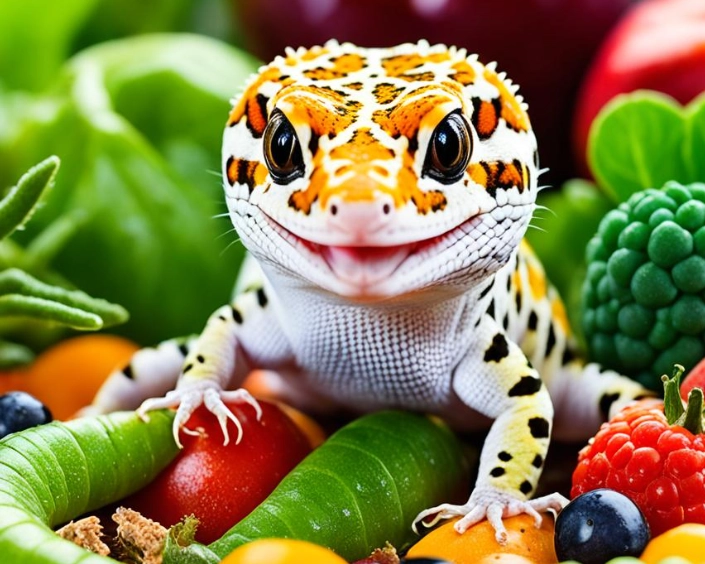
Frequently Asked Questions
Wrapping up, fruit in a leopard gecko's diet is a nuanced topic. It's not essential, and in many cases, it's better to skip it altogether. Focus on a varied insect diet with proper supplementation, and use fruit only as an occasional curiosity. Your gecko's health will thank you for it. If you're unsure, consult a reptile veterinarian—they can provide personalized advice based on your pet's condition.
Reader Comments