You're thinking about getting a leopard gecko. You've heard they're the perfect "beginner reptile." But that label can be misleading. It doesn't mean "no work." It means their care is straightforward if you get the fundamentals right. So, how hard is it really? The short answer: caring for a leopard gecko is moderately easy overall, but it demands precision in a few key areas where mistakes are common and costly. Think of it less like caring for a hamster and more like maintaining a specialized, living terrarium. The difficulty isn't in daily chores—it's in setting up the right environment from day one.
I've kept leopard geckos (Eublepharis macularius) for over a decade, and I've seen the same setup mistakes cripple new owners' confidence. This guide won't just list requirements. It'll show you where most people slip up and how to avoid it, giving you a clear, honest picture of the commitment.
What You'll Find in This Guide
- The Reality of Leopard Gecko Care: Not Too Hard, But Demanding Precision
- How to Set Up the Perfect Leopard Gecko Enclosure (The First-Time Right Way)
- The Daily & Weekly Routine: What Caring for a Leopard Gecko Actually Looks Like
- 5 Common Beginner Mistakes That Make Care Seem Harder Than It Is
- The Real Cost of a Leopard Gecko: Initial and Monthly Expenses
- Your Leopard Gecko Care Questions, Answered
The Reality of Leopard Gecko Care: Not Too Hard, But Demanding Precision
Let's break down "hard" into categories.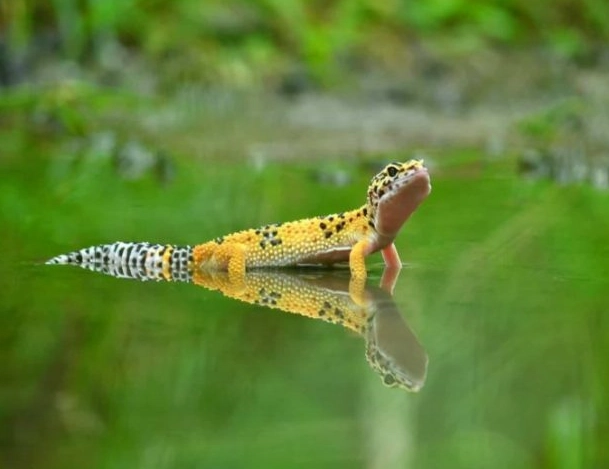
What's Easy (Easier than a dog or cat):
- Feeding: They eat insects (crickets, mealworms, dubia roaches). You don't need to cook or prepare complex meals. Feeding is 2-3 times a week for adults.
- Space: They don't need a room. A 20-gallon long tank is the minimum for one adult. That's manageable in most apartments.
- Interaction: They are hands-off pets. You don't need to walk them or provide constant stimulation. Handling is possible but should be infrequent and gentle.
- Cleanliness: They have a defined "bathroom" area, making spot-cleaning simple. Full tank cleanings are monthly.
- Vet Visits: With a proper setup, they are hardy and may only need a vet for occasional check-ups or specific issues, unlike annual mandates for mammals.
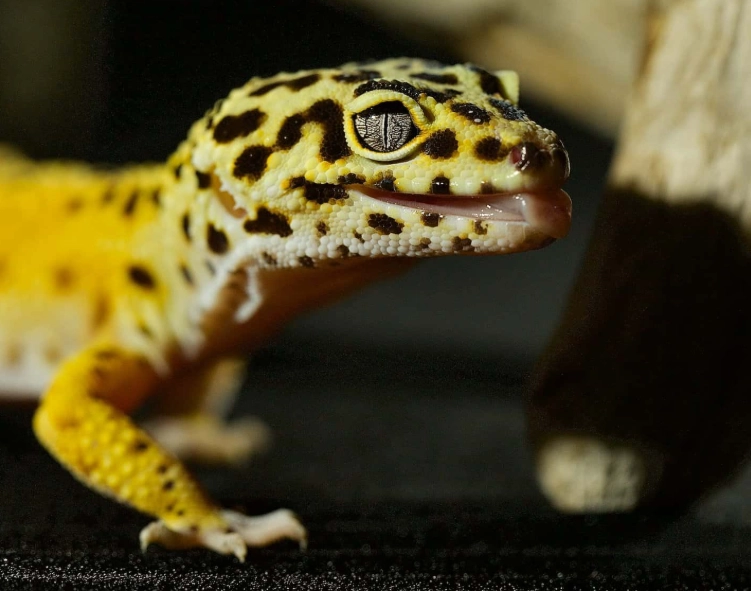
What Requires Attention to Detail (Where New Owners Struggle):
- Temperature Gradients: This is the #1 make-or-break factor. You need a warm side (88-92°F / 31-33°C) and a cool side (70-75°F / 21-24°C). Not a single, uniform temperature. This requires two thermometers and a reliable under-tank heater connected to a thermostat. Guesswork here leads to a gecko that won't eat or digest properly.
- Gut-Loading & Supplementation: You can't just toss in a cricket from the pet store. Those insects are empty shells. You must "gut-load" them with nutritious food 24 hours before feeding. Then, you must dust them with calcium powder (with D3) and a multivitamin on a strict schedule. Miss this, and metabolic bone disease (MBD)—a crippling, irreversible condition—is a real risk.
- Humidity for Shedding: They need a humid hide—a simple enclosed box with moist sphagnum moss—to help them shed their skin. Without it, shed can get stuck on their toes and tail tip, leading to infection or loss.
- Substrate Choice: Loose sand, even if marketed for reptiles, is a major impaction risk for juveniles and a debated choice for adults. Safer alternatives like slate tile, paper towel, or specific topsoil/sand mixes are better. This is a common point of confusion.
The care isn't intellectually hard. It's about consistency and avoiding shortcuts promoted by pet stores selling kits.
How to Set Up the Perfect Leopard Gecko Enclosure (The First-Time Right Way)
Getting the enclosure right from the start eliminates 80% of future problems. Here’s a non-negotiable shopping list.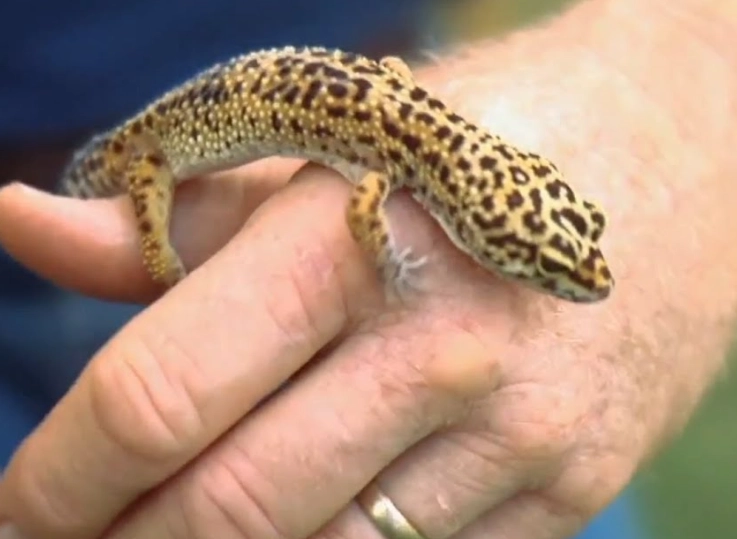
| Item | Specifics & Why It Matters | Budget-Friendly Alternative |
|---|---|---|
| Enclosure | 20-gallon long tank (30" x 12" x 12") minimum for one adult. Bigger is always better. Front-opening terrariums are excellent for reducing stress during maintenance. The long shape is crucial for creating the temperature gradient. | A used aquarium from a local classifieds site. Just ensure it holds water (no cracks) and clean it thoroughly with a vinegar solution. |
| Heating | Under-tank heater (UTH) sized for 1/3 of the tank floor. Connected to a thermostat probe placed between the UTH and the tank bottom. This is non-negotiable for safety and precision. Overhead ceramic heat emitters or deep heat projectors are also great options, but still need a thermostat. | A basic on/off thermostat works, but a dimming thermostat is superior for overhead heat. Don't skip the thermostat—unregulated heat mats can cause severe burns. |
| Lighting & Thermometers | No special UVB is strictly required if you dust insects properly with D3, but many experts now recommend a low-output UVB light (like a shadedweller 2.4% or 7%) for long-term health. You must have two digital thermometers with probes—one for the warm side floor, one for the cool side. A hygrometer for humidity. | You can start without UVB, but plan to add it. Analog stick-on thermometers are inaccurate. Invest in two digital ones from the start. |
| Hides & Decor | Three hides minimum: 1. A warm hide over the UTH. 2. A cool hide on the opposite end. 3. A humid hide in the middle or on the cool side (a plastic container with a hole cut in it, filled with damp moss). Add clutter like fake plants, cork bark, and rocks to make them feel secure. | DIY hides from clean, food-safe plastic containers. Smooth rocks baked in the oven to sterilize. Avoid anything with sharp edges. |
| Substrate | For beginners/juveniles: Paper towel or slate tile. Easy to clean, zero risk. For experienced keepers/adults: A bioactive setup or a 70/30 mix of organic topsoil and playsand. Avoid calci-sand, crushed walnut, and pure sand. | Paper towel is the ultimate cheap, safe starter substrate. It's boring but functional. |
| Food & Water Dishes | A shallow water dish (changed daily). A small, escape-proof dish for mealworms or dubia roaches. A bottle cap or small dish for pure calcium powder (without D3) left in the tank. | Ceramic or glass sauce dishes from a thrift store work perfectly. |
Set this all up and let it run for 48 hours before you bring your gecko home. Dial in those temperatures. This patience saves so much stress later.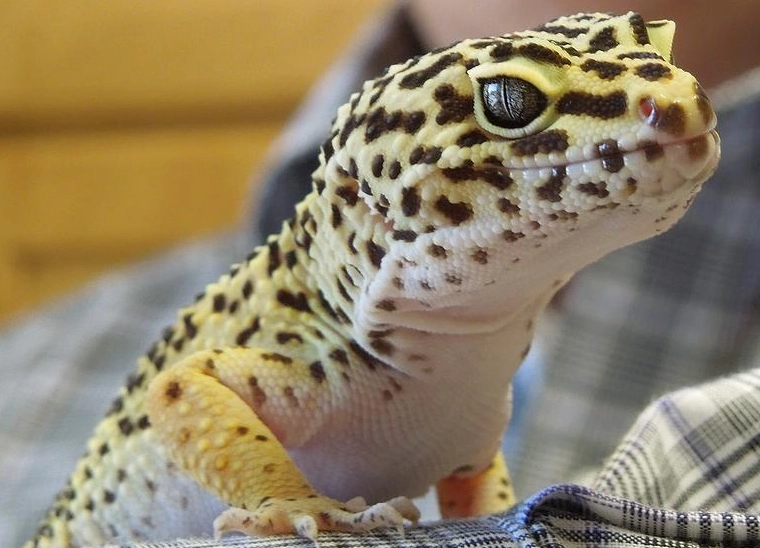
The Daily & Weekly Routine: What Caring for a Leopard Gecko Actually Looks Like
Once the tank is set, the routine is simple.
Daily (5 minutes):
- Check temperatures on both sides of the tank.
- Refresh water dish with dechlorinated water.
- Spot clean any visible waste (they usually pick one corner).
- Check the humid hide—re-moisten the moss if it's drying out.
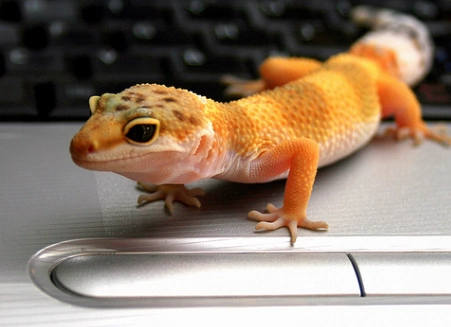
Feeding (Every 2-3 days for adults, daily for babies):
This is the main event. Let's follow a feeding day for "Leo," an adult gecko.
1. Prepare the insects: The crickets in their keeper have been munching on carrots, collard greens, and commercial gut-load food for the last day. This makes them nutritious.
2. Supplement: I shake 4-5 of these gut-loaded crickets in a bag with a pinch of calcium powder with D3. It's Tuesday, so it's a calcium day. On Saturdays, I use the multivitamin powder instead. I keep a schedule on the fridge.
3. Feed: I place the dusted crickets in the tank, usually in the evening when Leo is starting to get active. I watch to make sure he catches them. If he doesn't eat all within 10-15 minutes, I remove the leftovers so they don't bother him.
4. Calcium Dish: There's always a tiny dish in the corner with pure calcium powder (no D3). Leo can lick from it if he feels he needs more. This is a critical backup, especially for growing and gravid females.
Weekly/Monthly:
- Weekly: Remove and wash the water dish and food dish with reptile-safe disinfectant.
- Monthly: Full enclosure breakdown. Remove everything, clean decor with disinfectant, replace substrate (if using paper towel), and thoroughly clean the glass. This prevents bacteria and odor buildup.
The routine becomes second nature. The mental load is remembering the supplement rotation and maintaining the insect colony.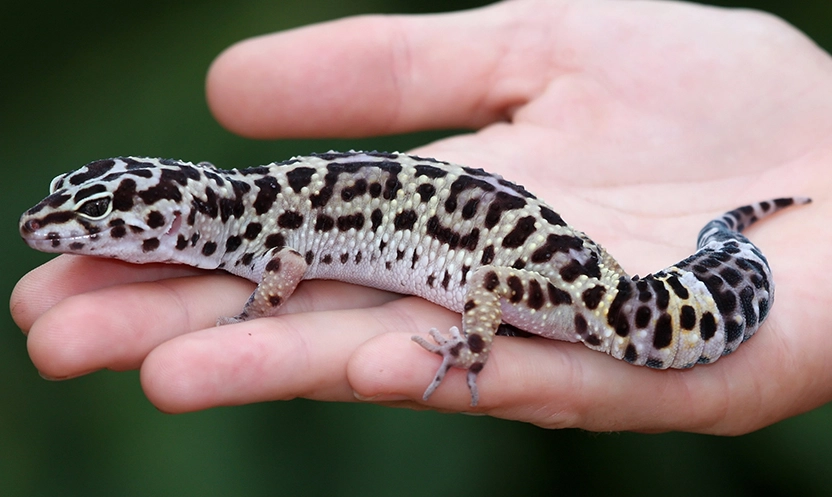
5 Common Beginner Mistakes That Make Care Seem Harder Than It Is
These are the subtle errors that cause most "my gecko is sick" posts online.
- Using a Heat Rock. Just don't. They cause horrific thermal burns. An under-tank heater regulated by a thermostat provides perfect belly heat for digestion.
- Over-Supplementing with D3. More is not better. D3 is fat-soluble and can build up to toxic levels. Stick to a schedule: calcium with D3 2-3 feedings a week, multivitamin 1 feeding a week. The plain calcium dish in the tank lets them self-regulate.
- Handling Too Much, Too Soon. A new gecko needs 1-2 weeks of zero handling to settle in. Even then, limit handling to 10-15 minutes, a few times a week. They are not cuddly; they tolerate. Overhandling causes stress, leading to hiding, refusing food, and a weaker immune system.
- Ignoring the Cool Side. If your entire tank is 85°F, your gecko has no way to thermoregulate. They need that cool side to retreat to. A single hot tank is a stressed, dehydrated gecko.
- Using a Red or Colored "Night" Bulb. Leopard geckos can see red light. Using a red bulb at night disrupts their circadian rhythm, stresses them, and can affect long-term health. If you need supplemental heat at night (usually not if your house stays above 65°F), use a ceramic heat emitter that produces no light.
Avoiding these turns a potentially frustrating experience into a smooth one.
The Real Cost of a Leopard Gecko: Initial and Monthly Expenses
Let's talk money, because surprise costs make pet care feel hard. Here's a transparent breakdown.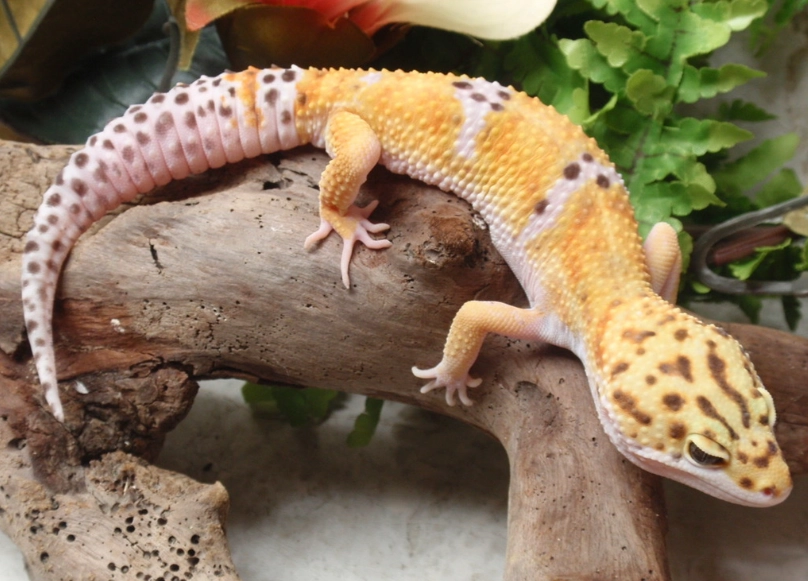
| Expense Type | Low-End Estimate | Mid-Range/Recommended Estimate | Notes |
|---|---|---|---|
| Initial Setup (One-Time) | $200 - $250 | $300 - $450 | Includes tank, heating, thermostat, hides, decor, substrates, basic supplies. Buying quality heating/thermostat upfront saves money long-term. |
| The Gecko Itself | $30 - $50 (Pet Store) | $75 - $250+ (Reputable Breeder) | Breeder geckos are often healthier, better socialized, and come with specific genetics (morphs). |
| Monthly Food & Supplies | $15 - $25 | $20 - $40 | Depends on insect type and if you breed your own. Crickets are cheap but die easily. Dubia roaches are more nutritious and hardy. |
| Annual Vet Check-Up | $0 (Risk) | $60 - $100 | A wellness exam and fecal parasite check is recommended, especially for new acquisitions. |
| Unexpected Vet Bill | $200 - $500+ | Be prepared. Impaction, respiratory infections, or injuries can happen. This is the hidden "difficulty" of any pet ownership. | |
The biggest financial pitfall isn't the monthly cost—it's the initial investment in the correct equipment and the potential emergency fund. You can't cheap out on the thermostat or heating.
Your Leopard Gecko Care Questions, Answered
Can I handle my leopard gecko every day?
I wouldn't recommend it, especially not for extended periods. Two or three short sessions (5-15 minutes) per week is plenty for a well-adjusted adult. They are observational pets first. Daily handling increases stress, which is a primary suppressant of their appetite and immune system. Watch for signs of stress: tail vibrating rapidly, trying to flee, or hiding immediately after being put back. If you see those, cut back.
My leopard gecko isn't eating. Is this normal and how hard is it to fix?
It's common and usually points to an environmental issue, not the gecko being "picky." First, check your temperatures—this is the cause 90% of the time. Is the warm side floor actually 88-92°F? If temps are good, consider if they are about to shed (they look dull), are stressed from recent handling, or if it's winter (some adults naturally reduce eating). Offer food every 2-3 days as usual. If a healthy adult refuses food for over two weeks with perfect temps, then a vet visit is warranted. For new geckos, give them a full week of no handling or disturbance before worrying.
How do I know if my leopard gecko is sick? What makes healthcare hard?
Reptiles hide illness brilliantly. You have to be a detective. Key warning signs: prolonged loss of appetite (beyond shedding period), weight loss (the base of the tail should be plump, not skinny like the neck), lethargy during active hours, swollen joints, difficulty shedding, labored breathing, or runny/mucus-filled stools. Healthcare can be challenging because not all vets are experienced with reptiles (exotics vets are a must), and diagnoses often require specialized tests. Prevention through perfect husbandry is infinitely easier than treatment.
Can I keep two leopard geckos together?
This is a firm no for beginners and generally not recommended. Leopard geckos are solitary in the wild. Cohabitation, even for females, often leads to competition for resources (heat, food, hides), stress, and injury. One will inevitably become dominant, leading to the other being underweight and bullied. The risk of fighting, especially with males, is high. It doesn't make care easier; it doubles the risk and complicates monitoring health. One gecko per enclosure is the only safe rule.
Are leopard geckos noisy or smelly?
Not at all, which is a huge point in their favor for apartment living. They are completely silent—no barking, squawking, or wheezing. A well-maintained tank with proper ventilation and regular spot-cleaning has almost no odor. Any smell usually indicates waste needs to be cleaned or the tank needs its monthly deep clean. This aspect of their care is arguably the easiest.
So, how hard is it to take care of a spotted gecko? If you're willing to invest upfront in the right equipment, follow a consistent routine with their food, and pay attention to the details of temperature and humidity, it's a very manageable and rewarding commitment. The difficulty isn't in relentless daily labor; it's in the initial learning curve and disciplined setup. Get that right, and you'll have a fascinating, low-drama pet for 15-20 years.
Reader Comments