Let's get straight to the point. How often should you mist a crested gecko? The short answer is at least twice a day: a heavy mist in the evening and a lighter one in the morning. But if you stop there, you're missing the whole picture. I've seen too many geckos suffer from stuck shed or respiratory infections because their owners followed a rigid schedule without understanding the why behind it.
This isn't just about spraying water. It's about recreating the brief, intense humidity spikes of their New Caledonian rainforest home, followed by a gradual dry-down. Get this rhythm wrong, and you're working against your pet's biology.
What's Inside: Your Misting Roadmap
Why Misting is Non-Negotiable for Crested Geckos
Think of misting as your gecko's primary hydration system. Crested geckos rarely drink from a standing water bowl. In the wild, they lick water droplets off leaves, their own bodies, and the enclosure glass after rain or heavy dew. No misting means no drinking.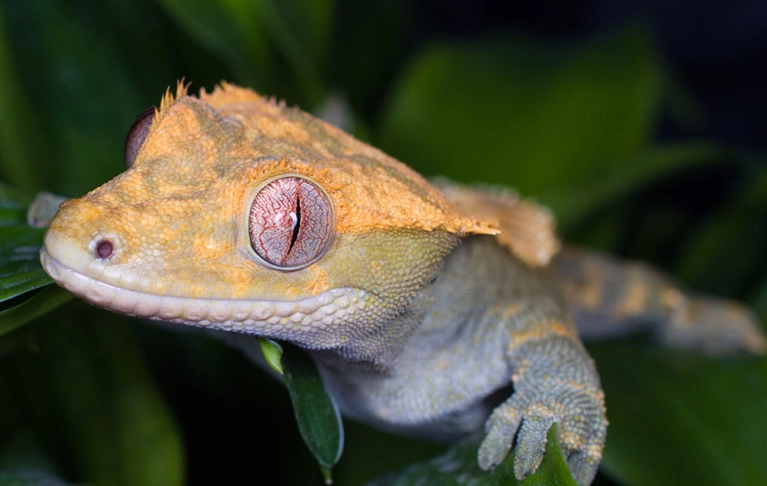
The Three Pillars of Proper Misting
Misting serves three critical functions:
- Hydration: It provides drinking water. A dehydrated gecko becomes lethargic, loses its appetite, and can develop kidney issues.
- Shedding Aid: Crested geckos need high humidity to shed their skin cleanly in one piece. Incomplete sheds, especially around the toes and tail tip, can constrict blood flow and lead to loss of the digit or tail.
- Microclimate Creation: It creates the humidity gradient they need. They should be able to move from a very humid area (like a moist hide) to a drier perch.
Expert Insight: Many care sheets parrot a "50-70% humidity" range. That's an average. The magic happens in the spike and drop. Aim for a spike of 80-100% during/after misting, allowing it to fall to around 50-60% by the next misting session. This daily cycle is crucial.
How to Mist Your Crested Gecko Correctly
Here's your actionable, daily game plan. You'll need a clean spray bottle that produces a fine mist (not a jet stream) and a reliable digital hygrometer. Don't rely on those cheap analog dials—they're often inaccurate.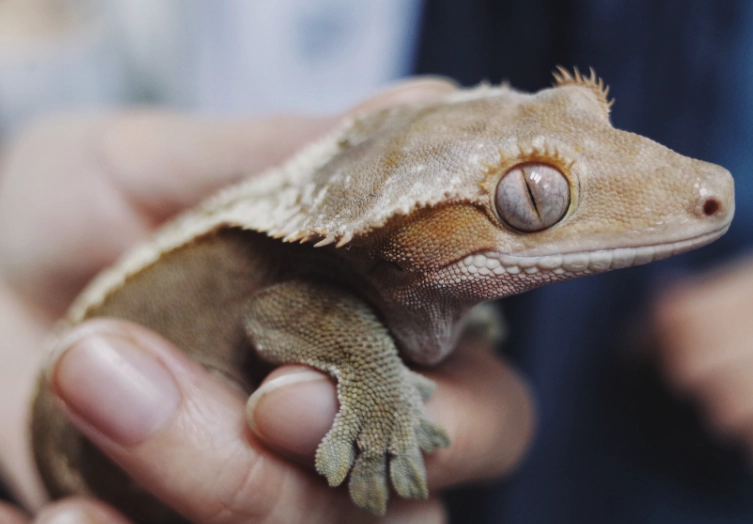
The Evening Session (The Heavy One)
About 30-60 minutes before lights go out, give the enclosure a thorough misting. You're simulating the evening rains. Spray until:
- The leaves are beading with water.
- The sides of the glass/tank have a good covering of droplets.
- The substrate is damp on the surface, but not a sopping wet swamp.
This is when your gecko will become active and start lapping up water. Watch for this behavior—it's a great sign they're utilizing the mist.
The Morning Session (The Light One)
A quick, lighter mist in the morning helps extend the humidity period and provides a few more droplets for a daytime drink if needed. Just a few sprays to dampen surfaces again. This is especially important in drier climates or homes with strong air conditioning/heat.
What about a midday mist? If your humidity plummets below 40% during the day, a quick spritz can help. But for most well-set-up enclosures with live plants and good substrate, the twice-daily routine is sufficient.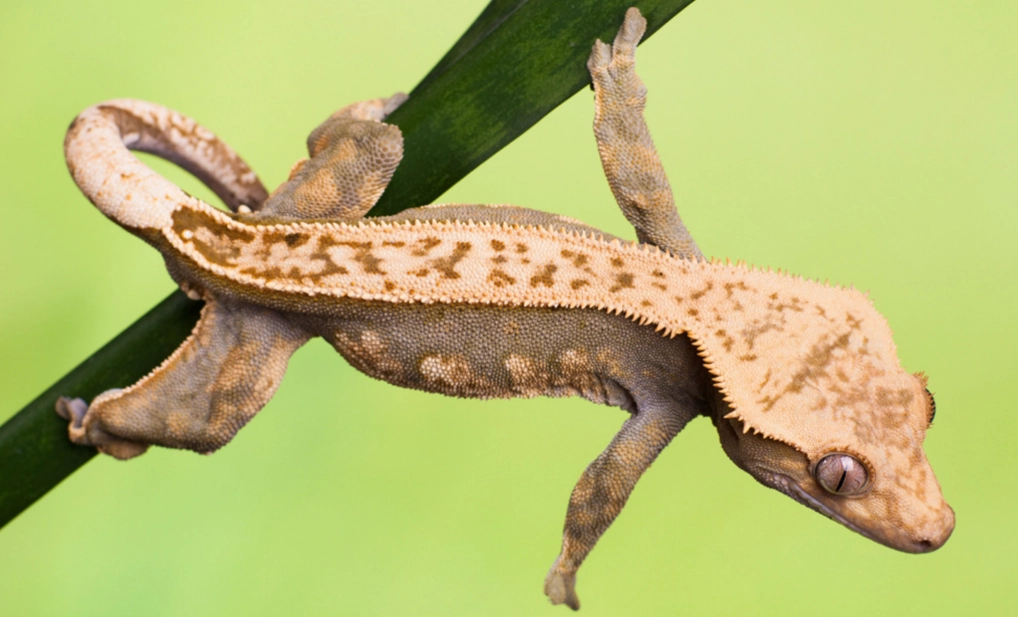
3 Common Misting Mistakes You're Probably Making
After a decade of keeping and advising on cresties, these are the errors I see constantly.
1. Misting Directly on the Gecko
This startles them and can stress them out. It can also force water into their nostrils if you hit them in the face. Mist the environment around them. Let them choose to walk through the fine mist or lick droplets from surfaces.
2. Keeping the Substrate Permanently Wet
This is a big one. Constantly wet substrate breeds bacteria and mold, and can lead to scale rot on your gecko's belly. The surface should dry out between mistings. If the bottom layer of your substrate is always soggy, you need better drainage (a drainage layer) or less water volume per mist.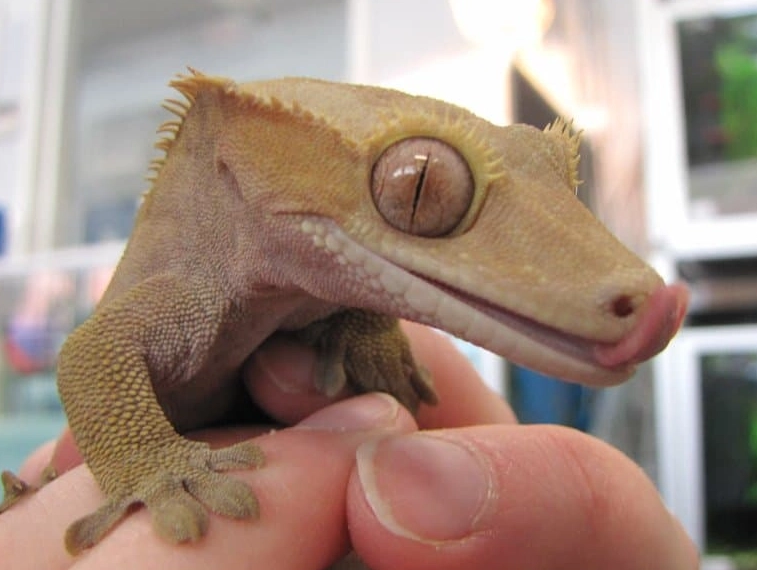
Warning Sign: A persistent musty or sour smell from the enclosure is a red flag for mold growth due to over-wetting or poor ventilation.
3. Ignoring Seasonal and Local Changes
Your home's humidity changes with the seasons. In winter, heated air is dry. You might need to mist three times. In a humid summer, twice may be plenty. Your hygrometer is your guide, not a rigid calendar.
Advanced Tips: Dialing in Your Local Environment
Once you've mastered the basics, these tweaks can make a huge difference.
Invest in a Timer and a Misting System? For busy keepers or large collections, an automated misting system (like those from MistKing or Exo Terra) is a game-changer. You can set it for precise durations at dawn and dusk. But start manually. You need to learn the rhythm before you automate it.
The "Water Bowl" Debate. Should you have one? Yes, always offer a shallow water dish. While they may not use it for primary drinking, some geckos will soak in it, especially before a shed. It's a backup and a behavioral option. Change it daily.
Live Plants are Humidity Allies. Pothos, snake plants, and bromeliads not only look great but also transpire water vapor, helping to stabilize humidity and give more leaf surfaces for drinking.
I remember setting up a gecko enclosure in a very dry apartment. Even with twice-daily misting, humidity would crash in 4 hours. The solution wasn't more misting—it was covering part of the screen top with glass to reduce airflow, and adding a deeper, moisture-retaining substrate layer. Problem solved.
Your Misting Questions, Answered
My crested gecko never seems to drink when I mist. Is something wrong?
Can I use tap water to mist my crested gecko?
How do I mist during a crested gecko shed?
My tank gets foggy and stays wet for hours after misting. What should I do?
Is it okay to mist less often if I provide a large water bowl?
Getting your crested gecko misting schedule right is one of the most impactful things you can do for their long-term health. It's not complicated, but it does require observation and adjustment. Watch your gecko, trust your hygrometer, and mimic the natural rise and fall of the rainforest. Your pet will thrive on that rhythm.
Reader Comments