Feeding a baby leopard gecko seems simple enough: give it small bugs. But that's where most new owners hit their first, and sometimes fatal, wall. I've seen it countless times in reptile groups—a hatchling that stops growing, develops weak bones, or just refuses to eat. The problem is almost never the gecko itself. It's the details around the food. Getting baby leopard gecko food right isn't just about survival; it's about setting up a robust, thriving animal for the next 15-20 years. The three pillars are the right insects, the correct frequency, and non-negotiable supplementation. Miss one, and you're building on a shaky foundation.
What You'll Learn in This Guide
The Absolute Essentials: What to Feed
Think of your baby gecko as a high-performance engine. You wouldn't put low-grade fuel in a race car. The staple insects are your high-octane fuel.
Pinhead/Small Crickets: These are the classic for a reason. They're readily available, nutritious when gut-loaded, and encourage hunting behavior. The key is size. The cricket should be no larger than the space between the gecko's eyes. For a fresh hatchling, that means "pinhead" crickets, which are often smaller than you think. A common mistake is buying "small" crickets from a big-box store, which are often too large and can intimidate or even harm a tiny gecko.
Dubia Roach Nymphs (Small): In my opinion, these are the superior staple. They are meatier, less jumpy (easier for you and the gecko), have a better calcium-to-phosphorus ratio, and don't smell or make noise. A dubia nymph that's the appropriate size is a nutritional powerhouse. They can't climb smooth surfaces either, which is a bonus.
The Treat Insects: Waxworms and small mealworms fall here. Waxworms are like candy—high in fat, low in everything else. They're fantastic for putting weight on a skinny gecko or bribing a picky eater, but more than one or twice a week creates a junk food addict. Mealworms are okay occasionally, but their hard exoskeleton (chitin) is tough for babies to digest in large quantities. I've dealt with more than one case of impaction traced back to a mealworm-heavy diet.
How Much and How Often: The Feeding Schedule
Babies are growing machines. Their metabolism is through the roof. An adult leopard gecko can be fed every other day or even twice a week. A baby? Forget that schedule.
You need to feed a hatchling every single day, without fail, for the first 4-6 months. I aim for the evening, right as their lights are dimming or going off. This matches their natural crepuscular activity cycle.
How much is "enough"? Offer as many appropriately-sized insects as they will actively hunt and eat in a 10-15 minute period. Don't just dump 20 crickets in and leave. Watch. For a new hatchling, this might start at 3-5 tiny crickets. Within a month, a healthy, hungry baby can easily put away 8-12 small crickets daily.
Here's a rough guide based on my own records from raising clutches:
| Age | Feeding Frequency | Approx. Quantity per Feeding | Key Goal |
|---|---|---|---|
| 0-3 Months | Daily | 5-10 small insects | Rapid growth initiation |
| 4-8 Months | Daily to Every Other Day | 8-15 small/medium insects | Steady growth, weight gain |
| 8-12 Months | Every Other Day | 5-8 medium insects | Transition to adult schedule |
The transition from daily feeding isn't on a strict birthday. You'll see the shift. They'll start leaving a cricket or two. Their body will fill out. That's when you can cautiously space feedings out.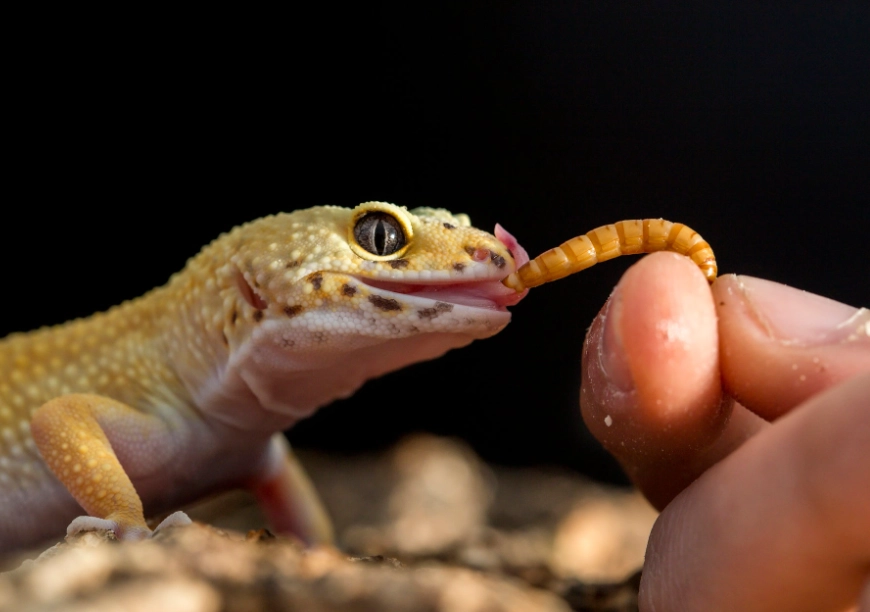
The Supplementation Game: Why It's Non-Negotiable
This is the part that separates healthy geckos from those with metabolic bone disease (MBD). Insects alone, even gut-loaded ones, lack sufficient calcium and essential vitamins for a growing reptile. Without supplements, your gecko will pull calcium from its own bones to survive, leading to deformities, weakness, and a painful, shortened life.
You need two types of powder:
1. Calcium with Vitamin D3: This is your main dusting powder. Vitamin D3 is crucial for calcium absorption, especially for animals not exposed to natural sunlight (which provides UVB). Dust the insects lightly with this powder at almost every feeding for a baby. I say "lightly"—the insect should look frosty, not like a powdered donut.
2. A High-Quality Multivitamin: This provides vitamins A, E, and other trace elements. Overdosing on some vitamins can be harmful, so follow the schedule. For a growing baby, I use a multivitamin once or twice a week, on a different day from a heavy calcium dusting.
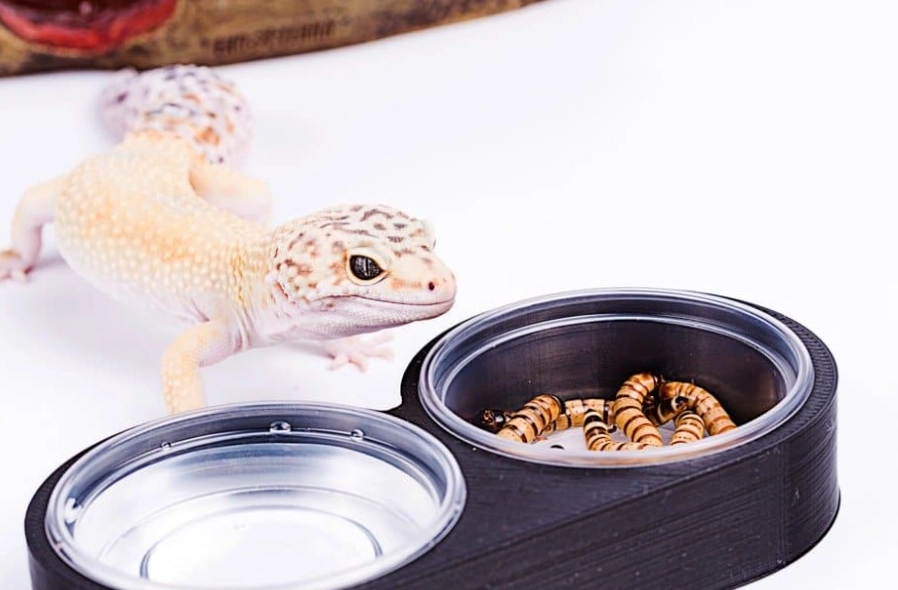
3. Plain Calcium WITHOUT D3: Keep a small, shallow dish (like a bottle cap) of this in the enclosure at all times. The gecko will self-regulate and lick from it when it needs a calcium boost. This is a critical safety net.
Common Feeding Problems and How to Fix Them
Even with perfect food, things can go sideways. Here's how to troubleshoot.
The Gecko Won't Eat
First, check temperatures. The warm hide must be 88-92°F (31-33°C) at the substrate level. If it's cooler, their digestion shuts down. Use a digital thermometer with a probe. Second, stress. Is the enclosure in a high-traffic area? Are there loud noises? Provide plenty of hides. Third, try a different prey item. A wiggling waxworm can often jumpstart a feeding response. If refusal lasts more than 5-7 days for a baby, it's vet time to check for parasites.
It's Eating But Not Growing
This screams internal parasites (like pinworms or coccidia) or incorrect supplementation. A fecal test by a reptile vet is the first step. The second is to honestly assess your dusting routine. Are you really doing it every time? Is the powder old and clumped? Are you gut-loading the feeders properly?
It's a Messy Eater
Some babies are clumsy. Feed in a simple, smooth-walled container if they're missing strikes in a large enclosure. Remove uneaten crickets after 15 minutes—they can stress or even bite a sleeping gecko.
Your Feeding Questions, Answered
My baby leopard gecko isn't eating. What should I do?
First, don't panic. Check the enclosure temperature. The warm hide should be 88-92°F (31-33°C). If it's too cold, they can't digest. Try offering a different insect. If they've only had crickets, offer a small waxworm or a tiny dubia roach nymph. Sometimes a change in prey triggers a feeding response. Ensure you're feeding at dusk or night when they are naturally active. If refusal persists for over a week, consult a reptile veterinarian to rule out parasites or other health issues.
Can I feed my baby leopard gecko mealworms as a staple?
I strongly advise against it. Mealworms have a high chitin-to-meat ratio, making them harder for a hatchling's small digestive system to process. They are also lower in moisture and can be less stimulating to hunt. Relying on mealworms often leads to slower growth and, in some cases, impaction. Use them as an occasional treat, not the main course. A varied diet of appropriately sized crickets and dubia roaches is far superior for consistent growth.
How do I know if I'm using calcium powder correctly?
The visual test is simple. After dusting, the insect should look like it's wearing a light, ghostly coat of powder, not like it's been dunked in flour. You should still be able to see the insect's color and features. A heavy coating is wasteful, tastes bad to the gecko, and can throw off their nutrient balance. For a baby gecko, a light dusting on every other feeding is a solid rule of thumb. Always use pure calcium without D3 in the enclosure's dedicated dish.
When should I switch from daily to less frequent feedings?
Watch the gecko, not the calendar. The shift usually happens around 6-8 months of age, but size is a better indicator. When your gecko's body is about the width of your thumb and they start leaving a few insects uneaten at the end of a feeding session, it's time. They're telling you they're full. Transition gradually: go from daily to feeding once every other day for a few weeks, then settle into the adult schedule of feeding 2-3 times per week. Their growth will have noticeably slowed by this point.
 The journey from a tiny hatchling to a robust adult leopard gecko is incredibly rewarding. It hinges on getting their food right from the very beginning. It requires more attention than an adult, but that investment pays off in a healthy, active, and long-lived companion. Focus on variety, frequency, and those essential powders. Your gecko's growth and vitality will be the best proof you're doing it right.
Reader Comments