Quick Guide
- First Things First: Picking Your Baby Leopard Gecko
- Building the Perfect Baby Leopard Gecko Tank
- Feeding Your Growing Baby Leopard Gecko
- Health and Common Problems: What to Watch For
- Handling and Bonding (Yes, It's Possible)
- Your Baby Leopard Gecko Questions, Answered
- Final Thoughts: Is a Baby Leopard Gecko Right for You?
Let's talk about baby leopard geckos. You've probably seen those adorable little faces with their big, curious eyes and thought, "I want one of those." I get it. I was exactly there a few years back, scrolling through endless cute pictures, completely hooked. But here's the thing nobody tells you right away—that tiny, cute baby leopard gecko is a living creature with some very specific needs. Getting it wrong isn't just disappointing; it can be heartbreaking for you and dangerous for them.
This isn't a dry care sheet you'd find stuffed in a box at a pet store. This is the guide I wish I had when I brought home my first baby gecko, a little guy I named Speckle. We'll walk through everything, from picking out a healthy baby to setting up a home they'll thrive in, what to feed them (and what to absolutely avoid), and how to spot trouble before it becomes a crisis. I'll even share a couple of mistakes I made early on, so you don't have to.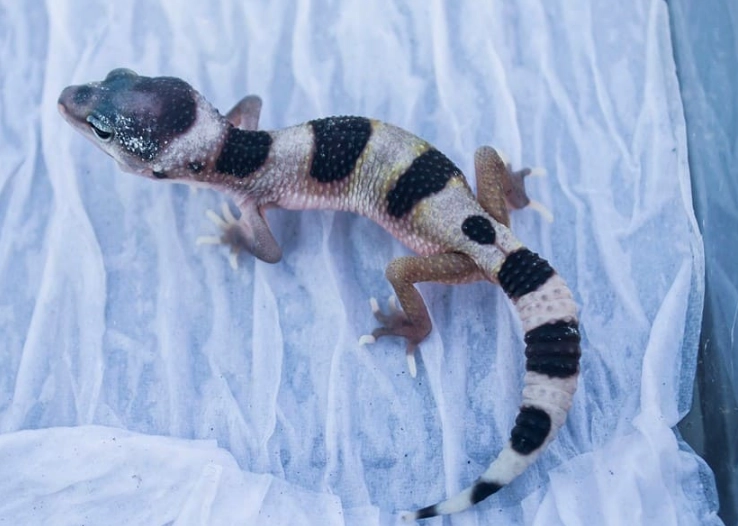
First Things First: Picking Your Baby Leopard Gecko
This is where it all starts. You walk into a reptile expo or browse an online breeder's page, and you're faced with a dozen little faces. How do you choose? It's more than just picking the prettiest pattern (though that's fun too). You're looking for signs of a healthy, well-started baby leopard gecko.
I remember at my first expo, I almost picked a gecko that was just sitting still in a corner. It looked calm. Turns out, that's often not a good sign. A healthy baby should be alert. When you gently move your hand near it, it should notice you. Its eyes should be clear, not sunken or cloudy. Check the tail—this is their energy bank. A plump, fat tail is a sign of a well-fed baby leopard gecko. A skinny, stick-like tail means it hasn't been eating well, and you might be in for a challenging start.
Look at its skin. It should be smooth, without any stuck shed, especially around the toes and eyes. Stuck shed can cut off circulation and lead to toe loss. Run your eyes over its body. No visible ribs or hip bones sticking out. Its vent (the opening under the base of the tail) should be clean, with no pasty residue or swelling.
Morphs and Colors: The Fun Part
Now for the eye candy. Leopard gecko morphs are incredible—from the classic yellow with black spots (the "Normal") to bright yellow "High Yellows," patternless "Murphy's Patternless," and the stunning white and black "Blizzard." There's even the "Mack Snow" and the deep orange "Tangerine." The morph doesn't usually affect care, but be aware that some rare, highly inbred designer morphs (like the "Enigma" morph) can come with neurological issues. For your first baby leopard gecko, a robust, common morph from a reputable breeder is the smartest choice. You can always get the rainbow-colored dream gecko later.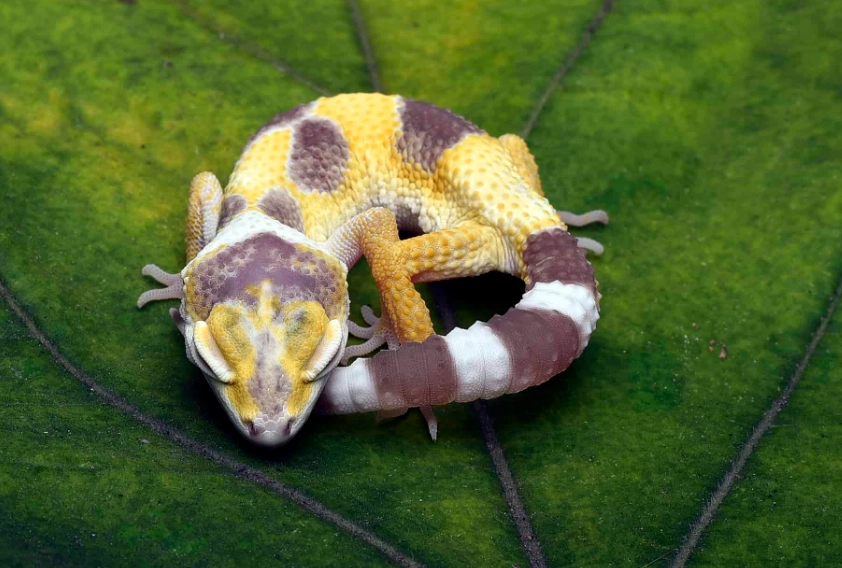
Building the Perfect Baby Leopard Gecko Tank
Don't bring your new pet home to an empty box. The setup needs to be ready and running for at least 24-48 hours to stabilize temperatures. Here’s the breakdown of what you actually need, separating the absolute must-haves from the nice-to-haves.
The Tank Itself: Size and Security
A 10-gallon tank is the absolute bare minimum for a baby, but honestly, it's small. They grow fast. I started Speckle in a 10-gallon and upgraded him to a 20-gallon long within 6 months. If you can, start with a 20-gallon long (30 inches x 12 inches x 12 inches). The extra floor space is golden. The lid must be secure—these little guys are escape artists, and cats/dogs are a danger.
The Heating and Lighting: Non-Negotiable
This is the number one area where new owners mess up. Leopard geckos need belly heat to digest their food. A heat mat is not optional; it's essential. But here's the kicker—you MUST control it with a thermostat. An unregulated heat mat can literally cook your gecko. I learned this the hard way when a cheap mat spiked in temperature and nearly caused a disaster. Plug the mat into the thermostat, place the probe on the glass *inside* the tank right over the mat, and set it to 88-92°F (31-33°C). This creates the warm side.
The other side of the tank should be room temperature, around 75-80°F (24-27°C). This temperature gradient lets your baby leopard gecko thermoregulate. They don't need special UVB lighting if their diet is properly supplemented with D3, but providing low-level UVB (like a ShadeDweller kit) is increasingly seen as beneficial for their long-term health and is a practice recommended by advanced herpetoculturists. Do they need a bright basking light like a bearded dragon? No. In fact, bright lights can stress them out.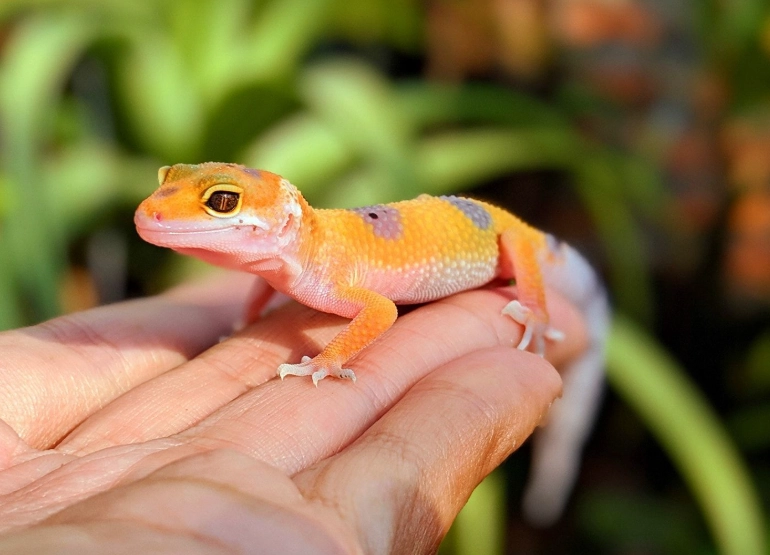
Substrate: The Great Debate
What you put on the floor is a hot topic. For a baby leopard gecko, keep it simple and safe.
- Paper Towels: The best choice for beginners and quarantine. It's cheap, easy to clean, and you can monitor their poop for health. This is what I use for all new arrivals for the first 3 months.
- Reptile Carpet: Okay, but it can snag tiny claws and needs frequent, thorough washing to prevent bacteria.
- Tile (Slate or Ceramic): Excellent for the long term. Holds heat well, easy to wipe clean, and looks nice.
- Loose Substrates (Sand, Calci-Sand, etc.): Just don't. Not for babies. Impaction risk is high if they accidentally ingest it while hunting. Once they are large adults (over 50 grams), a mix of organic topsoil and play sand can work, but for a baby leopard gecko, it's a firm no from me.
Furniture and Hides: Making it a Home
Your baby needs at least three hides:
- A Warm Hide: Placed directly over the heat mat. This is where they'll go to digest food.
- A Cool Hide: On the unheated side of the tank for resting.
- A Humid Hide: This is critical for shedding. Take a small container (like a Tupperware), cut a hole in the side, and fill it with damp (not wet) sphagnum moss, paper towels, or eco-earth. Place it in the middle or warm side. Your baby leopard gecko will use this when it's time to shed its skin.
Add some things to climb on (cork bark, low branches) and explore. A shallow water dish with fresh water daily completes the setup. Don't make the landscape too cluttered, though—you want to be able to find them!
| Essential Item | Purpose | What to Look For / Avoid |
|---|---|---|
| Enclosure | Secure living space | 20-gallon long tank minimum, secure mesh lid. |
| Under Tank Heater (UTH) | Provides essential belly heat for digestion | Size for 1/3 of tank. Must be used with a thermostat. |
| Thermostat | Controls heater temperature, prevents burns | On/Off or Dimming thermostat. Not a rheostat. |
| Digital Thermometers/Hygrometers | Monitors temperature & humidity | Two probes: one for warm side, one for cool side. Avoid analog dials. |
| Hides (x3) | Security, thermoregulation, shedding aid | One warm, one cool, one humid hide. Should be snug. |
| Substrate (Flooring) | Traction, easy cleaning | Paper towels (best for babies), tile, reptile carpet. Avoid sand. |
| Water & Food Dishes | Hydration and feeding | Shallow, tip-proof dishes. A bottle cap can work for calcium. |
| Supplements | Prevents metabolic bone disease | Calcium (without D3), Calcium (with D3), and a Multivitamin. |
Feeding Your Growing Baby Leopard Gecko
This is where you get to interact and watch their crazy hunting instincts kick in. A baby leopard gecko is a growing machine and needs to eat frequently.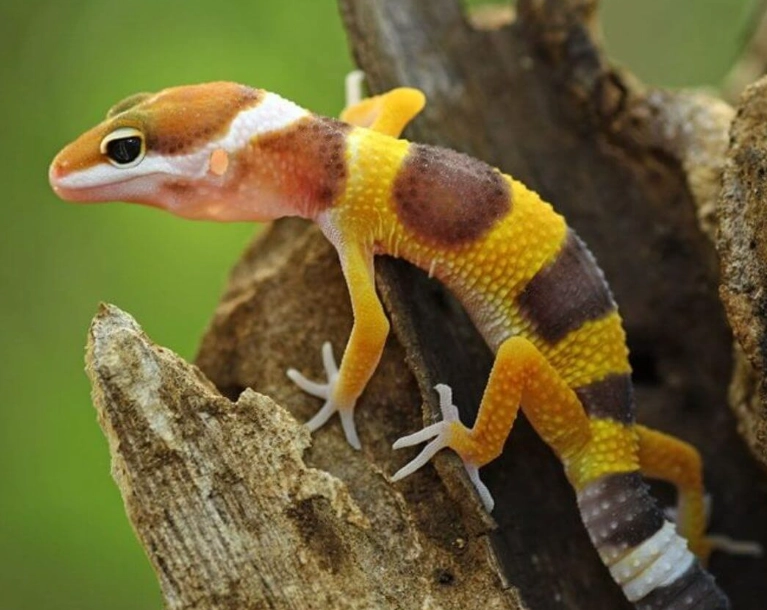
Schedule: Offer appropriate-sized live insects every day, or every other day. How do you know if it's enough? Look at the tail. It should be getting plumper, not thinner. By the time they're a year old, you can scale back to feeding every 2-3 days.
Staple Feeder Insects:
- Dubia Roaches/NutriGrubs (BSFL): My top picks. Excellent nutrition, easy to keep, less chitin than mealworms.
- Crickets: A classic, but they die quickly, smell, and can bite your gecko if left unattended.
- Mealworms & Superworms: Okay in moderation. Fatty and can be addictive. Some geckos will refuse other food if given too many. Superworms are too big for babies—wait until they're adults.
Size Matters: The insect should never be wider than the space between your baby leopard gecko's eyes. For a new hatchling, that means pinhead crickets or small dubia nymphs.
The Supplementation Routine: This is Critical
Feeding the bugs isn't enough. You have to feed the bugs first (gut-loading) and then dust them. This prevents Metabolic Bone Disease (MBD), which causes soft, rubbery bones, paralysis, and death.
- Gut-loading: Feed your feeder insects nutritious veggies (carrots, sweet potato, leafy greens) 24-48 hours before feeding them to your gecko.
- Dusting: Lightly coat the insects in supplement powder right before feeding.
- Calcium (without D3): Should be available in a tiny dish in the tank at all times. They'll lick it as needed.
- Calcium (with D3) & Multivitamin: Dust insects with this combo once or twice a week. A common schedule is: Multivitamin once a week, Calcium with D3 once a week, and plain calcium on other feedings.
Confused? The Reptifiles Leopard Gecko Care Guide has excellent, clear supplementation schedules that align with the latest husbandry standards.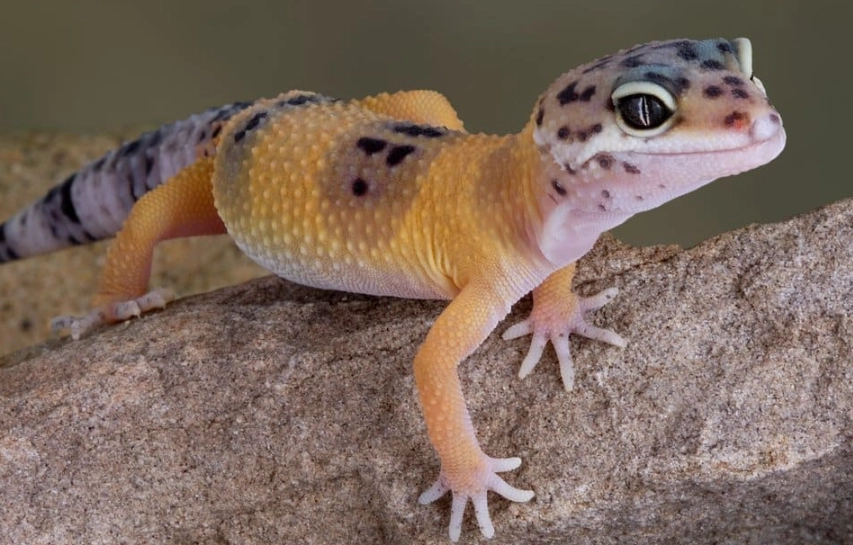
Health and Common Problems: What to Watch For
A healthy baby leopard gecko is active (at night), has bright eyes, a fat tail, and eats regularly. Poop should be firm with a white urate. Here's what goes wrong and how to spot it early.
Top Health Issues in Baby Leopard Geckos
- Impaction: A blockage in the gut. Caused by eating substrate (like sand) or insects that are too large. Symptoms: No poop, loss of appetite, a swollen belly, lethargy. Prevention: Use safe substrate, proper insect size, and provide proper heat (92°F warm side) for digestion.
- Metabolic Bone Disease (MBD): As discussed. Symptoms: Limping, rubbery jaw, bowed legs, tremors, difficulty raising body. Prevention: Proper supplementation with calcium and D3, without fail.
- Stuck Shed: Especially on toes, eyes, and tail tip. Dry skin can constrict and cause toe loss. Prevention: A properly moist humid hide. If they have stuck shed, give them a shallow lukewarm soak and gently rub it off with a wet Q-tip.
- Parasites: Can cause weight loss, runny or smelly poop, lethargy. A fecal exam by an exotic vet (find one before you need one!) can diagnose this.
- Stress: This is huge. A stressed baby leopard gecko won't eat. Causes: improper temperatures, too much handling early on, an insecure enclosure (not enough hides), other pets stressing them. Give them a full week to settle in with no handling besides necessary maintenance.
The Animal Diversity Web entry for Eublepharis macularius provides solid biological background that helps you understand their natural behaviors and needs, which is key to preventing health issues.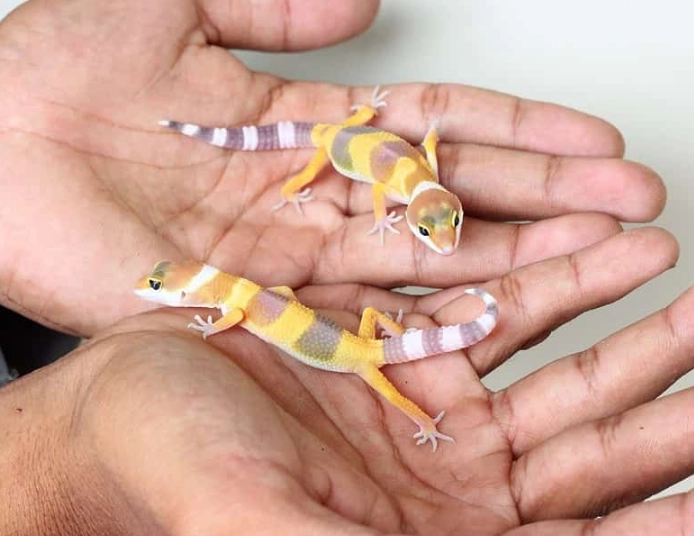
Handling and Bonding (Yes, It's Possible)
You want to hold your cute new pet. Patience is key. For the first week, don't handle them at all. Let them adjust. Then, start by just putting your hand flat in the tank for a few minutes each evening. Let them come investigate you on their terms.
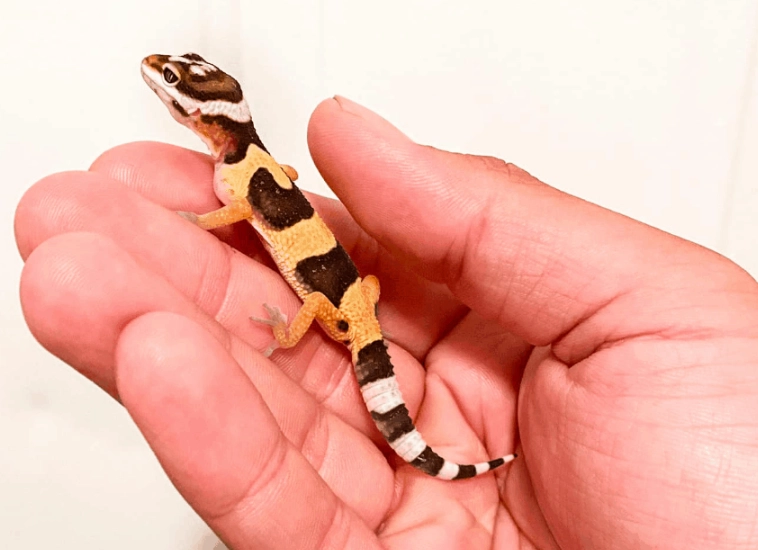
When picking them up, be slow and confident. Scoop from below; never grab from above like a predator. Keep handling sessions short—5 minutes max for a baby. Do this over a soft surface like a bed or couch in case they jump (they will). The goal is to build trust, not force friendship. Some will always be skittish, and that's okay.
Your Baby Leopard Gecko Questions, Answered
Final Thoughts: Is a Baby Leopard Gecko Right for You?
Look, leopard geckos are fantastic first reptiles. But "low maintenance" doesn't mean "no maintenance." You are committing to a pet that can live 15-20 years. You need to provide consistent heat, buy live insects weekly, and clean the tank regularly.
If you can do that, the rewards are immense. There's nothing like the trust of a little lizard that slowly learns your hand is safe, or watching them enthusiastically hunt their dinner. It's a unique and wonderful pet relationship.
Do your research—you're already here, which is a great start. Set up the tank perfectly before you buy. Find a good breeder. And then enjoy the journey of watching your tiny baby leopard gecko grow into a beautiful, healthy adult. It's a trip worth taking.
Got more questions? Drop them in the comments below. I'm not a vet, but I've been through the baby leopard gecko journey a few times now and love talking shop.
Reader Comments