Quick Navigation
So you're thinking about getting a horned gecko. Good choice. I remember when I first saw one of these little guys at a reptile show – that spiky, almost grumpy-looking face, the stout little body, and those incredible horns over the eyes. I was hooked. They look like tiny, grumpy dinosaurs, but they're actually some of the most laid-back reptiles you can have as a pet. But here's the thing: while horned geckos (sometimes called horned lizards, but we'll get into that) are often labeled "beginner-friendly," that doesn't mean you can just toss them in a tank with a lightbulb and call it a day. There's a right way and a wrong way to do things.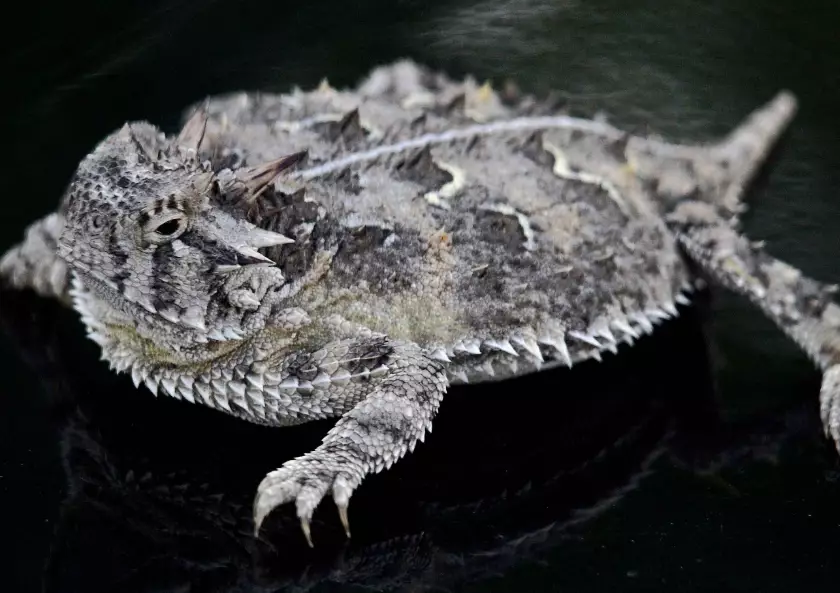
This guide is the one I wish I had when I started. We're going to skip the fluff and get straight into what you actually need to know to keep your horned gecko healthy, active, and living a long life. We'll cover the setup, the food, the weird behaviors, the common mistakes (I've made a few), and answer all those questions that keep popping up when you're researching.
What Exactly Is a Horned Gecko?
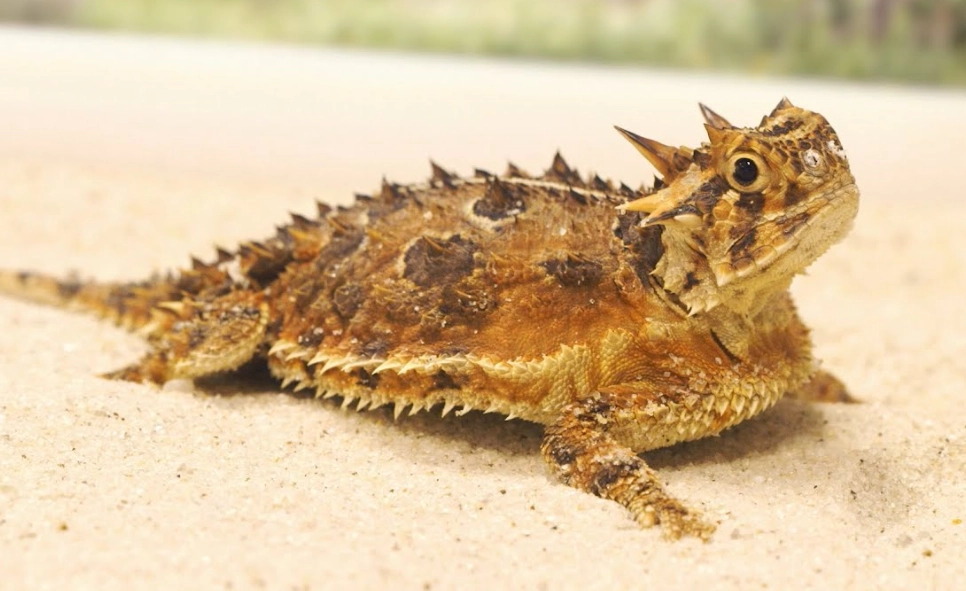
First, a bit of clarity because names can get messy. When people say "horned gecko," they're usually talking about lizards from the genus Ceratophora or, more commonly in the pet trade, certain species of horned lizards from the genus Phrynosoma. The true "horned geckos" (Ceratophora) are rare in captivity. What you'll find in most pet stores and from breeders are often specific types of horned lizards, like the Texas horned lizard. For the sake of this guide and what most hobbyists mean, we're talking about those pet-trade-friendly, spiky, terrestrial lizards that eat insects.
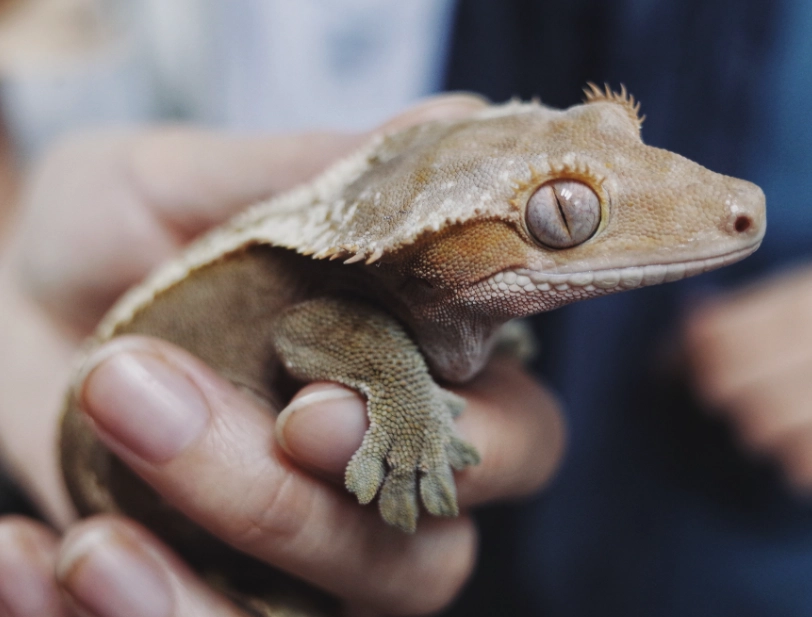
They're not climbers like a crested gecko. They're ground dwellers. They come from arid and semi-arid environments, which tells you a lot about the kind of home they need. And those horns? They're not just for show. In the wild, they're a defense mechanism to make the lizard harder to swallow. In your living room, they're just really, really cool.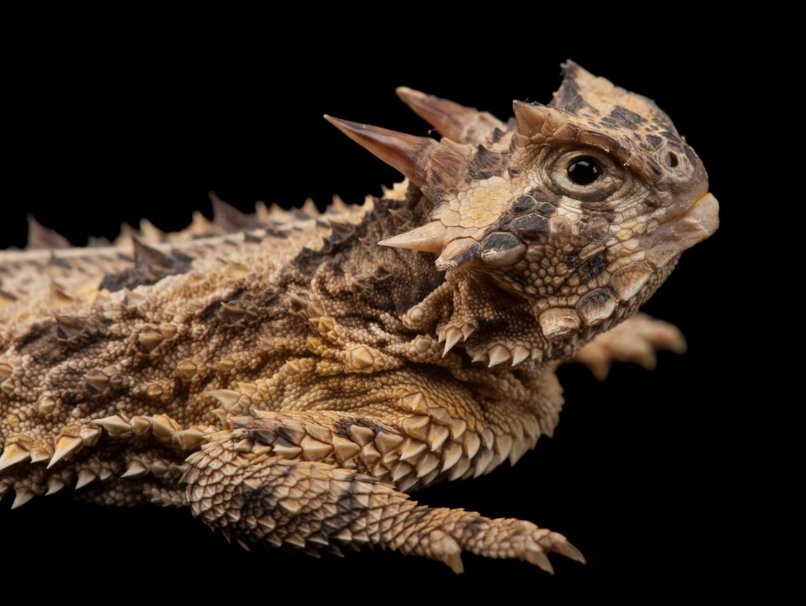
Setting Up the Perfect Horned Gecko Enclosure
This is where most mistakes happen. You can't just use an old fish tank. A horned gecko's habitat needs to mimic its natural dry, sandy/rocky home, with some very specific tweaks for temperature and humidity.
Tank Size and Type
For a single adult horned gecko, a 20-gallon long tank is the absolute minimum I'd recommend. A 30-gallon or 40-gallon breeder tank is even better. Remember, these are terrestrial lizards. Floor space is far more important than height. A tall, narrow tank is useless. A long, low tank is perfect. Front-opening enclosures are fantastic because you don't have to reach down from above (which can feel like a predator attack to them) and they make spot-cleaning a breeze.
I made the mistake of starting with a 10-gallon. It worked for a juvenile, but within months it felt cramped, for both the gecko and for trying to fit in a proper temperature gradient. Upgrading was a hassle. Start with the adult-size tank if you can. It's cheaper in the long run.
The Critical Duo: Heating and Lighting
Horned geckos are ectotherms. They don't make their own body heat. This isn't just a comfort thing; it's essential for their digestion, immune system, and overall metabolism.
Basking Spot: You need a dedicated basking area. This should be created using an overhead heat source, like a halogen basking lamp or a ceramic heat emitter (which produces no light). The surface temperature right under this lamp, where your gecko will sit, should be between 95°F and 100°F (35°C - 38°C). Use a digital infrared temperature gun to check this – don't guess.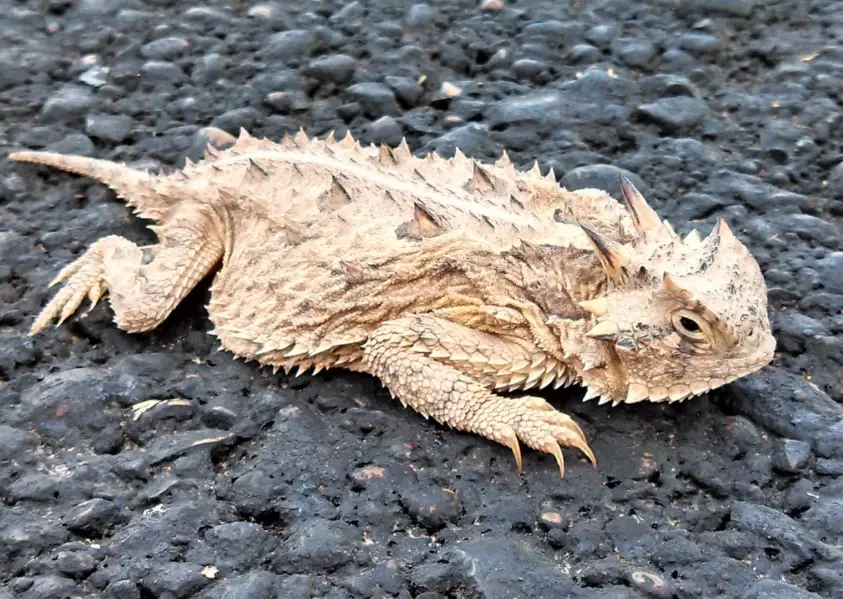
Cool Side: The opposite end of the tank should be much cooler, around 75°F to 80°F (24°C - 27°C). At night, temperatures can safely drop into the low 70s (low 20s C).
UVB Lighting: This is a topic of debate. In the wild, horned geckos bask in the sun and benefit from UVB rays, which help them produce vitamin D3 for calcium absorption. Many keepers successfully use low-output UVB lamps (like a 5.0 or T5 5% UVB tube, positioned over the basking area). Others rely solely on dusting feeder insects with calcium + D3 powder. After trying both, I lean towards providing low-level UVB. It seems to promote more natural basking behavior and is a good insurance policy against metabolic bone disease (MBD). The Association of Reptilian and Amphibian Veterinarians (ARAV) provides resources that discuss the importance of proper lighting and calcium metabolism in reptiles.
Substrate: Choosing the Right Flooring
This is important for hygiene and for your gecko's natural digging behaviors. You also want to avoid anything that can cause impaction if accidentally ingested.
| Substrate Type | Pros | Cons | Best For |
|---|---|---|---|
| Play Sand / Soil Mix (e.g., 60% topsoil, 40% play sand) | Natural, holds burrows, good for digging. | Can be messy, requires monitoring for humidity. | Bioactive setups or experienced keepers. |
| Reptile Carpet / Shelf Liner | Easy to clean, no impaction risk. | Doesn't allow digging, can harbor bacteria if not washed frequently. | Quarantine tanks or temporary setups. |
| Paper Towel / Newspaper | Extremely easy, cheap, great for monitoring health (poop). | Very unnatural, ugly, doesn't hold humidity at all. | New arrivals, sick geckos, or hospital tanks. |
| Commercial Sand (Calcium-based) | Looks desert-like, some claim it's digestible. | High impaction risk, not recommended by many vets. | I don't recommend it, honestly. Seen too many problems. |
My personal favorite for an adult, healthy horned gecko is a simple, deep layer of a sand/soil mix. It just looks right and they love to dig little pits in it. For a juvenile or a new gecko I'm monitoring, I start with paper towels for the first few months.
Decor and Hides
An empty tank is a stressed gecko. They need places to hide, explore, and feel secure.
- Warm Hide & Cool Hide: At least two hides – one on the warm end (near, not directly under, the basking spot) and one on the cool end. These can be simple commercial reptile caves, half-logs (turn them upside down and bury them slightly for a more secure feel), or even clean, inverted flower pots with a hole knocked out.
- Basking Platform: A flat rock or slate under the heat lamp makes a perfect basking spot. It holds heat well.
- Clutter: Add some fake (or carefully chosen real) plants, pieces of cork bark, and other structures. This breaks up sightlines and makes your horned gecko feel less exposed. They're not big climbers, but low branches or rocks to scramble over are appreciated.
- Water Dish: A shallow, sturdy water dish. Change the water daily. Don't be surprised if you rarely see them drink from it; they often get moisture from their food and from licking droplets. But it must always be there.
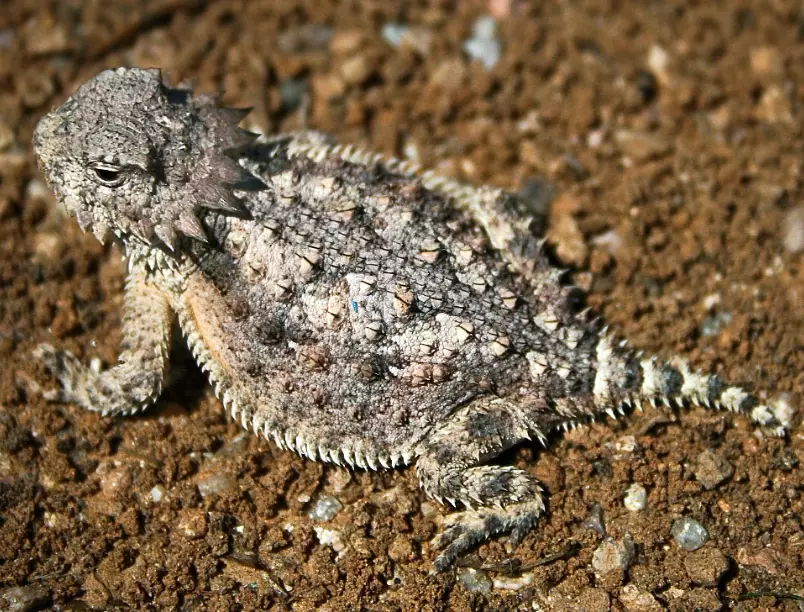
Feeding Your Horned Gecko: It's Not Just Crickets
In the wild, a horned gecko's diet is almost exclusively ants and other small insects. In captivity, we need to provide a varied, nutritious menu. This is the cornerstone of their health.
Staple Feeder Insects
Variety is key to good nutrition. Don't just feed one thing.
- Gut-loaded Crickets: The classic for a reason. "Gut-loading" means feeding the crickets nutritious food (like carrots, sweet potato, commercial gut-load) 24-48 hours before feeding them to your gecko. You are what you eat, and so is your gecko.
- Dubia Roaches: My absolute favorite feeder. They're meatier, less smelly, don't chirp, can't climb smooth surfaces, and are very nutritious. They're now my primary staple for my horned gecko.
- Black Soldier Fly Larvae (Calciworms/BSFL): Fantastic. They have a near-perfect calcium-to-phosphorus ratio, so they're a great source of calcium on their own. They're also small and wiggly, which triggers a great feeding response.
- Silkworms: Excellent, soft-bodied, and nutritious. Can be pricey and fragile.
Treat Insects (Feed Occasionally)
- Mealworms & Superworms: These are fatty and have a tougher exoskeleton (chitin). They're like junk food. Fine as a rare treat, but a poor staple. I might offer one or two superworms a month as a "snack."
- Waxworms: Pure fat. Seriously, they're reptile candy. Use only for putting weight on a sick gecko or as a very rare treat. Addictive, too – your gecko might refuse other food if it gets too many.
The Supplement Schedule: Dusting is Non-Negotiable
This is how you prevent Metabolic Bone Disease (MBD), the number one killer of pet reptiles. Feeder insects alone are not enough.
You need two powders:
- A pure calcium powder (without D3): This should be available in a small, shallow dish in the enclosure at all times. Your gecko will lick it as needed. This is especially important if you are not using a UVB light.
- A calcium powder with D3: This is for dusting insects.
- A multivitamin powder: Contains vitamins A, E, and other trace minerals.
| Supplement | Frequency | How To Use | Notes |
|---|---|---|---|
| Calcium with D3 | 2-3 feedings per week | Lightly coat feeder insects. | Essential for calcium absorption if no UVB. Still beneficial with UVB. |
| Multivitamin | 1 feeding per week | Lightly coat feeder insects. | Rotate with calcium days. Don't mix powders on the same insects. |
| Pure Calcium (no D3) | Always available | In a small dish (like a bottle cap). | Allows for self-regulation. |
How much to feed? For a juvenile horned gecko, offer appropriately sized insects daily. For a healthy adult, every other day is fine. A good rule of thumb is to offer as many insects as they will eat in a 10-15 minute period. An adult might eat 5-10 medium crickets or dubias per feeding.
Common Health Issues and How to Spot Them
A healthy horned gecko is alert, has clear, bright eyes, a plump tail (their fat store), and a good appetite. Here's what to watch for.
Metabolic Bone Disease (MBD)
Caused by lack of calcium, vitamin D3, or improper UVB. Symptoms include: soft, rubbery jaw or limbs, tremors, difficulty walking, swollen limbs, and eventually deformities. It's preventable with proper diet and lighting, but very hard to reverse in advanced stages. If you see any signs, see a vet immediately.
Impaction
A blockage in the gut, usually from ingesting loose substrate or oversized food. Symptoms: no poop, loss of appetite, a swollen belly, lethargy. Prevention is key: use appropriate substrate, feed the right size insects (no wider than the space between the gecko's eyes), and ensure proper temperatures for digestion.
Parasites
Internal parasites (worms, protozoa) are common, especially in wild-caught or pet-store geckos. Symptoms: runny, smelly, or discolored stool, weight loss despite eating, lethargy. A fecal exam by an exotic veterinarian can diagnose this, and treatment is usually straightforward.
Stuck Shed
Horned geckos shed their skin in pieces. Low humidity can cause shed to get stuck, especially on the toes, tail tip, and horns. Stuck shed can constrict blood flow and lead to loss of toes or tail tips. If you see retained shed, provide a humid hide (a small box with damp sphagnum moss inside) during shed cycles. For stuck pieces, a warm, damp q-tip can gently help roll it off.
Finding a good reptile vet before you have an emergency is one of the smartest things you can do.
Understanding Horned Gecko Behavior
They're not the most active pets, but their behaviors are fascinating.
- Burying Themselves: Completely normal. They dig shallow pits to regulate temperature and feel secure. Don't panic if you can't see them; they're just cozy.
- Gaping: Sitting with their mouth slightly open. Usually just thermoregulating, like a dog panting to cool down. If it's constant and in a cool area, it could be a respiratory infection.
- Tail Wagging: A slow, side-to-side tail wag often means they're focused on prey. A fast, twitchy wag can mean agitation or stress.
- Playing Dead / Flattening: A defense mechanism. They might flatten their body to look bigger or even go limp if very scared. Minimize handling if they do this.
- Brumation: In cooler months, with lower temperatures and shorter daylight hours, adults may eat less and sleep more. This is a natural slowdown, not sickness. Research brumation carefully if you plan to simulate it.
Handling and Taming Your Horned Gecko
They tolerate handling but don't necessarily enjoy it. The goal is stress-free interaction.
- Let them settle in: For the first 1-2 weeks, don't handle them at all. Just feed and care for them. Let them learn you're not a threat.
- Start slow: Begin by just putting your hand in the tank, not moving. Let them come investigate.
- The scoop method: Never grab from above. Slide your hand under their belly from the side, gently lifting and supporting their whole body and legs. Let them walk from hand to hand.
- Keep sessions short: 5-10 minutes, a few times a week, is plenty. Watch for signs of stress (fast breathing, trying to escape, tail twitching) and put them back if you see them.
- Wash your hands! Both before (to remove scents) and after (to avoid salmonella, a low but present risk with all reptiles).
Your Horned Gecko Questions, Answered
Final Thoughts
Getting a horned gecko is a commitment, but it's a deeply rewarding one. They're quirky, low-maintenance compared to many pets, and just plain cool to watch. The key is to do your homework upfront. Get the tank right, get the temperatures right, and nail down the feeding and supplement routine. It might seem like a lot of details now, but in a month, it'll all be second nature.
The most common mistake I see is people treating them like a simple "desert lizard" and underestimating their needs. They're tougher than they are delicate, but they still have very specific requirements. Meet those requirements, and you'll have a fascinating, healthy companion for years. There's nothing quite like seeing that spiky little face peeking out from under a rock, knowing you've created a little slice of the desert that they can truly thrive in.
Start with a good setup, find a good breeder, and enjoy the journey. The horned gecko is a fantastic entry into the world of reptile keeping, and with this guide, you're already ahead of the game.
Reader Comments