You just brought home a baby leopard gecko. It's tiny, with bold black and yellow bands, and those curious eyes. The excitement is real. But then the questions hit. Is the tank too cold? Why won't it eat that cricket? Is that white stuff on its skin normal? Pet store advice often boils down to "here's a heat rock and some mealworms," which, let's be honest, is a recipe for problems.
I've raised dozens of these hatchlings over the years, and the difference between a thriving gecko and a struggling one comes down to a handful of specific, often overlooked details. This guide skips the fluff and gets straight to the actionable steps and subtle mistakes that most care sheets gloss over.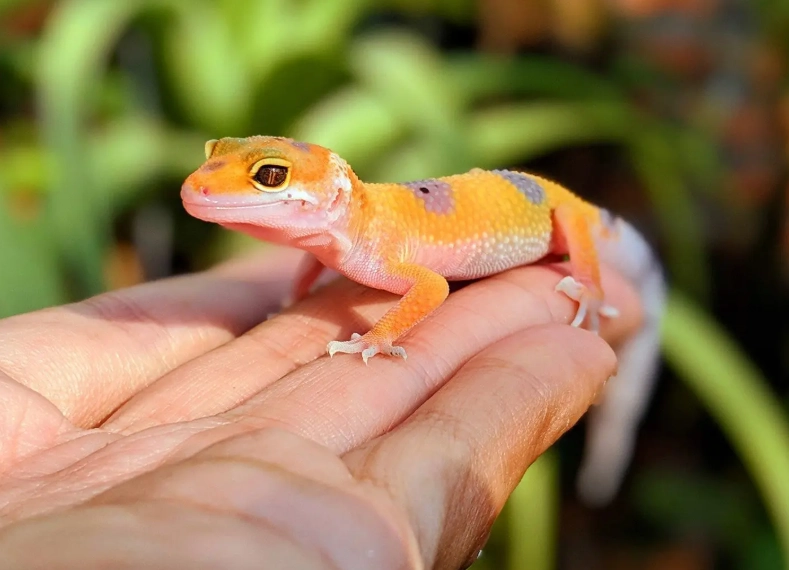
What's Inside This Care Guide?
How to Set Up the Perfect Baby Leopard Gecko Enclosure
Think of the tank as your gecko's entire world. Get it wrong, and everything else becomes an uphill battle. The biggest mistake I see? Starting too big.
Start Small. A 10-gallon glass tank is ideal for a single hatchling. It sounds counterintuitive, but a smaller space is easier to heat properly and makes the baby feel more secure. It also lets you easily monitor if it's eating. Upgrading to a 20-gallon long or larger is for when they're juveniles, around 6-8 inches long.
Heat is Non-Negotiable, But Ditch the Heat Rock. Leopard geckos need belly heat to digest their food. A heat rock can and will cause severe burns. Instead, use an under-tank heater (UTH) connected to a thermostat. This is the single most important purchase after the tank itself. The thermostat probe should be sandwiched between the UTH and the bottom of the tank's exterior. The floor temperature on the warm side, measured with a digital probe thermometer right on the substrate, needs to be 88-92°F (31-33°C). The cool side should be around 75-80°F (24-27°C). No light is needed for heat at night.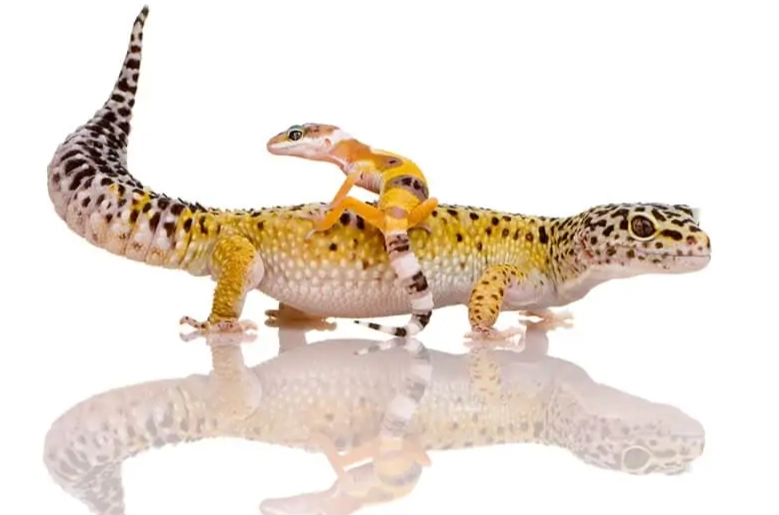
My Personal Mistake: I once trusted a cheap, non-adjustable UTH without a thermostat. The floor temp soared to 105°F. The gecko avoided the warm hide entirely and stopped eating for a week until I figured it out. A $30 thermostat would have saved a lot of stress.
The Hiding Game. You need at least three hides. Not two. Three.
Warm Hide: Placed directly over the UTH. This is for digestion.
Cool Hide: On the opposite side of the tank.
Humid Hide: This is the secret weapon for perfect sheds. Use a small plastic container with a hole cut in the lid, filled with damp (not wet) sphagnum moss or paper towels. Place it in the middle or on the cool side. Your gecko will use it when it's ready to shed.
Substrate: The Controversial Topic. For babies, keep it simple and safe. Paper towel is the best starter substrate. It's cheap, clean, and you can easily spot feces and monitor health. Avoid loose substrates like sand, calcium sand, or walnut shell—they cause impaction if ingested. Reptile carpet can snag tiny toes and harbors bacteria. Once your gecko is over 6 inches and you're confident in its feeding accuracy, you can consider a more natural, packed substrate like a soil/sand mix, but paper towel is foolproof for beginners.
Feeding Your Baby Leopard Gecko: More Than Just Crickets
Growing geckos are eating machines. Their metabolism is high, and they need the right fuel.
Schedule & Portion: Offer food every day in the evening when they become active. How much? A good rule is 5-8 appropriately sized insects per feeding. The insect should be no larger than the space between the gecko's eyes. A mix is better than just one thing.
| Feeder Insect | Pros for Babies | Cons & Notes |
|---|---|---|
| Small Crickets | Readily available, encourage hunting instinct. | Can bite gecko if left uneaten. Noisy. Gut-load them with veggies 24hrs before feeding. |
| Dubia Roach Nymphs (Small) | Quiet, nutritious, can't climb smooth surfaces. | Not legal in some places (e.g., Florida). A superior staple if available. |
| Black Soldier Fly Larvae (Nutrigrubs) | High calcium, no dusting needed, slow-moving. | Can be boring as a sole diet. Great for picky eaters or as a supplement. |
| Mealworms (Small) | Easy to keep. | High chitin (hard shell), lower in nutrition. Use as a treat, not a staple. |
The Dusting Routine: This is where most people mess up. You need two supplements:
1. Pure Calcium (without D3): This should be available in a tiny, shallow bottle cap in the tank at all times. They'll lick it as needed.
2. Calcium WITH D3 & Multivitamin: Dust the insects with this powder at one feeding, twice a week. D3 helps them use the calcium. A report from the USDA on insect nutrition highlights the stark deficiencies in captive-bred feeders, making supplementation critical.
Don't leave uneaten live prey in the tank overnight. Crickets will nibble on your sleeping gecko.
Handling and Bonding: Building Trust From Day One
Patience isn't just a virtue here; it's the law. A scared baby gecko can drop its tail, a stressful event that takes enormous energy to regrow.
Week 1: The Zero-Handling Rule. Don't even try. Let them settle in. Just change water and feed.
Week 2: Presence Training. Sit by the tank for 15 minutes a day. Read a book, talk softly. Let them get used to your shape and voice.
Week 3+: Short & Sweet Sessions. Start by placing your hand, palm up, flat in the tank. Let them walk onto you. Keep initial sessions to 5 minutes, every other day. Always handle them over a soft surface (a bed, a couch) in case they jump.
Their tail will be up in a curious, slow wave when they're relaxed. If it's wagging rapidly or tucked, they're stressed—put them back.
The Strange World of Shedding
Babies shed like crazy as they grow, sometimes every two weeks. They'll turn a dull, grayish-white. This is normal. Ensure your humid hide is, well, humid. They'll eat their shed skin for the nutrients. Never, ever pull at loose skin. If you see stuck shed, especially on toes or the tip of the tail, a 10-minute soak in shallow, lukewarm water and gentle rubbing with a wet Q-tip can help.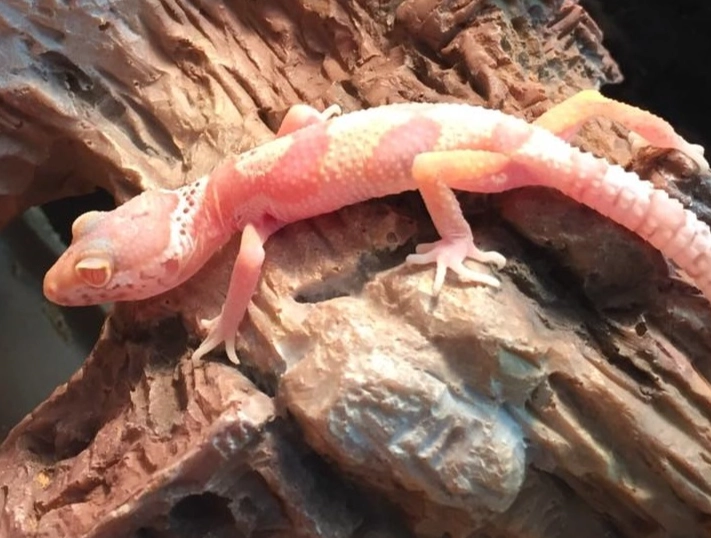
Baby Leopard Gecko Health Watch: Spotting Trouble Early
Prevention is everything. Here's what to monitor daily:
The Poop Check. Healthy poop has three parts: a dark solid portion (feces), a white or off-white chalky part (urate), and sometimes a little liquid. Runny, all-green, or bloody stool is a red flag. No poop for over 5-7 days could mean impaction or low temperatures.
Weight & Body Condition. The tail is the fat store. A healthy baby's tail should be plump, but not wider than its body. A skinny tail or visible hip bones signal underfeeding or illness. Weigh them monthly with a small gram scale.
Energy Levels. They should be alert and active at dusk/dawn. Lethargy during their active time, especially if combined with not eating, is a major concern.
Find a reptile-savvy vet before you have an emergency. The Association of Reptilian and Amphibian Veterinarians website is a good place to start your search.
Your Top Baby Leopard Gecko Questions Answered
What size tank does a baby leopard gecko need?
Start with a 10-gallon tank. It's easier to manage heat and humidity in a smaller space for a hatchling, and it helps you monitor their food intake. Many new owners make the mistake of putting a tiny gecko in a huge 40-gallon tank right away, which can make it hard for them to find food and feel secure. Upgrade to a 20-gallon long or larger enclosure once they reach about 6-8 inches in length.
How often should I feed my baby leopard gecko?
Feed them daily. A growing baby needs a lot of energy. Offer 5-8 appropriately sized insects (like small crickets or dubia roach nymphs) dusted with calcium powder every evening. Don't leave uneaten live prey in the tank overnight, as they can stress or even bite your gecko. You'll notice their appetite is a key health indicator; a sudden drop is your first sign something might be wrong.
When can I start handling my baby leopard gecko?
Wait at least two weeks after bringing them home. The first week is for settling in with zero handling. In the second week, just sit by the tank and talk softly. Start handling sessions around week three, but keep them very short—just 5 minutes every other day. Let them walk onto your hand; never grab from above. Rushing this process is the top reason baby geckos become skittish adults.
Why is my baby leopard gecko not eating?
Check the temperature first. The most common culprit is a basking spot that's too cool. The floor temperature under the heat source should be 88-92°F (31-33°C). If that's correct, consider stress from improper setup (like too much open space), illness, or impending shed. Offer a variety of feeders—sometimes they just get bored of crickets. If refusal lasts more than 4-5 days, consult a reptile veterinarian.
Do baby leopard geckos need a UVB light?
This is a modern shift in care. While they can survive without it by using dietary D3, a low-output linear UVB light (like a T5 5.0 or 7% ShadeDweller) is now widely recommended for optimal health. It supports stronger bones, better appetite, and overall well-being. If you choose not to use UVB, being meticulous with your calcium-with-D3 dusting schedule is absolutely critical.
 Getting a baby leopard gecko is a commitment of 15-20 years. Those first few months set the tone. Focus on the fundamentals—correct heat, proper feeding, and respectful handling—and you'll be rewarded with a calm, healthy, and fascinating pet for decades to come. Forget the pet store pamphlet. You've got this.
Reader Comments