Quick Navigation
- Getting Started: Before You Bring One Home
- Choosing Your Leopard Gecko
- The Daily (and Weekly) Grind: Food, Water, and Care
- Handling and Behavior: Reading Your Gecko
- Keeping Them Healthy: Common Leopard Gecko Issues
- Advanced Topics: Morphs, Breeding, and Bio-Activity
- Wrapping It Up: Is a Leopard Gecko Right for You?
I remember walking into that pet store years ago, completely mesmerized by the little spotted lizard in the corner tank. It wasn't barking, didn't need walks, and seemed so... manageable. That was my first leopard gecko, and let me tell you, I made just about every beginner mistake in the book. Too small of a tank, the wrong heat source, you name it. It's a learning curve, for sure.
But that's why I'm writing this. Leopard geckos (Eublepharis macularius) are fantastic pets. They really are one of the best reptiles for beginners. But "beginner-friendly" doesn't mean "no-maintenance." It just means their needs are straightforward once you understand them. And understanding them is the key to having a pet that lives for 15, even 20 years, instead of just a few.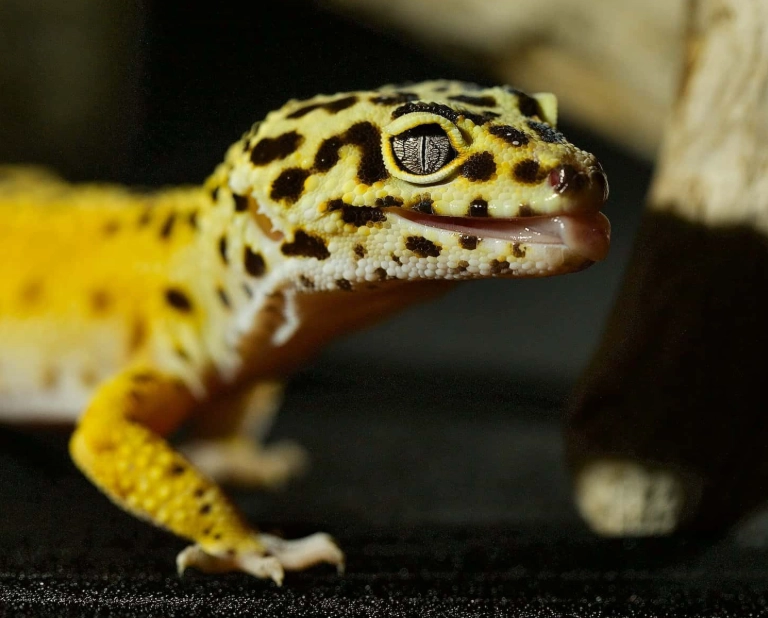
This guide isn't a dry list of instructions. Think of it as a long chat with someone who's been through it—the good, the bad, and the surprisingly sticky (hello, shed issues). We'll cover everything from picking out your gecko to the nitty-gritty of their daily life. By the end, you'll know exactly what you're getting into.
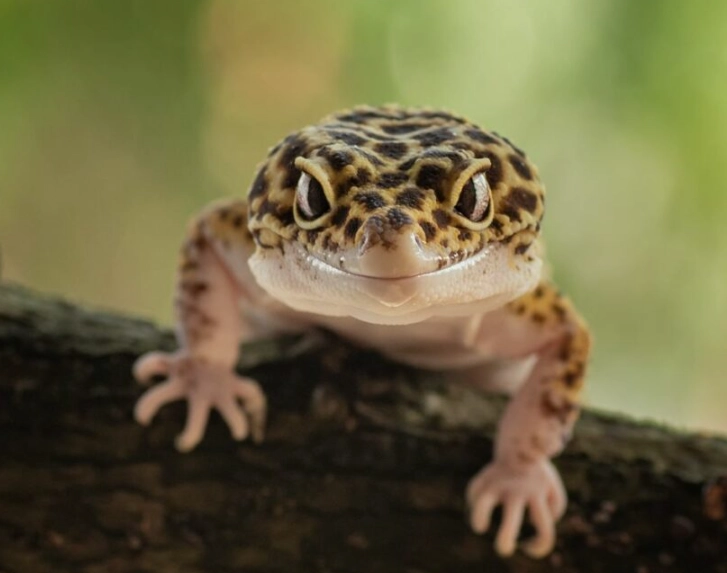
Why are leopard geckos so popular? They're small (usually 8-10 inches), have adorable personalities, don't require UVB lighting if their diet is supplemented correctly (a big "if" we'll cover), and they're generally quite hardy. Plus, those eyes! They have eyelids, so they can blink, which makes them feel more relatable than some other reptiles.
Getting Started: Before You Bring One Home
This is the most critical phase. Setting up after you get the pet is a recipe for stress—for both of you. Your first job isn't buying the gecko; it's creating its world.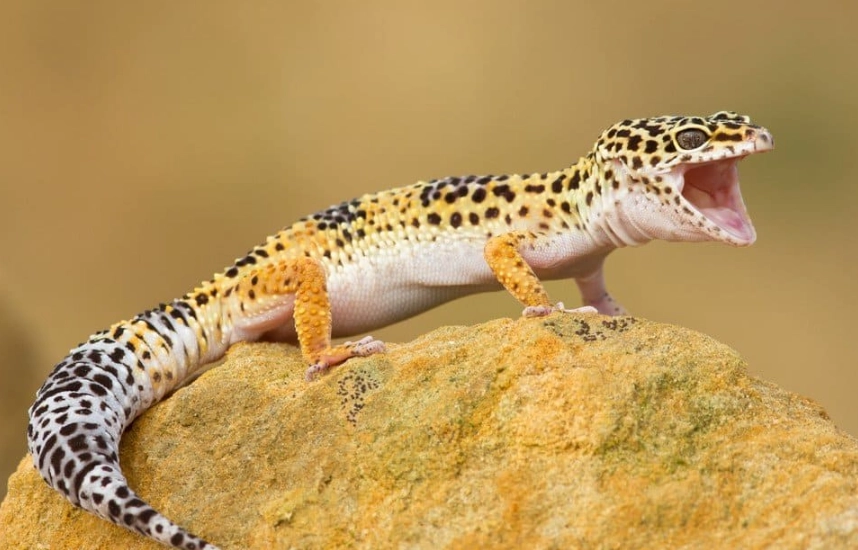
The Tank: More Than Just a Box
A 10-gallon tank is the old, outdated minimum. Honestly, it's cramped. For a single adult leopard gecko, a 20-gallon long tank (30" x 12" x 12") is the actual starting point. Bigger is always better. They use the floor space, not height, so focus on length. A front-opening enclosure is a game-changer for cleaning and interaction, trust me.
You need to create a temperature gradient. One end warm, one end cool. How?
Heat Source Warning: Avoid heat rocks. They cause terrible burns. The best, most natural method is an under-tank heater (UTH) or a heat pad placed under one side of the tank (regulated by a thermostat—non-negotiable!). This creates a warm floor for belly heat, which is crucial for their digestion. The warm side should be 88-92°F (31-33°C), the cool side around 70-77°F (21-25°C). At night, it can drop to the low 70s.
Lighting is simpler than for many reptiles. They don't strictly require a dedicated UVB light if you're properly dusting their food with calcium and D3 supplements. However, many advanced keepers (and I've moved to this camp) now recommend using low-level UVB (like a 5% T5 or compact bulb) for a few hours a day. It seems to promote better overall health and activity. A simple light cycle of 12 hours on, 12 hours off works fine.
The Great Substrate Debate
What you put on the floor is a hot topic. Get it wrong, and it can cause fatal impaction if ingested.
My recommendation for beginners: Go simple and safe. Paper towel is foolproof. Easy to clean, zero risk. Not pretty, but functional. For a more natural look, slate or ceramic tile is excellent—it holds heat and is easy to wipe down.
Loose substrates like sand, calcium sand, or plain soil mixes are controversial. Pure sand is a definite no. Some experienced keepers use a mixed, soil-like substrate for bio-active setups, but that's an advanced project. If you're just starting, avoid loose substrates altogether. It's not worth the risk.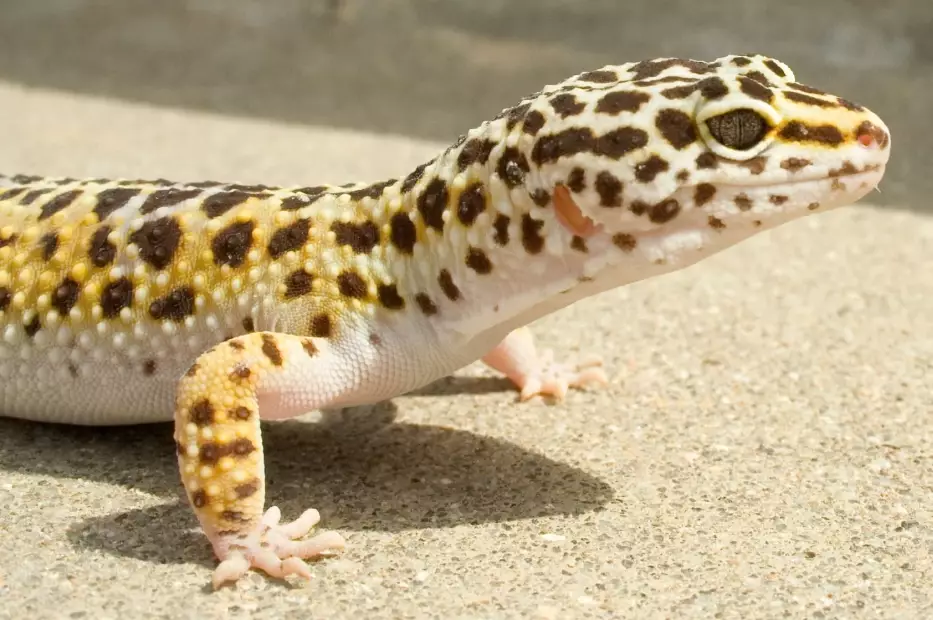
Furnishing Their Home
Leopard geckos are secretive. They need at least three hides:
- A warm hide over the UTH.
- A cool hide on the opposite side.
- A moist hide in the middle or on the cool side. This is filled with damp sphagnum moss or paper towels and is essential for helping them shed properly. Without it, they can get shed stuck on their toes, which can lead to loss of the toe.
Add some clutter—fake plants, cork bark rounds, smooth rocks. It makes them feel secure. A shallow water dish with fresh water, changed daily, completes the setup.
The setup isn't just decoration; it's the framework for their health. A stressed gecko is a gecko that won't eat.
Choosing Your Leopard Gecko
Now for the fun part. But where should you buy?
Reputable Breeders: Often the best choice. You can see the parents, know the hatch date, and get specific genetics info, especially if you're interested in fancy leopard gecko morphs like Mack Snows, Tangerines, or Albino strains. Breeders usually have well-started, healthy juveniles. Look for breeders at reptile expos or with strong online reputations.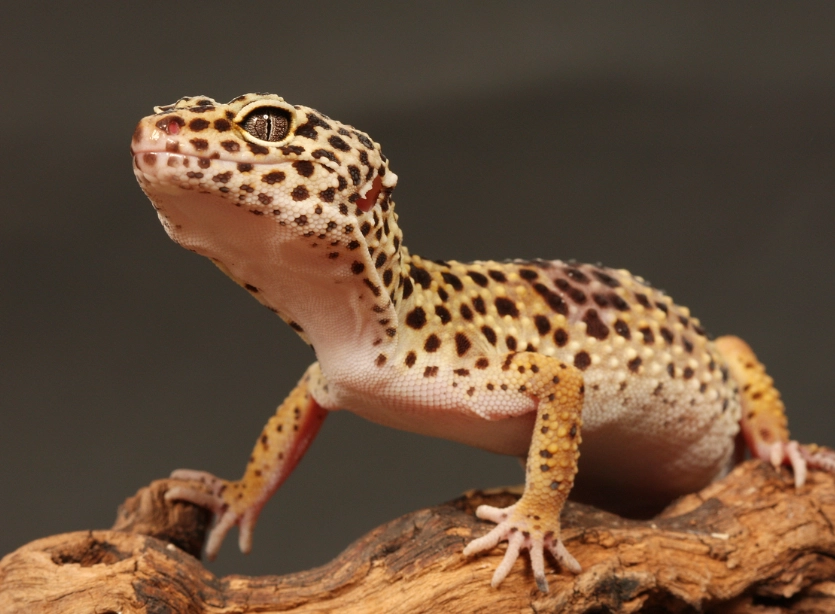
Local Reptile Expos: A great place to meet breeders, see animals in person, and ask questions.
Specialty Reptile Stores: Better than big-chain pet stores, typically. Ask about their source.
What to look for in a healthy gecko:
- Alert and bright eyes. No crustiness or sunken appearance.
- A plump, fat tail. The tail is their fat storage. A skinny tail means a skinny, possibly sick, gecko.
- Clean vent. No leftover shed or fecal matter.
- All toes present and accounted for. Missing toes can indicate past shedding problems.
- Active and curious (for a baby), or calm and alert (for an adult).
Avoid any that seem lethargic, have visible bones on their back, or have mucus around their nose or mouth.
The Daily (and Weekly) Grind: Food, Water, and Care
Alright, your tank is set up, your gecko is home. Now what does it actually eat?
Leopard Gecko Diet: It's All About Insects
These guys are strict insectivores. No fruit, no veggies. Their diet is live, gut-loaded insects. Gut-loading means feeding your insects nutritious food (like commercial gut-load diet, carrots, sweet potato) 24-48 hours before feeding them to your gecko. You are what you eat, and so is your gecko.
Here's a quick comparison of common feeder insects:
| Insect | Nutritional Value | Pros | Cons | Best For |
|---|---|---|---|---|
| Dubia Roaches | High protein, low fat | Nutritious, can't climb smooth surfaces, quiet | Illegal in some places (e.g., Florida), some find them creepy | Staple feeder |
| Mealworms | Moderate protein, higher fat | Easy to find, store, keep | Harder chitin (shell), can be boring as a sole diet | Staple feeder (rotate with others) |
| Crickets | Moderate protein | Stimulating to hunt | Noisy, smelly, can bite gecko if left in tank | Occasional variety |
| Black Soldier Fly Larvae (Calciworms/BSFL) | High calcium, good protein | Excellent Ca:P ratio, low maintenance | Small, can pupate into flies | Great calcium source, staple for juveniles |
| Waxworms / Superworms | Very high fat | Irresistible, good for weight gain | Like gecko junk food, can cause addiction | Treats only! |
How much and how often?
- Babies/Juveniles (0-6 months): Daily, as many appropriately sized insects as they'll eat in 10-15 minutes. Size rule: insect no wider than the space between the gecko's eyes.
- Adults (12+ months): Every other day or 2-3 times a week, about 6-10 insects per feeding.
The Supplementation Non-Negotiable
This is where many new owners slip up. In captivity, insects alone aren't enough. You must dust them with supplements.
- Calcium (without D3): This should be available in a small, shallow dish in the enclosure at all times. They will lick it as needed.
- Calcium (with D3) & Multivitamin: Used for dusting insects. A common schedule is:
- Multivitamin with pre-formed Vitamin A: Once a week.
- Calcium with D3: On feedings when you're not using the multivitamin.
If you're using a UVB light, you can reduce the frequency of D3 dusting slightly, as they can synthesize their own.
For a deep dive on reptile nutrition and supplementation science, the Reptiles Magazine website has fantastic, vet-reviewed articles that I often reference to stay updated.
Handling and Behavior: Reading Your Gecko
Give your new leopard gecko at least a full week to settle in with no handling. Let it learn where its hides are and start eating reliably.
When you start, be slow and confident. Scoop from below rather than grabbing from above (you look like a predator from above). Let it walk from hand to hand. Keep sessions short, 5-10 minutes at first.
They are generally docile, but they can drop their tail if severely frightened (a defense mechanism called autotomy). It grows back, but it's stubby and never looks the same. Avoid handling by the tail!
What does that behavior mean?
- Licking: They're "smelling" their environment with their Jacobson's organ.
- Tail wagging (slow): Curiosity or focus (like before striking a cricket).
- Tail wagging (fast, rattling): Agitation or fear. Give them space.
- Hiding all the time: Normal for a new gecko, or could mean the tank is too open/bright.
Keeping Them Healthy: Common Leopard Gecko Issues
Even with great care, problems can pop up. Catching them early is everything.
Impaction
Blockage in the gut, often from eating loose substrate or too-large insects. Signs: no pooping, loss of appetite, a bloated look, dragging back legs. Prevention: Proper temps for digestion, correct substrate, appropriately sized food.
Metabolic Bone Disease (MBD)
The big one. Caused by lack of calcium, Vitamin D3, or improper UVB. Signs: soft, rubbery jaw or limbs, tremors, difficulty walking, arched spine. It's preventable with proper supplementation. Once advanced, it's largely irreversible. The Merck Veterinary Manual has a detailed, clinical overview of MBD if you want to understand the physiology behind it.
Shedding Problems (Dysecdysis)
They shed their skin in pieces. Problems occur when the humid hide isn't used or is too dry. Stuck shed, especially on toes, can constrict blood flow and cause toe loss. Solution: Ensure a proper moist hide. For stuck shed, a warm, shallow "sauna" (a container with damp paper towels and air holes) for 10-15 minutes can help loosen it, then gently roll it off with a damp Q-tip.
Parasites
Internal parasites (like pinworms) are common, especially in wild-caught or pet-store geckos. Signs: weight loss despite eating, runny or smelly stools. A vet visit for a fecal exam is needed.
Find an exotic vet before you have an emergency.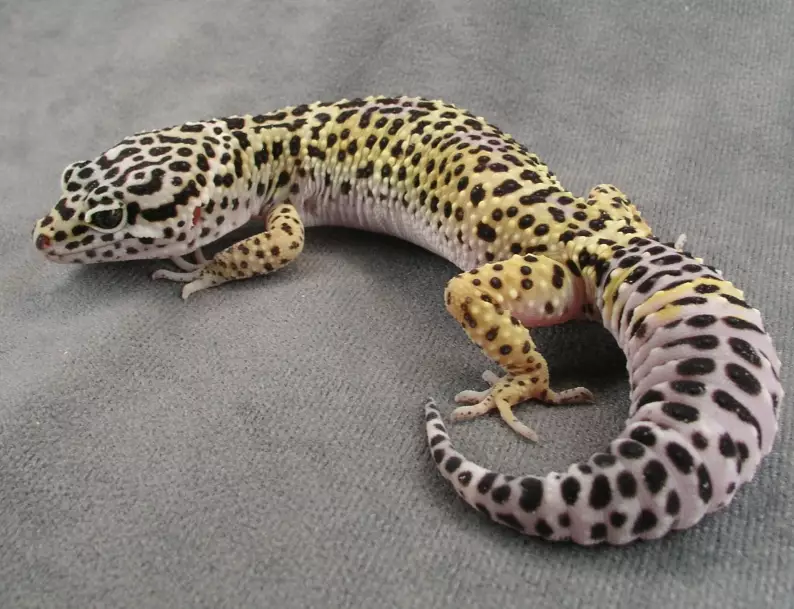
Advanced Topics: Morphs, Breeding, and Bio-Activity
Once you've mastered the basics, the world of leopard geckos gets even more fascinating.
Morphs: Through selective breeding, an incredible array of colors and patterns exist—from the pure white Blizzards to the bold black-and-white Bandits. Some, like the Enigma morph, come with known health issues (a neurological condition called Enigma Syndrome), so always research a morph's specific needs before buying.
Breeding: This is a serious commitment requiring separate enclosures, brumation (a cool-down period), and plans for housing potentially 10+ babies. Don't breed just for fun; have a plan for the offspring.
Bio-Active Setups: This is creating a self-cleaning ecosystem with a drainage layer, substrate with organic matter, clean-up crew (isopods and springtails), and live plants. It's more work upfront but less cleaning long-term and provides incredible mental stimulation for your gecko. It's my current project, and watching the little ecosystem thrive is incredibly rewarding. Websites like iNaturalist can be useful for identifying safe, local plants that could be used in such setups, though thorough research on toxicity is paramount.
Wrapping It Up: Is a Leopard Gecko Right for You?
Look, leopard geckos are amazing pets. But they're not zero-maintenance decor. They need specific heat, specific food (live bugs—you gotta be okay with that), and a watchful eye for their health. The initial setup cost can be a couple hundred dollars for the tank, heater, thermostat, hides, and supplies.
But if you can provide that? The payoff is huge. There's something incredibly calming about watching one methodically explore its tank at dusk, or the trust when it willingly climbs into your hand. They're interactive in a quiet, gentle way.
My first gecko, the one from the pet store, lived a good long life despite my early mistakes. I learned from them. You can start off better than I did. Use this guide as your roadmap. Do your research, set up the tank first, and find a healthy animal from a good source. If you do that, you're setting the stage for a decades-long friendship with one of the reptile world's most charming little characters.
Got more questions? The journey of keeping reptiles is all about continuous learning. Dive into forums, read care sheets from multiple sources, and never stop observing your own animal—it will teach you more than any single article ever could.
Reader Comments