Quick Guide to This Article
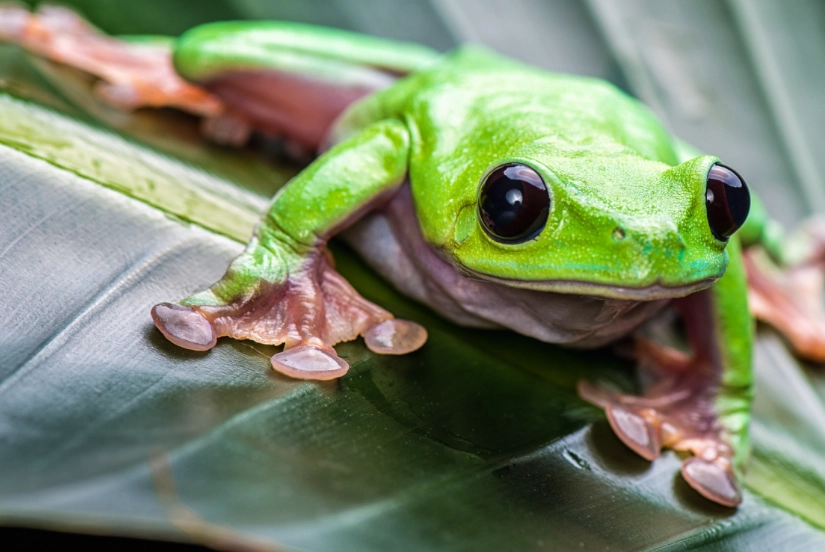
Let's be honest, you probably saw a picture. Big, googly black eyes peering out from vibrant green skin, perched perfectly on a leaf. It's an image that sticks with you. The black eyed tree frog (that's Agalychnis moreletii for the science fans) is a stunner, no doubt about it. But before you get lost in those adorable eyes, there's a whole life to consider—their life, under your care.
I remember getting my first one, a little guy I named Pickles. I was nervous. All the care sheets online seemed to contradict each other. Too wet? Too dry? What do they really eat? It took some figuring out, some mistakes (like the time I used the wrong substrate and spent a week worrying), and a lot of quiet observation. That's what this guide is: not a dry textbook, but the stuff I wish I'd known, laid out straight.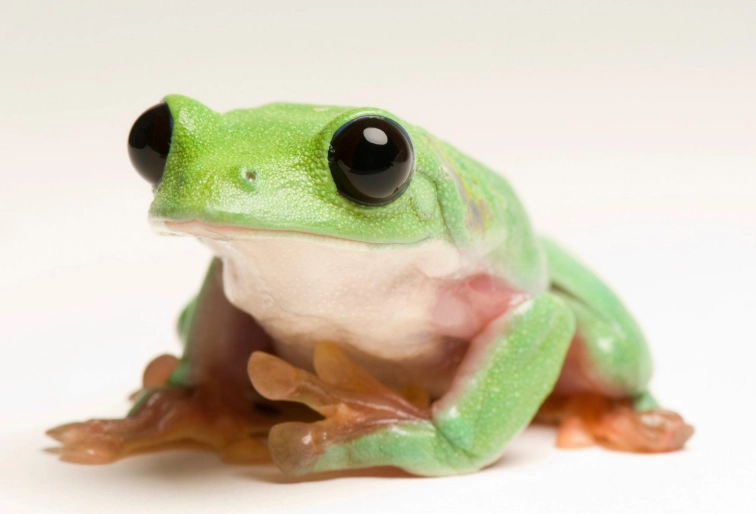
Getting to Know the Black Eyed Tree Frog: More Than Just a Pretty Face
These frogs hail from the cloud forests and humid lowlands of Central America, think places like Belize, Guatemala, and parts of Mexico. They're nocturnal, which means your main interactions will be in the evening when they become active—a perfect pet for people who work days. Their iconic look—emerald green body, sometimes with blue or yellow flank markings, and those huge, jet-black eyes—isn't just for show. The eyes help them see incredibly well in low light to hunt, and their vibrant color is a form of camouflage in the dappled light of the rainforest.
In the wild, they lead a life high in the trees, coming down only to breed in temporary pools. That arboreal lifestyle is the single most important thing to remember when planning their home. They are climbers, through and through.
A common question I get is how they differ from the famous Red-Eyed Tree Frog. Besides the obvious eye color, black eyed tree frogs are often a bit more robust and tend to come from slightly cooler, higher-altitude habitats. Their care is similar, but those subtle differences matter.
The Non-Negotiables: Setting Up the Perfect Black Eyed Tree Frog Habitat
This is where most people slip up. You can't skimp here. A proper enclosure isn't a tank; it's a slice of their world. Getting it wrong is the fastest way to a stressed, sick frog.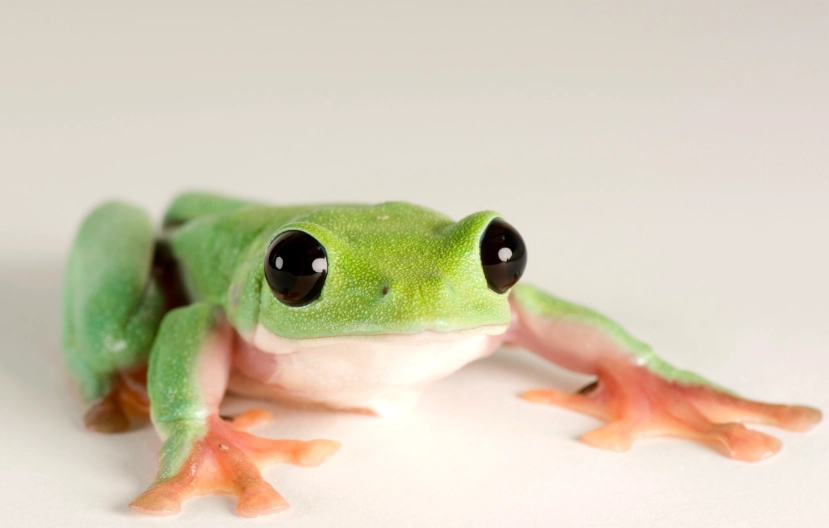
The Enclosure: Think Vertical Real Estate
A standard aquarium lying on its side is a prison for these frogs. They need height. For a pair of black eyed tree frogs, I'd never go smaller than an 18x18x24 inch tall terrarium. Bigger is always, always better. It gives you more room for a temperature gradient and more space for them to explore. Screen tops are great for ventilation, but in drier climates, you might need to cover part of it with glass or plastic to keep humidity in.
Climate Control: Humidity and Temperature
This isn't guesswork. You need tools. A digital hygrometer and thermometer are essential.
- Humidity: Aim for a cycle. 70-80% during the day, spiking to near 100% at night with misting. Let it drop a bit in between. Constant, soggy 90% humidity is a recipe for bacterial and fungal problems. A good automatic mister is a lifesaver, but hand-misting twice a day can work if you're consistent.
- Temperature: They prefer it on the cooler side for a tropical frog. A gradient from about 75°F (24°C) at the bottom to maybe 78°F (26°C) near the top is perfect. Nighttime drops to 68-72°F (20-22°C) are beneficial and natural. Avoid heat mats on the bottom—they burrow to cool down, not bake. Use a low-wattage heat bulb or ceramic heat emitter on a thermostat at the top of the enclosure.
Furnishing Their Penthouse
Substrate, plants, branches—it all has a job.
Substrate: You want something that holds moisture but drains well. A false bottom with a drainage layer (clay balls) topped with a soil mix (coconut fiber, orchid bark, charcoal) is the professional standard. It prevents waterlogging and helps keep the air fresh. For a simpler start, a deep layer of moist coconut fiber over a drainage layer works.
Hardscape & Plants: This is the fun part. Use cork bark rounds, ghost wood, and sturdy branches to create a network of highways at all levels. Live plants are fantastic—they help with humidity and water quality. Pothos, Philodendron, and sturdy Bromeliads are nearly indestructible. Fake plants are okay too, just make sure they're clean and safe. The goal is to create so many hiding spots and perches that your frog feels completely secure and can choose its perfect spot.
Keeping Your Black Eyed Tree Frog Fed and Healthy
You've built the world. Now, how do you keep its inhabitant happy?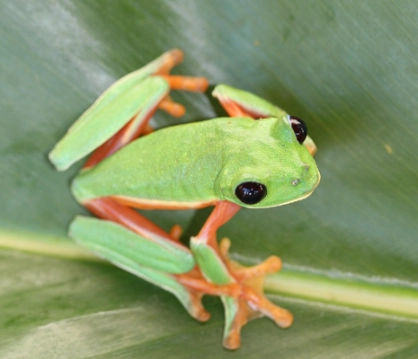
The Dinner Menu: It's Not Just Crickets
Variety is the spice of life, and the key to good nutrition. A staple of gut-loaded crickets is fine, but you must rotate other feeders in.
| Feeder Insect | Nutritional Benefit | Feeding Frequency | My Notes |
|---|---|---|---|
| Crickets | Good staple, easy to gut-load. | 2-3 times a week | Can be noisy. Don't leave too many uneaten in the tank. |
| Dubia Roaches | Excellent protein, low fat, less chitin. | 1-2 times a week | My absolute favorite feeder. They can't climb or fly, which is a plus. |
| Black Soldier Fly Larvae (Calci-Worms) | High calcium, no dusting needed. | As a regular supplement | A bit boring for the frog, but a nutritional powerhouse. |
| Silkworms | Soft, easy to digest, high in moisture. | Occasional treat | Expensive, but great for hydration and picky eaters. |
| Waxworms / Butterworms | High fat | Rare treat only (once a month) | The frog equivalent of candy. Can cause addiction and obesity. |
Gut-loading means feeding your insects nutritious foods (like carrots, sweet potato, commercial chow) 24-48 hours before feeding them to your frog. You are what you eat, and so is your frog. Dusting with a high-quality calcium supplement (with D3) is crucial 2-3 times a week, and a multivitamin once a week. Young, growing black eyed tree frogs need food more often, almost daily. Adults do well on a meal every 2-3 days.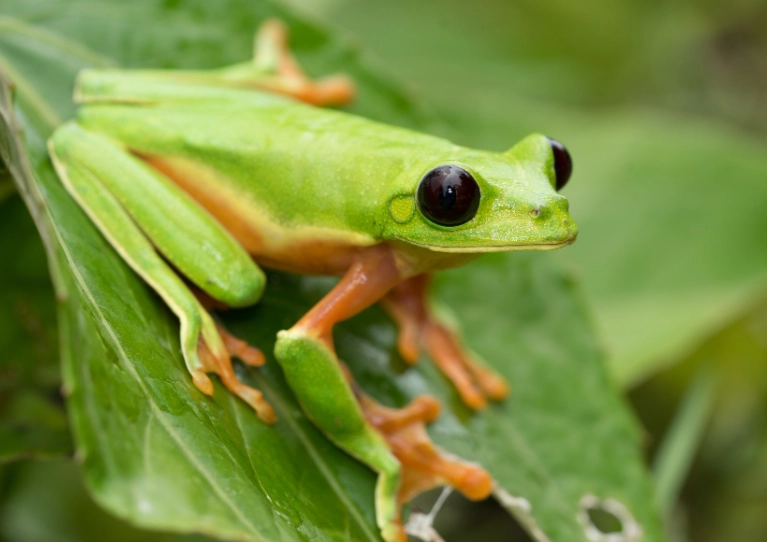
Water: The Source of Life (and Potential Problems)
They drink by absorbing water through their skin, especially a patch on their belly called the drinking patch. This means water quality is paramount. Always, always use dechlorinated water. A shallow water dish is fine, but change it daily. The real magic happens with misting—they'll often drink droplets off leaves and glass. This is why a clean environment is non-negotiable; they're absorbing everything around them.
Reading Your Frog's Health
A healthy black eyed tree frog is alert (at night), has clear eyes, and a well-rounded but not bloated body. They should jump with purpose and have a strong grip.
Common health issues usually trace back to environment or diet:
- Red-Leg (Bacterial Infection): Pinkish-red skin on the belly/legs, lethargy. Caused by dirty conditions or stress. Requires a vet immediately.
- Metabolic Bone Disease (MBD): Soft, rubbery jaw, crooked limbs, difficulty climbing. This is 100% preventable with proper calcium and UVB lighting. Speaking of which...
Black Eyed Tree Frog Behavior: What's Normal, What's Not?
They sleep all day, plastered to a leaf or the glass, often with their legs tucked in. This is normal. At dusk, they wake up. You might see them exploring, hunting, or taking a soak. They are not typically "handleable" pets. Handling stresses them out, removes the protective mucus from their skin, and risks injury from jumping. Enjoy them with your eyes.
One fascinating behavior is their color change. They can darken to a brownish-green, often when resting or trying to conserve moisture. A very dark, dull frog during active hours might be a sign of stress or illness.
Breeding them in captivity is a complex but rewarding challenge, requiring a simulated rainy season. It's a topic for its own deep dive.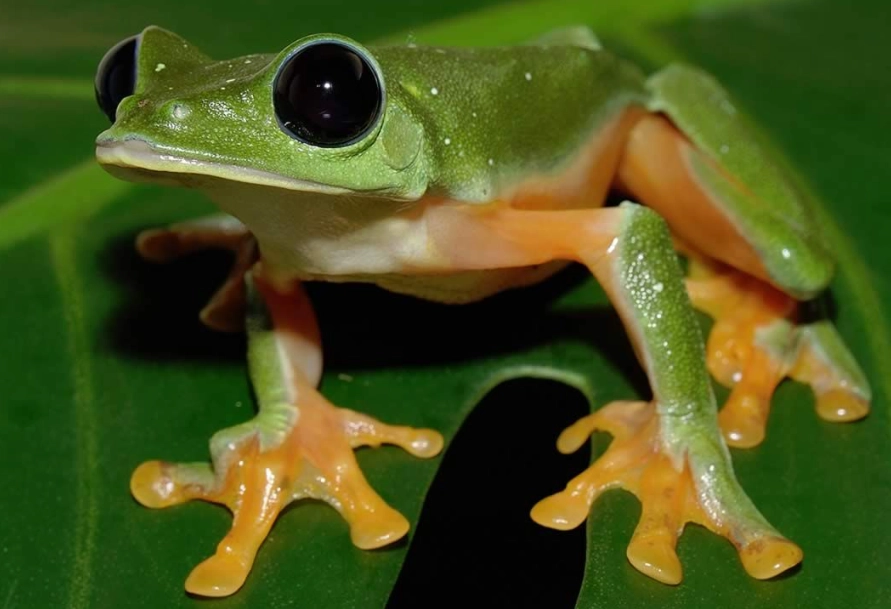
Answering Your Burning Questions (The FAQ You Actually Need)
The Ethical Side: Conservation and Your Pet
This matters. While not the most critically endangered amphibian, the black eyed tree frog faces habitat loss and the deadly chytrid fungus in the wild. By choosing a captive-bred frog, you're not contributing to that pressure. More than that, a well-cared-for pet can be an ambassador. When friends see your setup and learn about their needs, it fosters appreciation for these complex creatures and the ecosystems they come from. Data from sources like the US Geological Survey on amphibian declines show why every responsible keeper counts.
Final Checklist Before You Bring One Home
Let's make this practical. Don't buy the frog first. Get this stuff ready and running for at least a week to stabilize the environment.
- Enclosure: Tall terrarium (18x18x24" min).
- Heating: Thermostat-controlled heat source (lamp/emitter).
- Lighting: Gentle LED for plants, consider low-output UVB.
- Humidity: Hygrometer, mister (automatic or bottle), drainage layer.
- Substrate: Moisture-retentive but well-draining mix.
- Furniture: Plenty of branches, cork bark, and hiding spots (live/fake plants).
- Supplies: Dechlorinator, calcium + D3 powder, multivitamin powder.
- Food: A reliable source for at least two types of feeder insects.
- Vet: Know an exotic vet in your area before you need one.
So, is the black eyed tree frog the right pet for you? If you're looking for a hands-off, display animal that requires precise, dedicated care, and you find deep satisfaction in crafting a perfect little world, then absolutely. It's a commitment of years, not months. But for the right person, coming home to see those big black eyes shining back at you from a lush, green terrarium is worth every bit of effort.
Just promise me you'll do it right. They're counting on you.
Reader Comments