Quick Guide
- What Exactly Is a Flame Crested Gecko? Breaking Down the Hype
- The Real Deal on Flame Crested Gecko Care: Habitat is Everything
- Feeding Your Flame Crested Gecko: It's Not Just About Crickets
- Health & Common Problems: What to Watch For
- Behavior, Handling, and Taming Your Gecko
- Finding and Choosing Your Flame Crested Gecko
- Your Flame Crested Gecko Questions, Answered
So you've seen pictures online. Those stunning little reptiles with fiery orange and red patterns running down their backs, looking like living lava flows. That's the flame crested gecko for you. It's probably what drew you here. I get it. The first time I saw one at a reptile expo, I just stood there staring. It wasn't just a gecko; it was a piece of moving art. But here's the thing a lot of care sheets don't tell you upfront – that beautiful "flame" pattern is just the beginning. What you're really bringing home is one of the most personable, quirky, and surprisingly low-maintenance pet reptiles you can find. But "low-maintenance" doesn't mean "no-maintenance," and getting it wrong can mean a dull, stressed, or even sick gecko. Let's talk about what it really takes to keep a flame crestie not just alive, but thriving.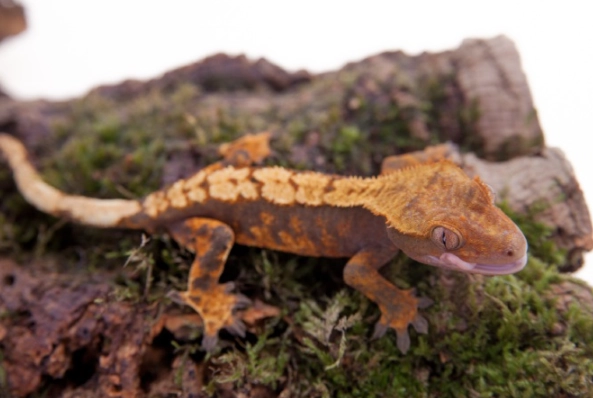
What Exactly Is a Flame Crested Gecko? Breaking Down the Hype
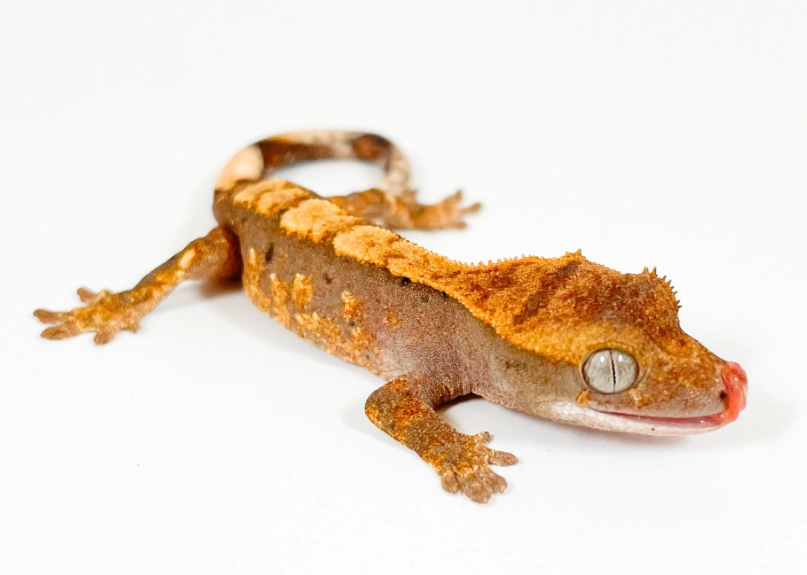
First off, let's clear a common confusion. "Flame" isn't a separate species. It's a pattern description, a morph, within the crested gecko species. Think of it like coat colors in dogs. All crested geckos are the same animal underneath, but breeders have selectively enhanced certain looks. The flame morph is characterized by a solid, usually dark, base color (like brown, olive, or near-black) with vibrant, clean-edged patches of orange, red, yellow, or cream running from the neck down the back and sides. The key is the high contrast and the specific shape – it's supposed to look like flickering flames.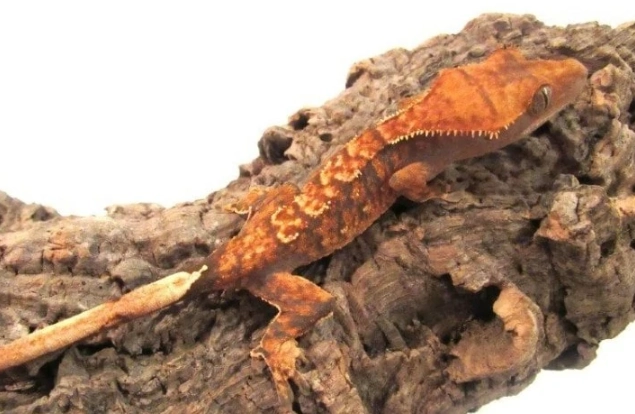
Now, the quality varies wildly. A low-expression flame might have just a few dabs of color. A high-expression flame crested gecko is a showstopper, with large, bold, symmetrical flames. This affects price, obviously. I've seen some that are mostly base color being sold as "flames," which feels a bit misleading. You want clear definition.
Their other defining feature is the "crest" – the fringe of skin that runs from each eye over the ears and down the back. It gives them that cute, spiky-haired look. They also have velvety skin, sticky toe pads for climbing glass, and a prehensile tail. Though, fair warning: they can drop their tails if seriously startled or grabbed by it. It doesn't grow back like some lizards, leaving them with a cute little "frog butt" permanently. It doesn't hurt them, but it's a cosmetic change many owners want to avoid.
Flame vs. Other Crested Gecko Morphs
It's easy to get lost in morph names. Here’s how flame stacks up against other common types:
- Flame vs. Harlequin: This is the biggest mix-up. Harlequins have the same flame-like patterning but it also extends down their legs and sides more heavily, often with a lighter base color and more "web-like" or patterned areas on the sides. A flame is cleaner, with patterning mostly focused on the dorsal area.
- Flame vs. Tiger: Tigers have stripes or bands running across their body, like a tiger's pattern, instead of the upward-flaring flame shapes.
- Flame vs. Pinstripe: Pinstripes have a solid, clean line of raised scales (the pinstripe) running along each side of their back. They can also have flame patterning on top of that, which would be called a "Flame Pinstripe" – a real looker.
- Flame vs. Brindle: Brindles have a messy, speckled, or marbled pattern without the defined edges of a flame.
Honestly, the lines blur because breeders combine traits. The main takeaway? Know what you're paying for. A high-quality flame crested gecko should have unmistakable, bold flame markings.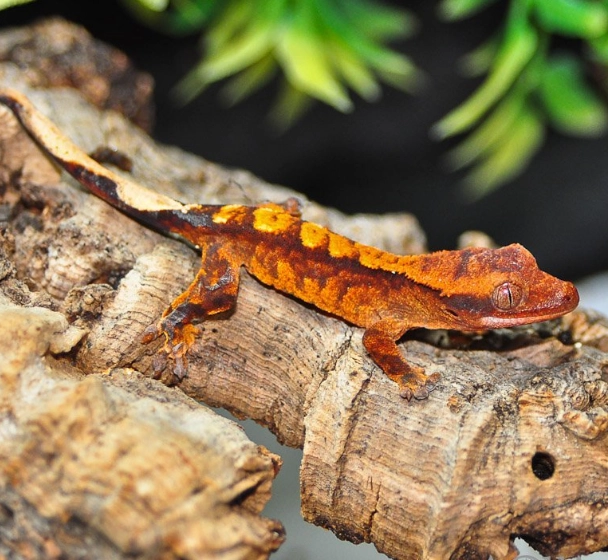
The Real Deal on Flame Crested Gecko Care: Habitat is Everything
This is where most first-time owners slip up. They buy this amazing animal and put it in a barren tank with a bowl of food. The gecko survives, but it doesn't showcase those colors or behaviors. It hides all day. A proper setup is non-negotiable.
The Enclosure: Go Vertical or Go Home
Crested geckos are tree-dwellers. They climb. A tall tank is infinitely more important than a long one. For a single adult flame crested gecko, the absolute minimum is an 18"x18"x24" tall enclosure. I'd personally recommend starting with a 18"x18"x36" if you have the space – they use every inch.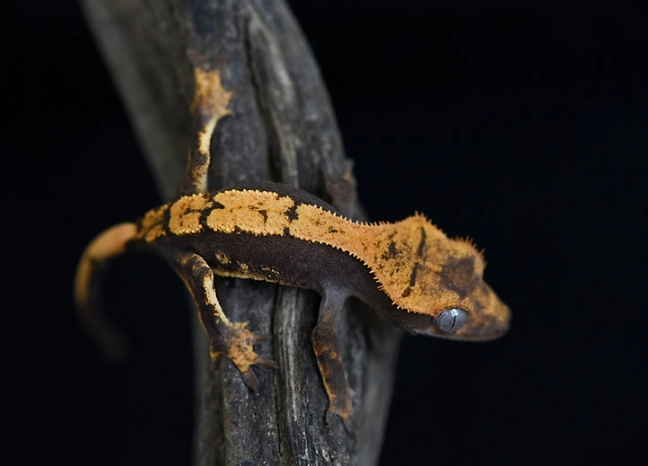
- Glass Terrariums: Great for holding humidity and providing a clear view. Front-opening doors are a lifesaver for maintenance and reducing stress on the gecko.
- Screen/Mesh Cages: Excellent for ventilation, which is crucial to prevent respiratory infections. However, they can struggle to hold humidity. You might need to cover part of the screen in drier climates.
- PVC Enclosures: A fantastic modern option. Lightweight, great insulation, and hold humidity well. Often come with built-in backgrounds.
You must provide a thermal gradient, even for a tropical animal. The top of the tank should be slightly warmer (72-78°F or 22-25.5°C) than the bottom. Nighttime drops into the high 60s°F (around 20°C) are perfectly fine and natural. Avoid heat rocks. They are notorious for causing severe burns on reptile bellies.
Furnishing Their Jungle Gym
Think clutter. The goal is for your gecko to be able to move from the bottom to the top without being seen. This makes them feel secure.
- Substrate: For beginners, simple paper towel is safest and easiest to monitor for health. For a more natural, bioactive look, a mix of organic topsoil, coconut fiber, and sphagnum moss works well. It holds humidity and allows for live plants.
- Branches & Vines: Use a variety of diameters. Cork rounds and flats are perfect—they’re natural, hold humidity, and are great for hiding.
- Foliage: Fake or live plants are essential for cover. Pothos, snake plants, and bromeliads are hardy live options. Floppy, broad-leafed plants give them places to sleep tucked away during the day.
- Hides: At least one snug hide placed in the cooler, more humid area of the tank (often near the bottom or buried in substrate). A "humidity hide" stuffed with damp sphagnum moss is a great addition, especially during sheds.
- Background: A 3D foam background or cork panels on the back and sides not only look good but provide more climbing surface and make the gecko feel less exposed.
The Humidity & Hydration Balancing Act
This is the trickiest part for many. In the wild, New Caledonia has high humidity that drops during the day and spikes at night and during rain. We need to mimic that cycle to keep their skin healthy and aid shedding.
Here’s a simple schedule that works:
| Time of Day | Target Humidity | How to Achieve It |
|---|---|---|
| Morning (After Lights On) | Spike to 70-80% | Heavy misting of the entire enclosure with a spray bottle. Soak plants and decor. |
| Daytime | Allow to drop to 50-60% | Good ventilation will let it fall naturally. This dry period is crucial. |
| Evening (Before Lights Off) | Spike to 70-80% again | Another thorough misting. This simulates evening dew and prompts nighttime activity. |
Always use dechlorinated water or reptile-safe water conditioner in your sprayer. Tap water with chlorine/chloramines isn't ideal for misting or drinking. A digital hygrometer (humidity gauge) is a must-have—don't rely on the cheap analog dials, they're often inaccurate.
They rarely drink from a standing water bowl. They lick droplets from leaves and glass after misting. Still, provide a shallow water dish for safety and to help with ambient humidity. Change it daily.
Feeding Your Flame Crested Gecko: It's Not Just About Crickets
The biggest revolution in crested gecko keeping was the development of complete powdered diets. These have made them arguably the easiest reptile to feed properly.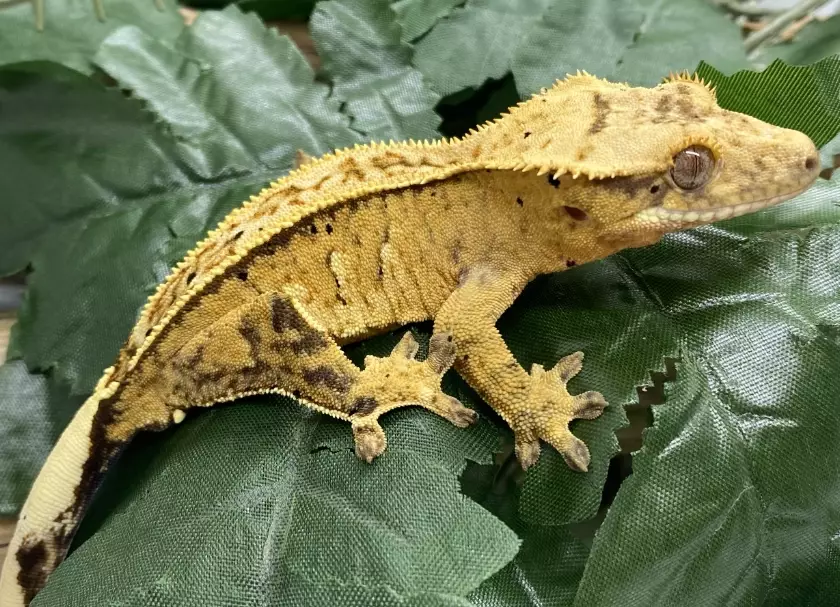
The Staple: Commercial MRP (Meal Replacement Powder)
Brands like Pangea Reptile or Repashy make fruit-based powders you mix with water to a ketchup-like consistency. They are nutritionally complete, containing all necessary vitamins, minerals, and calcium. This is the core of their diet. Offer a fresh batch every other day for juveniles and 2-3 times a week for adults. Leave it in a small, shallow dish (bottle caps work) overnight, and remove any uneaten food in the morning.
They come in flavors like "Fig & Insects," "Apricot," "Watermelon." It's fun to see which flavor your flame crested gecko prefers—mine goes nuts for the "Growth & Breeding" formula from Pangea.
Live Feeders: The Occasional Treat
While not strictly necessary thanks to MRPs, offering live insects once a week or every other week provides enrichment and extra protein. Good options are:
- Crickets or Dubia Roaches: Size should be no larger than the space between the gecko's eyes. Always gut-load the insects with nutritious veggies (carrots, squash) for 24 hours before feeding, and always dust them with a calcium + D3 powder right before offering.
- Treat Insects: Black soldier fly larvae, silkworms. Waxworms and mealworms are very fatty and should be rare treats only.
Health & Common Problems: What to Watch For
A healthy flame crested gecko is alert, has clear, bright eyes, a plump tail (their fat store), and a good appetite. Their skin should be velvety, not wrinkled or stuck with shed.
Common issues include:
- Stuck Shed: Usually on the toes or tip of the tail. Caused by chronic low humidity. If not addressed, it can constrict blood flow and lead to loss of toes. Boost humidity and provide a moist hide. For stubborn shed, a shallow warm bath (shallow enough they can stand!) can help.
- Metabolic Bone Disease (MBD): A serious, crippling condition from calcium deficiency. Symptoms include a wobbly gait, rubbery jaw, tremors, and difficulty climbing. It's preventable with proper diet (MRP + correct supplementation). If you suspect MBD, a reptile vet is needed immediately.
- Flaccid Tail Syndrome (FTS): The tail becomes limp and lifeless. The exact cause isn't fully understood but is linked to stress, poor diet, or injury. It often doesn't recover, but improving overall care can prevent it from worsening.
- Weight Loss: A skinny gecko with a bony pelvis and a thin tail is a major red flag. Check for parasites (requires a vet fecal exam), ensure it's actually eating the MRP (watch for lick marks in the dish), and review temperatures.
Finding a good exotics vet before you have an emergency is one of the smartest things you can do.
Behavior, Handling, and Taming Your Gecko
They're nocturnal, so don't expect daytime parties. At dusk, they become active: exploring, licking surfaces, hunting if insects are present.
Handling requires patience. Never grab them. Let them walk onto your hand. Start with short, 5-10 minute sessions a few times a week. Be over a soft surface in case they jump (they will). With time, most become quite tolerant. Some even seem to enjoy climbing on their owners. But they're not "cuddly"—they're observational pets with moments of interaction.
Their vocalizations are cute little chirps or barks, usually when annoyed or surprised during handling.
Finding and Choosing Your Flame Crested Gecko
Please avoid big-chain pet stores. Their animals are often mass-bred, stressed, and can come with health issues.
- Reputable Breeders: The best option. You can find them at reptile expos or online. A good breeder will know the lineage, guarantee health, and answer all your questions. They often have stunning, high-expression flame crested geckos.
- Reptile Rescues: A wonderful way to give an animal a second home.
When choosing, look for:
- Bright, clear, alert eyes (no swelling or gunk).
- A well-fleshed body and a plump tail.
- Clean vent (no leftover shed or feces).
- Active when gently prompted (not lethargic).
- No audible clicking or wheezing when breathing (sign of respiratory infection).
Ask to see it eat if possible. A healthy appetite is a great sign.
Your Flame Crested Gecko Questions, Answered
Look, at the end of the day, the flame crested gecko is more than a pet. It's a little piece of a tropical rainforest in your home. The care isn't hard, but it's specific. Get the habitat right—the vertical space, the humidity cycle, the proper diet—and you'll be rewarded. You'll get to watch this incredible animal with its painterly patterns go about its nightly life, and occasionally, it might just decide your arm is an interesting tree to explore. That connection, seeing a healthy, vibrant flame crested gecko thriving in a home you built, is the real payoff. It's worth every bit of the effort.
Reader Comments