In This Guide
- What Exactly Is a Monkey Tree Frog?
- Setting Up the Perfect Monkey Tree Frog Palace (It's Not What You Think)
- Feeding Your Monkey Tree Frog: Beyond Crickets
- Health and Wellness: Reading the Signs
- The Quirks and Behaviors: What Is Your Frog Trying to Say?
- Your Monkey Tree Frog Questions, Answered
- Wrapping It Up: The Heart of Monkey Tree Frog Care
I remember the first time I saw a monkey tree frog. It wasn't in a rainforest, but in a friend's slightly-too-warm living room, perched on a fake vine, looking at me with those huge, calm eyes. I thought, "That's it. I need one." And then I made about a hundred mistakes before I figured it out. Let's skip that part for you.
Monkey tree frogs, scientifically known as Phyllomedusa sauvagii, are one of those pets that look deceptively simple. They're not your average, jumpy little frog. They move with this slow, deliberate grace, and they have these weirdly expressive faces. But here's the thing everyone glosses over: they have very specific needs. If you get those wrong, you'll have a stressed, unhappy frog, and trust me, a stressed monkey tree frog is a sad sight.
This guide isn't just a rehash of the same old care sheets. We're going deep. We'll talk about why the typical "glass tank with a water bowl" setup might be failing your frog, what they really think of those giant nightcrawlers you're feeding them, and how to spot the subtle signs that something's off before it becomes a big problem.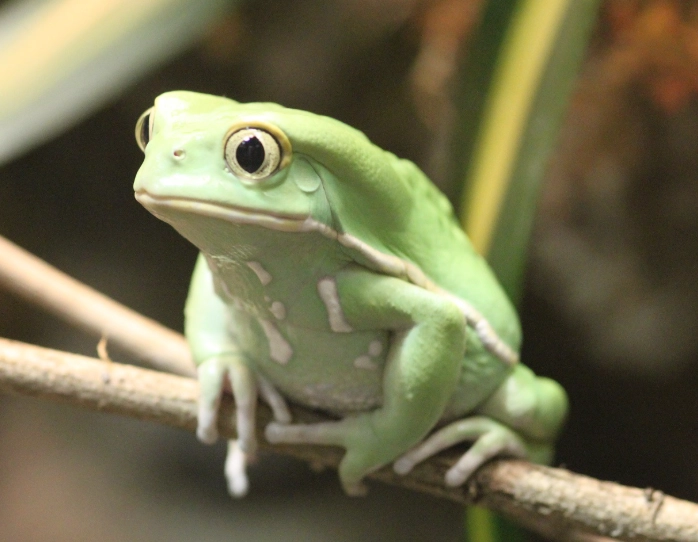
What Exactly Is a Monkey Tree Frog?
Before we dive into the how-to, let's get to know the frog itself. Calling it a "monkey" tree frog isn't just a cute name. It comes from their long, grasping limbs and their method of moving through the branches—a slow, hand-over-hand climbing that really does look primate-like. They're native to the dry Chaco regions of South America (think parts of Argentina, Paraguay, Bolivia, Brazil), which is a key detail most people miss.
They're a decent size for a pet frog, often reaching 3 to 4 inches from snout to vent. Their color is usually a lovely, soothing green, but it can shift towards brown or olive depending on their mood, temperature, or time of day. The coolest part? Those vertical pupils. It gives them a very alert, almost wise look.
Their most famous trick is something called uricotelism. Fancy word, simple meaning: they excrete waste as a paste-like uric acid instead of liquid urine to conserve water. You'll see this as a little white paste in their enclosure. First time I saw it, I panicked, thinking it was a disease. Nope. Just a brilliant adaptation to a dry environment. See, this is the kind of practical info you need!
Setting Up the Perfect Monkey Tree Frog Palace (It's Not What You Think)
Alright, let's get practical. The cage. This is where most guides stop at "get a tall tank." That's not enough. You're building a slice of the Chaco for a sensitive creature.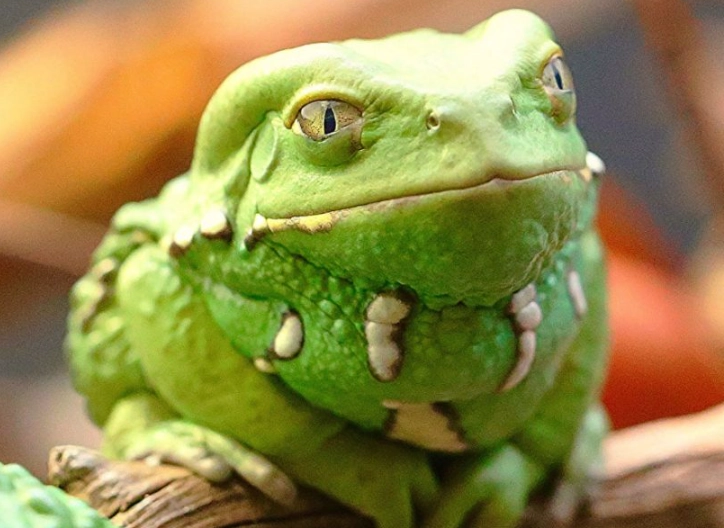
The Enclosure: Size, Type, and Location
A single adult monkey tree frog needs, at a bare minimum, a 20-gallon tall terrarium. But if you ask me, that's cramped. I'd start with a 30-gallon tall or an 18x18x24 inch front-opening terrarium. Front-opening is a game-changer—no more startling your frog by reaching from above like a predator.
Place it in a quiet room without direct sunlight or drafts. A bedroom corner or a calm home office is perfect. Avoid the TV room or kitchen. These frogs are stress sponges.
The Non-Negotiables: Heat, Light, and Humidity
This is the trifecta. Mess up one, and the whole system suffers.
Temperature: They like it warm, but not hot. A gradient is ideal. Aim for a warm side of 80-85°F (27-29°C) during the day and a cool side around 75°F (24°C). At night, it can safely drop to 70-75°F (21-24°C). I use a low-wattage ceramic heat emitter on a thermostat on one side of the tank. Never use heat rocks—they cause terrible burns.
Lighting: They don't need special UVB lighting for calcium metabolism like some reptiles, but they do benefit from a regular day/night cycle. A simple low-output UVB light or a standard LED plant light on a 12-hour timer works wonders for their circadian rhythm and makes any live plants happy. It just makes the whole environment feel more natural.
Humidity: Here's the big twist. Many care sheets scream "high humidity!" but that's for rainforest frogs. For your monkey tree frog, you want moderate humidity, spiking higher. Aim for 40-60% most of the time, with a nightly spike up to 70-80% from misting. Constant high humidity can lead to skin infections. I use a digital hygrometer (the analog ones are useless) and mist heavily just before lights out.
Substrate and Decor: Building a Home, Not a Cage
The floor of your monkey tree frog's home matters. You need something that holds some moisture but doesn't stay soggy. I've tried them all.
| Substrate Option | Pros | Cons | My Verdict |
|---|---|---|---|
| Coconut Fiber (Eco Earth) | Holds moisture well, natural look, safe if ingested. | Can be dusty when dry, needs frequent replacement. | A solid, beginner-friendly choice. My go-to for years. |
| Organic Topsoil (no additives) | Very natural, great for live plants, holds humidity. | Can compact, risk of pests if not sterilized. | Best for bioactive setups, but requires more work. |
| Moist Paper Towel | Extremely simple, easy to clean, no ingestion risk. | Looks terrible, zero natural benefits, dries out fast. | Only for quarantine or hospital tanks. Not a permanent home. |
| Sphagnum Moss (mixed in) | Excellent moisture retention, soft, natural. | Can mold if too wet, frogs may hide in it too much. | A fantastic component to mix with soil or fiber, not used alone. |
For decor, think vertical. These are climbers. You need sturdy branches, vines, and broad-leafed plants (live or high-quality silk). A tall piece of cork bark provides climbing surface and a hiding spot. The goal is to give them multiple pathways to get from the bottom to the top without feeling exposed. I made the error of using thin, wobbly vines at first. My frog refused to use them. They want stability.
And the water dish? Shallow. Very shallow. Like, a large bottle cap or a shallow ceramic dish. Monkey tree frogs are not swimmers. They hydrate by absorbing water through a patch on their belly called the pelvic patch. They sit in shallow water to do this. A deep dish is a drowning risk. I learned this the hard way after finding a very panicked frog paddling in a bowl meant for a different reptile.
Feeding Your Monkey Tree Frog: Beyond Crickets
If you think feeding a frog is just dumping crickets in a tank, you're in for a surprise. Monkey tree frogs can be… particular. And their diet directly impacts their health and color.
They are primarily insectivores. The staple of their diet should be gut-loaded crickets or dubia roaches (which are cleaner and quieter, by the way). "Gut-loading" means feeding the insects nutritious food 24-48 hours before offering them to your frog. You are what your food eats.
Here’s a sample feeding schedule that works for an adult:
- Monday: 3-4 gut-loaded crickets, dusted with calcium powder.
- Wednesday: 2-3 dubia roaches.
- Friday: 3-4 gut-loaded crickets, dusted with calcium + vitamin powder.
Juveniles should be fed smaller insects daily. Always feed in the evening when they are naturally active.
How do you feed them? I use soft-tipped feeding tweezers. It lets me wiggle the insect right in front of them, stimulates their feeding response, and lets me monitor exactly how much each frog eats. It also prevents insects from hiding in the substrate and bothering the frog later. Watching a monkey tree frog slowly aim and then snag a bug with its tongue is one of the great joys of keeping them.
What about hydration? They rarely drink from a water dish like a mammal. They absorb water. That's why the nightly misting is so crucial. The water beads on the leaves and glass, and they'll lick them up or press their belly against a moist surface.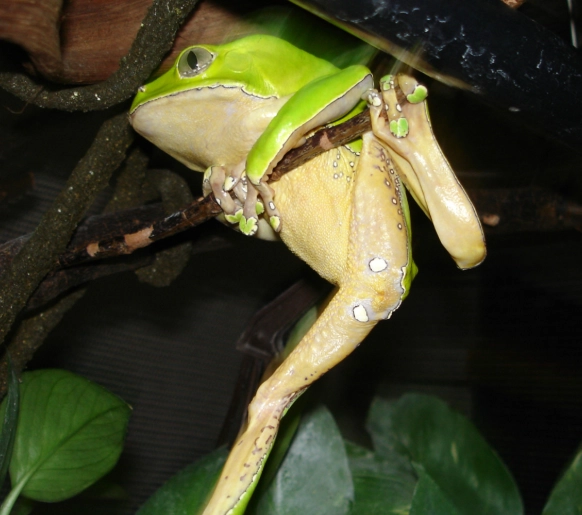
Health and Wellness: Reading the Signs
A healthy monkey tree frog is alert, has clear, bright eyes, and a well-rounded body (not fat, not bony). Their skin should be smooth and clean. But things can go wrong. Here’s what to watch for, straight from my notes and conversations with vets.
Common Health Issues
Weight Loss/Lack of Appetite: The biggest red flag. Could be stress, incorrect temperatures, parasites, or a systemic infection. Check your temps and husbandry first. If all is well and they're still not eating after a few days, a vet visit is needed.
Skin Issues: Red spots, cloudy patches, or a slimy film can indicate a bacterial or fungal infection. Often caused by unsanitary conditions or humidity that's consistently too high. Improving tank hygiene and adjusting humidity is step one. Persistent issues need veterinary-prescribed medication.
Bloat (Edema): Swelling, particularly in the limbs or abdomen. This is serious and can have multiple causes, including kidney failure, heart problems, or infection. Requires immediate exotic vet attention. The American Veterinary Medical Association (AVMA) website has a tool to find certified exotic pet vets, which is invaluable.
Sticky Shed: Unlike snakes, frogs shed their skin and eat it. Sometimes, pieces stick, especially on the toes. This can constrict blood flow and lead to toe loss. If you see retained shed, increase the humidity temporarily (a brief, warm misting) and provide rough surfaces (like cork) for them to rub against.
Finding a good exotics vet before you have an emergency is the single best piece of advice I can give.
The Quirks and Behaviors: What Is Your Frog Trying to Say?
This is the fun part. Monkey tree frogs have a repertoire of behaviors that tell you how they're feeling.
- The "Pancake": They flatten themselves against a broad leaf or the glass. This is normal resting/thermoregulating behavior. They're soaking up warmth or trying to maximize surface area for hydration.
- Slow, Deliberate Movement: Their signature. They're not frantic. They carefully place each hand. If your frog is frantically jumping or trying to climb the glass constantly ("glass surfing"), it's stressed. Check for temperature extremes, hunger, or a perceived threat.
- Color Changes: Darker or browner usually means they're trying to absorb more heat or are stressed. A bright, vibrant green typically means they're content and at a comfortable temperature.
- Vocalization: Males call, usually at night after a rain or misting. It's not a loud "ribbit" but more of a soft, rolling croak or clucking sound. It's quite charming.
Are they handleable? Not really. They are a "look, don't touch" pet. Their skin is semi-permeable and absorbs oils, salts, and chemicals from your hands, which can harm them. If you must move them, wear clean, damp, powder-free gloves or gently herd them into a small container. The stress of handling isn't worth it for them or you.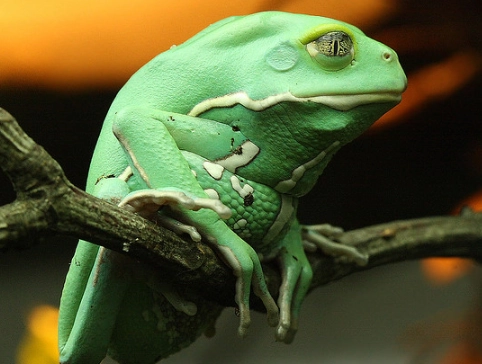
Your Monkey Tree Frog Questions, Answered
Yes, but with major caveats. They can be kept in pairs or small groups in a sufficiently large terrarium (add 10+ gallons per additional frog). The key is to only house frogs of similar size together to avoid bullying or accidental cannibalism. Also, be prepared to feed them separately to ensure each gets enough. Multiple males may call, which is fine, but watch for any aggression (rare, but possible).
With proper care, they can live a surprisingly long time—8 to 10 years, sometimes even longer. This is a long-term commitment, not a short-term novelty. That frog I saw in my friend's house all those years ago? Still going strong.
This is a very human projection. Frogs are not social animals in the way mammals are. They do not get lonely. A solo monkey tree frog is perfectly content as long as its environmental needs are met. Adding another frog is for your enjoyment, not theirs, and introduces risks like disease transmission and competition.
The top three reasons, in order: 1) Temperature is too low. Their metabolism slows down. Check your warm side. 2) Stress. New environment, too much noise/activity, an overly large prey item. 3) Illness. If husbandry is perfect and stress is minimized, a vet check is needed. Sometimes they just go off food for a few days, especially adults. Don't panic immediately.
This is a tough one. They are more forgiving than some ultra-delicate frog species, but they are not as hardy as, say, a White's tree frog. A beginner who is meticulous, does their research (like you're doing now!), and is committed to perfecting the setup can succeed. A beginner looking for a low-maintenance, handleable pet should look elsewhere. I'd rate them as an "intermediate" pet amphibian.
Wrapping It Up: The Heart of Monkey Tree Frog Care
At the end of the day, keeping a monkey tree frog happy comes down to one thing: observation. Watch your frog. Learn its normal rhythms. Is it usually on the warm side in the morning? Does it have a favorite leaf? This isn't just sentimental; it's practical. The moment you notice a deviation from its normal—that's your early warning system.
It's about replicating a specific slice of nature, not just sticking a frog in a box. It requires an investment in the right equipment from the start (please, get a thermostat), a commitment to a routine (feeding, misting, cleaning), and accepting that this is a pet you admire more than you interact with.
But when you get it right, when you see your monkey tree frog perched contentedly, its skin a vibrant green, calmly watching the world from its perfectly crafted branch, it's incredibly rewarding. You've created a tiny, thriving ecosystem. You're providing a great life for a fascinating creature. Just go in with your eyes open, learn from the mistakes of others (like mine!), and you'll have a wonderful, long-lived companion.
They're not just pets; they're a daily lesson in a different kind of life.
Reader Comments