Quick Guide to Longevity
So, you're thinking about getting a leopard gecko, or maybe you already have one blinking up at you from its terrarium. One of the first questions that pops into any responsible owner's mind is: just how long is this little guy going to be around? It's a big commitment. I remember when I got my first gecko, I was told "oh, 10 years or so," and I thought that sounded like forever. Now, knowing what I know, that figure feels almost misleadingly short.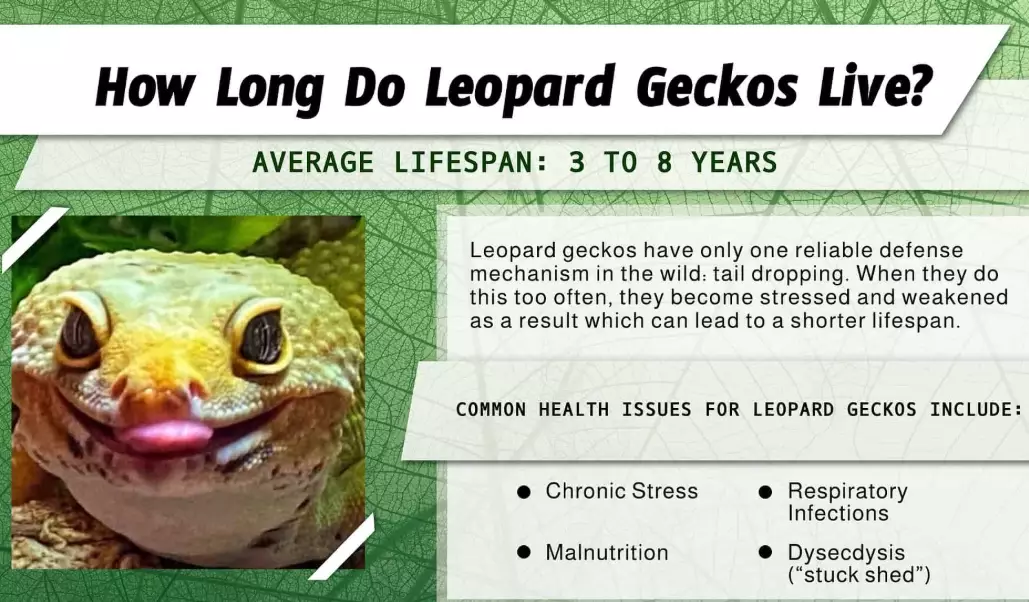
The truth about leopard gecko longevity is more fascinating—and more within your control—than you might think. We're not just talking about hitting an average; we're talking about creating an environment where pushing past 20 years is a real possibility. It's not magic. It's a mix of science, attentive care, and avoiding some surprisingly common mistakes. Let's cut through the noise and talk about what really matters for your gecko's long-term health.
Quick Reality Check: In captivity, with proper care, a leopard gecko's lifespan typically ranges from 15 to 20 years. There are numerous verified records of individuals living past 25. In the wild, their life expectancy plummets to 6-8 years due to predation, disease, and environmental hardship. Your care directly bridges that massive gap.
The Big Three: Diet, Habitat, and Health
If you want to unpack leopard gecko longevity, you have to look at the pillars that hold it up. Get one of these wrong, and it's like building a house on sand. Everything else is just decoration.
1. Nutrition: You Are What You (And Your Feeder Insects) Eat
This is probably the number one area where well-meaning owners slip up. Leopard geckos are insectivores. It's not just about tossing in crickets every few days. The concept of "gut-loading" is non-negotiable. Those crickets or dubia roaches are just vessels; what's inside them is what feeds your gecko.
Feeding your insects nutrient-rich veggies (like sweet potato, carrots, leafy greens) and a quality commercial gut-load for 24-48 hours before they become gecko food transforms them from empty snacks into vitamin-packed meals. Then, you dust them. Calcium powder with D3 is essential for bone health and preventing Metabolic Bone Disease (MBD)—a crippling, life-shortening condition. A pure calcium powder without D3 should also be available in a small dish in the enclosure. For variety, a multivitamin powder once or twice a week rounds things out.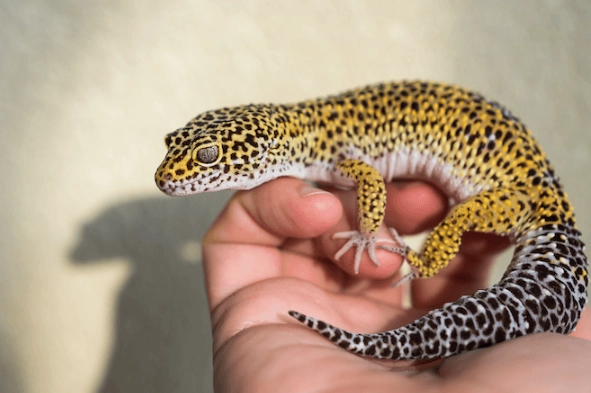
Here’s a simple way to think about feeder nutrition. Not all bugs are created equal:
| Feeder Insect | Fat Content | Best For | Feeding Notes |
|---|---|---|---|
| Dubia Roaches | Low | Staple feeder | Excellent protein, easy to gut-load, less messy than crickets. |
| Crickets | Moderate | Staple feeder | Good stimulation, but can be noisy and die easily. Must be gut-loaded well. |
| Mealworms | Higher | Occasional treat | Can be addictive. Hard exoskeleton; don't use as a sole feeder. |
| Black Soldier Fly Larvae (Calciworms) | Low | Supplemental / Staple | Naturally high in calcium, fantastic for growing geckos and gravid females. |
| Waxworms | Very High | Rare treat only | Like gecko candy. Can cause obesity and refusal of other food. Use sparingly! |
Overfeeding is another silent killer of leopard gecko longevity. An adult gecko only needs to eat 2-3 times a week. A fat gecko isn't a cute gecko; it's a gecko at severe risk for fatty liver disease and joint stress. A healthy adult should have a plump tail (their fat storage organ) but a sleek neck and body.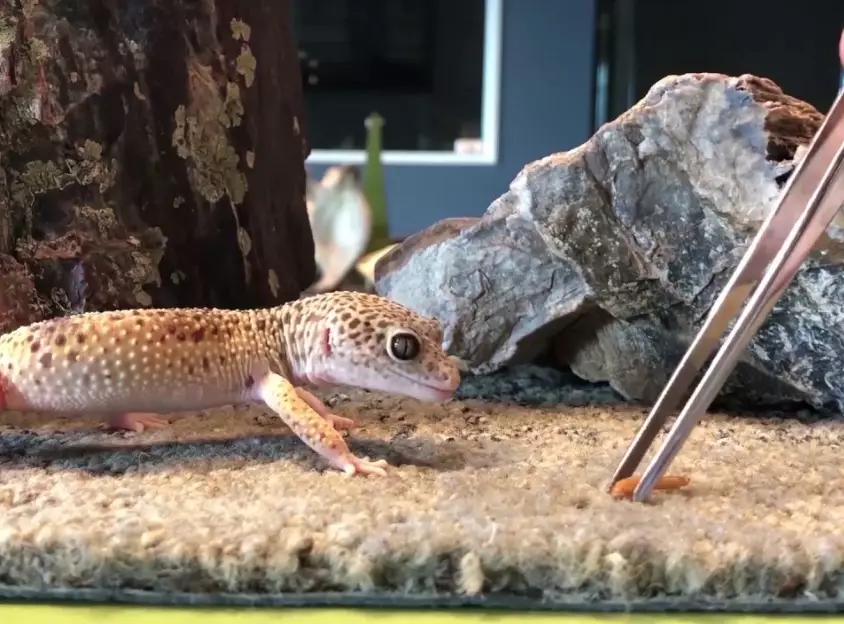
2. Habitat: It's More Than Just a Tank
Think of the enclosure as your gecko's entire world. Every element in it contributes to or detracts from their wellbeing.
Temperature Gradient is King. Leopard geckos are ectotherms. They can't regulate their own body temperature internally. You must provide a gradient. This isn't a suggestion; it's a biological imperative. One end of the tank needs a warm side with a under-tank heater (UTH) regulated by a thermostat set to 88-92°F (31-33°C) on the surface of the floor right above it. This is their belly heat for digestion. The other end should be room temperature, around 75-80°F (24-27°C). Nighttime drops are natural and fine. Without that warm spot, they cannot digest food, which leads to impaction and a slow, painful decline. I can't stress the thermostat enough. An unregulated heat mat is a burn risk and a fire hazard.
Hideouts: The Security Blanket. You need at least three: one on the warm end, one on the cool end, and a humid hide in the middle. The humid hide (a container with damp sphagnum moss or paper towel) is critical for proper shedding. Incomplete sheds, especially if skin remains stuck on toes, can lead to constriction, infection, and loss of digits. Good sheds are a cornerstone of long-term health.
Substrate: The Controversial Topic. Let's be blunt: loose sand, especially calcium sand, is a terrible idea for novice owners and a legitimate risk for impaction. It's just not worth it. Safer options include paper towel (excellent for quarantine and monitoring), slate tile (great for heat conduction and wearing down nails), or a 70/30 mix of topsoil and playsand (only for very experienced keepers who can manage humidity). When in doubt, go with paper towel or tile. It's boring, but it's safe, and safety promotes leopard gecko longevity.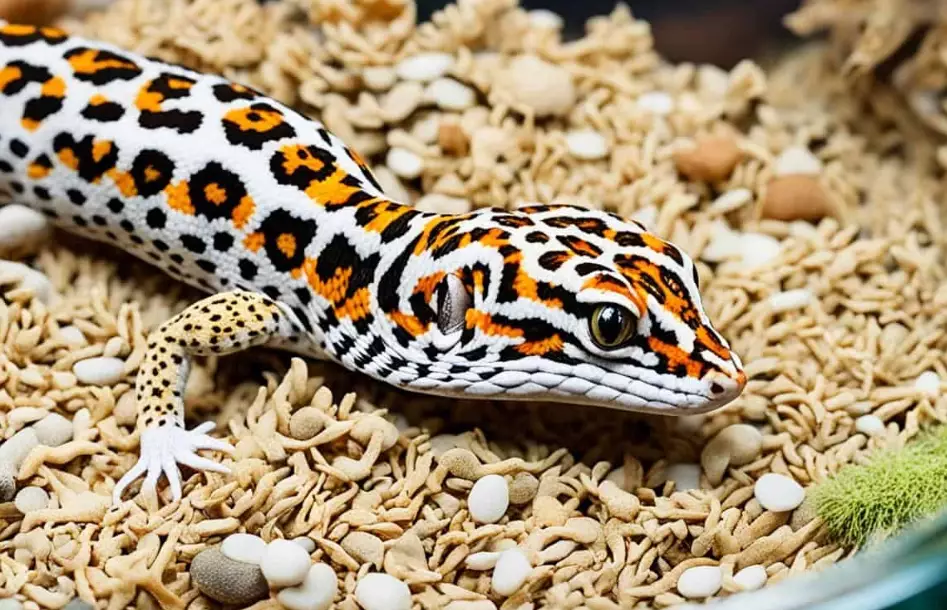
A Common Mistake I See: People often use heat lamps as the primary daytime heat source. Leopard geckos are crepuscular (active at dawn/dusk), not basking lizards. A bright lamp can stress them out, dry out the air, and doesn't provide the essential belly heat they need for digestion. A UTH on a thermostat is the way to go. A low-wattage ceramic heat emitter (CHE) for ambient heat if your room is very cold is fine, but the floor heat is non-negotiable.
3. Health: Catching Problems Before They Become Crises
Leopard geckos are masters of hiding illness—a survival instinct in the wild. You have to be a detective. Regular, gentle observation is your best tool.
Metabolic Bone Disease (MBD): Caused by calcium and/or Vitamin D3 deficiency. Symptoms include rubbery jaw, bowed legs, difficulty walking, and tremors. It's preventable with proper supplementation and UVB lighting (which is now increasingly recommended by experts like those at The Journal of Animal Science for supporting natural D3 synthesis, though careful dosing is required).
Impaction: A blockage in the gut, often from eating loose substrate or oversized prey. Signs include lethargy, loss of appetite, and a swollen abdomen. Prevention through proper substrate and temperature is key.
Parasites: Even captive-bred geckos can have them. Weight loss despite eating, runny or foul-smelling stools are red flags. A vet can do a fecal exam.
This is why finding a qualified exotic veterinarian before you have an emergency is a critical step for ensuring leopard gecko longevity. Not all vets see reptiles. Find one, get a check-up for your new pet, and know where to go in a panic. It makes all the difference.
Your Leopard Gecko Longevity Checklist
Let's boil it down to actionable steps. If you do these things, you're setting your gecko up for a remarkably long life.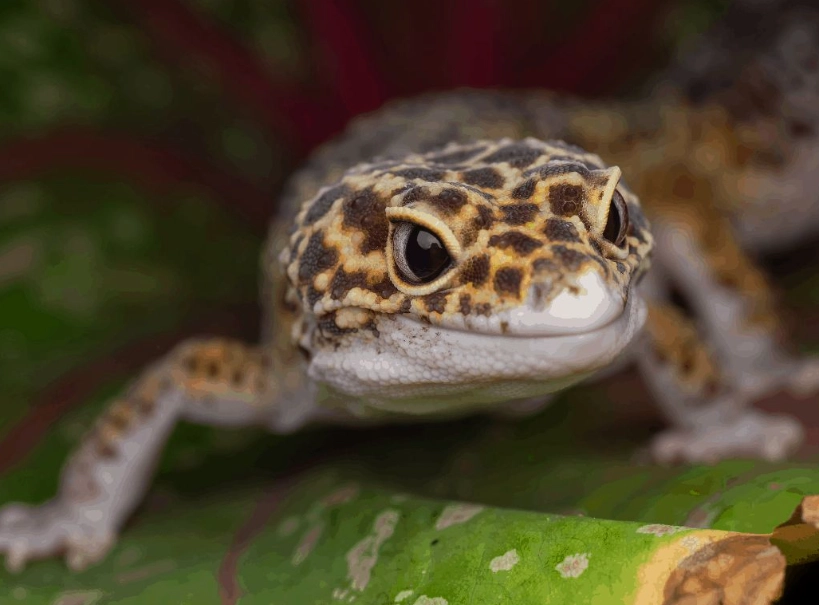
- Enclosure: 20-gallon long tank minimum for one adult. Bigger is better.
- Heat: Under-tank heater on a thermostat, creating a 88-92°F hot spot.
- Hides: Three (warm, cool, humid). The humid hide is not optional.
- Substrate: Paper towel, tile, or reptile carpet. Avoid loose sand.
- Food: Gut-loaded, appropriately sized insects (dubias, crickets).
- Supplementation: Calcium with D3 on most feedings, multivitamin weekly, plain calcium available in a dish.
- Water: Fresh, shallow dish changed daily.
- Vet: Have a reptile-savvy vet identified.
- Handling: Gentle, minimal, and always support the whole body.
It looks like a lot, but once it's set up, it becomes a simple routine. The upfront effort is what pays off in decades of companionship.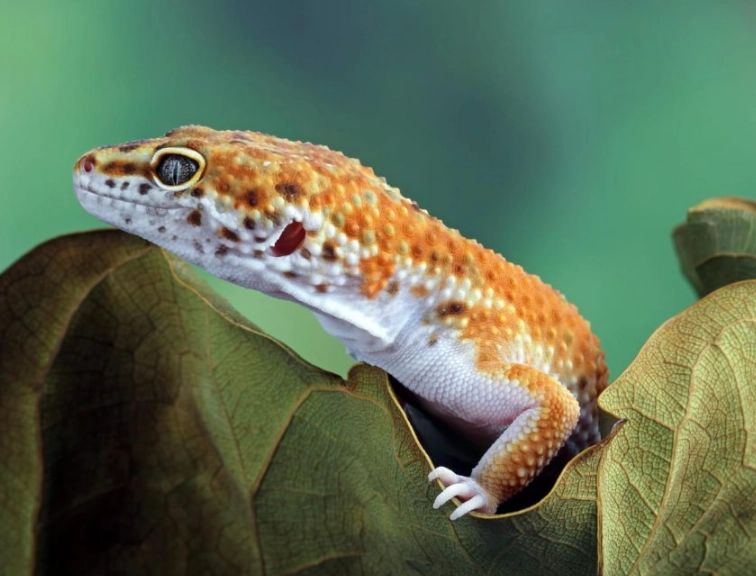
Answers to Your Leopard Gecko Longevity Questions
I get questions all the time from other owners. Here are some of the most common ones that tie directly to how long these pets live.
The Bottom Line on a Long Life
Chasing an impressive leopard gecko longevity record shouldn't be the goal. The goal is quality of life in every single one of those years. A gecko that's lethargic, obese, or suffering from MBD in a 20-year life hasn't won any prizes.
The secret isn't a secret at all. It's consistent, informed, and attentive care based on their biological needs. It's avoiding the flashy but dangerous products. It's watching them closely, not just looking at them. It's understanding that you are their entire ecosystem.
When you get it right, the reward is a decades-long relationship with a fascinating, gentle creature. My oldest is currently 18, still bright-eyed, still coming to the front of the tank at feeding time (albeit a bit slower). That's the real payoff. It's not about hitting a number; it's about sharing a healthy, contented life together for as long as nature—with your excellent help—allows.
Start with the basics, get them rock solid, and your gecko will have the best possible shot at a truly long, healthy life. That's the ultimate answer to the question of leopard gecko longevity.
Reader Comments