Quick Guide
I remember the first time I saw one. It wasn't in some fancy zoo exhibit, but clinging to my kitchen window screen on a humid summer night, backlit by the porch light. That vibrant, almost unreal green. Those big, curious eyes. And those perfect little toe pads, looking like they were made of melted plastic. It was a green tree frog, of course, and it turned a mundane evening into a moment of pure, quiet wonder. That's the magic of these little guys – they're common enough to find, yet exotic enough to make you stop and stare.
But here's the thing. For every person charmed by that green blob on their window, there are a dozen questions. Is it a pet? Can I touch it? What does it eat? Why is it so loud? And if you're thinking of keeping one, the questions multiply like, well, tadpoles in a pond. I've been down that road, made some mistakes (more on that later), and learned a ton from breeders, herpetologists, and just watching them do their thing.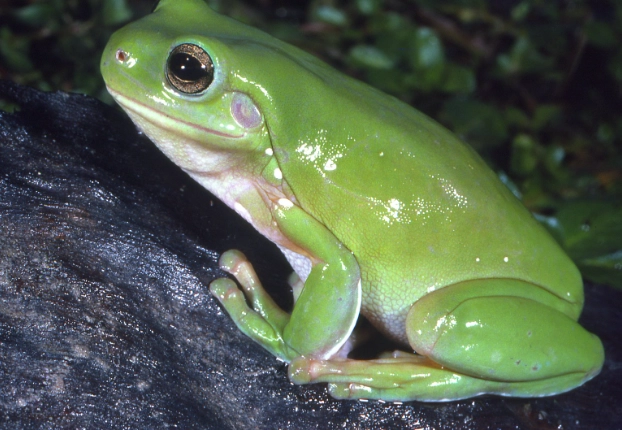
This isn't just a dry list of facts. It's the guide I wish I'd had. We'll talk about what makes a green tree frog tick, how to tell the different species apart (it's trickier than you think), and if you're considering one as a pet, we'll get into the nitty-gritty of keeping them happy and healthy. We'll also touch on why these seemingly common frogs need our attention more than ever.
Quick Reality Check: Before we get lost in how cute they are, let's be clear. A green tree frog is a living commitment. They're not cuddly, they're nocturnal (so you'll hear them more than see them sometimes), and they can live over 6 years in captivity. That's longer than some dogs. If you're looking for a low-maintenance pet, a plastic plant might be a better fit. But if you're fascinated by a living piece of rainforest ecosystem you can keep on your desk, read on.
What Exactly *Is* a Green Tree Frog?
This sounds like a simple question, right? It's a frog. It's green. It lives in trees. Done. Not so fast. "Green tree frog" is a common name that gets slapped on a whole bunch of different species from different parts of the world. It's like calling both a poodle and a wolf a "dog" – technically correct, but missing some crucial details.
At its core, a green tree frog is any frog from the family Hylidae (tree frogs) that is predominantly green and arboreal (tree-dwelling). Their most famous features are those iconic toe pads (called adhesive pads) that let them climb glass, and their generally sleek, elegant build. But the star of the show, at least in North America, is one very specific frog.
The Celebrity: The American Green Tree Frog (Dryophytes cinereus)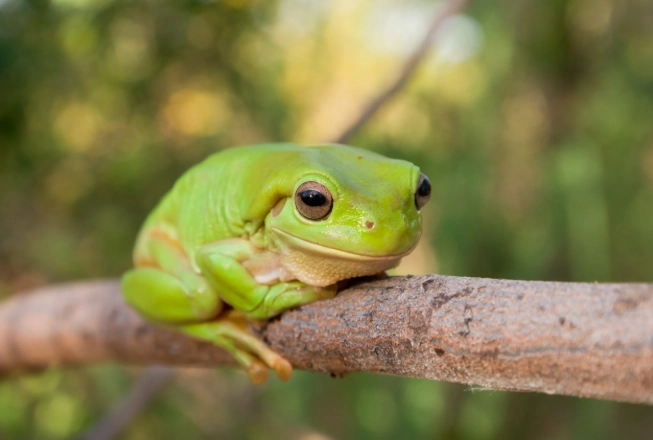
When most folks in the U.S. talk about a green tree frog, this is the guy. Dryophytes cinereus is the state amphibian of Louisiana and Georgia for a reason. It's widespread, adaptable, and has a personality. I find them to be surprisingly bold for a small frog.
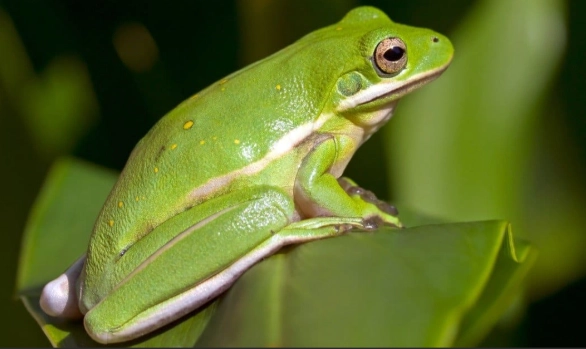
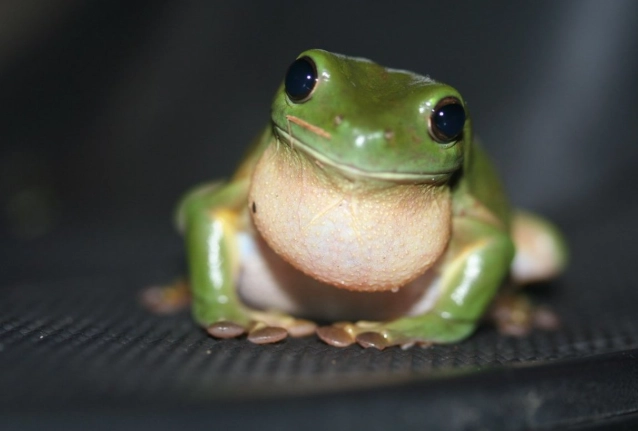
Their color can range from a bright, lime green to a more muted, olive green, and they often have a creamy-white or pale yellow stripe running from their jaw down their side. Some have little gold flecks, some don't. They're not huge, maxing out at about 2.5 inches. But their call? That's huge. It's a loud, nasal "quonk-quonk-quonk" that can carry across a pond. If you've heard a repetitive duck-like sound on a southern night, you've heard this green tree frog.
Their adaptability is key. They thrive in swamps, but also in suburban gardens, near farm ponds, and yes, on window screens. This adaptability also makes them one of the more commonly kept pet tree frogs, which we'll dive into deeply.
Other "Green Tree Frogs" You Might Meet
This is where it gets fun. Travel the world, and the "green tree frog" label shifts. Here’s a quick table to keep them straight – it's easier than trying to remember a bunch of Latin names in one go.
| Common Name | Scientific Name | Where It's From | Key Identifying Quirk |
|---|---|---|---|
| American Green Tree Frog | Dryophytes cinereus | Southeastern USA | Distinct white/yellow lateral stripe. |
| Australian Green Tree Frog | Ranoidea caerulea | Australia & New Guinea | Plump, often with a bluish tint. Also called "White's Tree Frog." |
| Red-Eyed Tree Frog | Agalychnis callidryas | Central America | Stunning red eyes, blue & yellow flanks. The poster child frog. |
| European Green Tree Frog | Hyla arborea | Europe & Parts of Asia | Smooth skin, a dark band from nose to leg. |
See? Big differences. The Australian version is a chunky, placid frog often sold in the pet trade. The Red-Eyed is a rainforest superstar. For the rest of this article, when I say "green tree frog," I'm mostly focusing on the American species, because that's what most searches are about. But a lot of the care principles overlap with its cousins.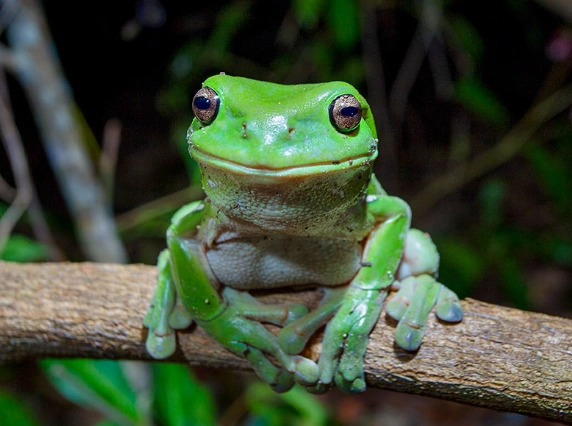
"The 'green tree frog' is a lesson in common names. They're misleading. Proper identification requires looking at location, patterning, and shape. It's the first step in responsible herpetology, whether you're a researcher or just a curious backyard observer." – A sentiment echoed by resources like the Australian Museum, which has excellent species-specific profiles.
Building a Home for a Green Tree Frog: The Tank Setup
Alright, let's say you're committed. You want to bring a piece of that summer night magic indoors. The single most important thing you'll do is create the right environment. A green tree frog in a barren tank is a sad, stressed frog that won't live long. Their home is their world.
Think vertical. These are climbers. A standard horizontal reptile tank is a bad choice. You need a tall terrarium. For one or two frogs, an 18x18x24 inch tall tank is a good starting point. Screen tops are essential for ventilation, but they need to be secure. These frogs are escape artists. I learned this the hard way when I found one hopping across my living room floor at 2 AM.
The Layered Approach (The "Frog Apartment")
Setting up the tank isn't about dumping stuff in. It's about creating layers, each with a purpose.
- The Foundation (Drainage & Substrate): Start with a layer of clay balls or gravel for drainage. Then, add a substrate that holds moisture but doesn't stay soggy. Coconut fiber (like Eco Earth) is fantastic. It's natural, holds humidity, and is safe if they accidentally ingest a bit while hunting.
- The Landscape (Hardscape & Plants): This is the fun part. Use branches, cork bark tubes, and vines to create a highway system for your frog. Live plants are the gold standard – they help with humidity and air quality. Pothos, Philodendron, and Ficus pumila are nearly indestructible. Fake plants work too, but make sure they're silk or soft plastic, not sharp-edged.
- The Canopy (The Upper Zone): This is where your green tree frog will spend 90% of its time. Place broad leaves (real or fake) near the top, under the heat and light source. This gives them a comfortable perch to sleep on during the day.
Water is simple but critical. A shallow, sturdy water dish big enough for the frog to sit in is a must. Change it daily. They don't swim much, but they soak to hydrate. Use dechlorinated water – tap water chemicals can harm their permeable skin.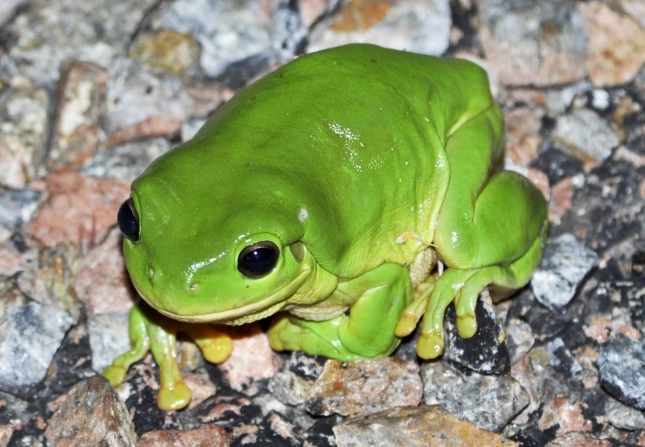
Climate Control: Heat, Light, and Humidity
This is the non-negotiable tech side. Get it wrong, and nothing else matters.
Temperature: Green tree frogs like it warm but not hot. A gradient is ideal. The warm spot (at the top of the tank) should be 80-85°F during the day. The bottom can be 70-75°F. A low-wattage ceramic heat emitter or a heat bulb on a thermostat is the safest way to achieve this. Avoid heat rocks – they can cause terrible burns.
Lighting: They don't need special UVB lighting like some reptiles, but a regular low-output fluorescent light on a 12-hour cycle helps regulate their day/night rhythm and keeps plants alive. At night, it should be dark. Red or blue "night" bulbs can still be seen by them and disrupt their cycle.
Humidity: This is the big one. Aim for 60-70% humidity. You'll need a hygrometer to monitor it. Mist the tank heavily once or twice a day with dechlorinated water. An automatic misting system is a luxury, but a simple hand sprayer works fine. Good ventilation prevents the tank from becoming a stagnant, moldy swamp.
My Early Mistake: I used a cheap, dial-style hygrometer from a pet store. It was constantly off by 20%. My frogs were either too dry or sitting in a fog. I invested in a decent digital hygrometer/thermometer combo, and it was a game-changer. Don't skimp on your measurement tools. Accurate data is everything.
What's on the Menu? Feeding Your Green Tree Frog
In the wild, a green tree frog is an opportunistic sit-and-wait predator. A bug flies by, and SNAP – it's gone. In captivity, we have to be that flying bug.
Their diet should consist of live, gut-loaded insects. "Gut-loading" means feeding the insects nutritious food (like carrots, oats, commercial gut-load) 24-48 hours before offering them to your frog. This passes the nutrition on. Dusting the insects with a calcium + D3 supplement is also crucial 2-3 times a week, and with a multivitamin once a week. This prevents Metabolic Bone Disease, a common and fatal ailment in captive amphibians.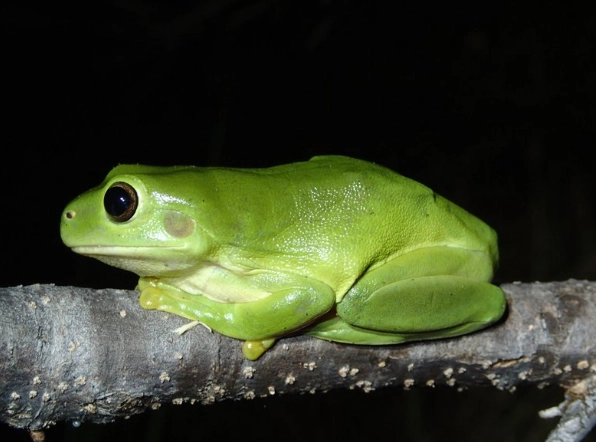
Staple Feeder Insects:
- Crickets: The classic. Size should be no wider than the space between the frog's eyes.
- Dubia Roaches: My personal favorite. They're nutritious, don't chirp, can't climb smooth surfaces, and don't smell. A superior feeder if they're legal in your area.
- Black Soldier Fly Larvae (Nutrigrubs): High in calcium, they wiggle enticingly.
Treat Insects (Offer occasionally): Mealworms (sparingly, they're fatty), Waxworms (very fatty, like frog candy), and small silkworms.
How often? For an adult green tree frog, feeding every other day is plenty. Offer 3-6 appropriately sized insects per feeding. Juveniles need daily feeding. The best practice is to feed in the evening when they're naturally active. Remove any uneaten crickets after an hour or so, as they can nibble on a sleeping frog.
The Not-So-Glamorous Side: Health and Common Problems
Nobody likes to think about their pet getting sick, but being prepared is responsible ownership. A healthy green tree frog is alert, has clear eyes, and a well-rounded body (not fat, not bony).
Here are the big watch-outs:
- Red-Leg Disease: A serious bacterial infection. Symptoms include redness on the belly and legs, lethargy, and skin ulcers. It requires immediate veterinary intervention. Often caused by poor water quality or stress.
- Metabolic Bone Disease (MBD): Caused by lack of calcium/D3. Frogs become lethargic, their jaw softens ("rubber jaw"), and they may have trouble climbing. Prevention through proper supplementation is 100% key.
- Ammonia Burns/Respiratory Infections: Caused by dirty substrate or stagnant, filthy water. If the tank smells bad, it's bad for the frog. Regular spot-cleaning of waste and full substrate changes are a must.
- Parasites: Internal parasites can come from wild-caught feeders or an already infected frog. A fecal exam by an exotics vet is a good idea for any new pet.
 Which brings me to the most important point: Find an Exotics Vet BEFORE you have an emergency. Not all vets see frogs. Find one who does, know their hours, and have a plan. It's part of the cost of ownership.
Beyond the Tank: Green Tree Frogs in the Wild and Conservation
It's easy to think of these frogs as just pets or backyard visitors. But they're vital pieces of their ecosystems. As both predator and prey, they help control insect populations and feed birds, snakes, and mammals.
Globally, amphibians are in crisis. Habitat loss, pollution, climate change, and the deadly chytrid fungus have devastated populations. While the American green tree frog is currently listed as a species of "Least Concern" by the IUCN Red List due to its adaptability, that's no reason for complacency. Local populations can still be wiped out by wetland draining or pesticides.
What can you do?
- Create a frog-friendly yard. Avoid pesticides. Leave a shallow dish of water out. Have dense, native plants for cover.
- Support wetland conservation. Organizations like The U.S. Fish & Wildlife Service work to protect crucial habitats.
- Never release a pet frog into the wild. Ever. It can introduce diseases to wild populations and the frog likely won't survive. If you can no longer care for your pet, find a reptile rescue or a responsible new owner.
- Be a citizen scientist. Report your sightings to platforms like iNaturalist. This data helps scientists track population health.
Keeping a green tree frog connects you to a wider wild world. It comes with the responsibility to understand and protect that world, not just your small piece of it in a tank.
Your Green Tree Frog Questions, Answered
 At the end of the day, whether you're a casual admirer, a backyard naturalist, or a dedicated keeper, the green tree frog offers a unique window into a fascinating part of nature. They're resilient yet delicate, common yet extraordinary. They remind us that wonder can be found right outside our window, clinging to the glass, a little green jewel of the night.
If you decide to bring one into your home, do it with respect and preparation. Give it the complex, humid, vertical world it needs to thrive, not just survive. You'll be rewarded with the quiet, fascinating company of one of nature's most perfect little climbers. And maybe, on a quiet night, you'll hear its contented quonk, a tiny echo of the wild, right in your living room.
Reader Comments