So you've fallen for those striking pink eyes and creamy white skin. An albino leopard gecko is a captivating pet, but their care sheet isn't quite the same as a standard leopard gecko's. That missing melanin does more than just change their color—it makes them sensitive to light in ways most guides don't talk about. I've seen too many albinos squinting in discomfort because owners followed generic advice. Let's fix that. This guide dives into the specific, often overlooked needs of albino leopard geckos, from setting up a light-safe habitat to spotting health issues unique to them.
Your Quick Guide to Albino Leopard Gecko Care
What Makes Albino Leopard Geckos Different?
Albinism in leopard geckos isn't just a color. It's a genetic condition that eliminates melanin, the pigment that colors skin, scales, and eyes. This gives them their beautiful pale yellows, whites, and pinks, and those iconic pink or red eyes. But here's the practical impact: their eyes have no protection against bright light.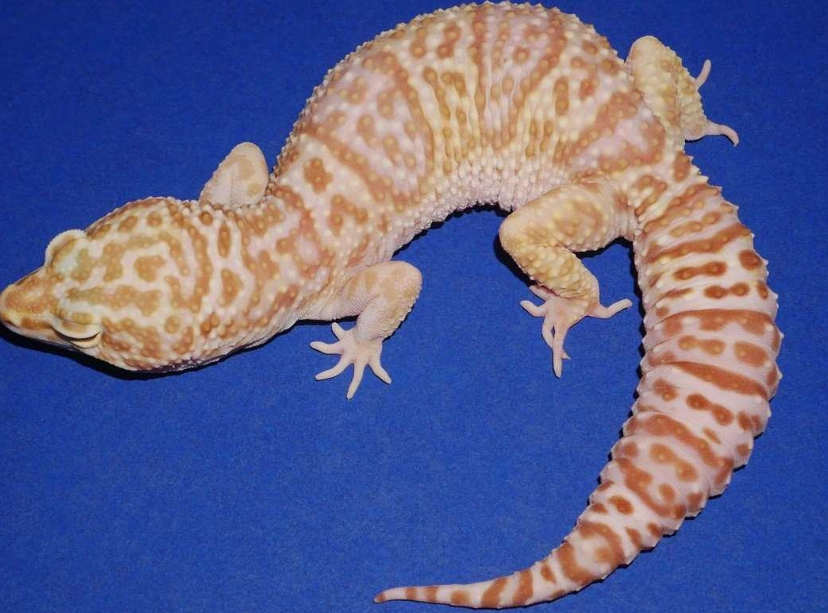
Think of it like having a permanent migraine sensitivity to light. A basking bulb that's fine for a normal gecko can be painfully bright for an albino. This photophobia is the single biggest factor that changes their care requirements. It influences everything from the type of lights you use (or don't use) to the number and depth of hides in their tank.
There are different strains of albinism—Tremper, Bell, and Rainwater—but from a care perspective, the light sensitivity is the common thread. Don't get bogged down in the strain unless you're breeding. Focus on the husbandry.
How to Set Up the Perfect Albino Gecko Enclosure
The goal here is security and choice, especially escape from light. A 20-gallon long tank (30" x 12" x 12") is the absolute minimum for one adult, but I always recommend moving to a 36" or 40-gallon front-opening enclosure if you can. The extra floor space lets you create a better temperature gradient and more hiding options.
Substrate: Safety First
Forget calci-sand or any loose particulate substrate. The risk of impaction is real, and it's not worth it. Here are your best bets:
- Paper Towel/Butcher Paper: The ultimate safe, cheap, and easy-to-clean option. Perfect for quarantine or new geckos.
- Slate or Ceramic Tile: My personal favorite. It looks clean, files down nails naturally, holds heat well, and is easy to wipe down.
- Non-adhesive Shelf Liner: Another solid, safe choice. Ensure it's the non-adhesive kind.
- Prepared Topsoil/Sand Mix (Bioactive): Only for experienced keepers. It must be sterilized and mixed correctly (70% soil, 30% sand). It allows for natural digging behaviors but requires more maintenance.
Furnishings: The Rule of Three Hides
This is non-negotiable for any leopard gecko, but critical for albinos.
- Warm Hide: Place this directly over the heat mat or under the heat lamp. A snug, enclosed cave.
- Cool Hide: On the opposite, unheated end of the tank.
- Humid Hide: This is essential for shedding. Use a plastic container with a hole cut in the side, filled with damp (not wet) sphagnum moss or paper towels. Place it in the middle or cool end. Check it every other day and re-moisten.
For albinos, add a fourth—a total darkness hide. Something deep and opaque, like a cork round or a clay pot on its side, stuffed with dry moss. This is their sanctuary when the world is too bright.
Temperature & Lighting: The Critical Balance
This is where most albino care goes wrong. They need heat, but they are terrified of bright light. You have to decouple the two concepts.
| Zone | Temperature | How to Achieve It | Albino-Specific Note |
|---|---|---|---|
| Warm Side (Belly Heat) | 88-92°F (31-33°C) | Under-tank heater (UTH) on a thermostat. | Primary heat source. Essential for digestion. |
| Cool Side | 70-77°F (21-25°C) | Room temperature. | Provides essential escape from heat. |
| Basking Spot (Optional) | 90-95°F (32-35°C) | Low-wattage halogen or DHP on a dimming thermostat. | Use only if needed. Must be paired with ample shade. |
| Nighttime Temp | No lower than 65°F (18°C) | Ceramic Heat Emitter (CHE) on a thermostat. | Never use colored night lights. CHE emits heat, zero light. |
The Great UVB Debate for Albinos
Leopard geckos are crepuscular, meaning they are active at dawn and dusk. They don't bask like bearded dragons. However, low-level UVB exposure can benefit their calcium metabolism and overall well-being. For albinos, it's a risk-reward calculation.
If you choose to provide UVB:
- Strength: Use a very low-output linear bulb. A "ShadeDweller" Arboreal 7% or a 5.0 T5 bulb, placed at the correct distance per the manufacturer's instructions (usually 12-15 inches away).
- Photoperiod: On for only 4-6 hours in the middle of the day, using a timer.
- Choice is Key: The enclosure must have plenty of shaded areas and deep hides where the gecko can be completely shielded from the UVB light. They need to self-regulate.
If you skip UVB, it's perfectly acceptable as long as you are diligently dusting feeders with a high-quality calcium supplement containing Vitamin D3. This is the safer, simpler route for many albino owners.
What to Feed Your Albino Leopard Gecko
The good news? Their diet is the same as any other leopard gecko. The challenge is ensuring they get enough nutrients, especially if they're more reclusive due to light sensitivity.
Staple Feeders: Dubia roaches, discoid roaches, black soldier fly larvae, and crickets are excellent. Mealworms and superworms are okay as part of a varied diet but are higher in fat and chitin.
Treat Feeders: Waxworms and hornworms are like candy—high in fat or moisture, respectively. Feed sparingly.
Juveniles should be fed daily, as many appropriately-sized insects as they'll eat in 10-15 minutes. Adults (over 1 year) eat every other day or 2-3 times a week. A good rule is 2 insects per inch of the gecko's body length per feeding.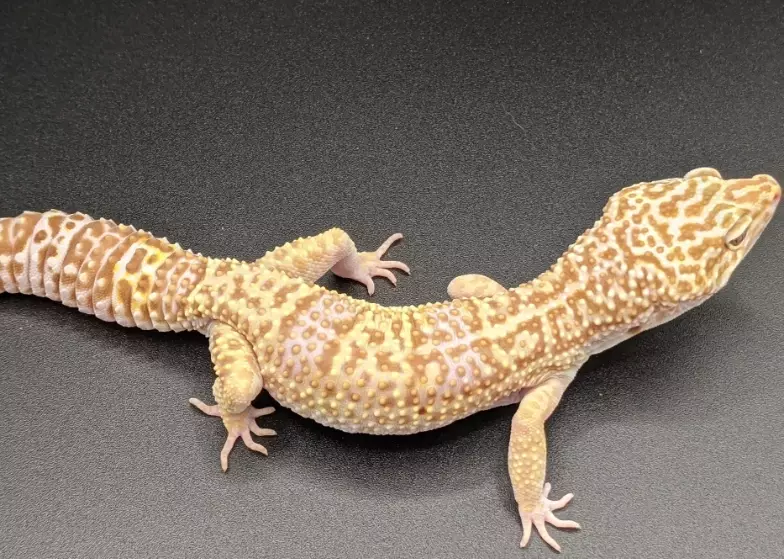
The Supplement Schedule (This is Non-Negotiable)
Gut-load your feeders with nutritious veggies (carrots, squash, leafy greens) 24 hours before feeding. Then dust them:
- Calcium WITHOUT D3: Light dusting at every feeding if you are using UVB lighting.
- Calcium WITH D3: Light dusting at one feeding per week if you are not using UVB lighting.
- Multivitamin: A reptile-specific multivitamin containing Vitamin A (from beta-carotene or retinol) should be used for one feeding per week, rotated with the D3 supplement if applicable.
Always provide a small, shallow dish of plain calcium powder (without D3) in the enclosure so they can self-regulate.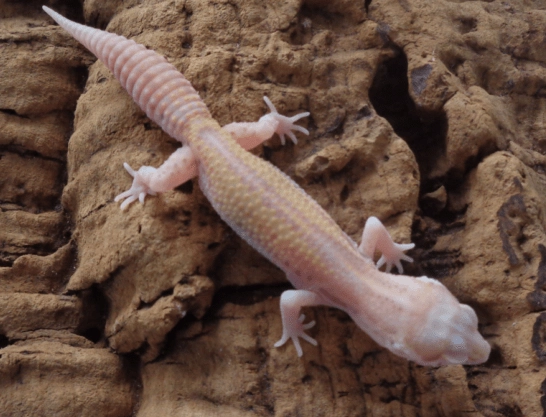
Monitoring Your Albino Gecko's Health
Albinos are prone to the same issues as all leopard geckos, but you need to be extra vigilant about eye problems and shedding.
Eye Issues: Squinting, keeping eyes closed, rubbing the face on decor, or swelling are red flags. The first cause is almost always lighting. Re-evaluate your setup before assuming it's an infection. Remove any bright lights immediately.
Shedding Difficulties (Dysecdysis): Albinos don't have issues because they're albino, but retained shed, especially around the toes and eyes, is a common emergency. This is why the humid hide is critical. If you see stuck shed, a warm, shallow saucer of water for them to soak in can help. Gently roll retained toe shed off with a damp q-tip.
Appetite & Weight: Use a digital kitchen scale to track weight monthly. A healthy adult should have a plump tail (their fat store) and a well-defined neck. A sudden loss of appetite can indicate stress (often from lighting), incorrect temperatures, or illness.
Establish a relationship with an exotics vet before you have an emergency. Not all vets are experienced with reptiles.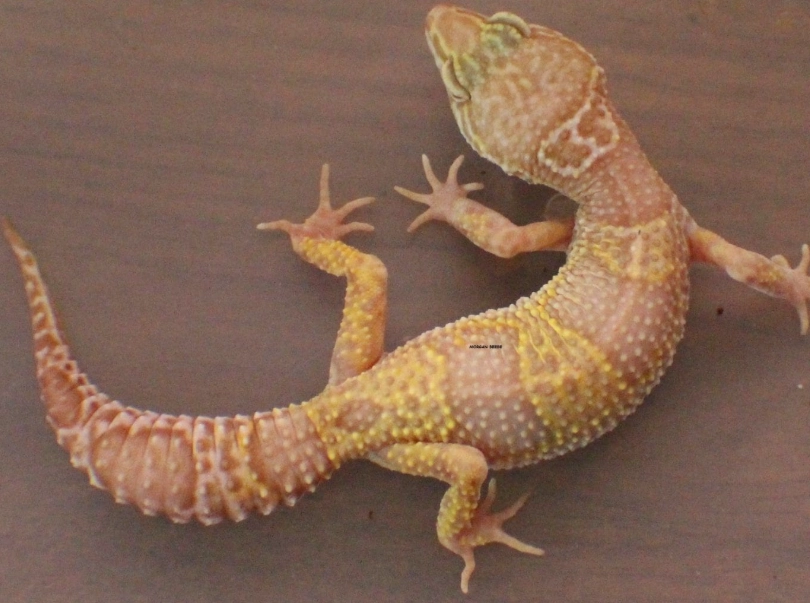
Your Albino Leopard Gecko Questions Answered
Caring for an albino leopard gecko is a rewarding commitment to understanding a unique animal. It's not harder, just different. By prioritizing their need for low-light environments, secure hides, and proper nutrition, you'll be rewarded with a healthy, fascinating pet for 15-20 years. Ditch the bright lights, double the hides, and watch your pale friend thrive.
Reader Comments