So you're thinking about getting a fancy leopard gecko, or maybe you already have one. Those bright yellow Mack Snows, the pure white Blizzards, the intricate patterns of a Jungle morph—they're stunning. But here's the first thing you need to know: that beautiful animal isn't a short-term commitment. A well-cared-for leopard gecko can easily be your companion for 15 to 20 years. I've seen geckos hit 22. That's longer than many dogs live. The difference between a pet that lives a decade and one that lives two decades isn't magic; it's almost entirely in the care you provide.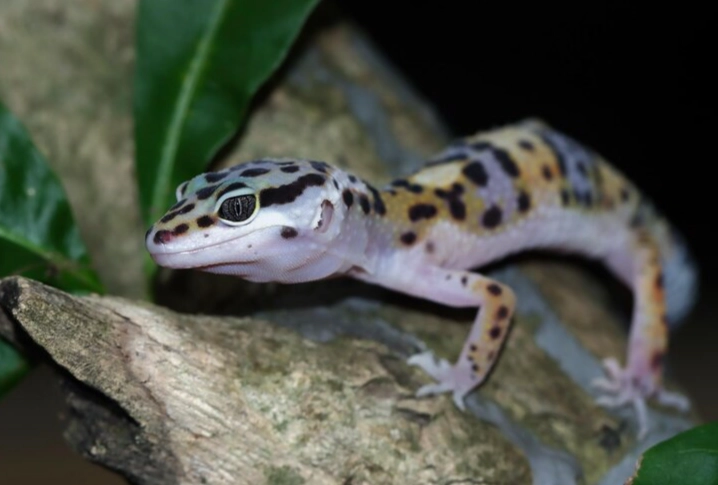
What You'll Learn
What is a Fancy Leopard Gecko?
Let's clear this up first. "Fancy" isn't a scientific term. In the pet trade, it's a catch-all for any leopard gecko that isn't the standard wild-type yellow with black spots. It refers to the color and pattern morphs created through selective breeding. Think of it like dog breeds, but for reptile scales. A Mack Snow, a Tangerine, an Albino, a Giant—these are all "fancy."
This matters for lifespan because a common myth is that these fancy morphs are weaker. That's not true if they come from good stock. The problem is the backyard breeder who pairs two geckos with the same hidden genetic flaw just to get a certain color, ignoring health. A well-bred fancy gecko from a reputable breeder starts with the same genetic potential for a long life as any other.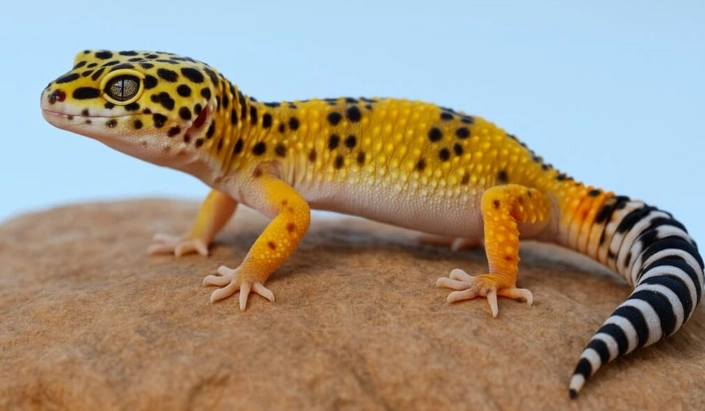
The Lifespan Range: What to Really Expect
You'll see numbers all over the place. Here's the breakdown from my experience and from talking with long-time breeders and vets.
- 10-15 years: This is the average with basic, okay care. The gecko is fed, has a heat source, but maybe the setup isn't ideal, or diet is monotonous.
- 15-20 years: This is the expected range with dedicated, informed care. This is your goal.
- 20+ years: This is the exceptional range. It requires near-perfect husbandry, excellent genetics, and a bit of luck. The record, as verified by sources like the Association of Reptilian and Amphibian Veterinarians (ARAV), is around 28 years.
I met a guy at a reptile expo whose normal leopard gecko was 26. It moved slower, but it was alert and still eating. That's the potential we're talking about.
The Bottom Line: Plan for a 15-20 year commitment. If you provide a great environment, you're likely to hit the upper end of that range. Don't buy a gecko thinking it's a 5-7 year pet; that mindset leads to cutting corners.
Factors That Determine Your Gecko's Lifespan
It's not one thing. It's a combination. Miss one, and you're shaving years off their life.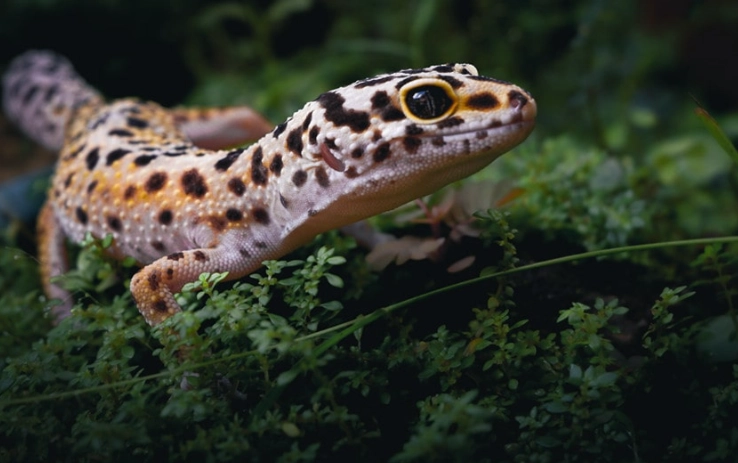
Genetics and Breeding
This is the foundation you can't change later. A gecko from parents with robust health has a head start. Avoid breeders who can't tell you about the lineage or who breed known problematic morphs together carelessly. For example, the Enigma morph is beautiful but carries a gene that can cause severe neurological issues (Enigma Syndrome), impacting quality of life. A responsible breeder will be upfront about these risks.
Diet and Nutrition
This is where most people fail, and it's a silent killer. It's not just "feed crickets."
- Gut-loading: You are what you eat, and so is your gecko. Feeding your crickets or dubia roaches nutrient-rich veggies (carrots, sweet potato, leafy greens) 24 hours before feeding them to your gecko is non-negotiable. Empty feeders offer empty calories.
- Supplementation: Calcium and vitamin D3 are critical for preventing Metabolic Bone Disease (MBD), which cripples and kills. A plain calcium powder should be lightly dusted on almost every feeding for growing geckos and adults during breeding. A calcium with D3 and a multivitamin should be used on a rotating schedule (e.g., multivitamin 1-2 times a week).
- Variety: Crickets, dubia roaches, mealworms, black soldier fly larvae. Rotate them. Different insects have different nutrient profiles.
Housing and Environment
A 10-gallon tank for an adult is the bare minimum. I recommend 20 gallons long or larger. More space reduces stress and allows for proper heat gradients.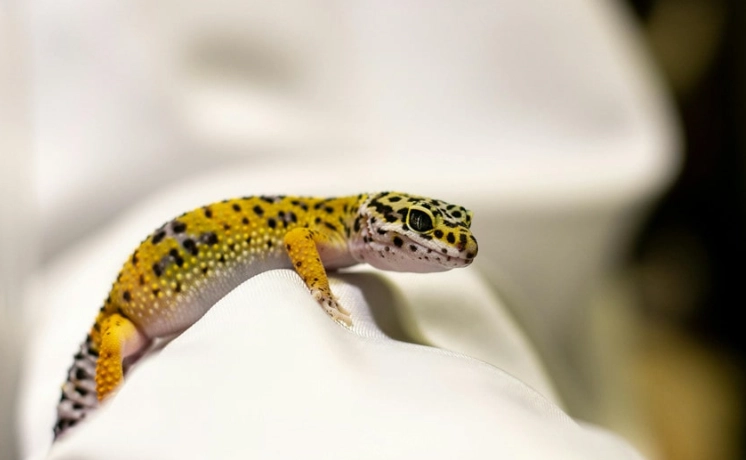
- Heat: They need a warm side of 88-92°F (31-33°C) on the ground for digestion. Use an under-tank heater regulated by a thermostat. Heat rocks are dangerous and cause burns.
- Humidity: A moist hide filled with damp sphagnum moss is essential for proper shedding. Incomplete sheds can constrict toes and tails, leading to loss.
Healthcare and Stress Management
Find an exotics vet before you have an emergency. Annual check-ups can catch parasites early. Stress is a huge longevity killer—loud noises, excessive handling, cohabitation with other geckos (they are solitary!), and improper temperatures all contribute.
How to Maximize Your Leopard Gecko's Lifespan
Here's your actionable plan. Think of this as the instruction manual that should have come with your gecko.
The Ideal Enclosure Setup
Start big. A 36" x 18" footprint (like a 40-gallon breeder) is fantastic. Substrate? Paper towel is safest for beginners and easy to clean. For a more natural look, a deep layer of a soil/sand mix works, but only if you're confident in your humidity and heating control to avoid impaction. Provide at least three hides: one on the warm side, one on the cool side, and one moist hide in the middle.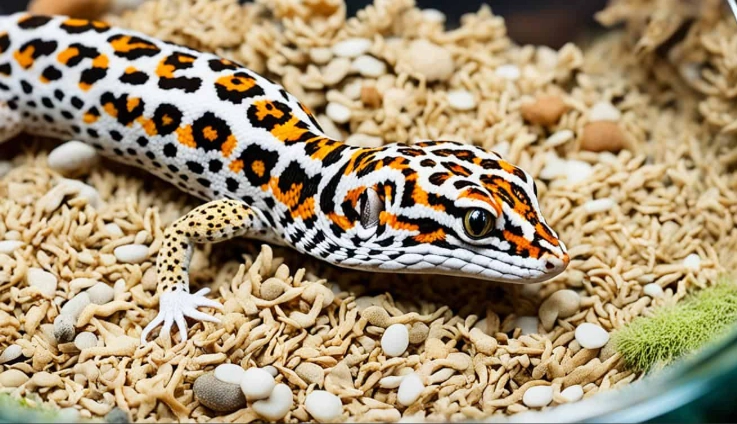
The Right Diet: More Than Just Crickets
Let's get specific. Here's a sample feeding schedule for an adult gecko:
| Day | Feeder Insect | Supplement | Notes |
|---|---|---|---|
| Monday | 8-10 Dubia Roaches | Light dusting of Calcium (NO D3) | Gut-load roaches with squash & greens. |
| Tuesday | -- | -- | Fasting day. Allows digestion to complete. |
| Wednesday | 10-12 Crickets | Light dusting of Calcium WITH D3 | Remove uneaten crickets after 15 mins. |
| Thursday | -- | -- | Fasting day. |
| Friday | 8-10 Black Soldier Fly Larvae | Light dusting of Multivitamin | Excellent calcium source on their own. |
| Weekend | -- | -- | Observe. Offer a couple mealworms as a snack if desired. |
Always have a small bottle cap of plain calcium powder in the enclosure. They'll lick it if they need it.
Handling and Stress Reduction
Be gentle. Let them walk onto your hand. Support their whole body. Keep handling sessions short, especially at first. Never grab the tail—it can detach. Their enclosure should be in a quiet, low-traffic part of the home, away from direct sunlight and drafts.
Finding a Reputable Veterinarian
Don't wait for an emergency. Search for an "exotics vet" or "avian and exotics" practitioner. The Association of Reptilian and Amphibian Veterinarians website has a finder tool. A baseline check-up when you first get your gecko is a great idea.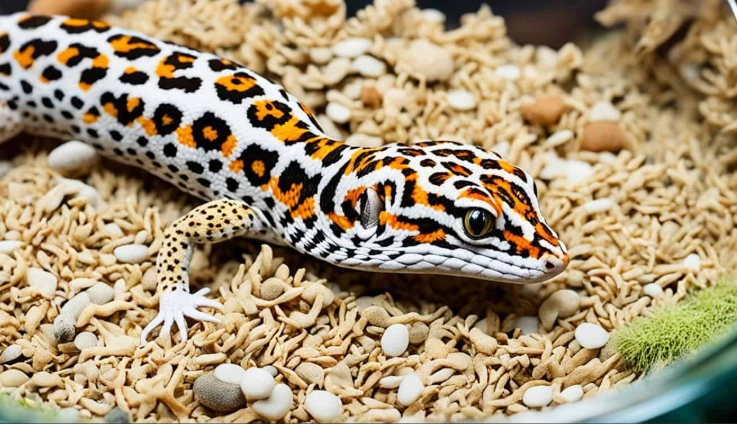
Common Health Issues That Shorten a Gecko's Life
Knowing the enemies helps you fight them.
- Metabolic Bone Disease (MBD): The big one. Caused by lack of calcium/D3 or improper UVB. Symptoms include rubbery jaw, bowed legs, difficulty walking. It's preventable and treatable if caught early, but deformities are permanent.
- Impaction: Gut blockage from eating loose substrate (like plain sand) or oversized feeders. Symptoms: no poop, loss of appetite, a swollen belly. Prevent with proper substrate and feeder size.
- Parasites: Internal parasites (like pinworms) are common and sap strength. A vet can diagnose via a fecal exam and prescribe medication.
- Respiratory Infections: Often caused by low temperatures or high humidity. Listen for clicking sounds or see mucus around the nose.
Early intervention is everything. A lethargic gecko that refuses food for more than 5-7 days is a vet case.
FAQ: Your Leopard Gecko Lifespan Questions Answered
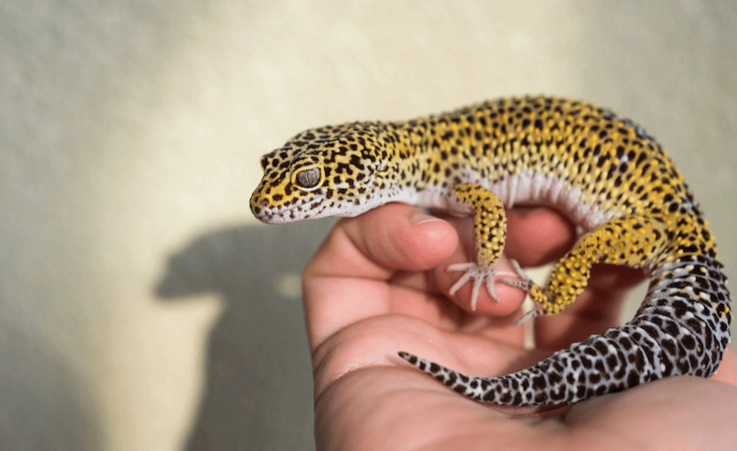 Owning a fancy leopard gecko is a marathon, not a sprint. Those vibrant colors are a promise of a long, interesting life—if you're willing to put in the work. It's not complicated work, but it's consistent, attentive work. Get the fundamentals of heat, food, and housing right from day one, and you'll be rewarded with a healthy, curious companion for decades. Start by finding a good breeder, invest in a proper setup, and remember: every choice you make is either adding or subtracting time from their life. Choose to add it.
Reader Comments