Yes, crested geckos are generally considered friendly and docile reptiles, making them one of the most popular pet lizards worldwide. But that "friendly" label needs some unpacking. If you're imagining a lizard that craves cuddles like a puppy, you'll be disappointed. Their friendliness is more about a remarkable tolerance for human presence, a lack of aggression, and a calm demeanor that makes them fantastic observational pets and, with patience, handleable companions. I've kept cresties for over a decade, and their unique personality—a mix of clumsy curiosity and serene indifference—is what makes them so endearing.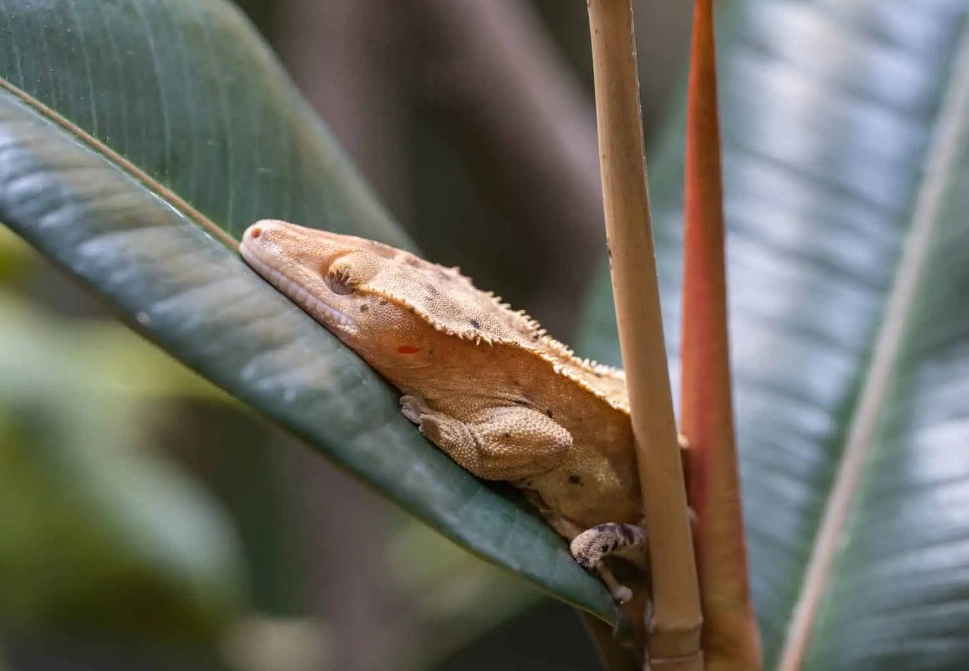
What You'll Learn
- What ‘Friendly’ Really Means for a Crested Gecko
- The Crested Gecko Temperament: Calm But Not Cuddly
- How to Build Trust and Handle Your Crested Gecko
- Are Crested Geckos Good Pets for Beginners?
- Common Mistakes That Can Make Your Gecko Less ‘Friendly’
- FAQs: Your Crested Gecko Friendliness Questions Answered
What ‘Friendly’ Really Means for a Crested Gecko
Let's get this straight. Reptile friendliness isn't mammal friendliness. They don't form social bonds with us. When we say a crested gecko is friendly, we mean:
- Non-aggressive: They rarely bite, and when they do, it's usually a defensive "let go" nip that feels like a firm pinch, not a serious injury. It's nothing like dealing with an irate bearded dragon or a skittish tokay gecko.
- Tolerant of Handling: With proper acclimation, most will sit calmly on your hand or shoulder without trying to leap into oblivion (though some always will—more on that later).
- Display Calm Behavior: They are not typically nervous or flighty in a well-set-up enclosure. You can observe them going about their nightly business without them hiding instantly.
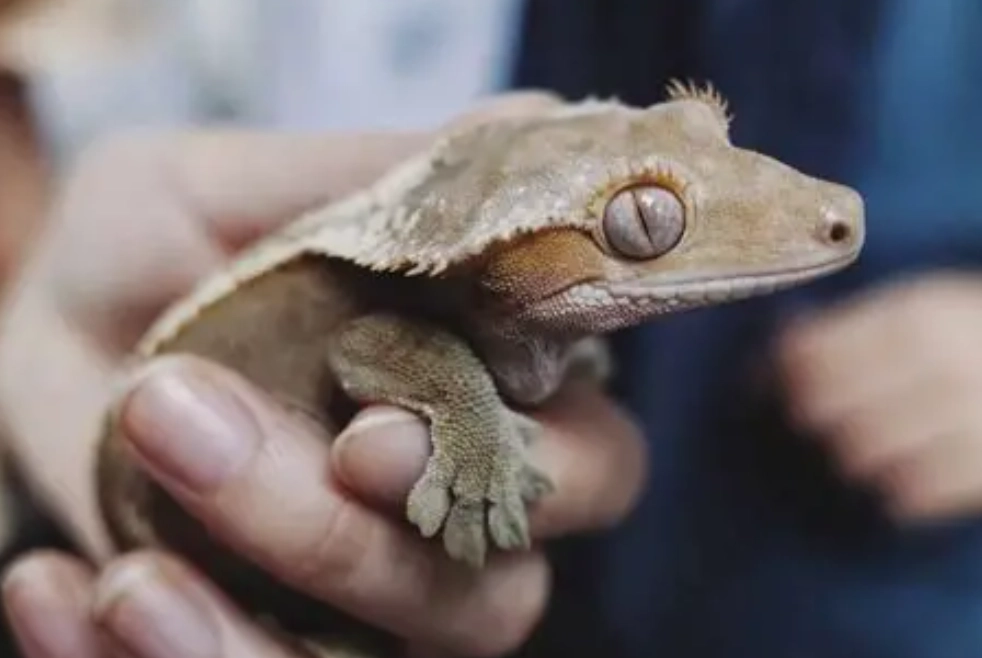
Their friendliness is passive. It's an absence of negative behaviors rather than an exhibition of affectionate ones. Think of them as a quiet, low-maintenance roommate who doesn't mind you being around, rather than a best friend who wants to play.
From My Experience
My oldest crestie, Gex, has been with me for 11 years. He's the definition of tolerant. He'll sit on my laptop while I work, occasionally licking a water droplet, but he's never once sought me out. His "friendship" is a peaceful coexistence. My younger female, Sprocket, is more skittish. She tolerates handling but would always rather be exploring leaves. Both are "friendly," but their personalities are miles apart.
The Crested Gecko Temperament: Calm But Not Cuddly
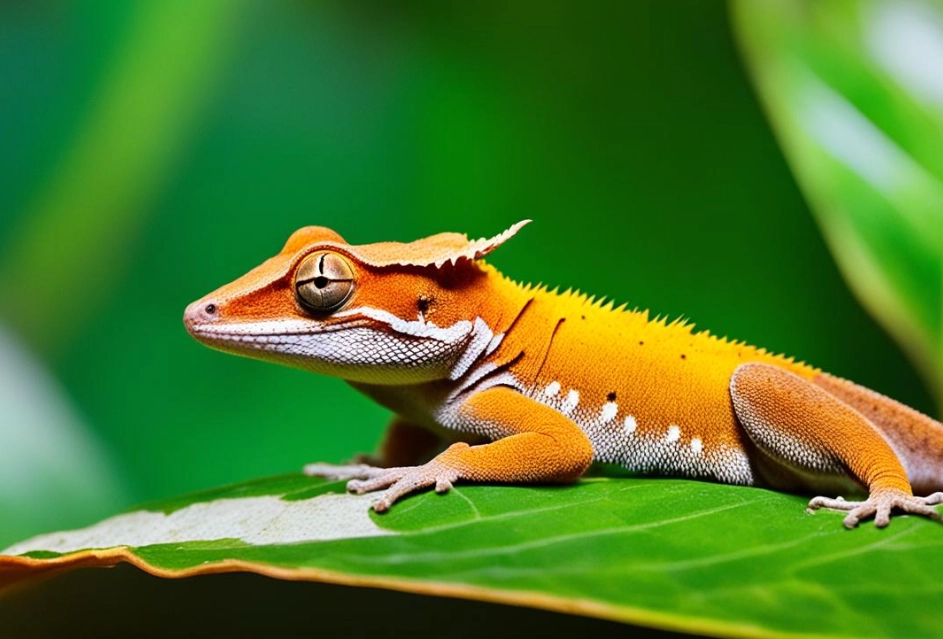
Crested geckos are nocturnal and crepuscular (active at dawn/dusk). During the day, they're masters of camouflage, sleeping pressed against cork bark or nestled in plants. At night, they transform into slow, deliberate explorers.
Key temperament traits:
- Generally Docile: They are not prone to aggression. A stressed crestie's first defense is to flee or freeze, not fight.
- Individually Variable: This is crucial. Some are incredibly bold and curious, investigating new things (including your hand). Others are naturally more shy and will always prefer to watch from a hiding spot. You can't force a personality.
- Prone to "Crested Gecko Panic": This is their infamous move. When startled, they can execute a dramatic, often comically uncoordinated, leap. It's not aggression; it's pure, unadulterated "I'm out of here!" panic. This is why handling requires a safe, padded environment close to the ground.
- Minimal Vocalization: They can make soft chirping or barking sounds, usually when interacting with other geckos or occasionally when annoyed. It's not common during handling.
Handling Tips That Actually Work
Handling is where the "friendly" question gets real. You can't just grab them.
Start by letting them get used to your presence. Sit by the tank at night when they're active. Move slowly. After a week or two, try placing your hand flat and still in the enclosure, letting them come investigate on their terms. Never grab from above (you look like a predator). Scoop from below or gently encourage them to walk onto your hand.
Keep initial sessions short—5 minutes max. Do this over your bed or a soft sofa to cushion any surprise leaps. The goal is boring, predictable interactions that build trust.
How to Build Trust and Handle Your Crested Gecko
Trust-building is a slow dance. Rushing it is the number one reason people think their gecko is "unfriendly."
- Respect the Adjustment Period: Leave them completely alone for the first 1-2 weeks after bringing them home, except for necessary feeding and misting. Let them settle.
- Associate Your Hand with Good Things: When you do start interactions, sometimes just place a favorite treat (like a little dab of Repashy Crested Gecko Diet) on a spoon near your hand. They start to connect your presence with positive outcomes.
- Read Their Body Language: A relaxed gecko moves slowly. A stressed gecko will freeze, puff up, or open its mouth slightly. If you see stress, back off and try again later.
- Create a Routine: Handle at roughly the same time (early evening works well), for similar short durations. Predictability reduces stress.
Even with all this, some geckos will never enjoy handling. They may tolerate it. That's okay. Their value as a pet isn't solely in their handleability.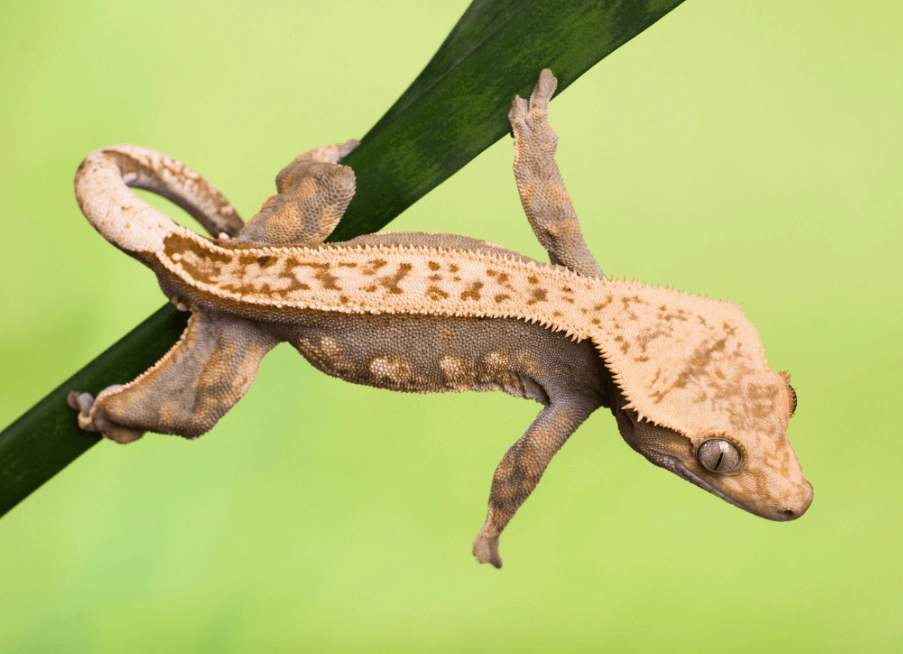
Are Crested Geckos Good Pets for Beginners?
Absolutely. In fact, they're often the top recommended lizard for first-time reptile owners, and their friendly temperament is a huge reason why. Let's break down why they fit the bill, but also look at what "beginner-friendly" really entails.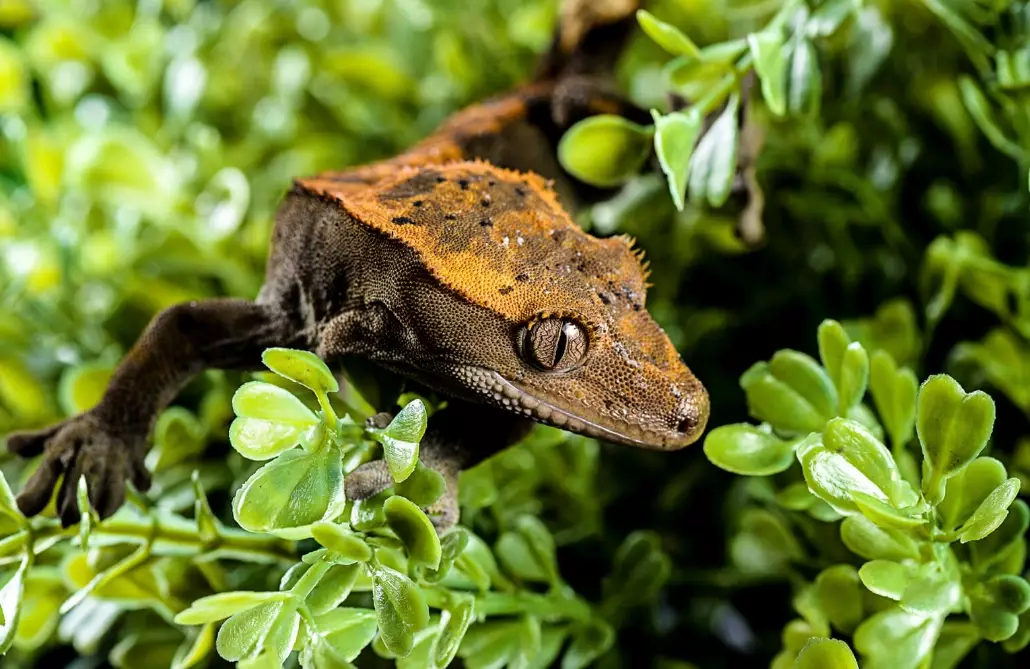
| Aspect | Why It's Beginner-Friendly | Important Nuance / Consideration |
|---|---|---|
| Diet | Primarily thrive on commercially prepared powdered diets (Repashy, Pangea) mixed with water. It's nutritionally complete, eliminating guesswork with live insects. | Offering occasional gut-loaded crickets or dubia roaches is beneficial for enrichment and exercise, but not strictly necessary. Some keepers never use insects. |
| Housing | A single adult can live happily in a well-planted 18x18x24 inch tall terrarium for life. No need for massive, custom-built enclosures immediately. | The setup cost for a proper bioactive or well-planted terrarium can be high initially. A bare tank with paper towels is easier but provides zero enrichment, which can affect temperament. |
| Temperature & Humidity | They thrive at room temperature (72-78°F). No expensive basking bulbs or intricate heat gradients needed. Humidity spikes are managed with a simple misting bottle or automatic mister. | "Room temperature" means you must keep your home in that range. They can get stressed and stop eating if it's consistently too hot (above 80°F) or too cold (below 65°F). |
| Health & Hardiness | Generally robust when kept correctly. Not prone to a long list of specific diseases like some reptiles. | They are masters at hiding illness. A "friendly" gecko that becomes lethargic and refuses food might be seriously ill. Beginners need to learn subtle signs of health issues. |
| Temperament | Docile nature means less risk of bites or defensive behavior that could scare a new owner. | Their fragility (tail drop, susceptibility to falls) means a nervous beginner's fumble can be more dangerous than the gecko itself. |
The bottom line? They are low-maintenance compared to many reptiles, but "low-maintenance" isn't "no-maintenance." You're still responsible for a living creature that needs specific conditions to thrive and show its friendly, curious side.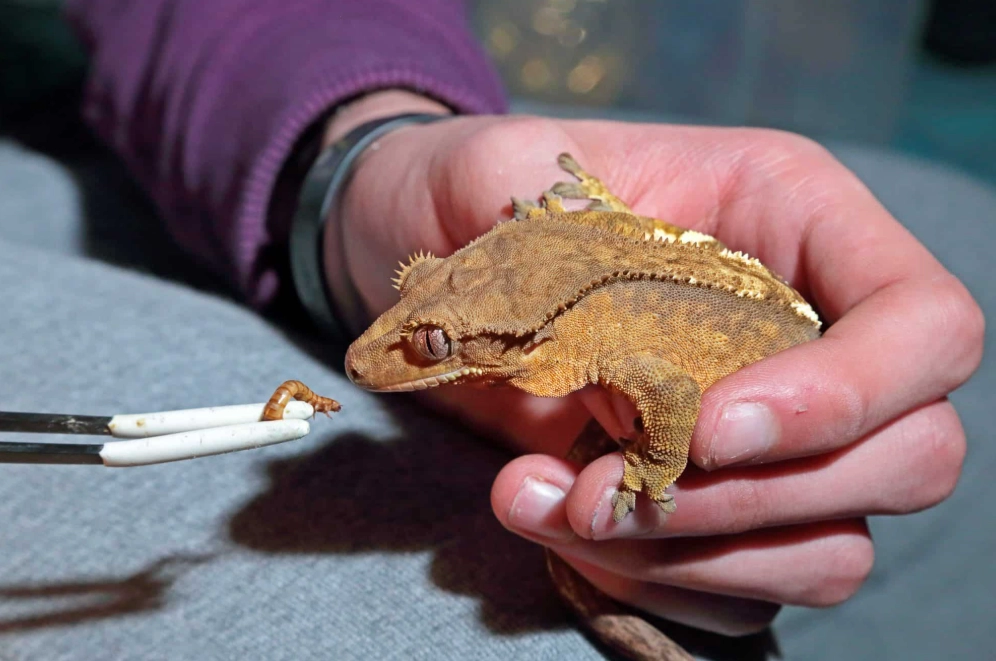
Common Mistakes That Can Make Your Gecko Less ‘Friendly’
Often, a gecko perceived as shy, skittish, or "unfriendly" is actually stressed by its environment or care. Here are subtle errors I see constantly:
- Over-handling Too Soon: This is the big one. Every time you force interaction on a scared gecko, you reinforce that your hand equals stress. Go slower than you think you need to.
- Insufficient Foliage and Hides: A bare tank is a scary tank. Crested geckos need dense, vertical clutter—vines, cork tubes, broad-leaf plants like Pothos or Philodendron. If they don't feel secure in their home, they'll never feel secure with you.
- Wrong Time for Handling: Trying to handle them during their prime sleeping hours (the middle of the day) is a guaranteed way to get a grumpy, disoriented gecko. Early evening is ideal.
- Ignoring the Tail Drop Risk: They can drop their tails as a defense mechanism. It doesn't grow back. A gecko that feels threatened during handling (e.g., being grabbed by the tail) will drop it. A tailless crestie, or "frogbutt," is often more jumpy and less coordinated, which can be mistaken for a less friendly disposition.
- Incorrect Tank Size or Placement: A tank that's too small is stressful. A tank in a high-traffic, loud part of the house (like a living room with a blaring TV) can make a gecko perpetually on edge.
Fix the environment first, and you'll often see a dramatic improvement in the gecko's confidence and handleability.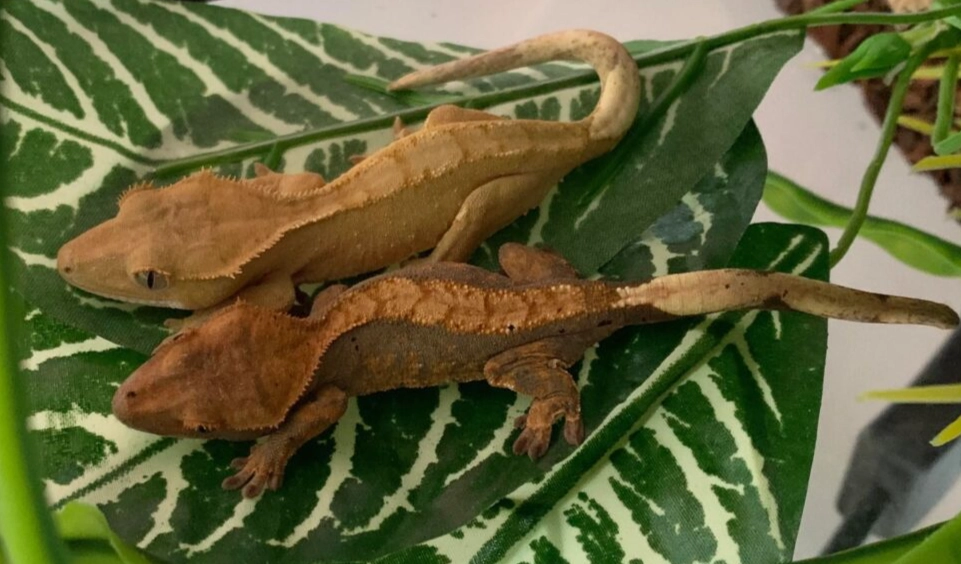
FAQs: Your Crested Gecko Friendliness Questions Answered
My crested gecko runs and hides every time I approach the tank. Does this mean it's not friendly?
Is it true that male crested geckos are more friendly or handleable than females?
How can I tell if my crested gecko is stressed during handling, and what should I do?
My gecko was handleable but has suddenly become jumpy and hides. What happened?
Can crested geckos recognize their owners?
Reader Comments