Let's cut to the chase. Getting the humidity right for your crested gecko isn't just a box to tick—it's the difference between a thriving, vibrant pet and one that struggles with stuck shed, respiratory infections, and constant stress. I've seen too many new keepers fixate on the "60-80%" mantra without understanding the how and why, leading to a damp, moldy tank or a bone-dry one. This guide is about moving beyond the basic numbers. We'll unpack what humidity actually does for your gecko, how to create a system that maintains itself, and the subtle mistakes even experienced keepers make.
Quick Navigation: Find Your Humidity Answers
- Why Humidity is Non-Negotiable for Crested Geckos
- The 60-80% Range: What It Really Means
- How to Measure Humidity (Spoiler: Your Gauge is Probably Wrong)
- Building a Habitat That Holds Humidity
- The Daily & Nightly Humidity Routine
- 5 Humidity Mistakes You're Probably Making
- Your Humidity Problems, Solved
Why Humidity is Non-Negotiable for Crested Geckos
Think of humidity as part of their breathing and skin-care system. In the wild, New Caledonia offers high ambient moisture. Your gecko's skin isn't like ours; it needs that external moisture for critical functions.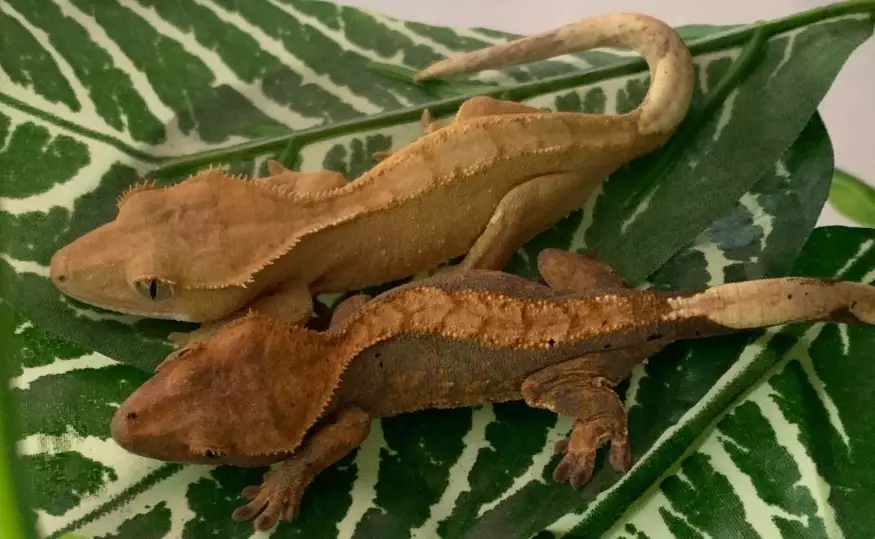
Hydration & Drinking: Crested geckos often drink by licking water droplets from leaves and glass. A good nightly spike in humidity creates those droplets. While a water dish is necessary, relying on it alone misses their natural behavior.
Shedding (Ecdysis): This is the big one. Low humidity is the primary cause of stuck shed, especially on those delicate toes. The old skin needs to soften and separate easily. Chronic stuck shed can constrict blood flow and lead to toe loss. Proper humidity is preventative care.
Respiratory Health: Here's the balance. Consistently soggy, stagnant air (high humidity with no drop) is a breeding ground for bacteria and can lead to respiratory infections. The daily fluctuation is key—it mimics the natural cycle of moisture and drying.
My Personal Rule: I judge my humidity success not by the gauge alone, but by my gecko's sheds. A perfect, single-piece shed that I find in the enclosure is the ultimate report card. If I see flakes or shed on their toes, I know my humidity cycle is off, regardless of what the hygrometer says.
The 60-80% Range: What It Really Means
This isn't a constant flatline. It's a dynamic curve. A flat 70% all day and night is actually problematic.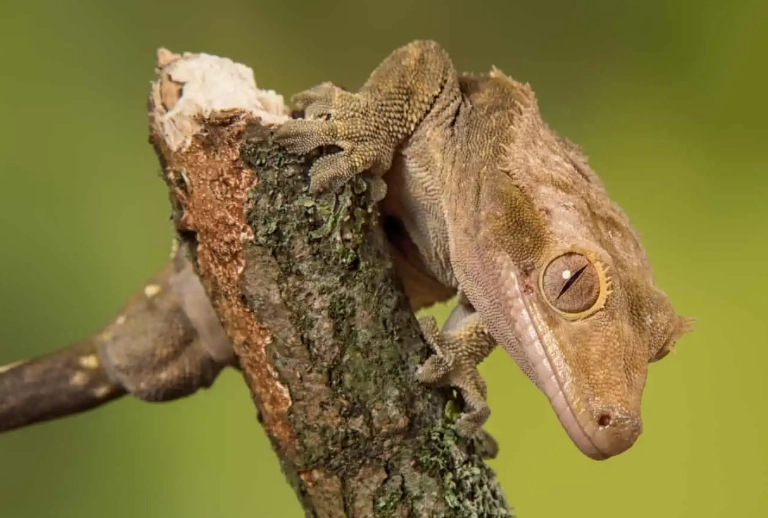
- Daytime (Light Cycle): Humidity should naturally fall to the lower end of the range, around 50-60%. This is the drying-out period. It's crucial for preventing mold and bacterial growth.
- Evening & Night (Dark Cycle): This is when you actively raise it. A heavy misting should spike humidity to 80% or even briefly into the low 90s. It should then gradually fall through the night. By morning, it should be back down to 60-70%.
This spike-and-fall cycle is what triggers drinking and supports shedding. The Association of Reptilian and Amphibian Veterinarians notes the importance of this cycle for overall physiological health, not just hydration.
How to Measure Humidity (Spoiler: Your Gauge is Probably Wrong)
This is where most setups fail. You can't manage what you can't measure accurately.
The Tool: A Digital Hygrometer. Throw away those cheap, sticky analog dials. They are notoriously inaccurate, often off by 15-20%. A reliable digital hygrometer with a probe is essential. Place the probe in the middle of the enclosure, away from direct mist or water dishes.
The Calibration Secret: Even digital ones drift. Once a year, do the salt test. Put a tablespoon of salt in a bottle cap, add just enough water to make wet sand (not dissolved). Put the cap and your hygrometer in a sealed ziplock bag for 8-12 hours. In that environment, the humidity should read 75%. If it doesn't, note the difference and adjust mentally, or see if your model has a calibration function.
I made the mistake of trusting an uncalibrated unit for months. It read 70%, but my gecko had shedding issues. After calibration, I discovered it was actually reading 10% high—my tank was at a desiccating 60%. The problem wasn't my misting; it was my data.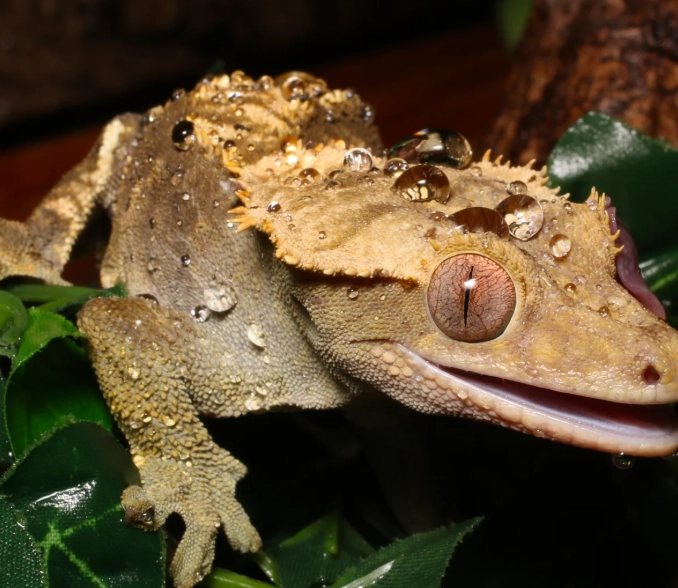
Building a Habitat That Holds Humidity
You can mist all day, but if your tank is a humidity sieve, you'll never win. Your setup choices make maintenance easy or impossible.
Enclosure Choice & Ventilation
Glass terrariums with screen tops are standard, but that screen is a huge moisture escape route. Covering 50-75% of the screen with glass, acrylic, or even foil helps tremendously. The goal is to retain moisture while still allowing for some air flow across the top to prevent stagnation. Cross-ventilation (vents on the lower front and upper back) is ideal but not always available in standard tanks.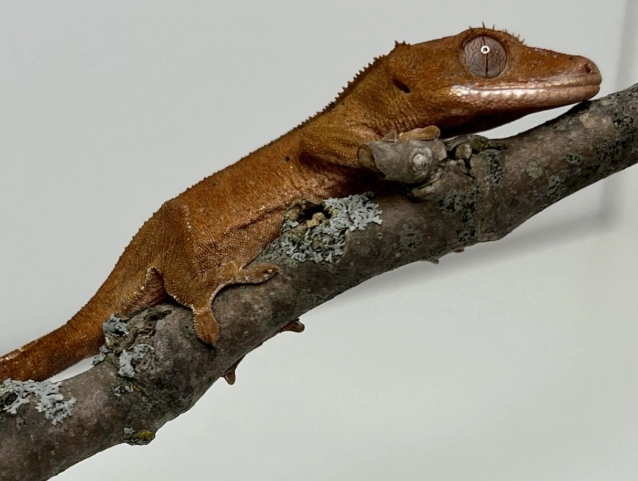
The Substrate & Plant Power Duo
This is your humidity battery.
- Substrate: A moisture-retentive base is key. I use a mix of coconut fiber, orchid bark, and sphagnum moss. It holds water and releases it slowly, stabilizing the ambient humidity. A deep substrate layer (3+ inches) is even better for a bioactive setup.
- Live Plants: Pothos, snake plants, and bromeliads aren't just pretty. They transpire, releasing water vapor. In my bioactive tanks, the plants do half the work of maintaining daytime humidity. They also create microclimates—areas of slightly higher humidity for your gecko to seek out.
Let's look at a sample setup for a standard 18x18x24 glass terrarium:
| Component | Recommended Choice | Humidity Function |
|---|---|---|
| Substrate | Coco fiber + orchid bark mix | Acts as a moisture reservoir, slow release. |
| Live Plants | 2x Pothos, 1x Bromeliad | Transpiration adds moisture, creates pockets. |
| Cover | Acrylic sheet covering 2/3 of screen top | Dramatically reduces moisture loss. |
| Hiding Spots | Cork bark rounds & tubes | Traps slightly higher humidity inside. |
The Daily & Nightly Humidity Routine
Here's what a sustainable routine looks like. Automation helps, but understanding the rhythm is vital.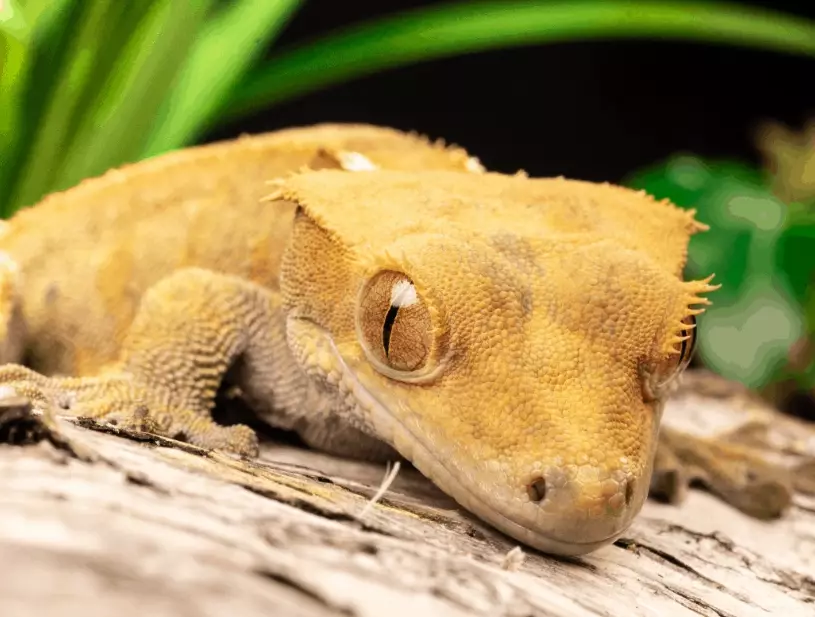
Evening (Lights Off): This is misting time. Use a hand sprayer or automated misting system to thoroughly drench the enclosure. You want the leaves, glass, and substrate surface wet. Your hygrometer should jump to 80-90%.
Overnight: Humidity will naturally fall as water evaporates. By morning, aim for 60-70%.
Daytime: No misting needed. Let it dry out. Humidity will settle between 50-60%. This is healthy.
Watch Out: If your substrate is still sopping wet 24 hours after misting, you're either misting too much or have insufficient ventilation/drainage. The top layer should be noticeably drier by the next evening. Consistently wet substrate can lead to scale rot on your gecko's belly.
5 Humidity Mistakes You're Probably Making
I've made some of these myself. Let's save you the trouble.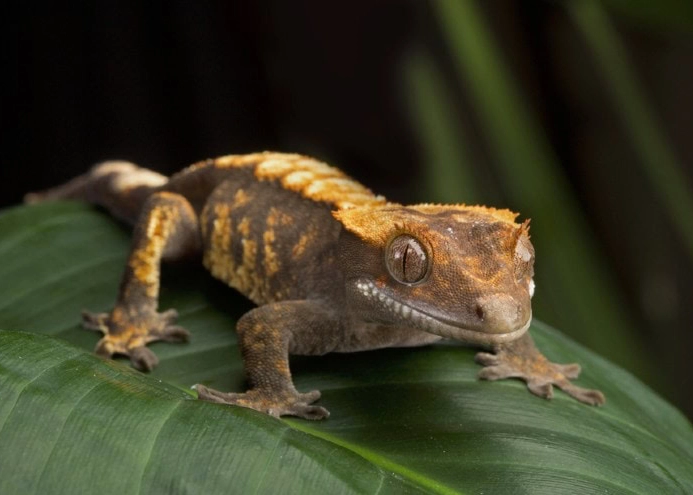
| Mistake | What Happens | The Fix |
|---|---|---|
| Misting only in the morning. | Humidity spikes during the hot, dry day and plummets at night when your gecko is active and needs it most. | Switch to evening misting. Always. |
| Using a fogger as the primary source. | Foggers create airborne water particles but don't wet surfaces for drinking. They can also keep humidity too high constantly. | Use a fogger sparingly for ambient moisture, or not at all. A mister that wets surfaces is primary. |
| Ignoring room climate. | A tank in a dry, air-conditioned room fights a losing battle. A tank in a humid basement might never dry out. | Adjust your tank coverage/ventilation based on your room's baseline humidity. A room humidifier/dehumidifier can help in extremes. |
| Forgetting the "dry-out" period. | Constant high humidity without a daily drop. | Ensure your daytime humidity dips. This is why covering 100% of the screen is a bad idea. |
| Not calibrating your hygrometer. | You're managing based on false data. | Do the salt test. Today. |
Your Humidity Problems, Solved
Mastering crested gecko humidity is about understanding the ecosystem you're building. It's not just spraying water. It's about the synergy between your enclosure design, your tools, and the daily rhythm you create. Pay attention to your gecko—its shed, its activity, its appearance. That feedback is more valuable than any gauge. Start with an accurate hygrometer, build a habitat that holds moisture, and respect the daily dry-out. You'll have a healthier, happier gecko because of it.
Reader Comments