Let's talk about the Axanthic leopard gecko. You've probably seen pictures—striking black, white, and gray reptiles that look like they stepped out of an old film. They're not your average yellow and spotted leopard gecko. That unique look comes from a specific genetic trait called axanthism, which suppresses yellow and red pigments. It's not albinism; it's a different ball game entirely. I've kept and bred leopard geckos for over a decade, and I can tell you, the axanthic morph is fascinating, but it trips up a lot of new owners. This guide will cut through the hype and give you the straight facts on everything from setting up their home to why that "perfectly gray" gecko you bought might develop a faint yellow tinge.
What's Inside?
What Exactly is an Axanthic Gecko?
First, a quick genetics lesson. "Axanthic" means lacking yellow pigment (xanthophores). It's a recessive trait. To be a true axanthic, the gecko needs two copies of the gene, one from each parent. This is different from an albino (tremper, bell, or rainwater strain), which lacks melanin (black pigment). An axanthic still has its dark markings. The result is a palette of black, white, gray, and sometimes lavender or silver. The most common line is the "Tremper Axanthic," but there are others. A subtle point most care sheets miss: the axanthic gene can interact with other morphs. Pair it with a "Blizzard," and you get a nearly pure white gecko. Pair it with a "Mack Snow," and the contrast is insane. This complexity is why prices vary wildly.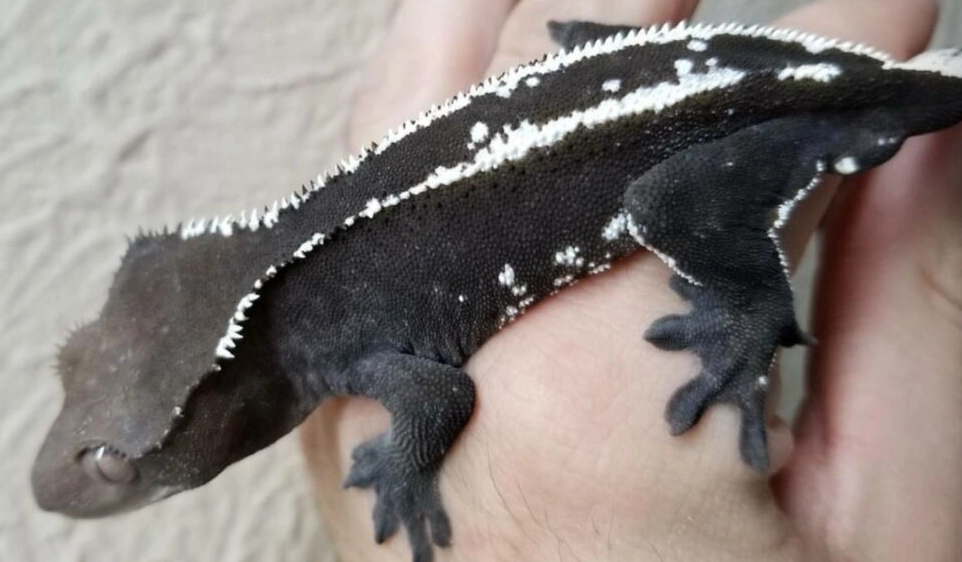
Key Takeaway: Axanthism is a color mutation, not a health defect. A well-bred axanthic leopard gecko is just as hardy as a normal one, provided its care is correct. The challenge is that their unique appearance sometimes leads owners to overlook their standard leopard gecko needs.
The Axanthic Look: More Than Just Black and White
Here's where expectations clash with reality. Many buyers want a permanent, high-contrast black-and-white animal. The truth is, many axanthics "yellow out" with age. Not a bright yellow, but a creamy, buttery, or light tan wash over the gray body, especially along the spine and tail. The black bands usually stay crisp. This is normal and is influenced by temperature, lineage, and individual genetics. Don't be disappointed if your juvenile's stark gray softens into a beautiful silvery-tan as an adult. Some lines, like certain Tremper Axanthics, are known to hold their gray better. When shopping, ask the breeder about the color-holding history of the parents.
Axanthic Gecko Care: A Complete Step-by-Step Guide
Their care is 95% standard leopard gecko care. But that 5% difference matters. Let's break it down.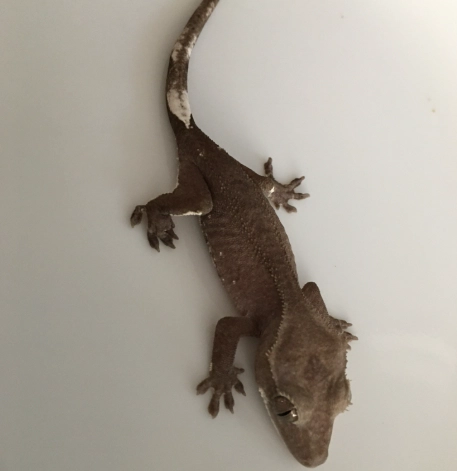
Housing and Environment
A 20-gallon long tank is the minimum for one adult. Bigger is always better. The substrate debate is endless. For axanthics, I'm cautious with loose substrates. Their striking color makes every speck of dirt visible, and impaction risk is real for juveniles. I use slate tiles or a solid reptile mat for easy cleaning. For a naturalistic look, a deep, packed layer of a soil/sand/clay mix can work for experienced keepers, but it's advanced. Provide at least three hides: a warm, moist hide (with damp sphagnum moss), a cool dry hide, and a central hide. Clutter the tank with cork rounds and fake plants. They feel secure with cover.
Temperature, Lighting, and Humidity
This is non-negotiable. You need a temperature gradient.
| Zone | Temperature | How to Achieve It | Purpose |
|---|---|---|---|
| Warm Side/Basking Spot | 88-92°F (31-33°C) | Under-tank heater (UTH) on a thermostat + low-wattage halogen or deep heat projector for daytime. | Digestion, metabolism. |
| Cool Side | 70-77°F (21-25°C) | No heat source on this end. | Thermoregulation, resting. |
| Nighttime Temp | Can drop to 65-70°F (18-21°C) | All heat sources off. A ceramic heat emitter if your room gets colder. | Natural cycle. |
Humidity should be 30-40% overall, with the moist hide at 70-80%. Use a digital hygrometer. I don't use UVB for my axanthics, but low-level UVB (like a ShadeDweller 7% kit) is increasingly recommended by experts for all leopard geckos for calcium metabolism. If you use it, provide plenty of shaded areas.
Feeding Your Axanthic Gecko
They eat the same stuff. Gut-loaded crickets, dubia roaches, and mealworms are staples. Waxworms are treats. Dust with calcium powder (without D3 if using UVB, with D3 if not) at most feedings, and a multivitamin once a week. A common mistake? Overfeeding. A plump tail is good, but an obese gecko with fat rolls behind its legs is unhealthy. Adults eat 2-3 times a week. Juveniles daily.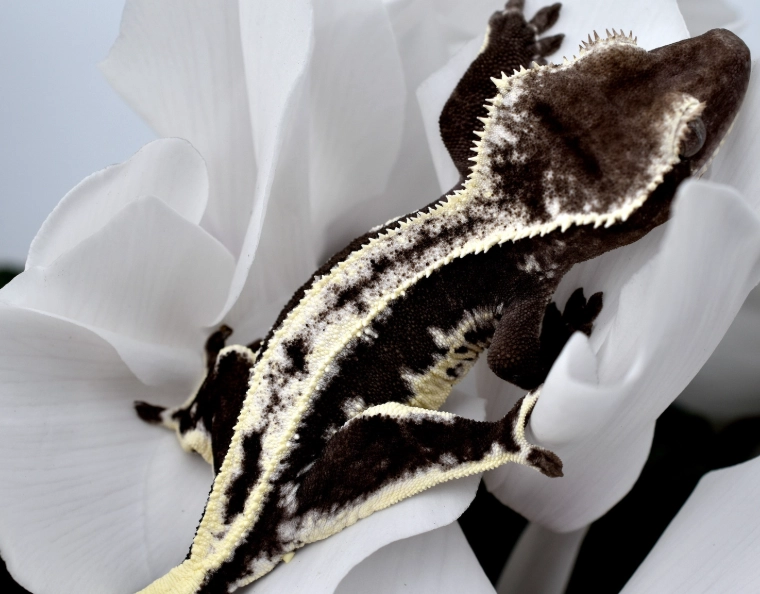
- Staple Feeders: Dubia roaches, crickets, black soldier fly larvae.
- Occasional Treats: Silkworms, hornworms.
- Rare Treats: Waxworms, butterworms (high fat).
Health and Longevity: Are Axanthic Geckos More Fragile?
No, not inherently. A well-bred axanthic from a reputable source has the same 15-20 year lifespan. However, I've noticed a trend. Because they are often more expensive, they're sometimes bred from lines selected purely for color, not necessarily robustness. Ask the breeder about the health history. The main issues are the same as any leopard gecko: impaction from bad substrate or dehydration, metabolic bone disease from poor calcium, and stuck shed. That last one is crucial—their shed on a gray body can be harder to spot. Check toes and the tip of the tail after every shed. Ensure that moist hide is always, well, moist.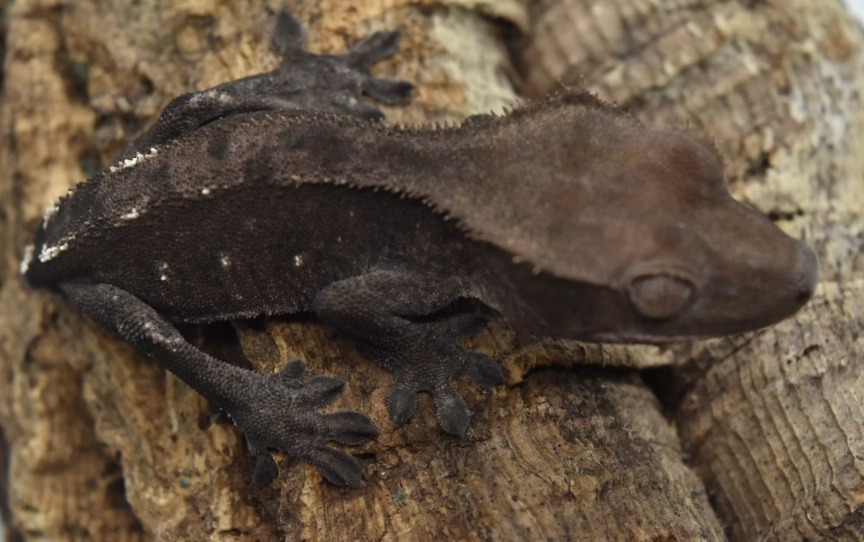
Watch Out: Be extra vigilant about temperatures. An axanthic gecko kept too cool for long periods may not only stop eating but its color can become dull and washed out. It's a sign their system is slowing down.
Buying an Axanthic Leopard Gecko: A Realistic Guide
This is where you can save yourself a lot of headache and money.
Price Range: For a standard Tremper Axanthic, expect $150 to $300. High-contrast babies from proven color-holding lines can hit $400-$500. Combos (like Axanthic Mack Snow) start at $250 and go way up. If you see an "axanthic" for $50, it's almost certainly not a true axanthic, but a poorly colored normal or a different morph.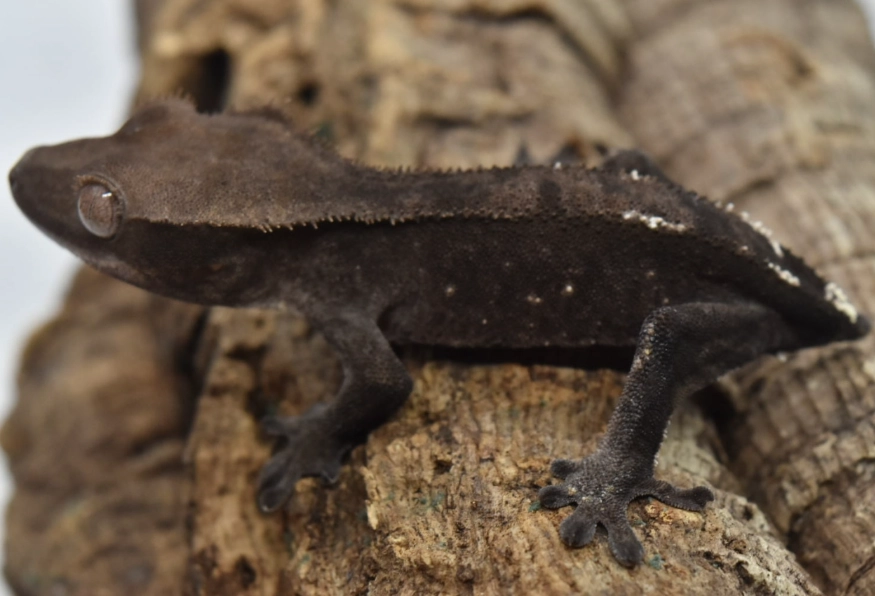
Where to Buy: Avoid big chain pet stores. Go to reputable reptile expos or specialized online breeders. Look for breeders who provide clear photos, answer detailed questions about genetics and care, and offer health guarantees. Websites like MorphMarket aggregate many breeders. Check reviews. A good breeder will ask you questions too.
What to Look For: Clear, bright eyes. A plump, fat tail (the main energy store). No visible ribs or hip bones. Alert behavior. No stuck shed on toes or tail tip. Smooth skin without mites (look like tiny moving red/brown specks). Ask to see it eat if possible.
I once drove four hours to pick up an axanthic from a breeder who couldn't tell me the hatch date or the parents' genetics. The gecko had a slight tail kink. I passed. A month later, I found a healthier one from a breeder with a detailed website and a phone conversation that lasted 20 minutes about humidity. Worth the wait.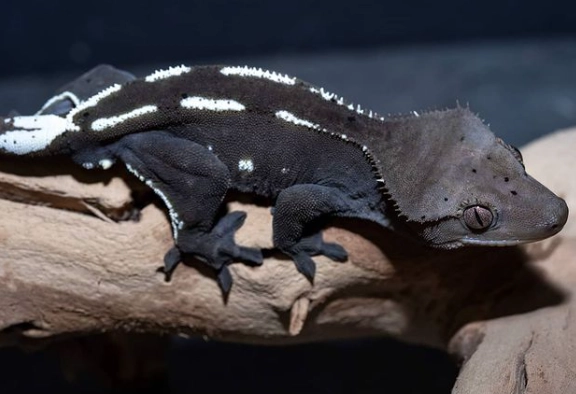
Reader Comments