Let's talk about the Albino Ball Python. That bright yellow and white snake you've seen all over Instagram and reptile expos. It's stunning, no doubt. But here's the thing I've learned after years of keeping them: their beauty is more than skin deep, and their care involves a few critical tweaks that most generic care sheets completely miss. If you're thinking about getting one, or just got your first, this guide will walk you through not just the 'what', but the 'why' behind keeping these incredible animals healthy and thriving.
Your Quick Guide to Albino Ball Python Care
What Makes an Albino Ball Python So Special?
First, the science bit, simplified. An Albino Ball Python isn't a different species. It's a color morph—a genetic variation that affects pigmentation. The key is a lack of melanin, the pigment that produces blacks, browns, and greys. That's why they have those brilliant white scales and yellow, orange, or red patterns. Their eyes are the giveaway: bright red or pink because you can see the blood vessels without dark pigment to cover them.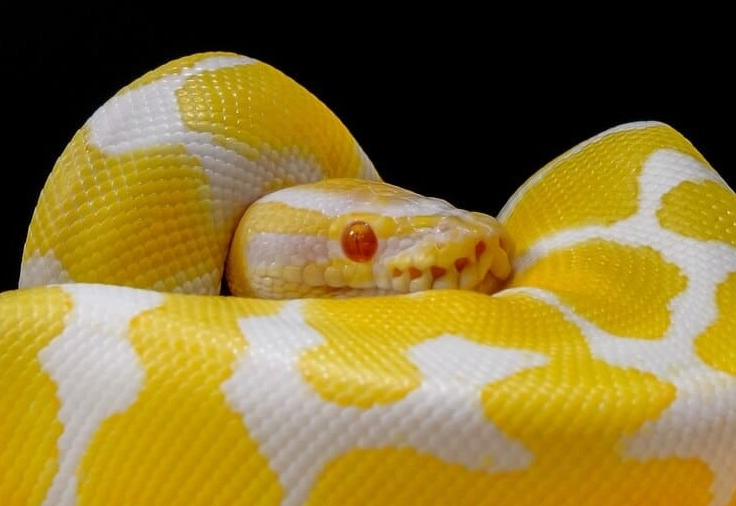
This lack of melanin is a recessive trait. Both parents must carry the gene to produce albino offspring. It was one of the first major morphs established in captivity, which is why it's so widely available and often a gateway into the fascinating world of ball python genetics.
My Personal Take: People often chase the newest, rarest morphs. But there's a classic elegance to a clean, well-cared-for Albino that newer morphs can't beat. Their contrast is simply stunning under proper, gentle lighting.
Setting Up the Perfect Home: Beyond the Basics
Here's where most guides stop at "same as a normal ball python." Not quite. Their unique biology demands a few specific considerations.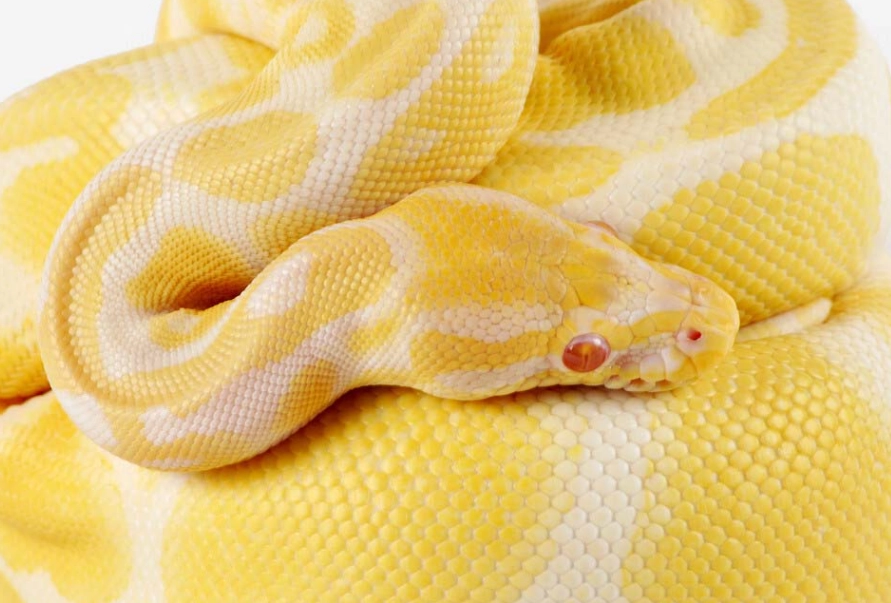
The Enclosure: Security First
A 40-gallon breeder tank or a 4x2x2 foot PVC enclosure is the sweet spot for an adult. Juveniles can start in a 20-gallon. Ball pythons are notorious for feeling exposed in glass tanks. For an albino, which might be slightly more light-sensitive, this stress is amplified. Cover three sides with background foam or paper. Use a solid-top PVC cage if possible—it holds humidity better, a critical factor we'll get to.
Temperature & Humidity: The Non-Negotiables
Get this wrong, and you'll have a host of problems. Use under-tank heating pads or radiant heat panels controlled by a thermostat—never a heat rock.
| Zone | Temperature | Purpose |
|---|---|---|
| Warm Side | 88-92°F (31-33°C) | Aids digestion and metabolism. |
| Cool Side | 78-80°F (25-27°C) | Allows for thermoregulation and rest. |
| Ambient/Night | 75-80°F (24-27°C) | Should never drop below 75°F. |
Humidity is the silent killer (or savior). Aim for 50-60% consistently. During shed, bump it to 65-70%. Low humidity leads to terrible, stuck sheds, especially problematic for albinos where retained eye caps (spectacles) are harder to spot against red eyes. Use a digital hygrometer—the analog ones are junk. A large water bowl on the warm side and misting (with dechlorinated water) help maintain levels. I prefer mixing sphagnum moss into the substrate; it's a game-changer.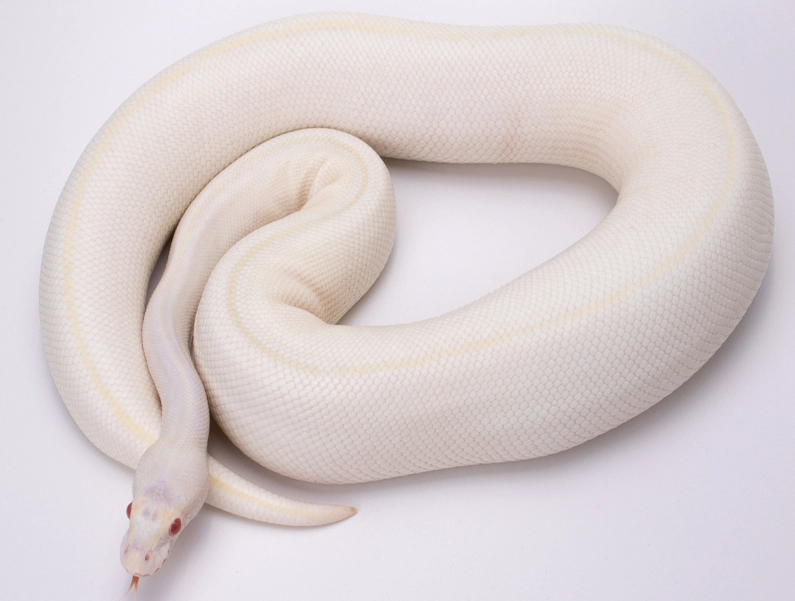
Lighting & Substrate: Gentle Choices
No special UVB is strictly required, but a low-output 5.0 UVB tube on a 12-hour cycle can benefit their overall well-being. The big mistake? Using overly bright, harsh lights. It stresses them. Use subdued, indirect lighting.
For substrate, avoid dusty options like pine or cedar (toxic). Here are my top picks:
Coconut Husk or Cypress Mulch: Holds humidity phenomenally well. My personal favorite for albinos. Orchid Bark: Good moisture retention, natural look. Paper Towel/Newspaper: Boring but ultra-safe for quarantine or snakes with health issues.
Provide at least two snug hides—one on the warm end, one on the cool end. The snake should touch three sides and the top when curled up. Add some clutter (fake plants, branches) to make them feel secure.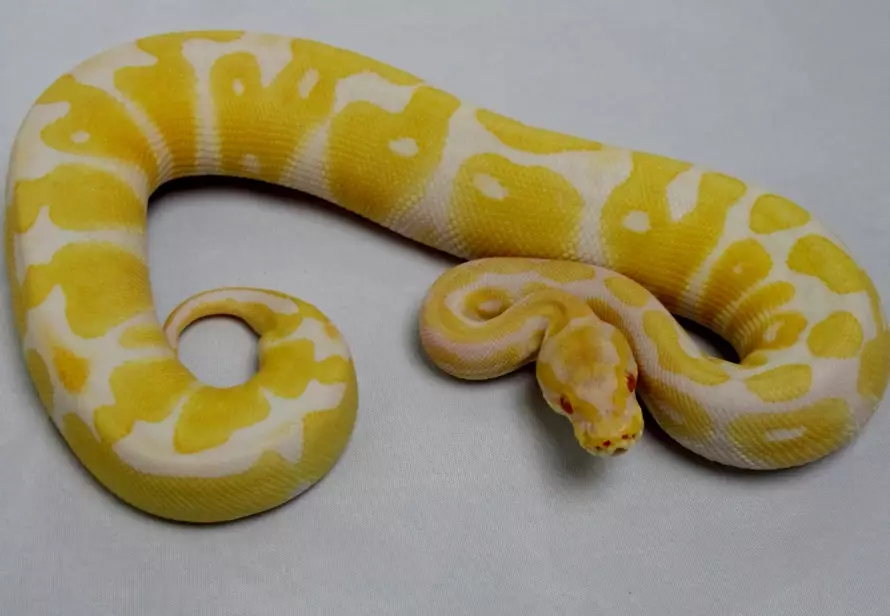
Feeding and Nutritional Needs
Feeding an albino is the same as any ball python, but their striking color makes monitoring easier and harder in unique ways.
Feed pre-killed or frozen-thawed rodents. The size should be slightly larger than the snake's widest girth. A general schedule:
- Hatchlings: Every 5-7 days.
- Juveniles: Every 7-10 days.
- Adults: Every 10-14 days.
Watch their body condition. You should see a softly rounded triangle shape, not a sharp ridge (underweight) or rolls of fat (overweight).
The Albino Feeding Quirk: Because of their red eyes and potential light sensitivity, some keepers anecdotally report albinos being slightly more "head-shy" or missing strikes at frozen-thawed prey that isn't warm enough. I've seen this myself. My trick? Thaw the rodent in a sealed bag in warm water, then use a hairdryer for 10-15 seconds to warm the head specifically. The sudden heat signature seems to trigger a more accurate feeding response.
Handling and Understanding Their Temperament
Albino Ball Pythons have the same generally docile temperament as their normal counterparts. The morph doesn't affect personality. However, their potential sensitivity means a gentle approach is best.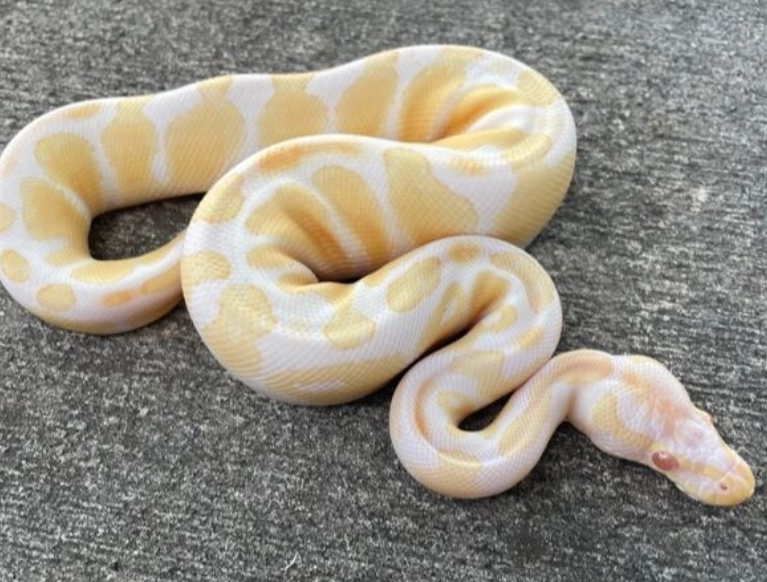
Always wait 48 hours after feeding before handling. Support their body fully. Start with short, 5-10 minute sessions a couple of times a week. Watch for signs of stress: rapid, jerky movements, frequent hissing (rare), or constantly trying to retreat. If they ball up, just let them be; it's their namesake defense mechanism.
Wash your hands before and after. It prevents the spread of germs and ensures you don't smell like food.
Common Health Issues to Watch For
The usual ball python problems apply, but with albino-specific twists.
Stuck Shed (Dysecdysis): The #1 issue. Caused by low humidity. Look for patchy, flaking skin, especially over the eyes (retained eye caps). Fix the humidity first. For a bad shed, a 20-minute lukewarm soak in a ventilated container with a damp towel to rub against can help. The American Veterinary Medical Association recommends consulting a reptile vet for persistent cases.
Respiratory Infections (RI): Symptoms include wheezing, mucus in mouth/nose, open-mouth breathing. Often caused by low temperatures or excessive humidity without proper ventilation. Requires a vet for antibiotics.
Mites: Tiny black/red parasites. You might see them in the water bowl first. Isolate the snake, treat the enclosure aggressively. Products like Provent-A-Mite are effective but follow directions exactly.
The Vision Question: Do albinos have worse eyesight? It's debated. Their eyes are more light-sensitive and may lack some visual acuity. In practice, this means they might startle more easily if approached from above (a predator shadow). Move slowly and from the side when possible.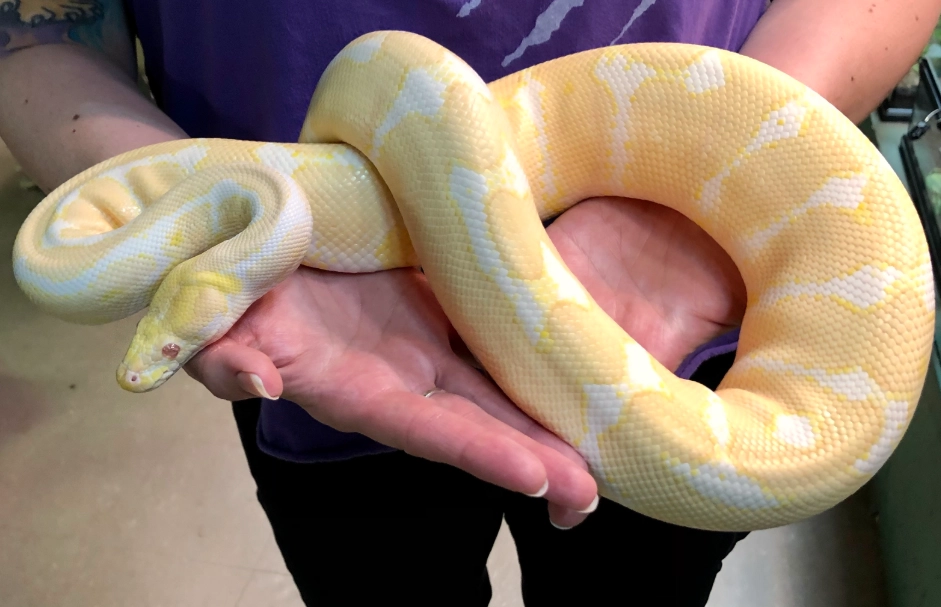
Your Top Albino Ball Python Questions Answered
Are Albino Ball Pythons more aggressive or defensive than normal ones?
Not at all. Aggression is not linked to the albino gene. A snake's temperament is far more influenced by its individual personality, breeding lineage, and how much gentle, positive handling it received from a young age. A well-socialized albino is just as puppy-dog tame as any other.
My albino's colors look dull. Is it sick or is this normal?
It's usually one of two things. First, they're about to shed. In the week leading up to it, they go into "blue"—their eyes look milky and their colors become muted and cloudy. This is normal. Second, and this is key for long-term vibrancy, look at your UV exposure. While they don't need strong UVB, some keepers find that completely depriving them of any gentle, full-spectrum light can lead to a slight washing out of yellows over many years. It's not a health crisis, but something to consider in your enclosure lighting plan.
How do I safely clean an albino's enclosure without stressing it?
Have a temporary holding tub ready—a secure plastic bin with air holes and a hide. Move the snake there first. Then, remove and discard all substrate. Scrub the empty enclosure and all decor with a 5% bleach solution (or a dedicated reptile-safe disinfectant like F10SC), rinse everything thoroughly with water, and let it dry completely before adding new substrate and returning the decor and snake. Spot-clean feces and urates weekly to keep things fresh.
Can I breed my Albino Ball Python?
You can, but you shouldn't without extensive research. Breeding requires understanding genetics (to know what morphs to pair it with), significant space for hatchlings, and a plan for selling or keeping the offspring. It's a major commitment. If your albino carries only the albino gene (visual albino), breeding it to a normal will produce 100% normal-looking babies that all carry the hidden albino gene (heterozygous). To get more visual albinos, you need to breed it to another visual albino or to one of those normal-looking carriers.
Keeping an Albino Ball Python is a deeply rewarding experience. They're a living piece of genetic art with needs that are straightforward once you understand the nuances. Focus on providing security, perfect humidity, and gentle care, and you'll have a healthy, stunning companion for decades—their lifespan often exceeds 30 years with proper care. Remember, the goal isn't just to keep it alive, but to allow it to thrive and show off every bit of that magnificent color nature designed.
Reader Comments