What You'll Learn in This Guide
If you're considering a Madagascar giant day gecko as a pet, you're looking at one of the most stunning reptiles out there. With its bright green color and red markings, it's a showstopper. But here's the thing—this isn't a beginner pet. I've kept these geckos for over a decade, and I've seen too many people jump in without understanding their specific needs. Let's cut through the noise and get into what really matters for keeping Phelsuma grandis healthy and happy.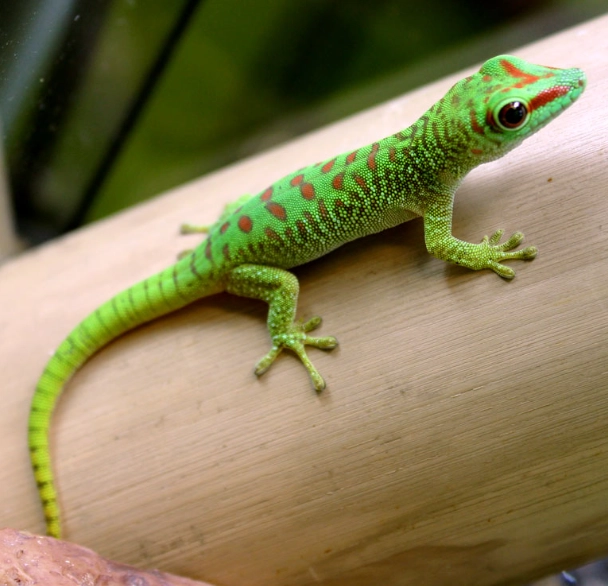
What Makes the Madagascar Giant Day Gecko Unique?
Native to Madagascar, these geckos are diurnal, meaning they're active during the day. That's a big plus if you want to watch them climb and hunt. They can grow up to 12 inches, making them one of the largest day gecko species. Their sticky toe pads let them scale glass and smooth surfaces with ease. But their beauty comes with a catch—they're sensitive to stress and improper handling. Unlike some reptiles, they don't tolerate frequent touching; it can cause them to drop their tail or develop health issues. I remember one keeper who thought daily handling was fine, only to see their gecko become lethargic and lose its vibrant color within weeks.
How to Set Up the Ideal Enclosure
Getting the habitat right is 80% of the battle. A common mistake is using a tank that's too small. For an adult, aim for at least 18x18x24 inches. Vertical space is crucial because they love to climb. Screen tops are better for ventilation, but you need to balance humidity.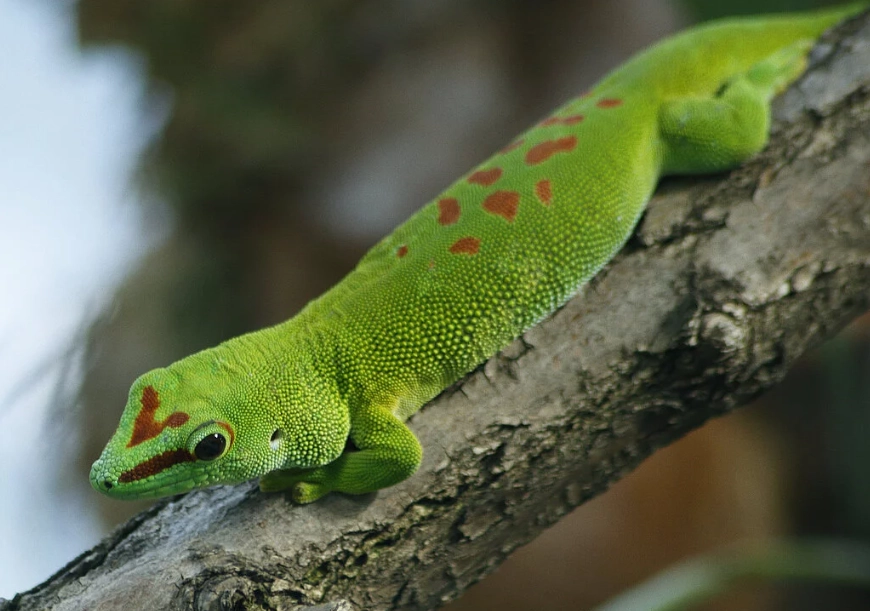
Temperature and Humidity Control
These geckos thrive in a temperature gradient. The basking spot should be around 85-90°F, with the cooler end around 75°F. At night, it can drop to 70°F. Humidity needs to stay between 60-80%. I use a digital hygrometer because analog ones often fail. Mist the enclosure twice daily, but avoid soaking the substrate to prevent mold. Some keepers swear by automated misting systems, but in my experience, a simple spray bottle works fine if you're consistent.
Substrate and Decor
Skip the sand or gravel—they can cause impaction if ingested. I recommend coconut fiber or orchid bark. Add plenty of live plants like pothos or bromeliads; they help with humidity and provide hiding spots. Include branches and vines for climbing. A UVB light is non-negotiable for their calcium metabolism. Use a 5.0 or 10.0 UVB bulb, and replace it every 6 months even if it still lights up, as the UV output diminishes.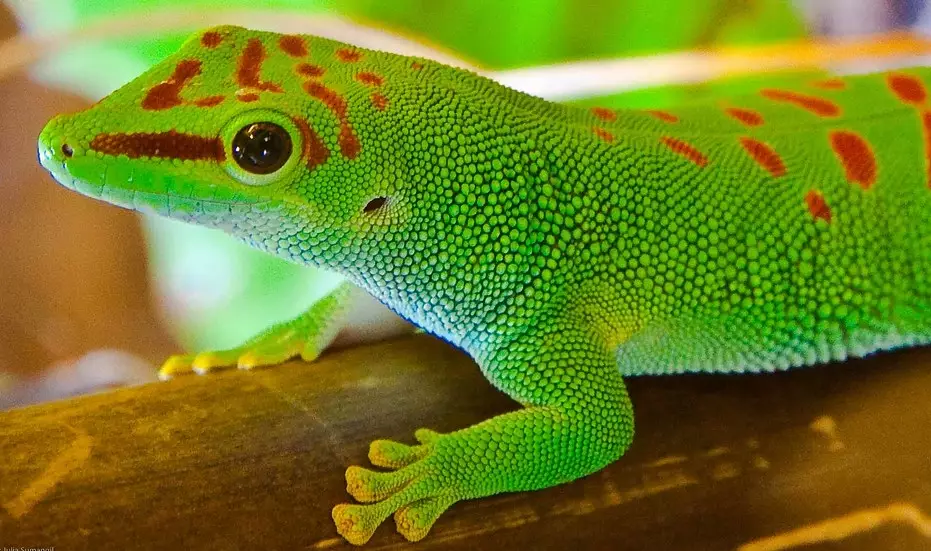
| Enclosure Parameter | Recommended Range | Notes |
|---|---|---|
| Size (for one adult) | 18" x 18" x 24" (minimum) | Larger is better for activity |
| Basking Temperature | 85-90°F | Use a thermostat to prevent overheating |
| Cool Zone Temperature | 75°F | Avoid drops below 70°F at night |
| Humidity | 60-80% | Mist twice daily; monitor with hygrometer |
| UVB Lighting | 5.0 or 10.0 bulb | Replace every 6 months |
Feeding Your Giant Day Gecko: Diet and Schedule
These geckos are insectivores with a sweet tooth. Their diet should be varied: crickets, dubia roaches, and mealworms dusted with calcium and vitamin D3 supplements. Offer fruit purees like mango or banana once a week as a treat. But don't overdo the fruit—it can lead to obesity. Feed juveniles daily, adults every other day. I've seen geckos refuse food if the insects are too large; stick to prey no bigger than the space between their eyes.
Gut-load the insects 24 hours before feeding. That means feeding the insects nutritious foods like carrots or commercial gut-load products. It boosts the gecko's nutrition. Always remove uneaten insects after a few hours to prevent stress on the gecko.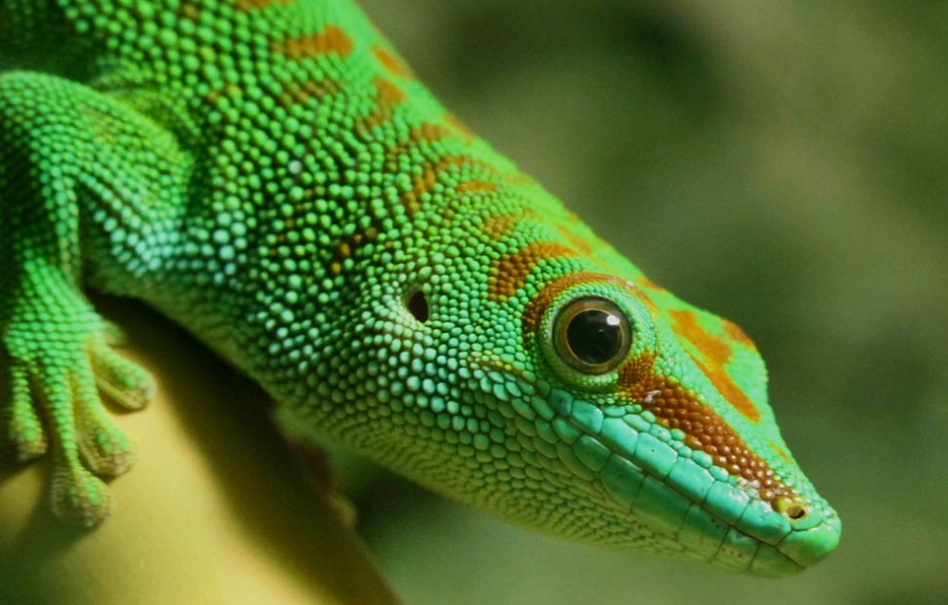
Common Health Issues and How to Prevent Them
Metabolic bone disease is a big one. It's caused by lack of UVB or calcium. Symptoms include soft jaws and limb deformities. Prevention is straightforward: provide proper lighting and dust food regularly. Another issue is stress-induced color loss. If your gecko turns dull, check the enclosure parameters—often it's a humidity or temperature problem.
Parasites can sneak in from wild-caught insects or dirty substrates. Quarantine new plants or decor before adding them. I learned this the hard way when a batch of crickets introduced mites to my colony. It took weeks to clean up.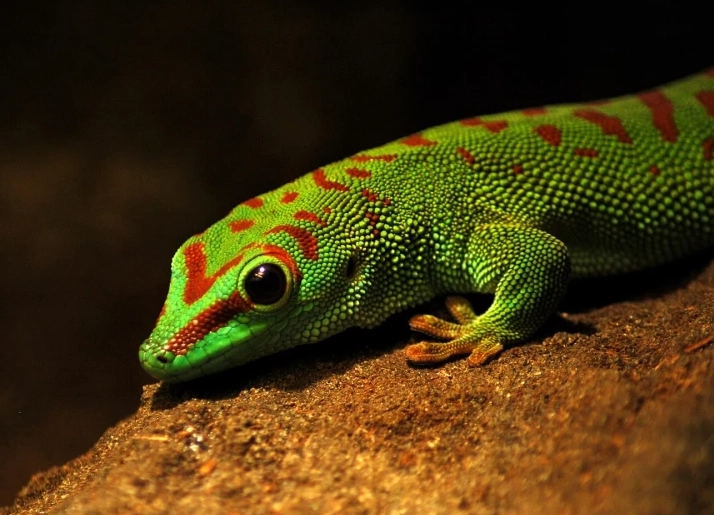
Signs of a Healthy Gecko
Bright coloration, active during the day, clear eyes, and a good appetite. If you notice lethargy, weight loss, or stuck shed, act fast. Consult a reptile-savvy vet. According to the Association of Reptile and Amphibian Veterinarians, annual check-ups are recommended for captive reptiles.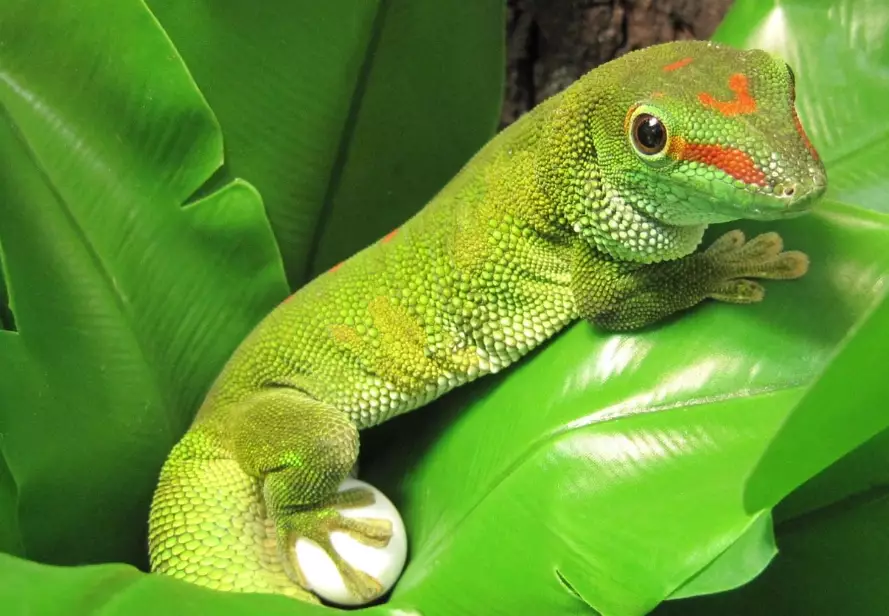
Breeding Insights for Advanced Keepers
Breeding Madagascar giant day geckos requires patience. They need a cooling period of 2-3 months at 70-75°F to simulate winter and trigger breeding behavior. After that, raise temperatures gradually. Females lay two eggs at a time, often in plant crevices. Incubate at 80-82°F with high humidity; they hatch in 60-90 days. But here's a tip rarely mentioned: separate males after mating to prevent aggression. I've had males stress females to the point of egg-binding.
Raising hatchlings is tricky. They need tiny insects and even higher humidity. Use a small enclosure with plenty of hiding spots. Avoid handling until they're at least 3 months old.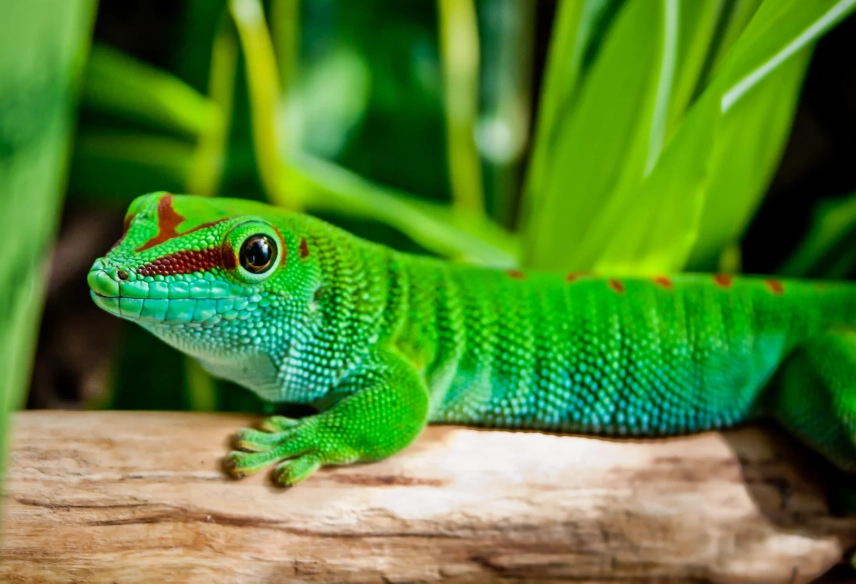
Reader Comments