Let's cut to the chase. If you're asking if jumping spiders make good pets, the short answer is a resounding yes—especially for beginners curious about the world of invertebrates. I've kept various spiders and insects for over a decade, and jumping spiders (family Salticidae) consistently stand out as the most charismatic, low-maintenance, and downright fascinating little creatures you can share your space with. They're not just a blob in a box; they watch you, they learn, and they have personalities. But "good" depends entirely on what you're looking for. They won't cuddle, and their lifespan is short. This guide isn't just a list of facts; it's everything I wish I knew before getting my first bold jumper, from the genuine joys to the often-overlooked realities.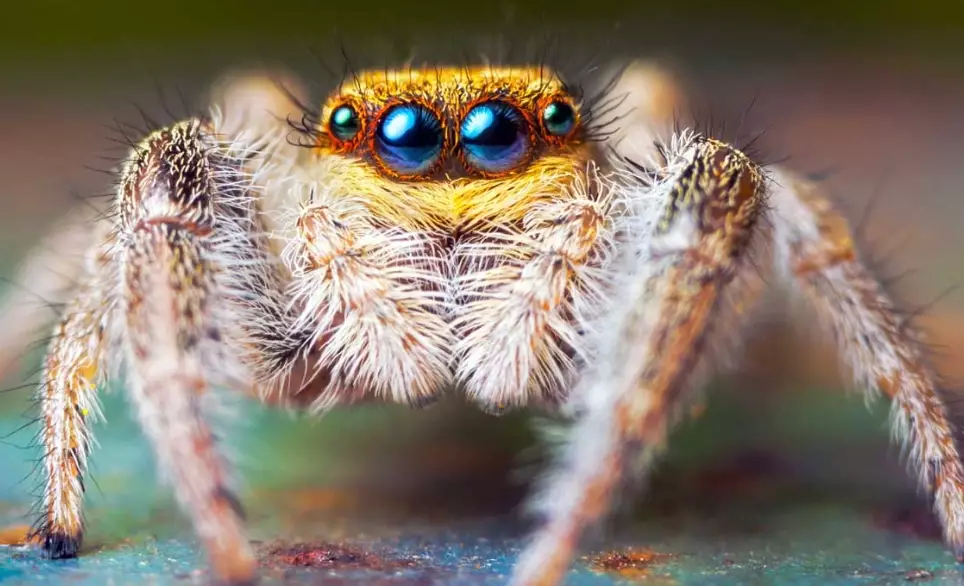
What's Inside This Guide?
Why Jumping Spiders Are Surprisingly Great Pets
Forget everything you think you know about spiders being creepy or mindless. Jumping spiders are different. Their appeal isn't in what they do for you, but in what you get to observe.
Their intelligence is unreal. They have the best vision of any spider, using their large front eyes to track movement and even recognize shapes. I've had spiders that would follow my finger across the acrylic. Studies, like those referenced by the British Arachnological Society, note their complex hunting strategies and problem-solving abilities. They plan routes. They stalk. It's like having a tiny, eight-legged cat.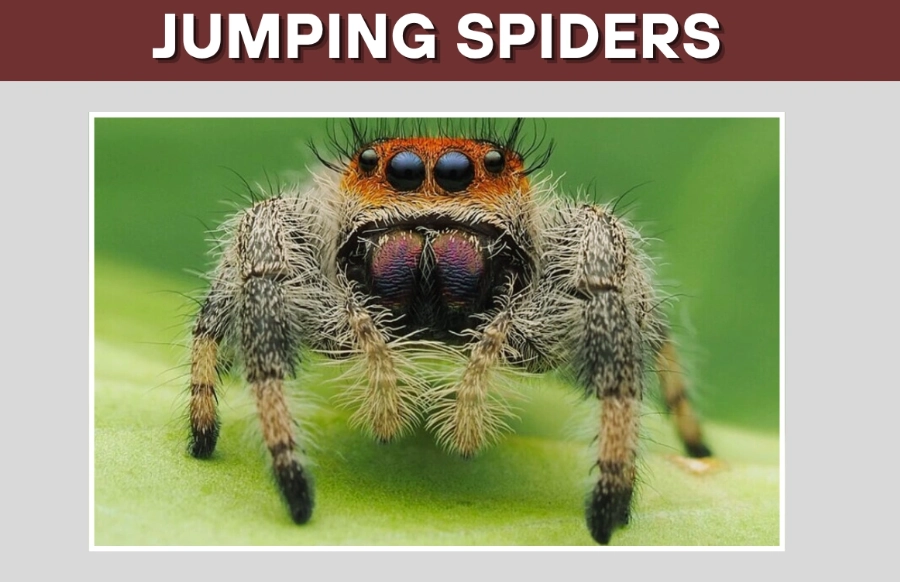
Maintenance is minimal. We're talking 5-10 minutes of work every few days. No daily walks, no expensive vet bills (usually), no noise. A properly set-up enclosure virtually runs itself. This makes them perfect for apartments, offices, or people with busy schedules.
They're harmless to humans. Their venom is designed for insects like flies and crickets. A bite is extremely rare and, at worst, might feel like a mild mosquito bite with slight redness. The bigger risk is you hurting them by accident, not the other way around.
But here's the flip side, the part many care sheets gloss over. Their lifespan is heartbreakingly short. Most common pet species live 1 to 2 years, sometimes less. You get attached to their curious little faces, and then they're gone. It's a commitment, but a short, intense one. Also, they're escape artists. A gap you think is tiny is a wide-open highway for them.
How to Choose Your First Jumping Spider
Don't just buy the first one you see. A little planning makes a huge difference in your experience.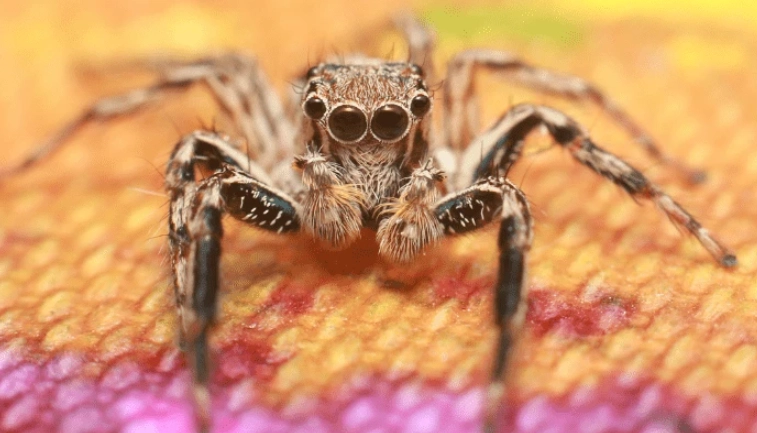
Wild-Caught vs. Captive-Bred
I strongly recommend captive-bred spiders from a reputable breeder. Wild-caught spiders can carry mites, parasites, or have unknown ages. They're also often stressed. Captive-bred spiders are healthier, acclimated to captivity, and you know their approximate age. Look for breeders on dedicated invertebrate forums or at reptile expos.
Best Species for Beginners
Not all jumpers are equal. Start with a hardy, readily available species.
- Bold Jumper (Phidippus audax): The classic. Black with white spots and iridescent green chelicerae (fangs). Hardy, bold in personality, and widely available. My first was a bold jumper.
- Regal Jumper (Phidippus regius): Larger and comes in stunning color morphs (like the white-banded "Regius Apalachicola"). Can be slightly more expensive but equally easy to care for.
- Zebra Jumper (Salticus scenicus): Smaller, common in many regions. A great choice if you want a tiny, active spider.
Avoid starting with tiny slings (spiderlings) unless you're prepared for the challenge of feeding pinhead crickets or fruit flies. A juvenile or sub-adult is more forgiving.
Setting Up the Perfect Jumping Spider Enclosure
This is where most beginners mess up. The enclosure isn't just a container; it's their entire world. Getting it right prevents 90% of future problems.
The #1 rule: Ventilation is critical, but so is humidity retention. A mesh top is great for air, but it lets all the moisture out. I solve this by covering 50-70% of the mesh with a piece of acrylic or plastic wrap. You need cross-ventilation—holes on the side near the top AND bottom to allow air circulation without creating a wind tunnel that dries everything out.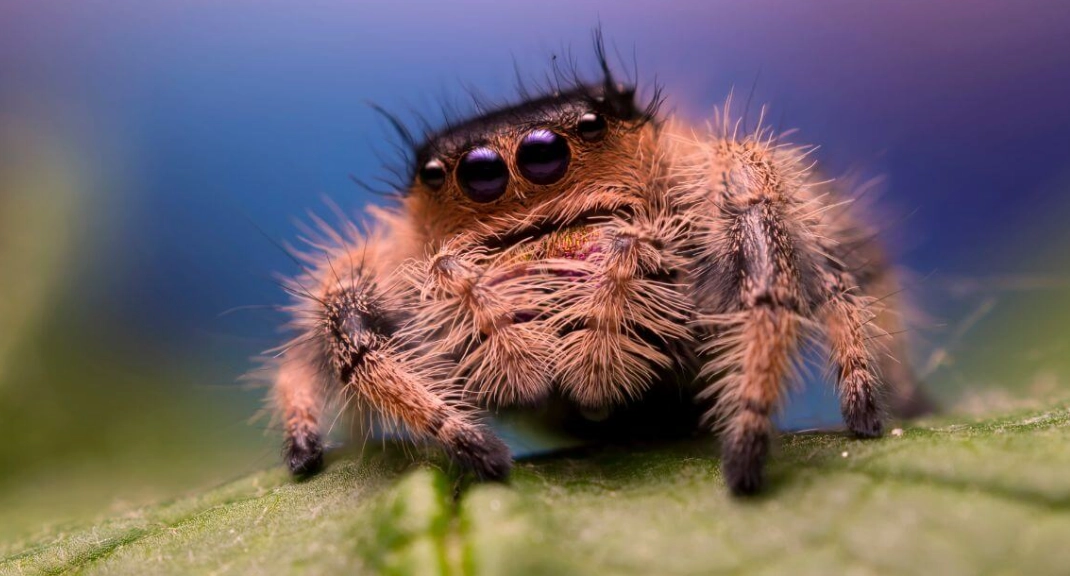
Here’s a breakdown of enclosure options, a comparison I found more useful than any generic list.
| Enclosure Type | Pros | Cons | Best For |
|---|---|---|---|
| Small Glass/Plexi Terrarium (e.g., 4"x4"x6") | Clear view, easy to modify ventilation, holds humidity well. | Can be heavy, requires DIY drilling for side holes. | Most keepers; the gold standard. |
| Plastic "Critter Keeper" Style | Lightweight, cheap, pre-ventilated. | Vents are often too large for fruit flies, scratches easily, dries out fast. | Temporary housing or very dry species. |
| Tall Plastic Deli Cup (32 oz) | Ultra-cheap, lightweight, easy to poke small holes. | Less aesthetic, can feel cramped for larger species. | Spiderlings, budget setups, or quarantine. |
What goes inside? Think vertical. They are climbers, not diggers.
- Substrate: A 1-inch layer of coconut fiber or organic potting soil (no fertilizers!). This helps with humidity. I add a small piece of sphagnum moss buried partly to act as a humidity reservoir.
- Anchor Points: Twigs, cork bark flats, thin branches. Create a network for them to walk and jump on. Hot glue is safe to secure things.
- A Hiding Spot: A curled piece of bark, a small fake leaf cluster, or a half-coconut shell. They need a secure place to retreat and molt.
- No water dish. They'll drown. Instead, mist one side of the enclosure lightly 2-3 times a week. They drink droplets. You can also add a small bottle cap with a cotton ball soaked in water.
Feeding, Water, and Daily Care Routine
Their diet is simple but specific. They eat live insects. No exceptions.
Prey Size: The insect should be no larger than the spider's body (cephalothorax). A common mistake is offering food that's too big, which can stress or injure the spider.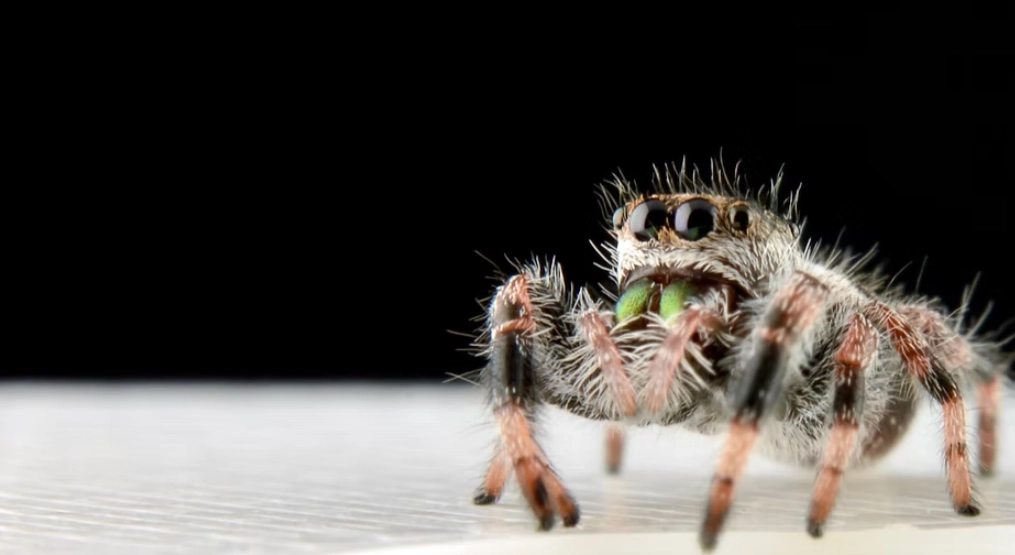
Staple Feeder Options:
- Flightless Fruit Flies (Drosophila melanogaster): For spiderlings and small juveniles. You can buy cultures online.
- Small Crickets ("pinhead" to 1/4"): The main diet for most adults. Buy from pet stores or breed your own.
- Green Bottle Fly Pupae: A fantastic treat. The flies are great stimulation. Keep the pupae in the fridge and take out a few as needed.
- Mealworms (sparingly): Cut the head off and offer the wriggling body. They're fatty, so not a staple.
Feeding Frequency: An adult jumping spider eats 1-2 appropriately sized insects every 3-5 days. Spiderlings may need food every 2-3 days. Watch the abdomen. It should look plump but not massively overinflated. If it's looking shriveled, offer food. If it's huge and shiny, skip a feeding.
Water: Light misting is key. Don't soak the enclosure. A fine mist on the webbing, leaves, and sides every other day is perfect. In dry climates, you might mist daily. Look for your spider actively drinking the droplets—it's a cute sight.
Handling and Interacting With Your Spider
Can you handle them? Yes, carefully. Should you often? No.
Handling is for your benefit, not theirs. It's a stressor. Do it sparingly, in a safe, enclosed area (like over a soft bed or inside a dry bathtub). Let the spider walk onto your hand voluntarily. Never grab it or pull on its legs. Their bodies are fragile.
The best interaction is through the glass. Talk to them. Watch them watch you. Offer food with soft-tipped tweezers. This builds a kind of recognition without the risk of a fall or escape.
If the spider assumes a defensive posture (rearing back, showing fangs), just leave it alone. It's not a dog; it won't learn to "behave." Respect its mood.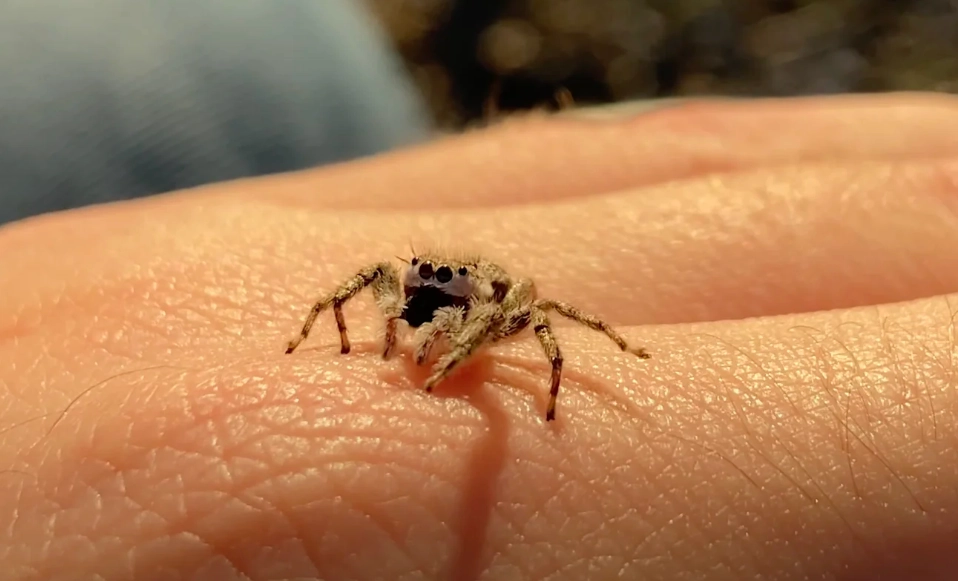
Common Health Issues and What to Watch For
With good care, they're robust. But things can go wrong.
- Failed Molts: The biggest killer. Signs: spider lethargic for days in a hammock, then found dead or deformed. Cause: Almost always low humidity. Ramp up misting slightly when you see them seclude themselves to molt.
- Dehydration: Shriveled abdomen, lethargy, difficulty walking. A few hours in a "ICU"—a small container with a damp paper towel on the bottom and plenty of air holes—can sometimes save them.
- Injuries: Falls can rupture their abdomen. Keep the enclosure height reasonable with soft substrate below. A lost leg is not a disaster; they can regenerate legs over subsequent molts.
- Mites: Tiny white dots moving on the spider or in the enclosure. Quarantine immediately, remove all substrate, and clean everything. This is why isolating new plants or decor is important.
There are no "spider vets" in most areas. Prevention through perfect husbandry is your only real tool.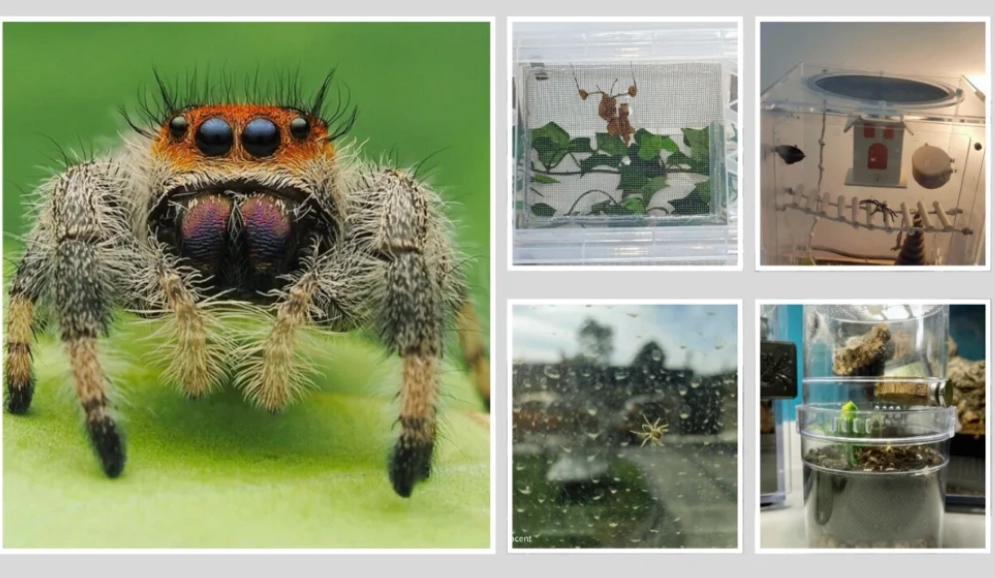
Your Jumping Spider Questions, Answered
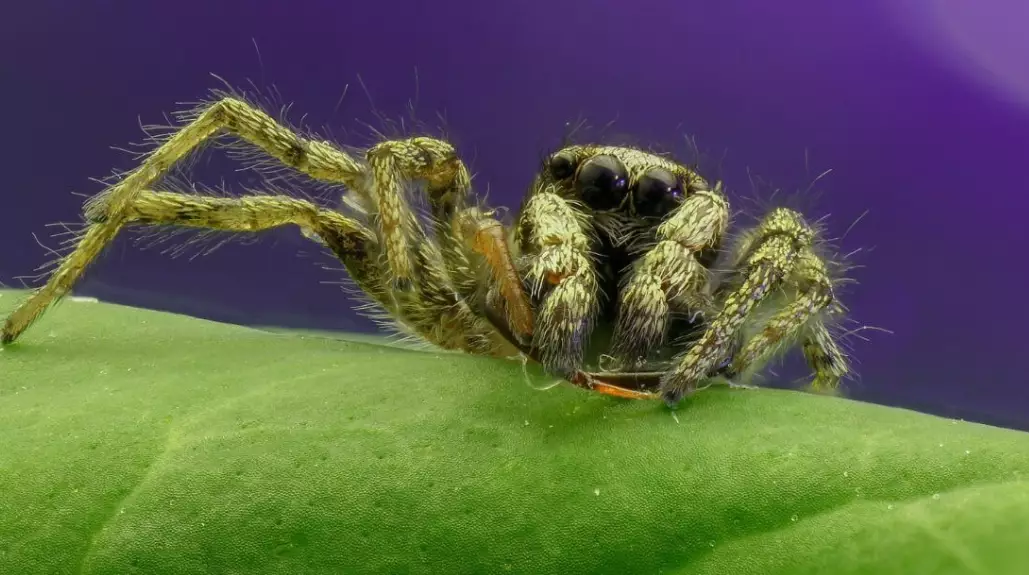
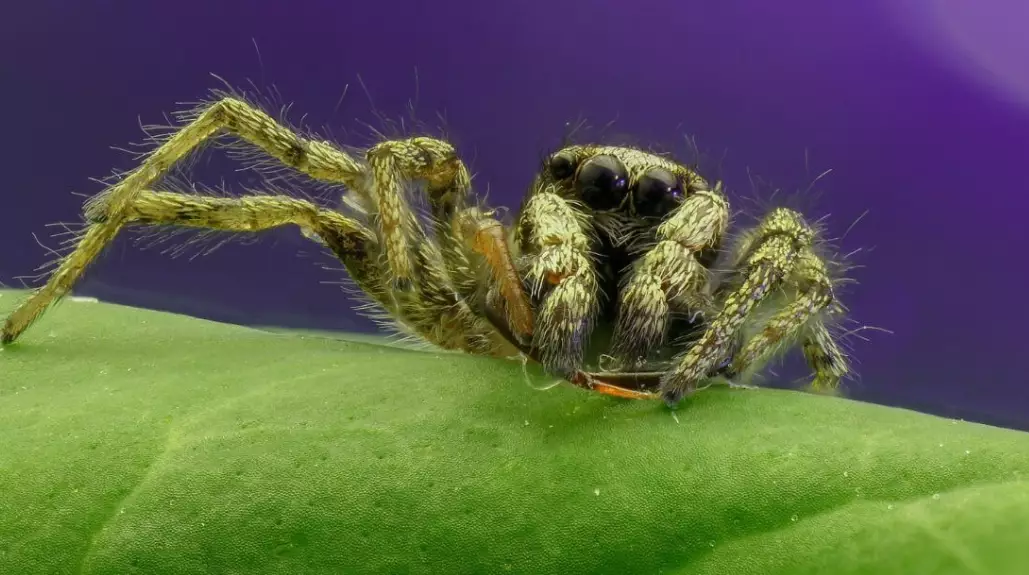 So, are jumping spiders good pets? For the right person—someone fascinated by tiny worlds, who values observation over cuddles, and can provide a thoughtfully crafted micro-habitat—they are exceptional pets. They teach patience, attention to detail, and a deep appreciation for a creature most people overlook or fear. Start with a captive-bred bold jumper, set up its home with ventilation and height in mind, and get ready to be amazed by the complex life happening inside a 5-inch cube. Just be prepared to get attached.
Reader Comments